
Elle Duncan on the teams, stars, and stakes shaping the road to Brazil.
261 Days, 23 Hours, 10 Minutes, 39 Seconds
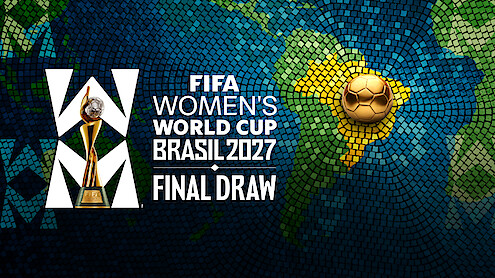
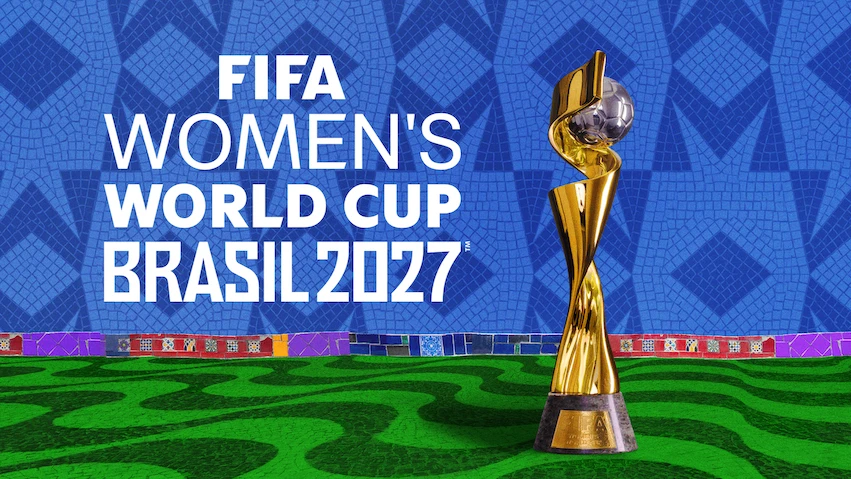
The FIFA Women’s World Cup 2027™ is less than one year away.
Next summer, the biggest names in women’s football will arrive on one of the sport’s most iconic stages, as 32 national teams compete across eight host cities in Brazil from June 24 through July 25, 2027. It will be the first FIFA Women’s World Cup™ ever hosted in South America, bringing the tournament to a country where football is more than a game: It’s a language, a rhythm, a shared inheritance, and a way of life.
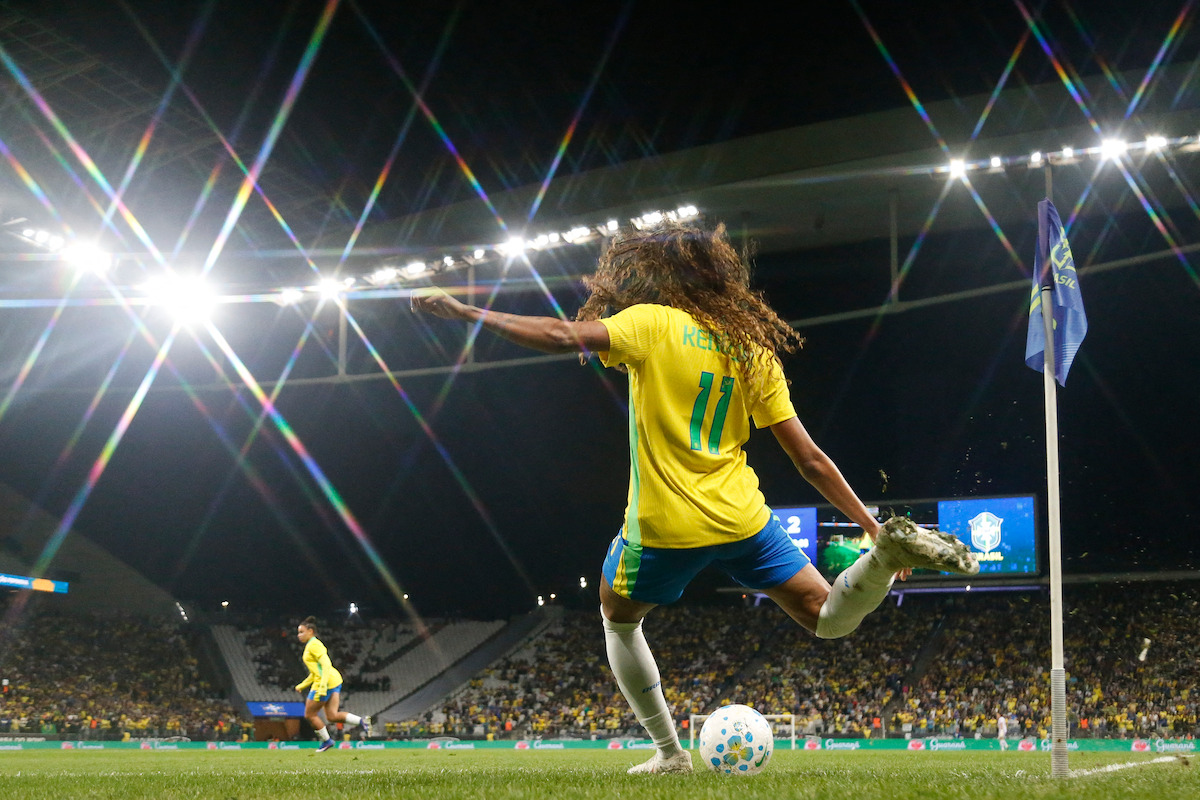
Brazil forward Kerolin takes a corner kick during an international friendly against the United States at Neo Química Arena in São Paulo on June 6, 2026.
For fans, the countdown starts now.
One year out from kickoff in Brazil, the FIFA Women’s World Cup 2027 is already beginning to take shape — in qualifying matches, national dreams, underdog stories, returning contenders, match-day rituals, and the moments that will build anticipation long before the opening whistle.
Over the next year, follow the key dates, tournament updates, team storylines, viewing guides, schedule information, and everything to know as the road to Brazil unfolds.
Here’s what to know now.
The FIFA Women’s World Cup 2027 kicks off June 24, 2027, in Brazil and runs through July 25, 2027. The tournament will feature 32 national teams, 64 matches, and eight host cities across the country, culminating in one world champion team.
All matches will stream live on Netflix in the United States and Canada, included in all plans. See the 2027 FIFA Women’s World Cup match schedule here.
Netflix will be the exclusive home of the FIFA Women’s World Cup in the United States and Canada in 2027 and 2031, marking a major milestone for the tournament and for live sports on Netflix.
Coverage will feature English and Spanish-language telecasts in the United States, and English and French-language telecasts in Canada.
Alongside the live matches, fans can expect studio coverage, commentary, entertainment, and documentary programming that brings them closer to the players, teams, and stories shaping the global women’s game. In other words: The tournament may still be months away, but the story is already beginning.
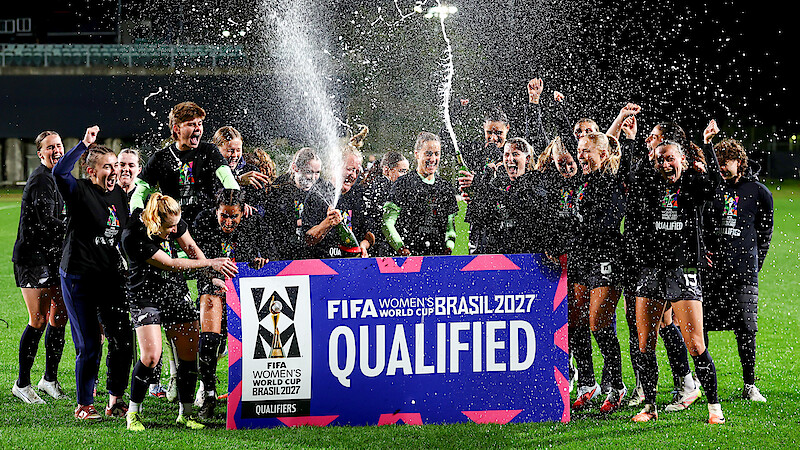
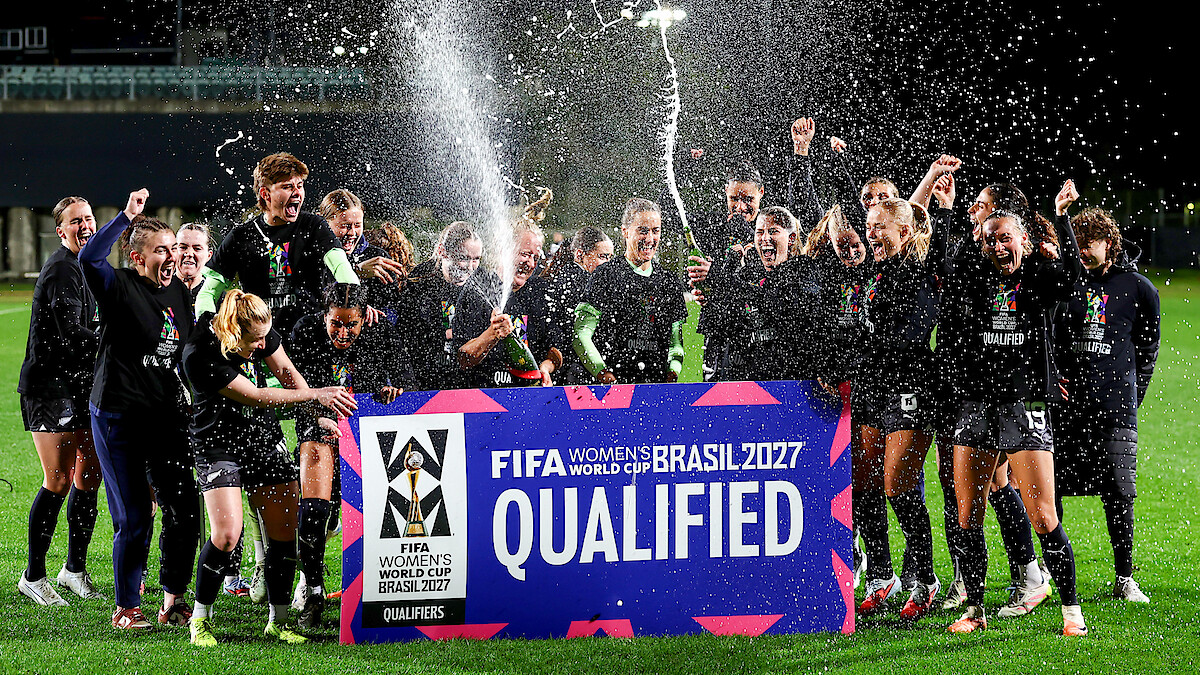
To date, 18 teams have officially qualified for the FIFA Women’s World Cup 2027, including host nation Brazil, as well as Argentina, Australia, China, Colombia, Denmark, France, Germany, Japan, New Zealand, North Korea, Philippines, South Korea, Algeria, Morroco, Cameroon, Malawi, and defending champion Spain.
Ultimately, 32 nations will compete in the tournament. See more information on the qualified teams here.
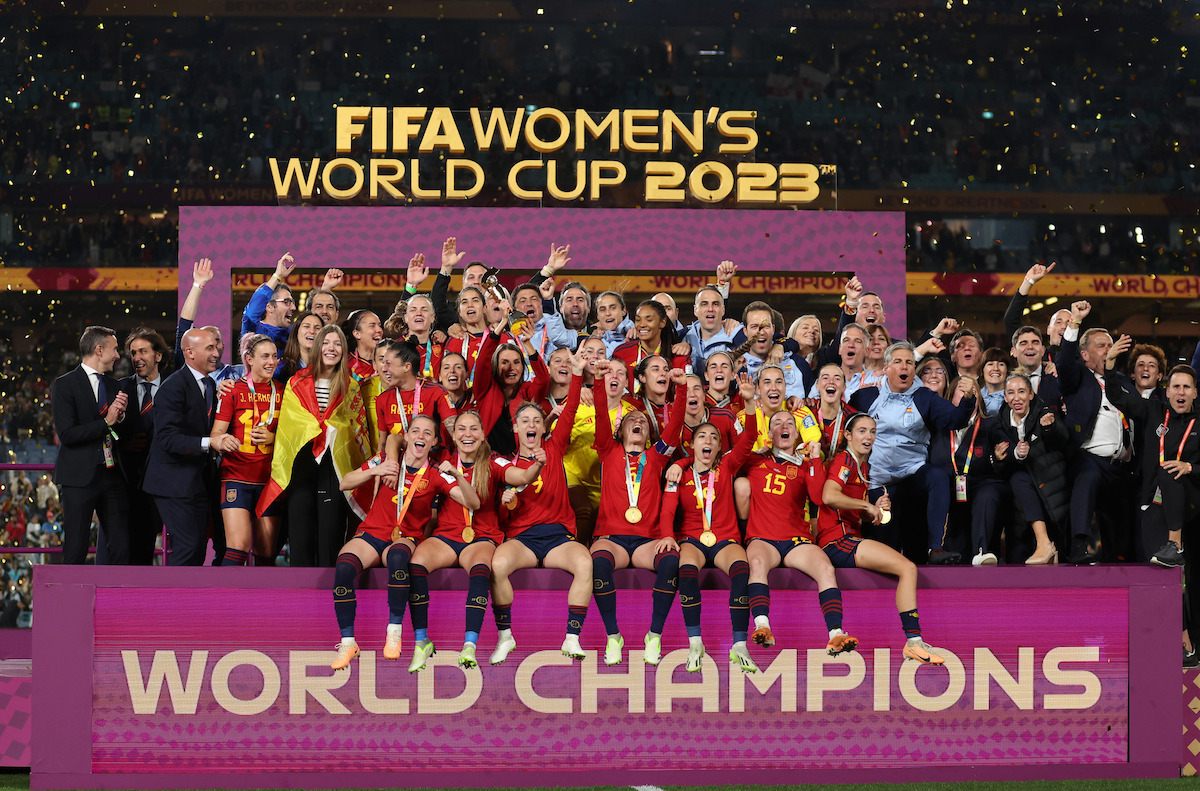
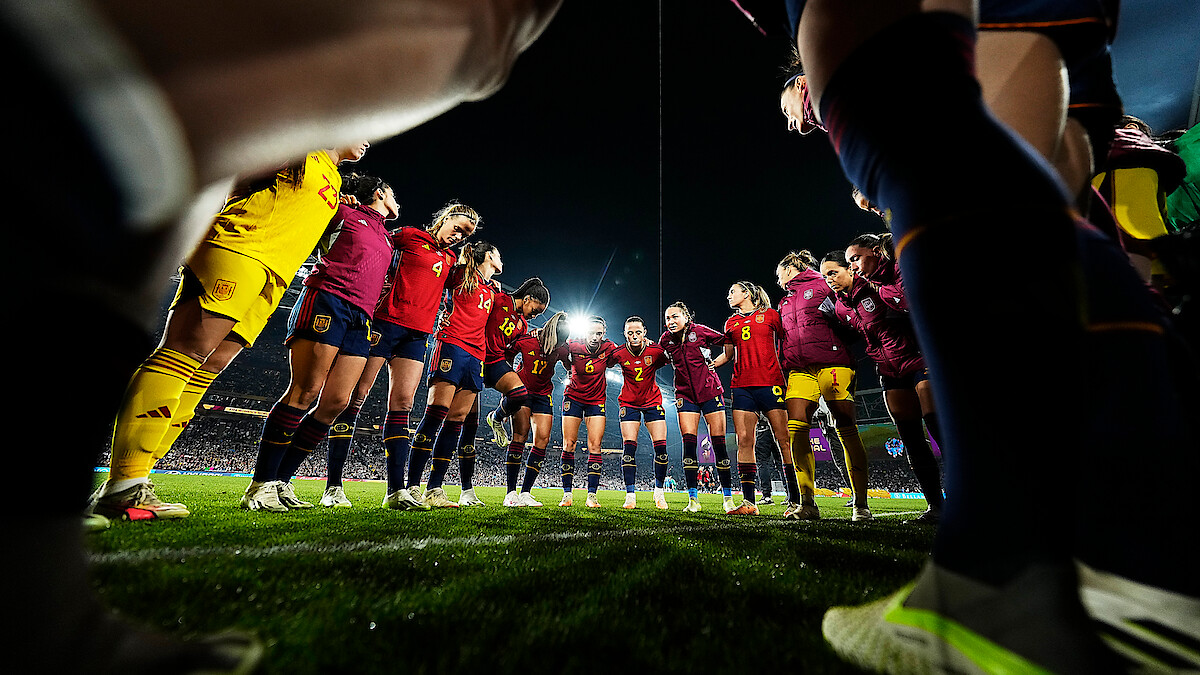
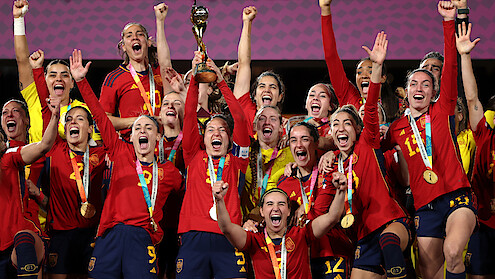
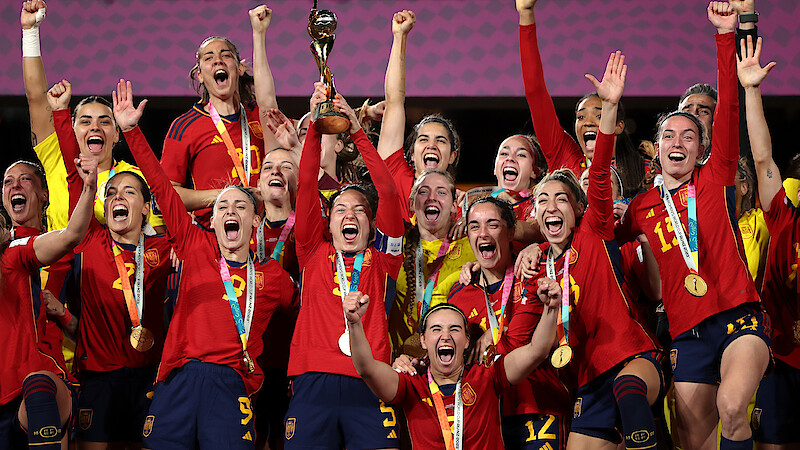
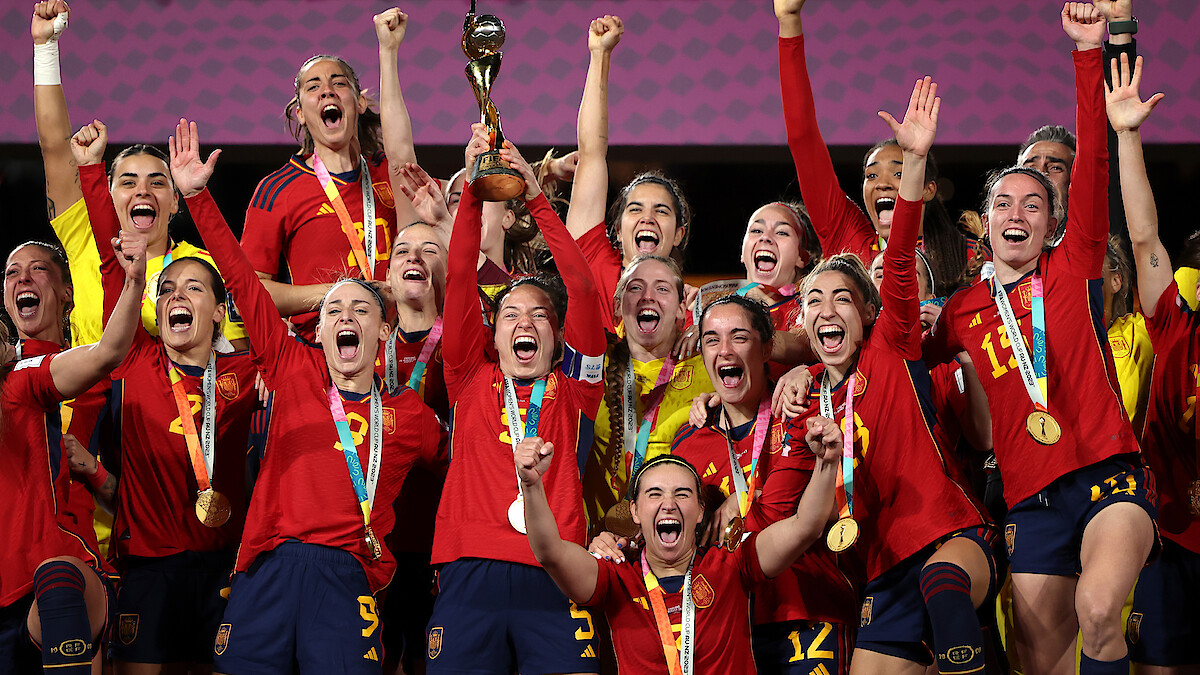
Spain celebrates its 2023 FIFA Women’s World Cup title after defeating England in the final at Stadium Australia in Sydney on Aug. 20, 2023, with Queen Letizia lifting the trophy alongside the team.
Long before the FIFA Women’s World Cup arrives in Brazil, the story was already being written by the players who carried the game when the crowds were smaller, the resources were thinner, and the idea of a global stage for women’s football had to be fought for.
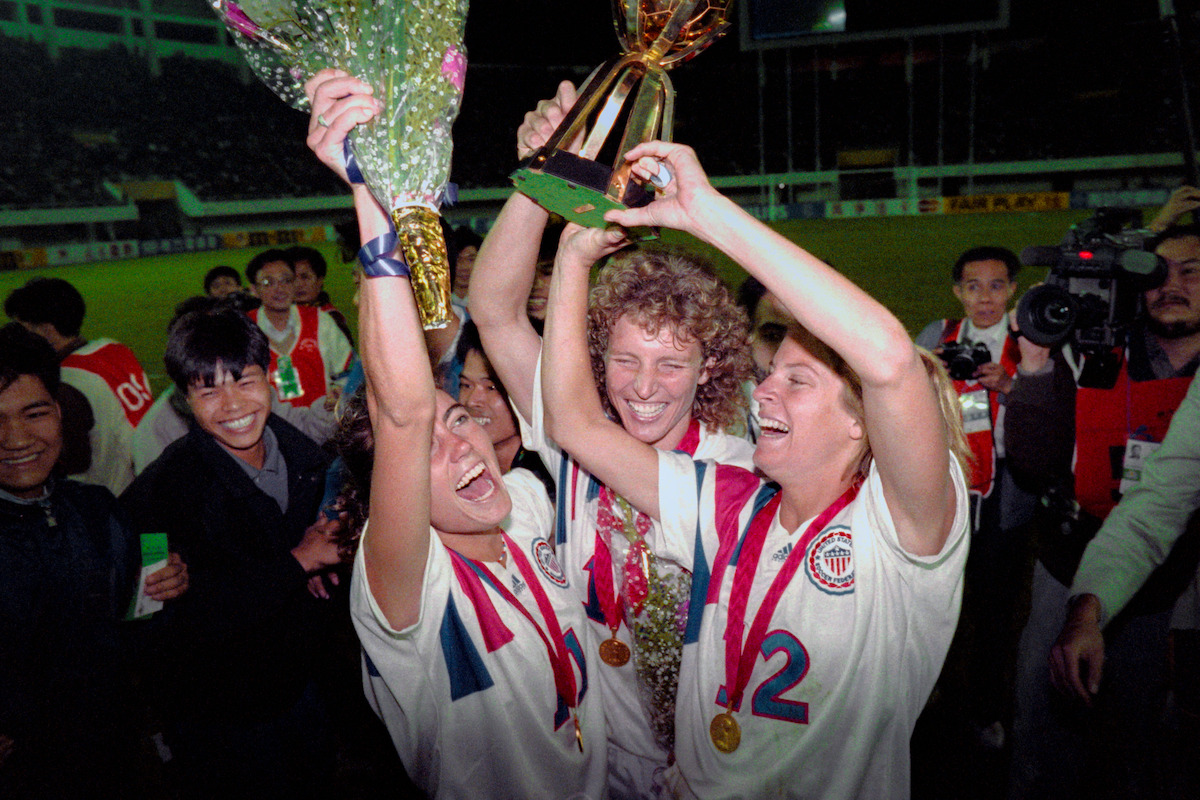
Michelle Akers celebrates with teammates Julie Foudy and Carin Jennings after scoring twice to lead the United States past Norway, 2-1, in the first FIFA Women’s World Championship final on Nov. 30, 1991. The tournament that would later become known as the FIFA Women’s World Cup.
The first FIFA Women’s World Cup was played in 1991 with 12 national teams. By 1999, the tournament had become a cultural flashpoint in the United States, with a generation of players helping turn women’s football into appointment viewing. In 2027, the tournament expands its reach again: 32 nations, 64 matches, eight host cities across Brazil, and every match streaming live on Netflix in the US and Canada.
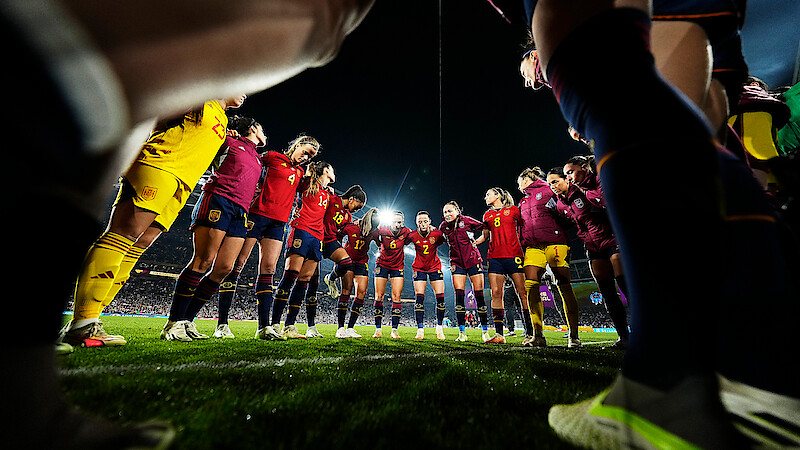
The last FIFA Women’s World Cup belonged to Spain. In 2023, La Roja defeated England 1–0 in Sydney to win the tournament for the first time, turning a golden generation into world champions. Their victory reshaped the global women’s soccer conversation, and makes Spain one of the defining teams to watch when the FIFA Women’s World Cup returns in 2027.
For the players who helped build the tournament’s foundation, the road to Brazil represents more than another edition of the World Cup. It is a measure of how far the women’s game has traveled — and how much bigger its future can still become.
The countdown is officially on. On June 24, 2027, the FIFA Women’s World Cup begins in Brazil — and every match will stream live on Netflix in the US and Canada.
The world’s top women’s national teams will compete for football’s biggest prize, bringing together players and fans from every corner of the globe.
Across group play, knockout rounds, and the final, one month of football will decide which country’s team lifts the trophy.
From the opening match to the championship final, the tournament unfolds across a full month of live competition, national pride, and global attention.
For the first time ever, the FIFA Women’s World Cup will be hosted in South America — arriving in Brazil, a country where football is part of the culture, the rhythm, and the everyday life of millions.
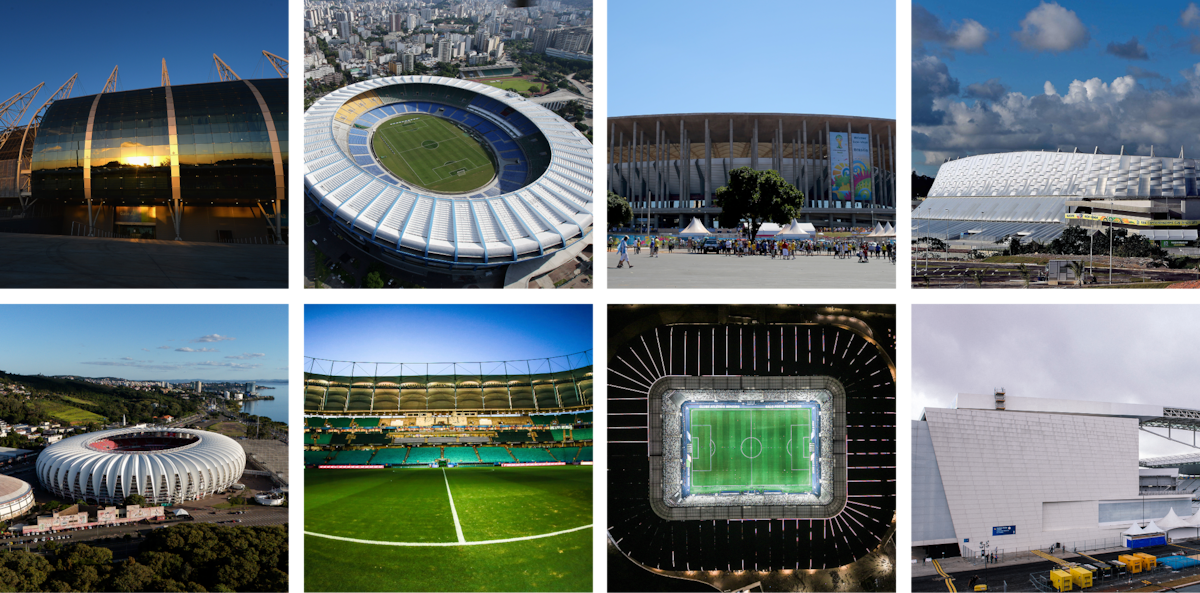
Brazil’s eight host stadiums for the FIFA Women’s World Cup 2027 stretch across the country, from Fortaleza and Recife to Rio de Janeiro and São Paulo. The tournament, taking place June 24 through July 25, 2027, will be the first FIFA Women’s World Cup held in South America, with matches set for Belo Horizonte, Brasília, Fortaleza, Porto Alegre, Recife, Rio de Janeiro, Salvador, and São Paulo.
Teams will qualify from every region of the world, making the tournament a truly global stage for the women’s game.
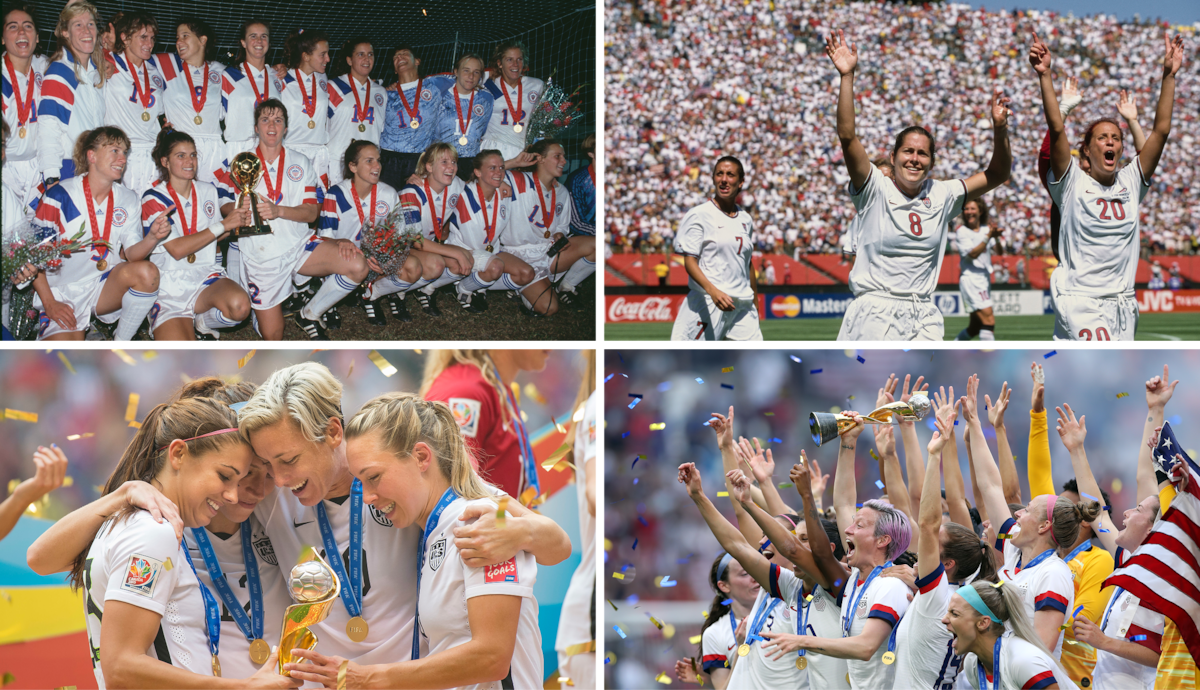
The United States is the winningest nation in FIFA Women’s World Cup history with a record four titles (1991, 1999, 2015, and 2019).
The matches are only the beginning. Fans can expect live coverage on Netflix, along with studio programming, commentary, and storytelling that will bring them closer to the players, teams, and moments shaping the tournament.
The first-ever FIFA Women’s World Cup was held with 12 national teams competing for the title. More than three decades later, the tournament has grown into one of the biggest global sporting events in the world.
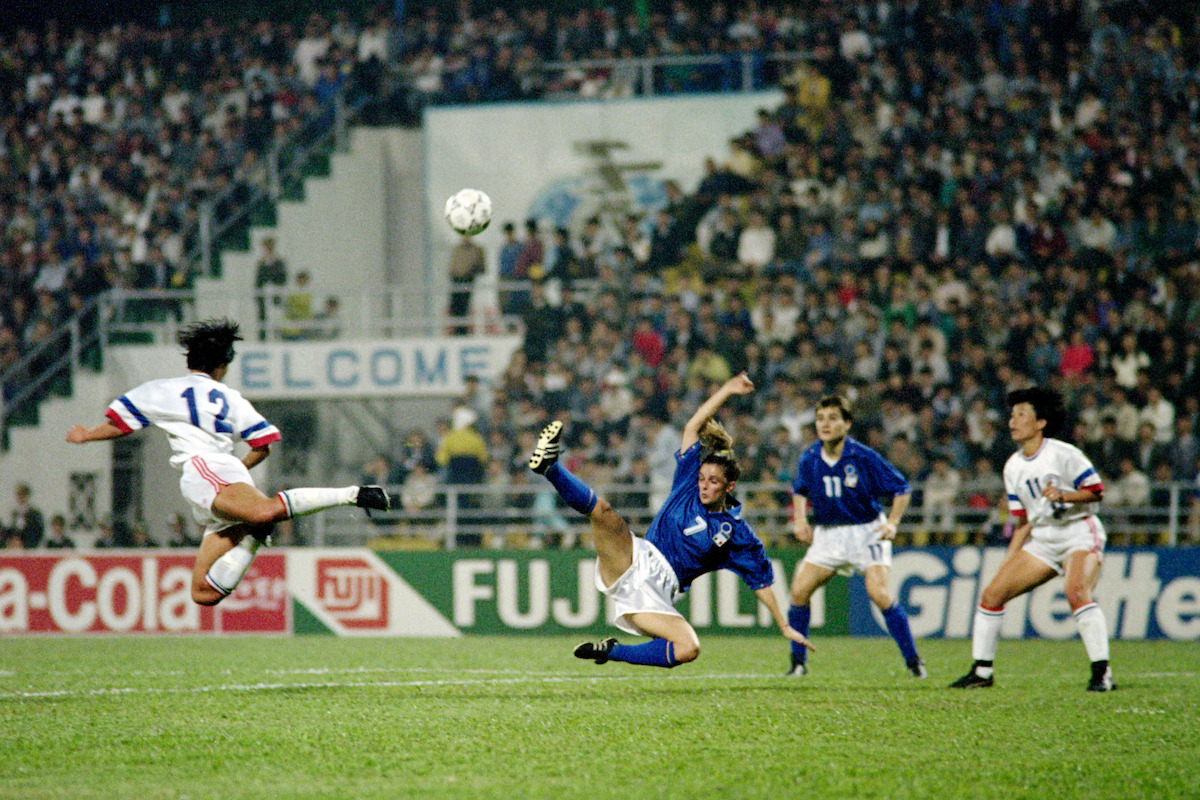
Taipei’s Lan Lan-Fen and Italy’s Silvia Fiorini challenge for the ball during a Group C match at the first FIFA Women’s World Championship in Jiangmen, China, on Nov. 17, 1991. Italy won the match 5-0, part of a tournament that introduced the world to a new global stage for women’s football.
Next summer, the biggest names in women’s football arrive on Netflix — and the road to Brazil starts now.