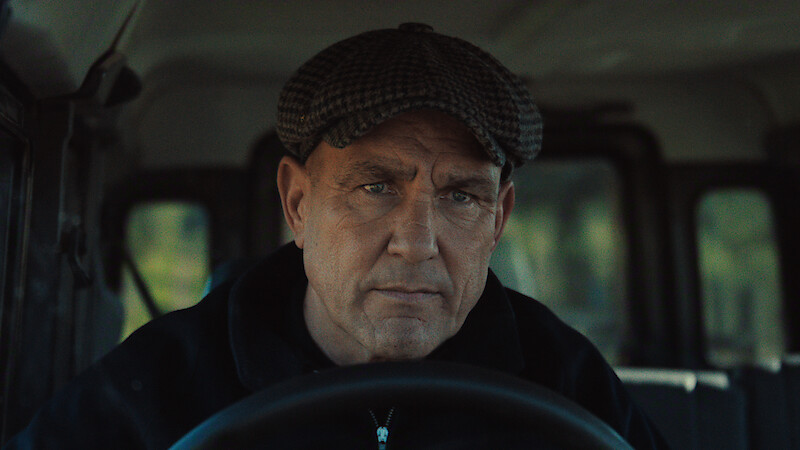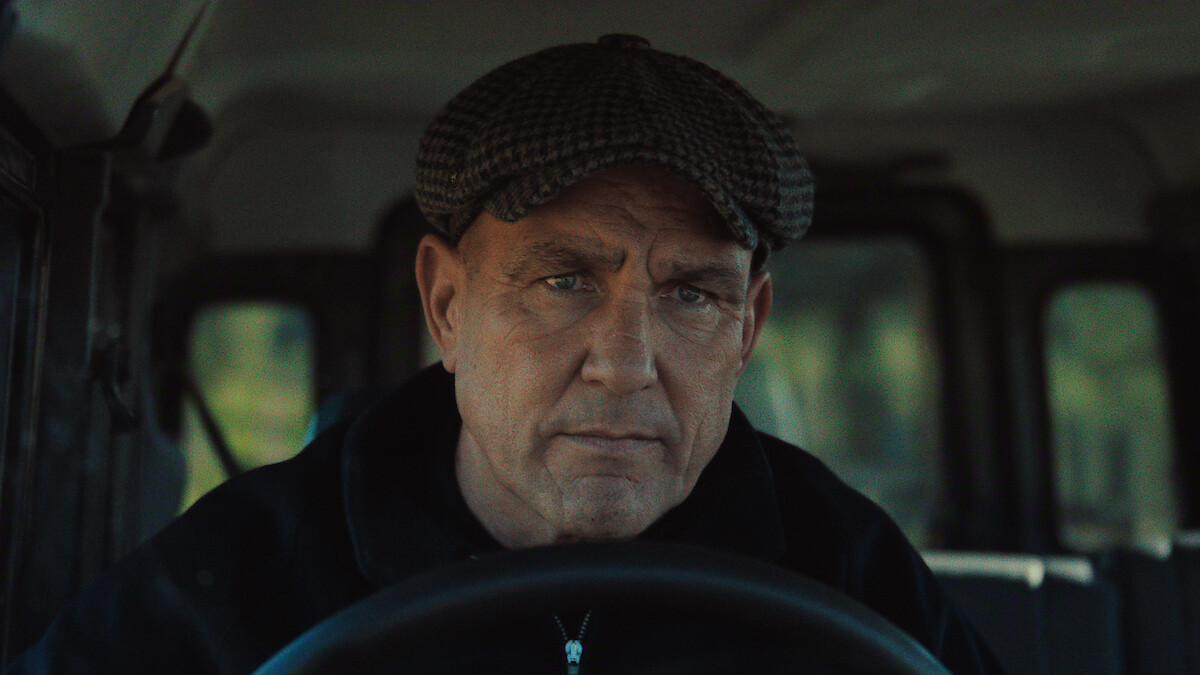
The star and showrunner Kyle Killen unpack the season’s climax.
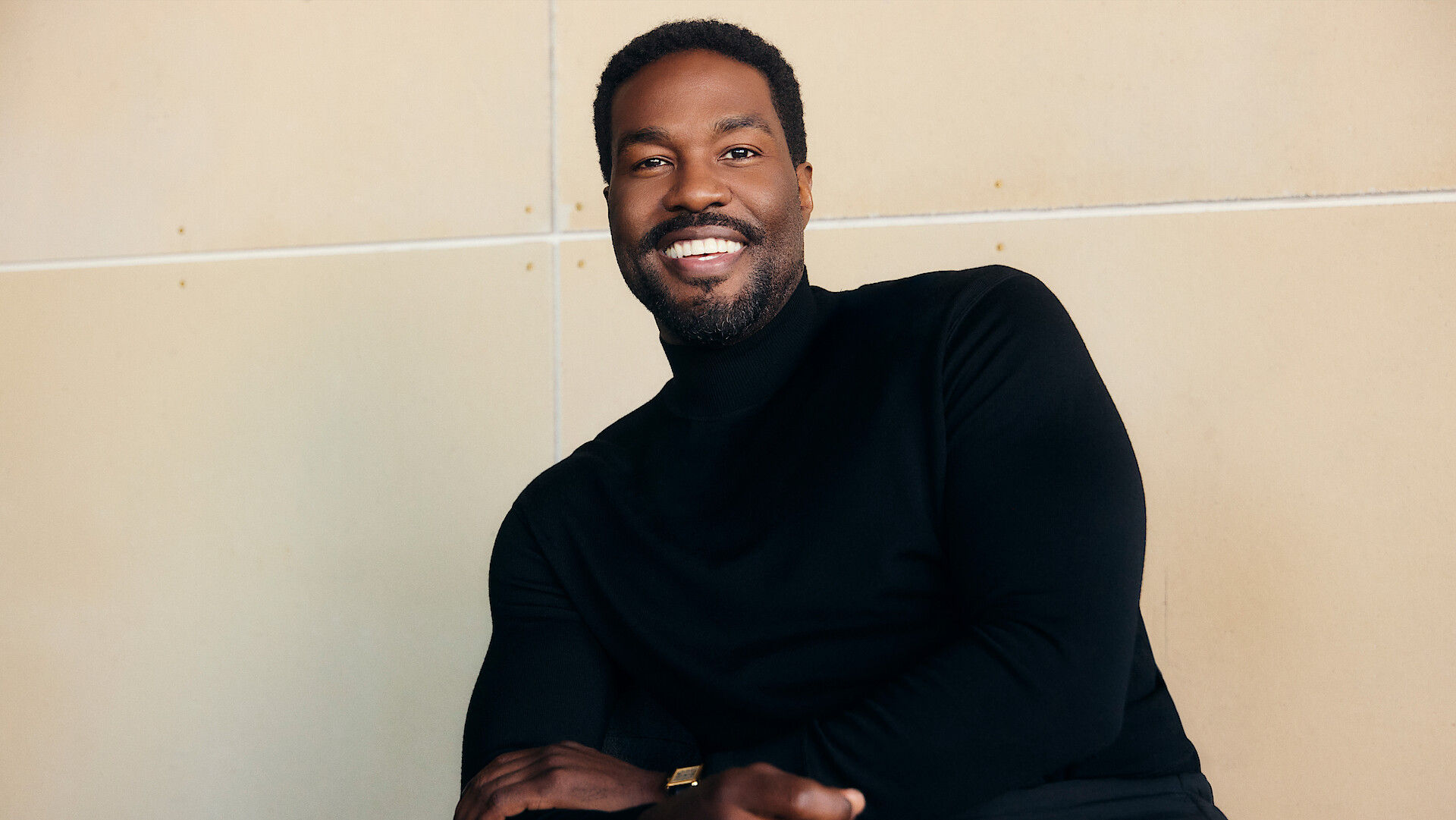
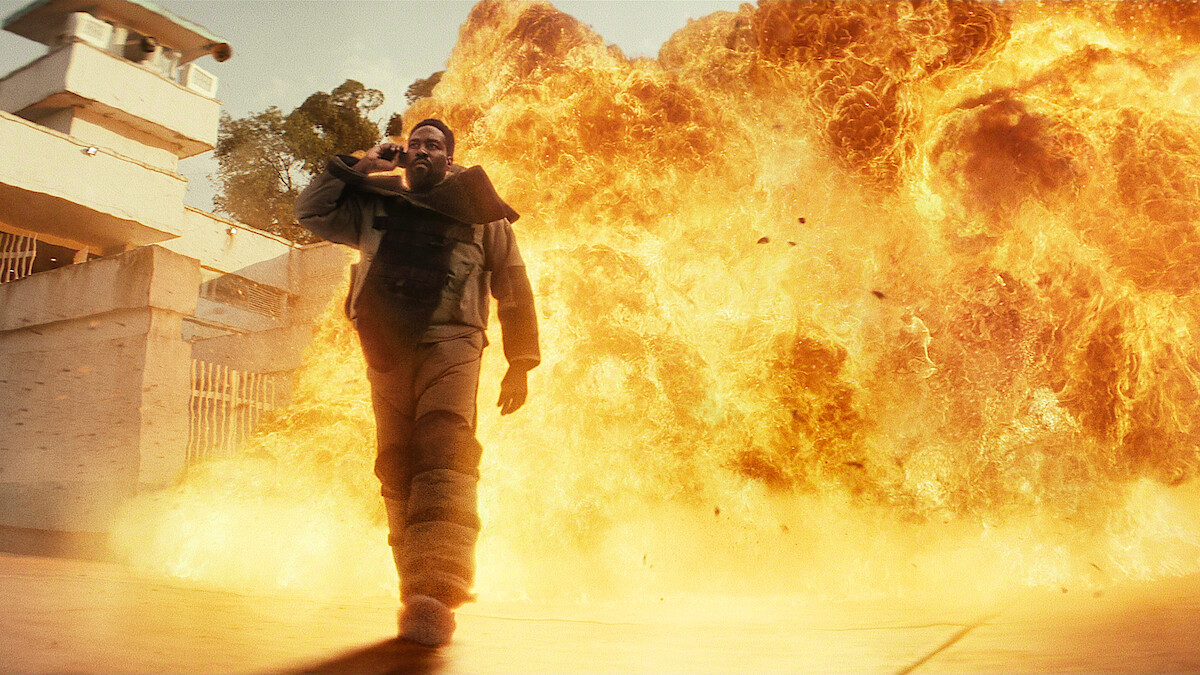
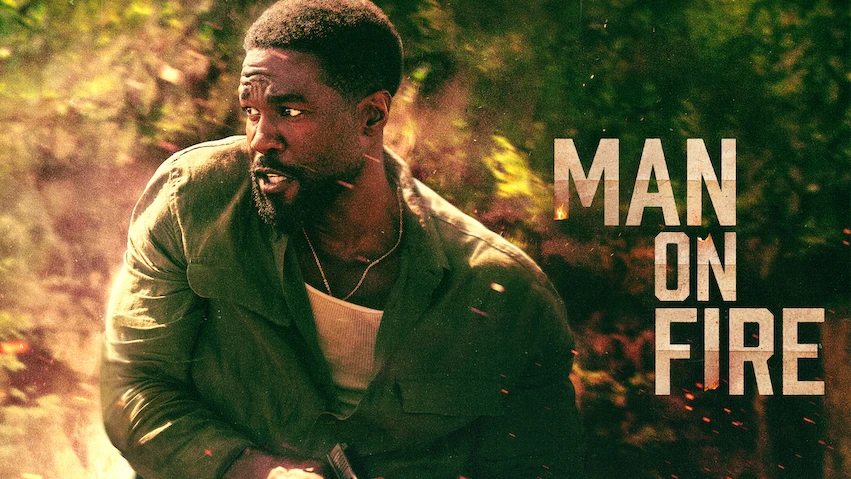
The star of Man on Fire talks kicking ass, taking names, and filling the shoes of John Creasy.
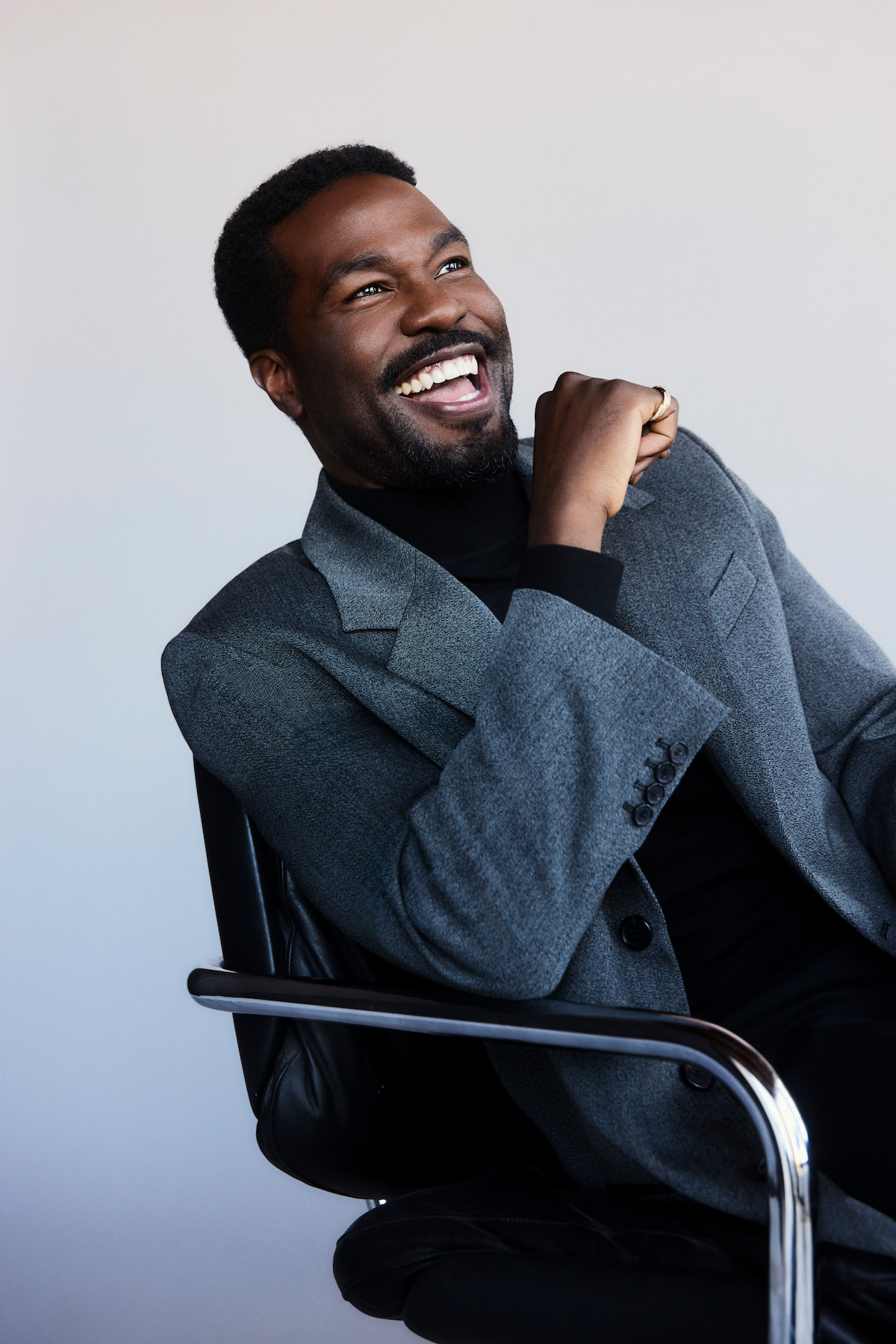
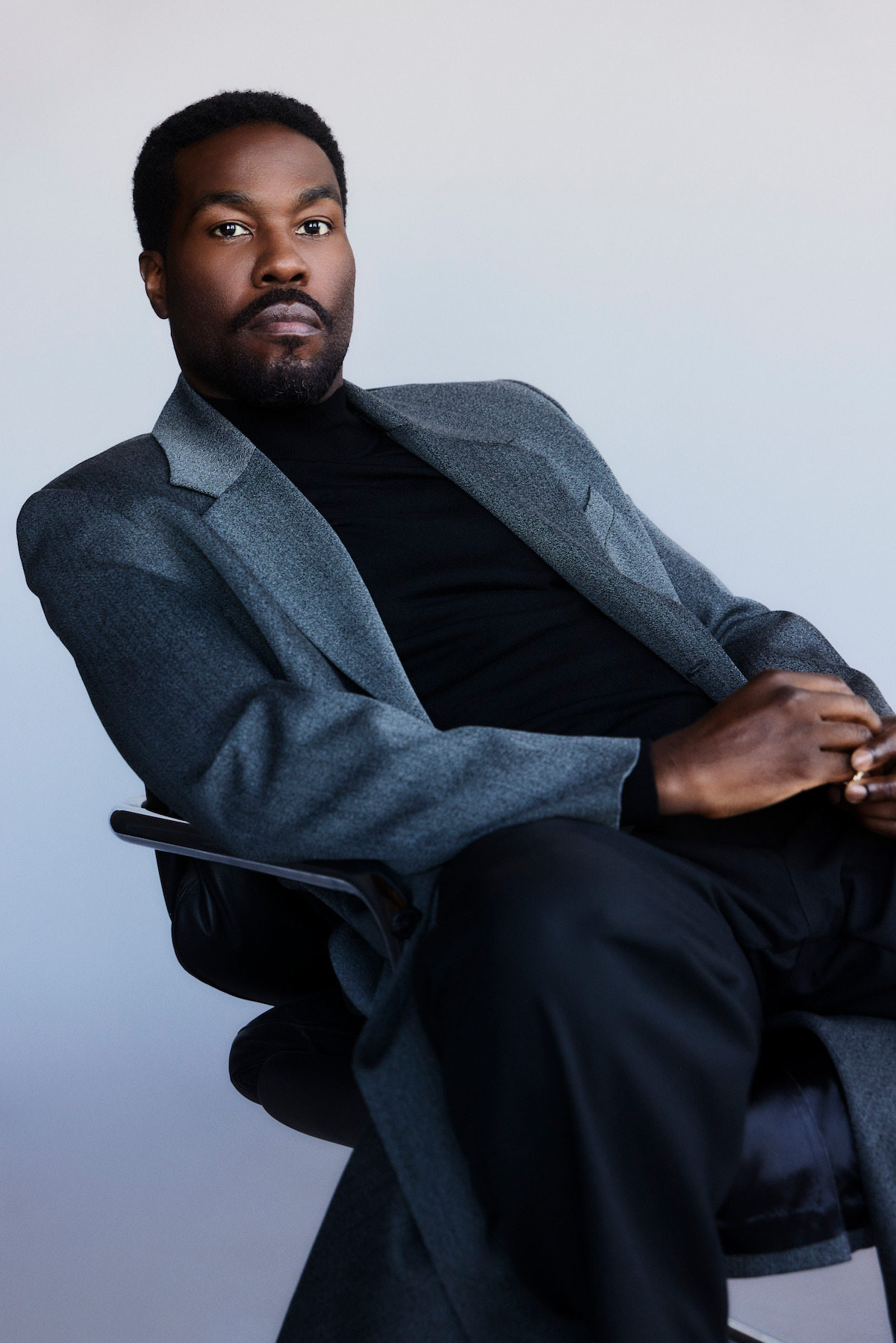
Yahya Abdul-Mateen II is no stranger to a difficult assignment.
In the 10 years since he made his screen debut in Baz Luhrmann’s The Get Down, the 39-year-old Yale Drama alum has taken on every challenge put his way. Hunt down Aquaman as his archenemy Black Manta? No problem. Fill the shoes of Laurence Fishburne’s Morpheus in The Matrix Resurrections? Anytime, anyplace. Play Alan Moore’s omniscient Dr. Manhattan in HBO’s Watchmen? He won a Primetime Emmy.
But in his new series, Man on Fire, Abdul-Mateen was looking for something else. “It was really a combination of the scripts [writer and showrunner] Kyle Killen wrote and the opportunity to get into something that was different from the last job I had done,” he tells Tudum. Man on Fire’s gritty story of violent revenge and personal redemption is 180 degrees from that last gig, Marvel’s peppy Hollywood comedy series Wonder Man. Abdul-Mateen jumped at the opportunity to shake things up.
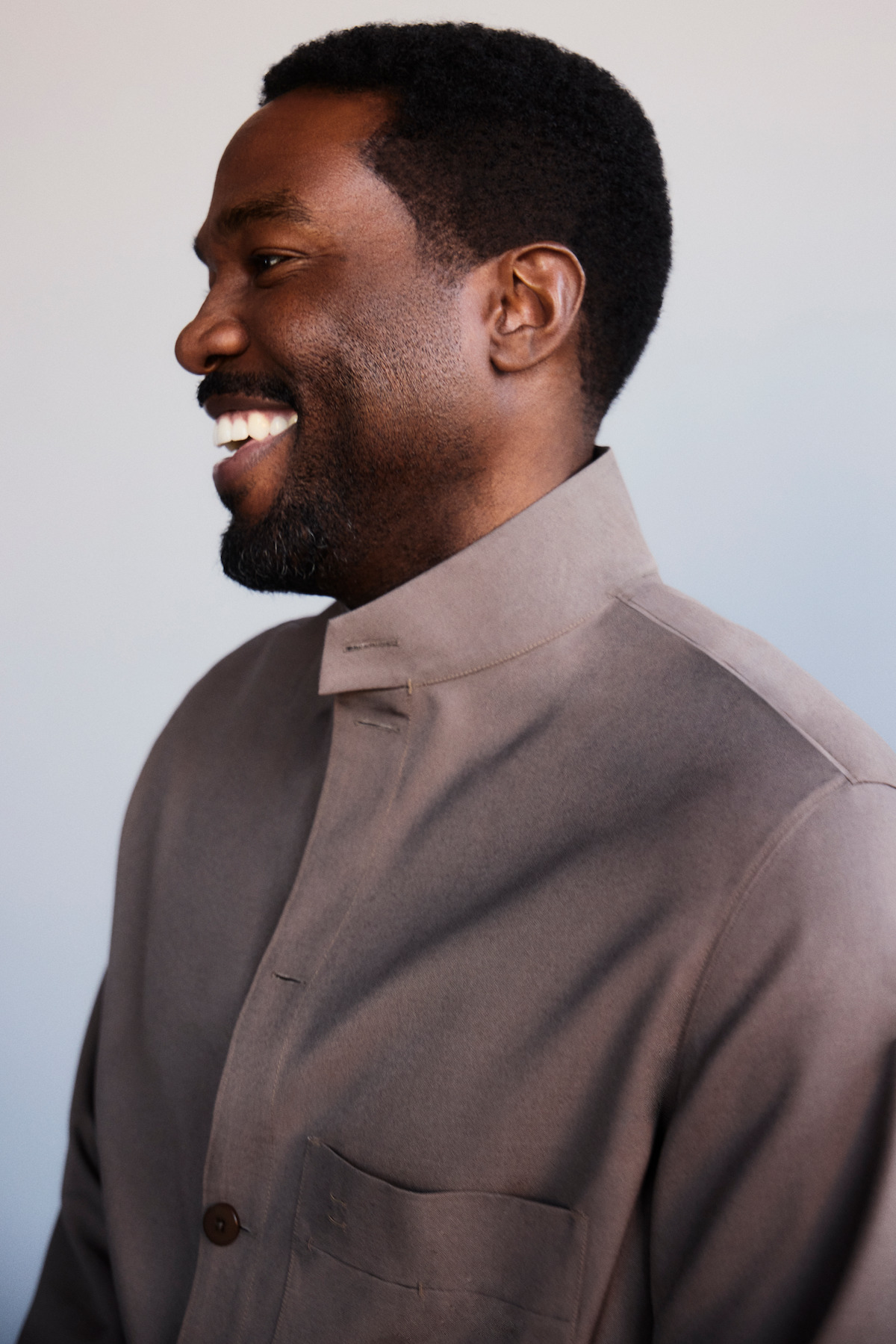
Man on Fire comes with its own set of expectations; the Tony Scott–directed 2004 film starring Denzel Washington as John Creasy remains beloved. While both the film and series are loosely based on A.J. Quinnell’s 1980 novel, they share less in common than you might think. “There are iconic pieces of it that we wanted to make clear we were aware of and we wanted to touch on and put our own spin on,” Killen tells Tudum. “But ultimately, we also wanted people to feel like this was a new story, a new character, a new John Creasy — and that we had made it our own.”
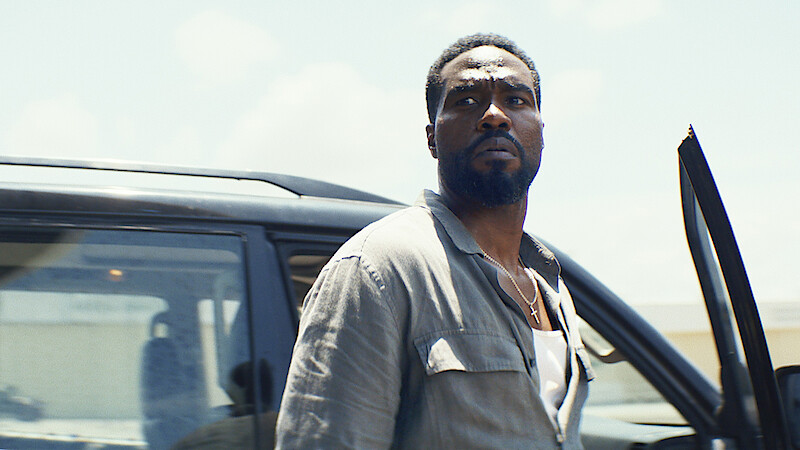
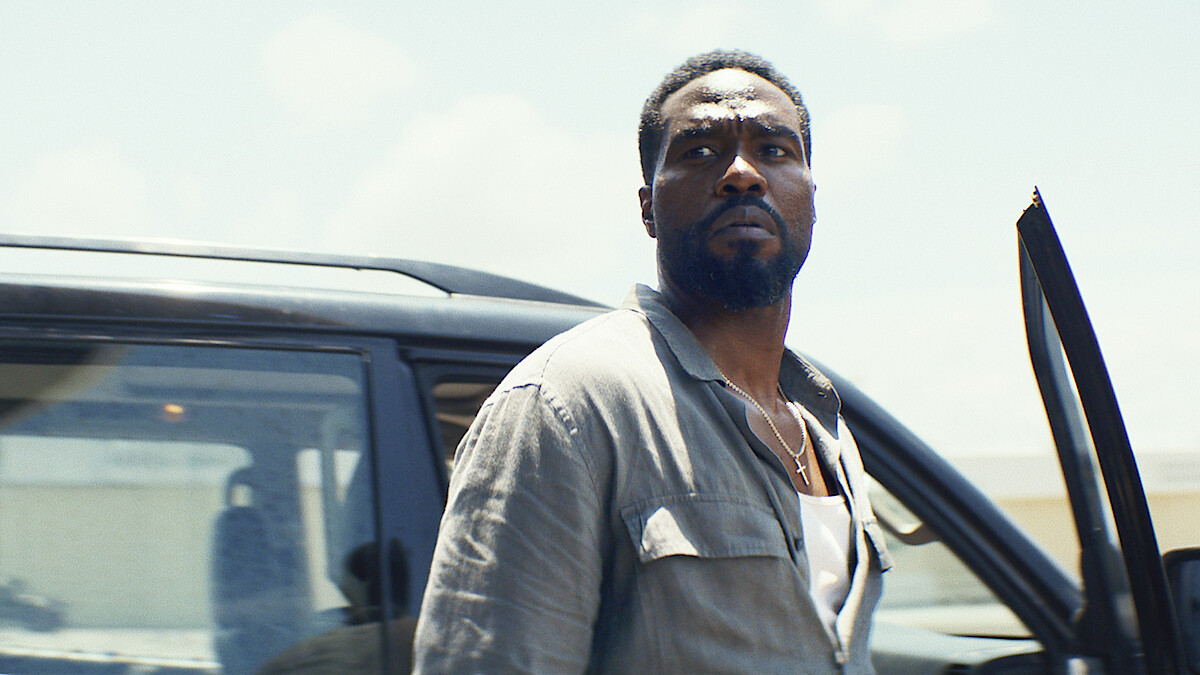
For Abdul-Mateen, taking on the role of military veteran and unlikely protector Creasy meant finding his own way in. “What I said is, ‘If I’m going to find a reason to do it, then it has to be personal, and it has to mean something to me,’ ” Abdul-Mateen says. “That was the task for me. It’s more liberating to think about what’s exciting for me than to try to fill someone’s shoes, especially someone who’s as legendary as Denzel.”
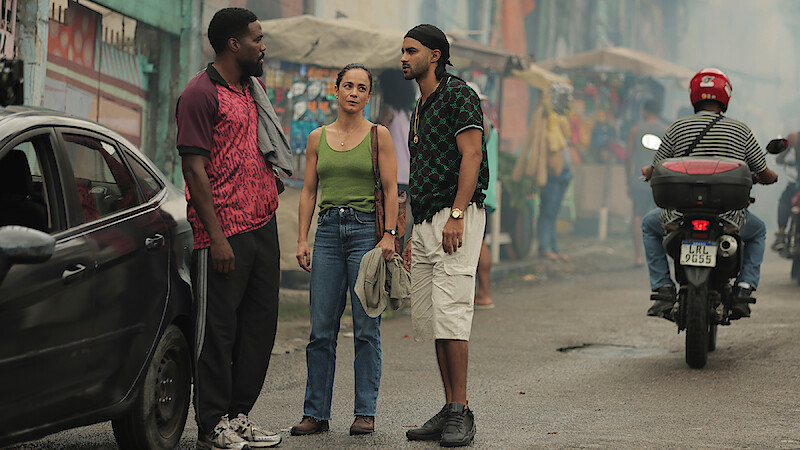
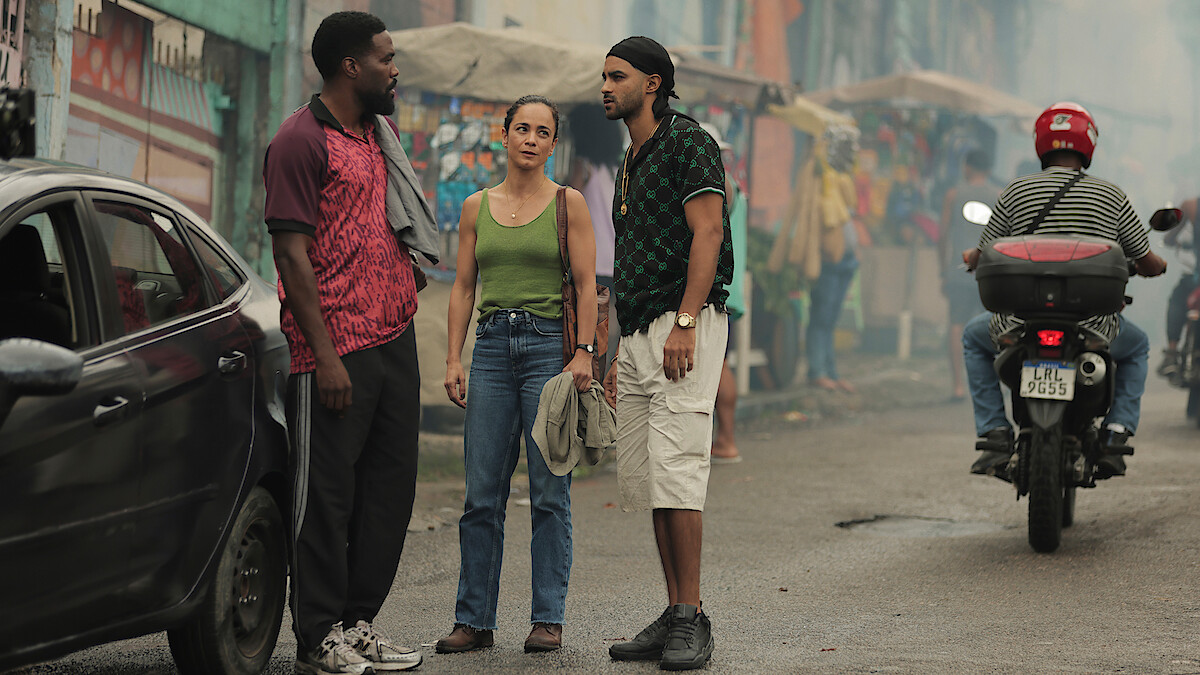
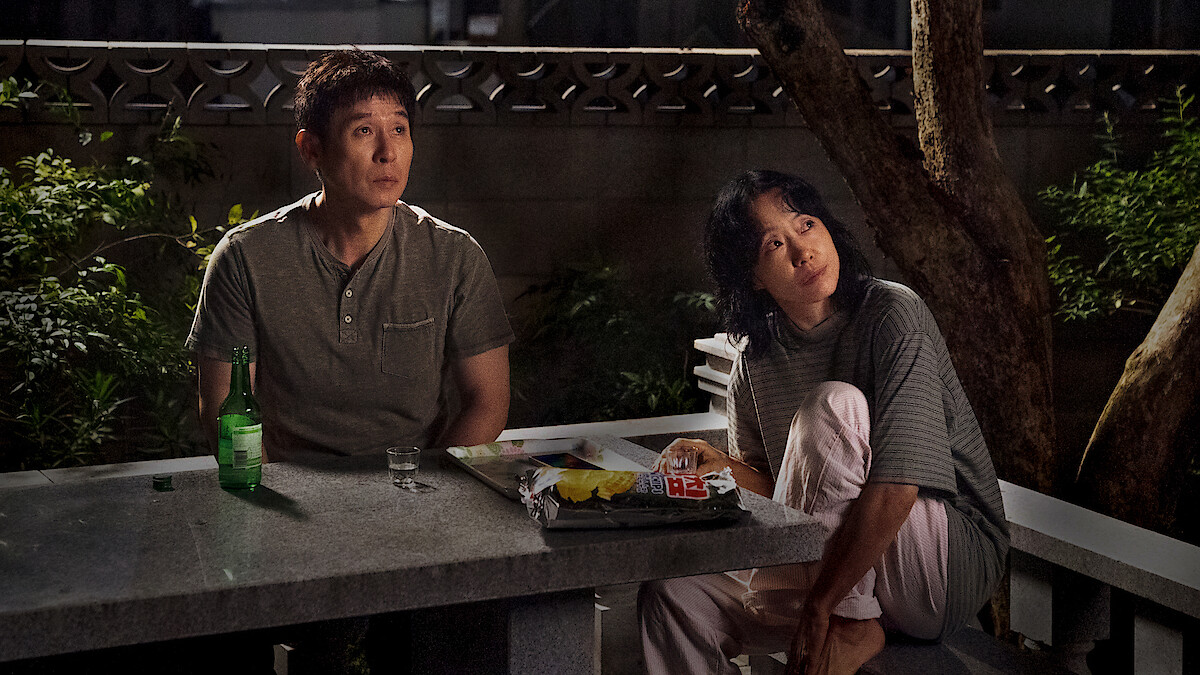
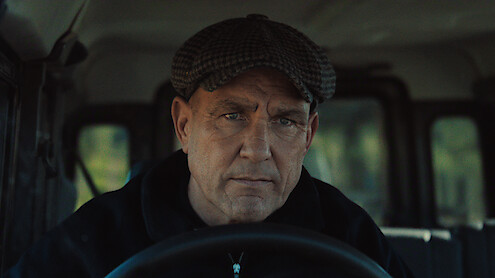
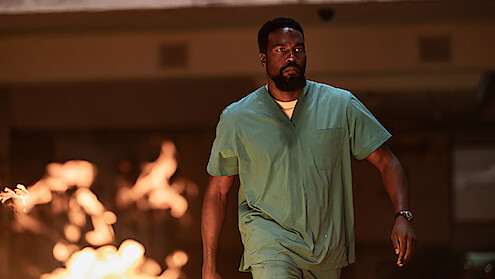
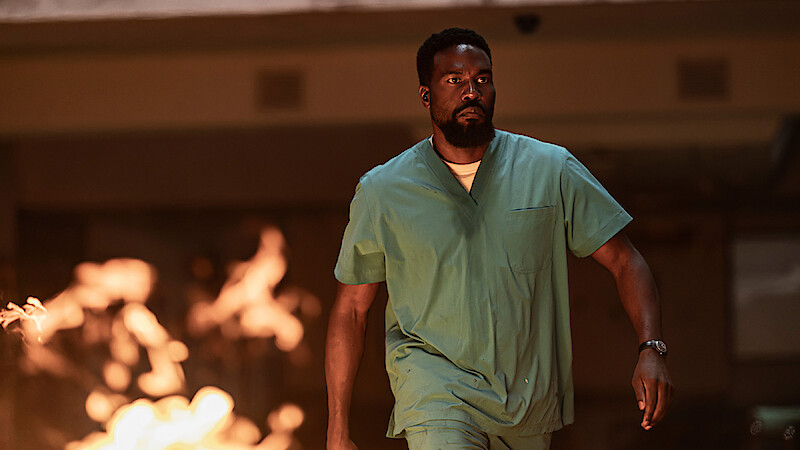
Abdul-Mateen’s Creasy is a deadly operator, but his skills come at a serious cost. After losing his entire team in Mexico City, Creasy is left adrift, racked with PTSD — until his old friend Paul Rayburn (Bobby Cannavale) invites him to join a security team in Brazil. But when tragedy strikes yet again, Creasy is forced to take on a new role: caretaker to Rayburn’s daughter, Poe (Billie Boullet).
“They’re finding each other,” Abdul-Mateen says. “It’s built on trust. It’s built on the words that are not said, in between the lines. Ultimately, they both needed something from each other: Creasy really needed a friend, and Poe needed someone who felt like family.”
Abdul-Mateen spoke to Krista Smith on Skip Intro and to Tudum about building that relationship, training for the role, and much more.
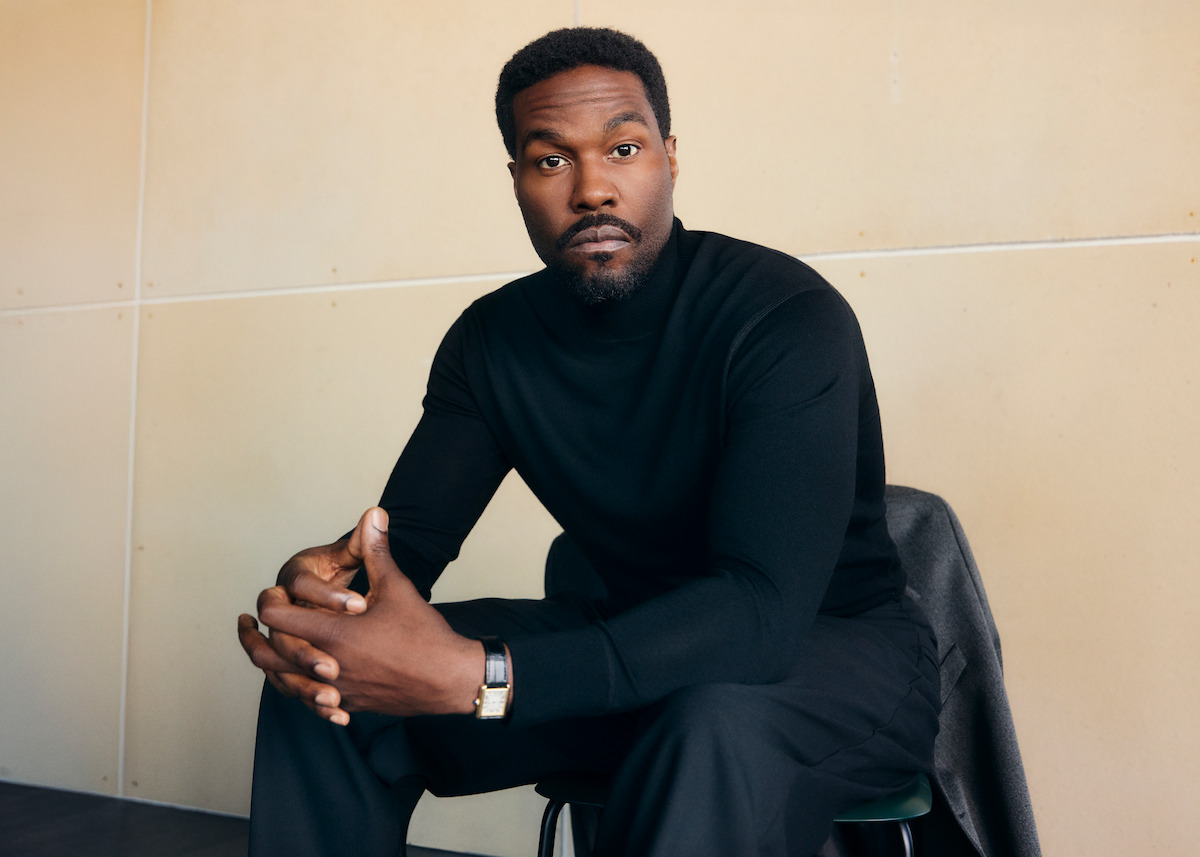
You’re fresh off of Marvel’s Wonder Man series, a very different project than this one. What led you to Man on Fire?
Yahya Abdul-Mateen II: I had been on this tear of just working for years straight and being a nomad, and I was tired. I trusted myself enough to back up and sort of disappear for a little while and say, “You know what? I gotta listen to the voice inside and respectfully say I don’t think it’s gonna be best for me or for the life of the project to be a part of this. I really need a break.” And I did that. I said no to everything for about seven or eight months, and then I got the opportunity to do a play called Topdog/Underdog, and I got to go and do my dream role.
It reenergized me. It sharpened my onstage tools that I hadn’t used since drama school in 2015. While I was doing the play, I got a phone call to do this Wonder Man show about an aspiring actor who needed one person to see him, to give him a chance. Here I am, I’m doing theater, and I found myself on the stage because I was tired and burnt out. And one thing just led right into the other, and I found myself doing Wonder Man and had a fantastic experience.
It was because of all the colors I got to show with Wonder Man that I felt comfortable saying yes to Creasy and Man on Fire. Because I said, “Oh, these two guys, we won’t ever see them in the same room.” I thought it was important for people to see me laugh and smile and be silly and show some personality, because sometimes in my regular life and even in my work, I can present in a stoic manner.
What’s it like coming back to Netflix 10 years after your screen debut in Baz Luhrmann’s The Get Down?
Abdul-Mateen: Netflix has been a home for me and my personal artistic development since the beginning. I’m glad to see that they’ve only grown and that I’m continuing to grow too.
[The Get Down was] my first job, yeah. I was, like, 10 days out of school when I was filming that first big disco scene. In terms of being on set and what that’s like, I didn’t know anything. But I knew that I had some hard skills that I could rely on. And I had the support of Baz really holding me down. I say it every single time I talk about him: He shot me like a star. He shot me like a star, and people believed it. It was a phenomenal first experience.
John Creasy has been portrayed before, by Denzel Washington. This is a different take, but what was it like stepping into his shoes?
Abdul-Mateen: I never thought about it as stepping into Denzel’s shoes. I read this and I had to find a reason to do it, particularly because it had been done and done so well. What I said is, “If I’m going to find a reason to do it, then it has to be personal, and it has to mean something to me.” And I did that with so much admiration for the soulful things that Denzel found in his exploration of the character. That was the task for me. It’s more liberating to think about what’s exciting for me than to try to fill someone’s shoes, especially someone as legendary as Denzel. He hasn’t gone anywhere. He’s still around. He’s still working, and I had to find my own personal way in.
I became sort of obsessed about what it would look like if I played it as if it was real and not as if it was an action piece. What would it look like if this was the reality of a person’s life? He’s a son out in the world by himself who has found a family through his line of service — and he’s responsible as the head of that family, and then everybody is wiped out, and it’s made to seem like it’s his fault. Boom, that throws this guy into grief and fear and doubt for one of the first times in his life.
Creasy spends much of the season coping with post-traumatic stress disorder. What was that like to play?
Abdul-Mateen: What I found in Creasy was a guy who had been hurt. He lost some comrades in the field who he was supposed to be responsible for, and what that has left him with is a fear of opening up, a fear of getting close to someone and experiencing that hurt again. That’s something I did relate to. His trauma is such that he’s afraid to make friends. He’s afraid to be vulnerable, and that’s kept him in the same place for a very long time.
It’s crippling to him, and that began to be the journey Creasy has to overcome over the course of the series. Creasy has no problems helping someone else, but when it comes to saying yes, allowing himself to be helped, that’s when we see him really struggle. And sometimes that struggle even manifests in a physical way to the point where he can’t think straight, or his senses get a bit unsteady. All those things point to how deeply he did care for the people he lost — and also the courage [it takes] to try to build himself back up. That’s really the journey that I took Creasy on.
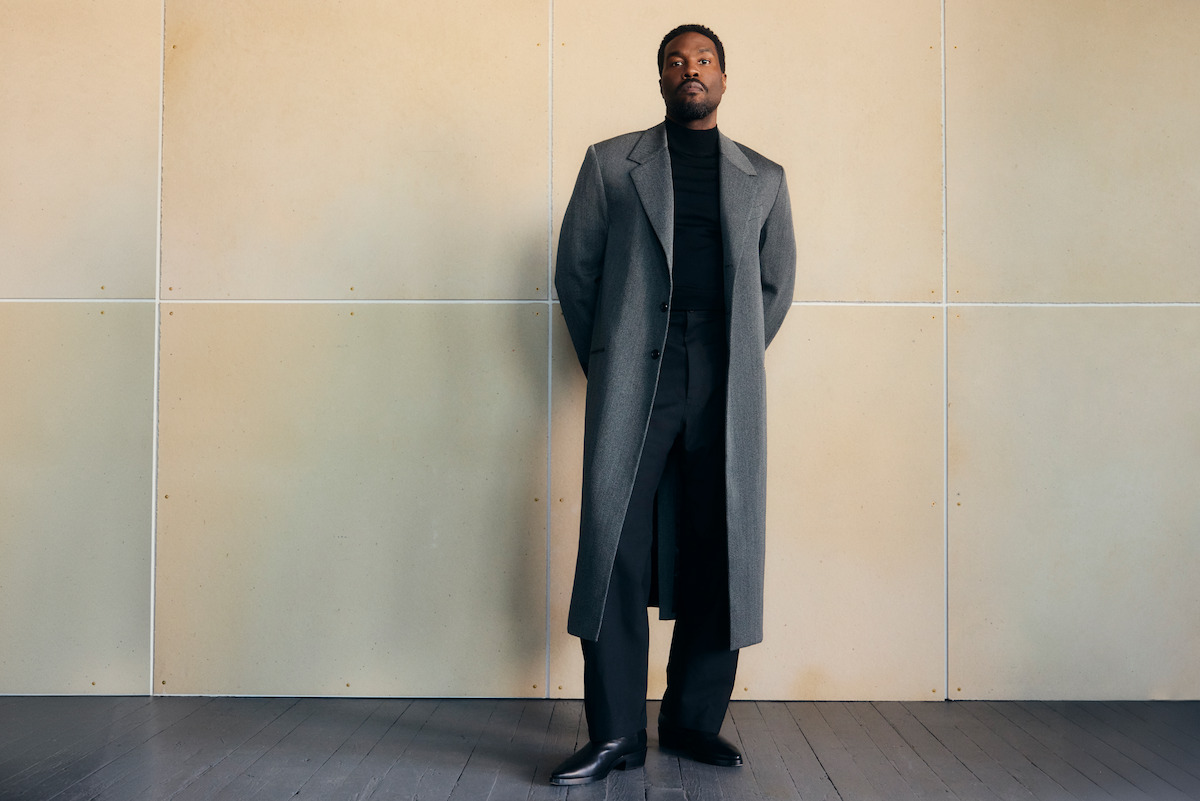
The physical aspect of your performance aligns with Creasy’s state of mind. He’s a little rusty at the beginning of the series but gets back into action quickly. How does he readjust to that life?
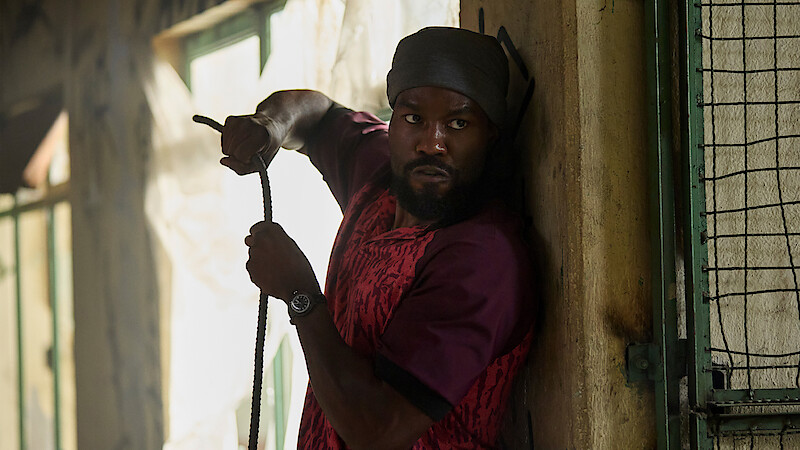
Abdul-Mateen: That was exciting because we knew that Creasy was a man of skill. He knows his way around physical confrontation. He knows his way around weapons, and he’s considered one of the best of the best. The cool thing about this show is we’re not watching someone who’s at the top of their game. We’re watching someone who’s trying to rebuild himself and who has doubts about whether he can still do the thing he’s always done.
At every given moment, once that bag comes off of his head in the first episode and we move forward throughout the rest of the series with Creasy, he’s in over his head and just not prepared. It doesn’t matter about his tactical skills and everything, all of his background on paper — he shouldn’t be there. He definitely shouldn’t be looking after a young teenager. He can’t even take care of himself.
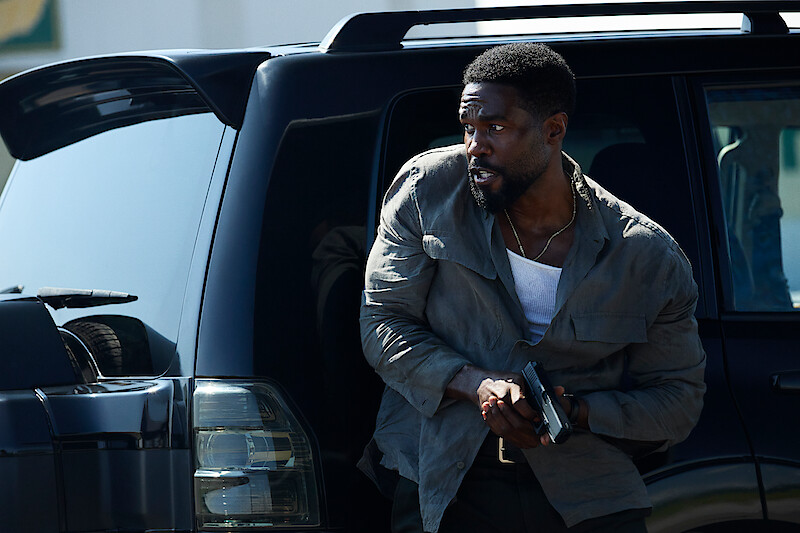
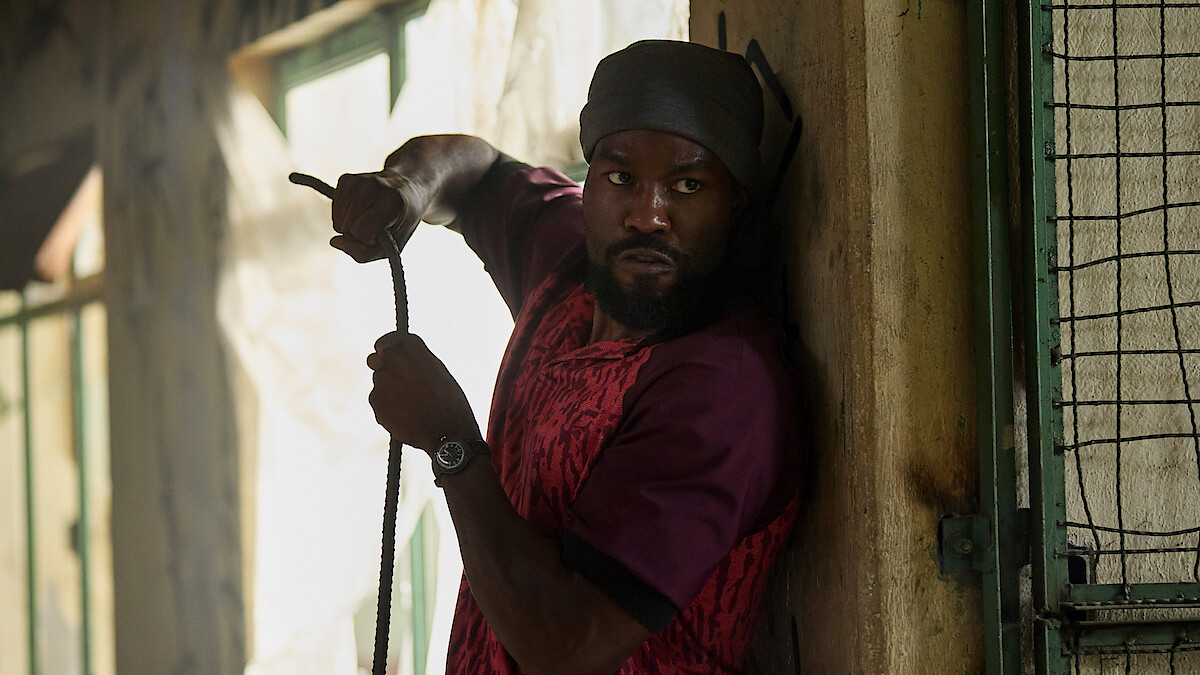
So he has to really dig deep to see what he’s made of, and, ultimately, he does triumph. I think this is really a testament to how skilled he actually is, and it was fun to tell that story in different ways — whether that’s having another drunk fight after the bar, or all of a sudden finding myself riding the adrenaline and flying a plane, or getting into an ambush fight with five guys and still coming out on top like we did in the opening scene. It was fun.
How long did it take you to learn to take apart and reassemble a gun, as Creasy does?
Abdul-Mateen: It was challenging in the sense that, as a semi-perfectionist, I wanted to get it done at the level of perfection. But I think I took to it rather quickly, and I was able to get a good groove and to improve upon it. It was fun. I have videos of me doing it in 12 seconds and then some in 16 seconds, and then we tried it blindfolded, and then I got a little bit better figuring out the best hand positions. I think with a job like this, there’s no reason to add any elements of difficulty to it. I try to approach it and have some fun.
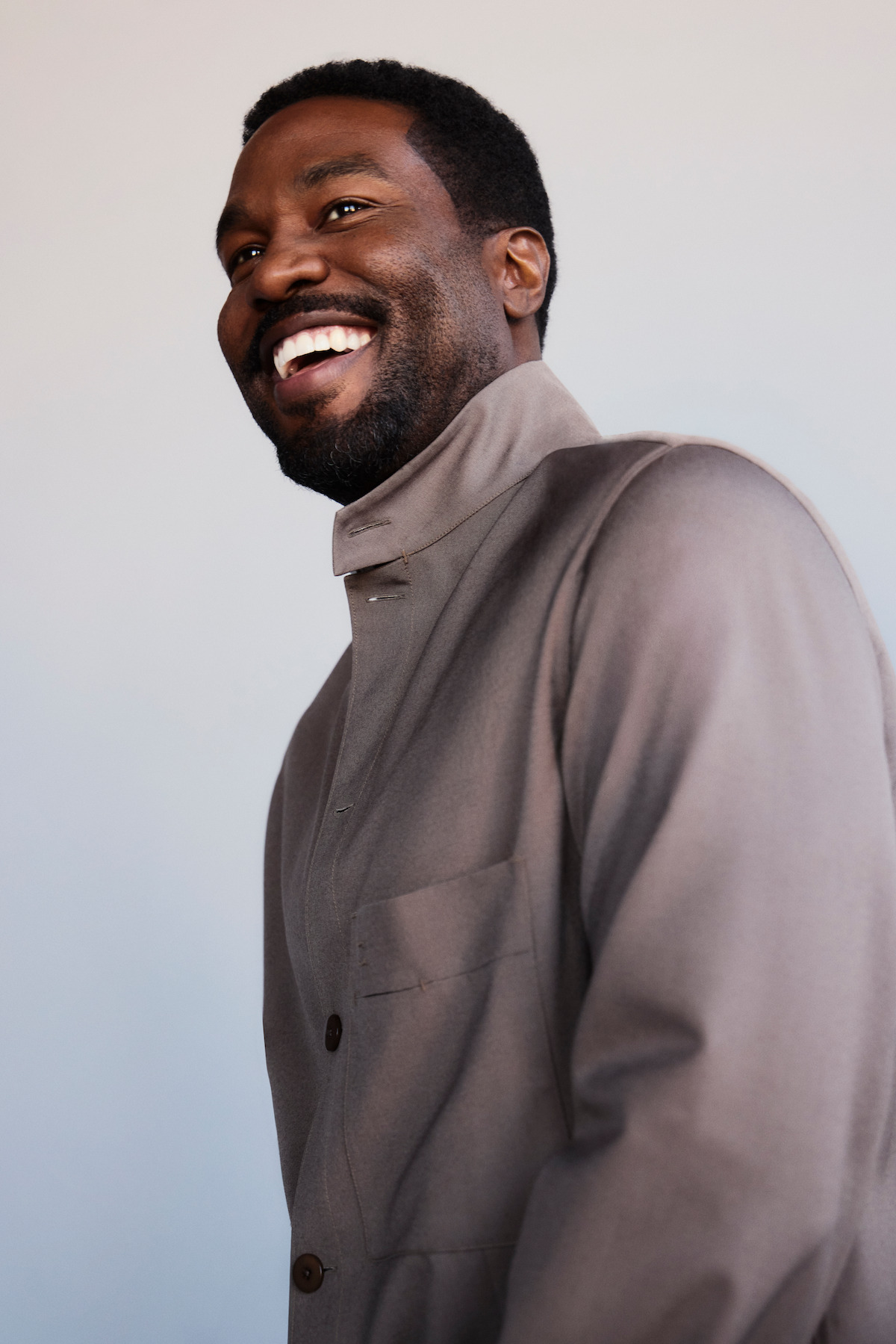
Your relationship with Billie Boullet’s character, Poe, is at the heart of the season. What was it like building that dynamic?
Abdul-Mateen: Billie is just so smart. She was always prepared. She came in, she had really great ideas. She asked all the right questions, the challenging questions, and she was just an excellent scene partner. I enjoyed her way of working, and that’s really what the relationship was built on. It was built on having respect for one another as actors and going in and trying out our different ideas, and I think it shows in the show. You have this relationship with Poe and Creasy. They’re finding each other. It’s built on trust. It’s built on the words that are not said, in between the lines, and I think it’s a beautiful mentor/mentee — essentially a parental — relationship. Ultimately, they both needed something from each other: Creasy really needed a friend, and Poe needed someone who felt like family, and that’s what we were after.
The other relationship Creasy has is with Melo, played by Alice Braga. What was your working relationship like?
Abdul-Mateen: She was another one who came in every day with ideas. The day was never over until it was over, and we were always working, always trying to figure out, “What more can we do with this text? How can we strengthen the relationship?” It always pointed back to the story, and it was a pleasure. We always tried to bring more than what was on the page, and we were given a lot to work with on the page.
She knows her way around Brazil, obviously. So she was sort of a champion for the Brazilian actors as well, who looked up to her, and she was a leader on set. She was also always advocating for authenticity, saying, “We’ve got to say it like this because this is how it would land more for the Brazilian fans.” And that’s very important too, because we want to make sure we were respectful of their home and their culture. I think a lot of the things we were able to get right were due to having her as part of the team.
On that subject, what was it like shooting on location in Mexico and Brazil?
Abdul-Mateen: Man, it was special. It was special to realize how fortunate we were to be able to tell these larger-than-life stories, these universal stories — the story of someone trying to open up and being hurt and trying to build themselves back up to learn how to accept love again. We got to go and take that story to Mexico City with a fantastic crew who related to that story and who could put their own experience into it, whether that be in the set design, in the sound design. It all feeds in, and it all goes back to that story.
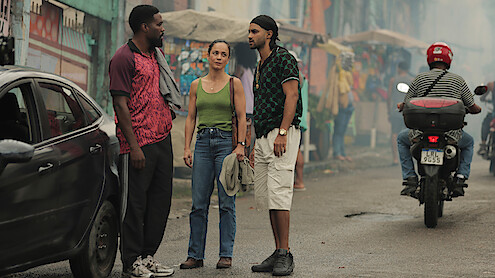
We did the same thing in Brazil, being able to go to the favelas, listening to music or going out to the restaurants, being by the beach. But I really loved working with our crews out in Mexico City and out of Brazil. They really made it a home away from home for me in the sense of hospitality and warmth and positive energy that they have for the show. If, when they look at the show, they see bits of themselves in it, that would make me glad.
Bobby Cannavale’s character only appears in the first episode, but his presence hangs over the series. Tell us about filming scenes with him.
Abdul-Mateen: It was important to get an actor who was strong, who could handle the language, who could come in and make a difference early on — someone who we would miss if he was gone and someone who the audience would care about. Bobby is a pro’s pro, and he has so much swagger and charisma and gravitas. He came in, did the job like a pro, and really gave us a strong character to hang some weight on for the opening of the show. He was absolutely clutch.
Creasy finds himself betrayed by another old ally, Scoot McNairy’s Tappan. What does that mean to him?
Abdul-Mateen: This is a guy who, before the big incident, had a big heart and took pride in leading and commanding a team. Even in the opening, we see that Tappan is a part of that. So for a long time, Creasy had been carrying that tragic incident, feeling as though he and Tappan were having the same experience. So he was sort of a comrade in battle and also a comrade in grief. And then for Tappan to be the guy who orchestrated the murder of his best friend, who tried to kill him as well — I think you build a character eventually who has high suspicions and trust issues.
It really lights a fire under [Creasy], and ironically, rather than crushing him, it sort of expedites his process of bringing himself back to life, because now he has a real target for that anger. He’s not operating completely in the dark anymore. He has a real, actual target to take it out on.
In the first episode, it seems like Creasy wants to die. By the finale, he wants to live. What do you think gets him there?
Abdul-Mateen: Ultimately, I don’t think Creasy wanted to die. If Creasy wanted to kill himself, he was very equipped to do it. I think Creasy wanted to feel something, and he quickly learned that the route he chose was not going to solve his problems. In fact, it was only going to make them worse. He needed something to care about other than himself, and that gave him motivation and drive and a reason to live. It reminded him of who he was: that he was talented, that he was smart, that he could give advice, that he loved to cook. He learned that living takes courage, and through his relationships with Poe and Melo and the rest of the gang that he had to protect, he found a reason to live.
Man on Fire is now streaming on Netflix.
This interview has been edited and condensed for length and clarity. Watch Yahya Abdul-Mateen II on Skip Intro exclusively on Netflix, or listen wherever you get your podcasts.