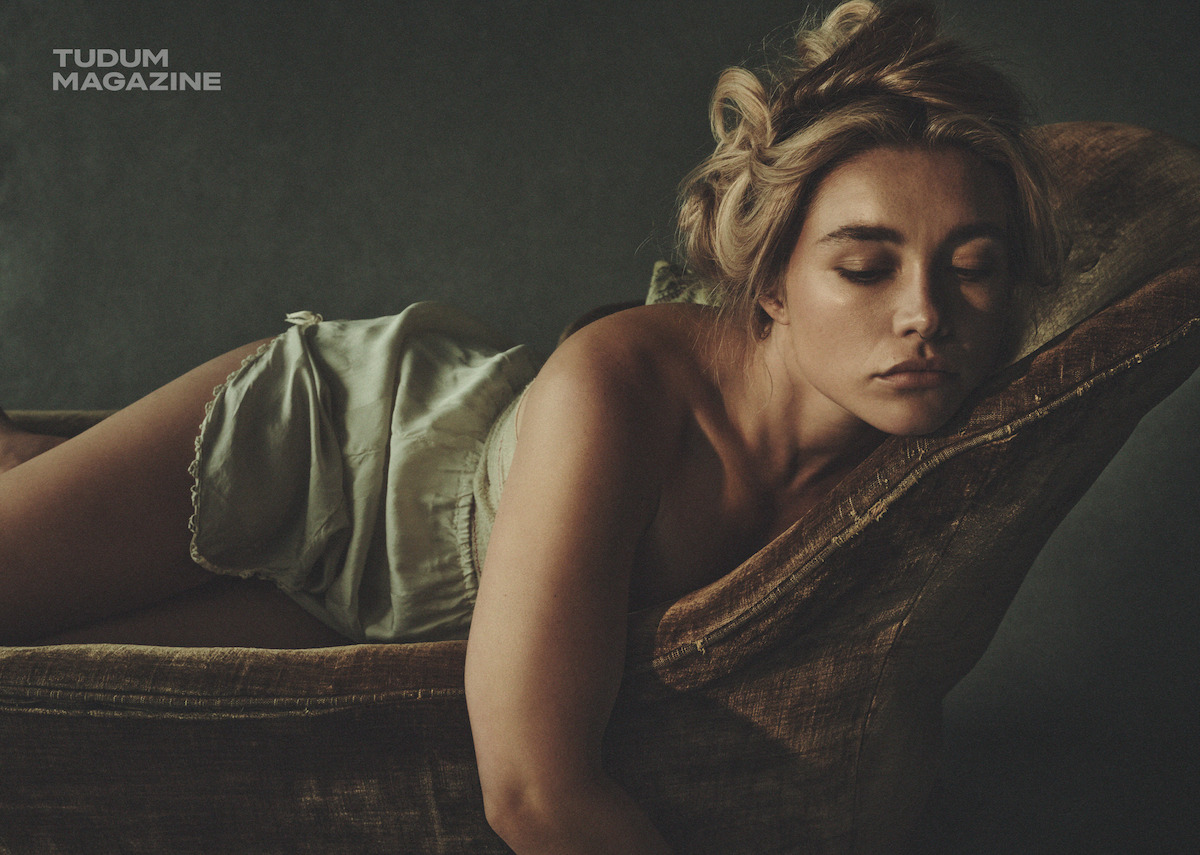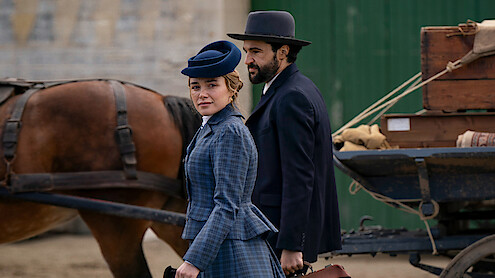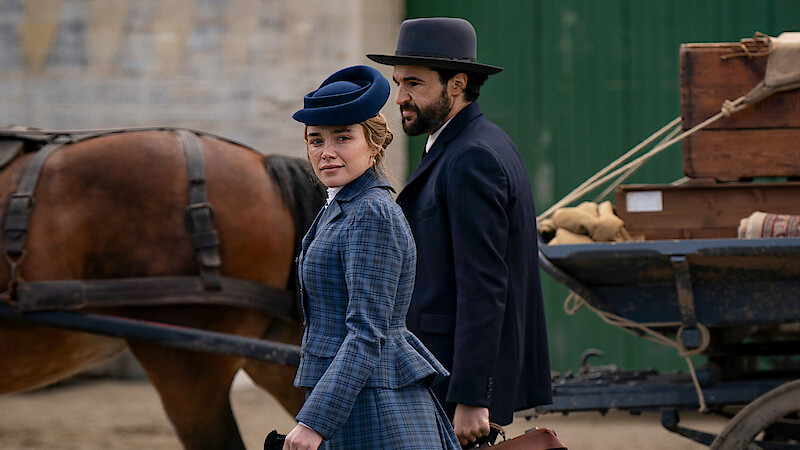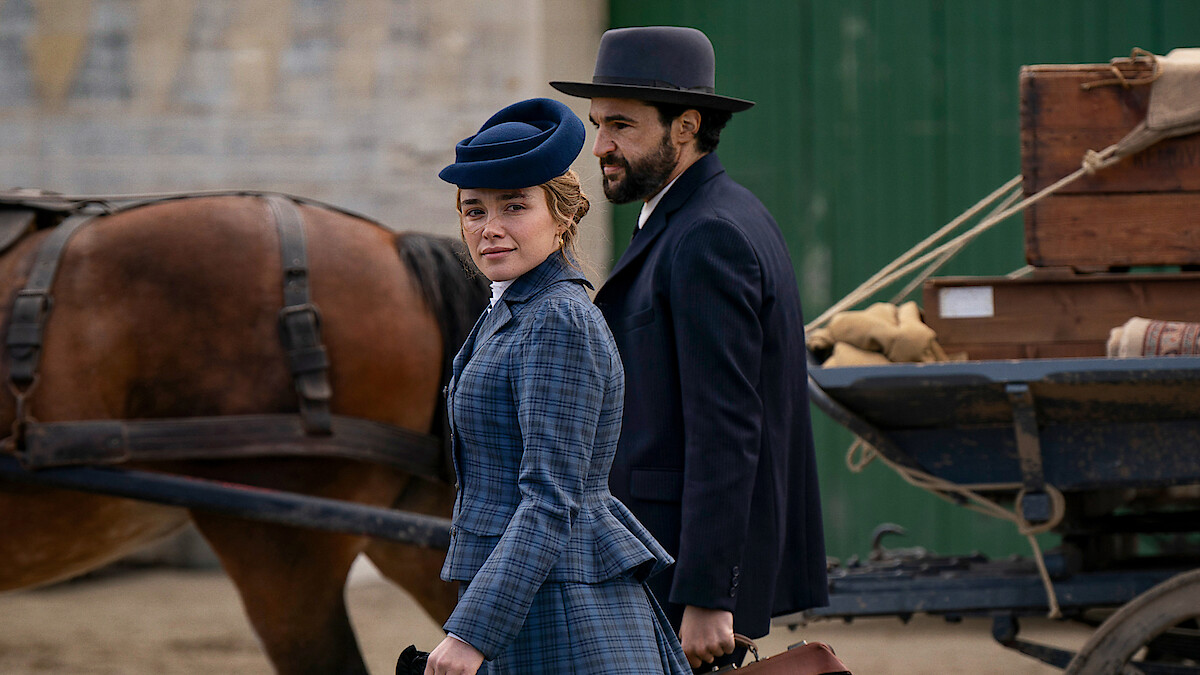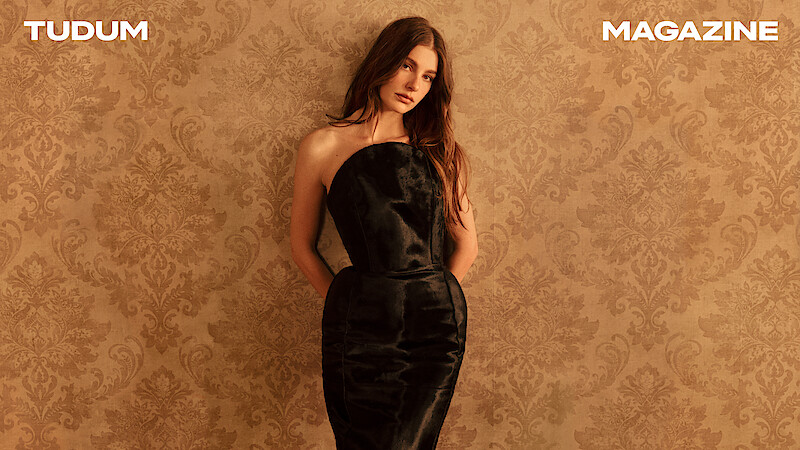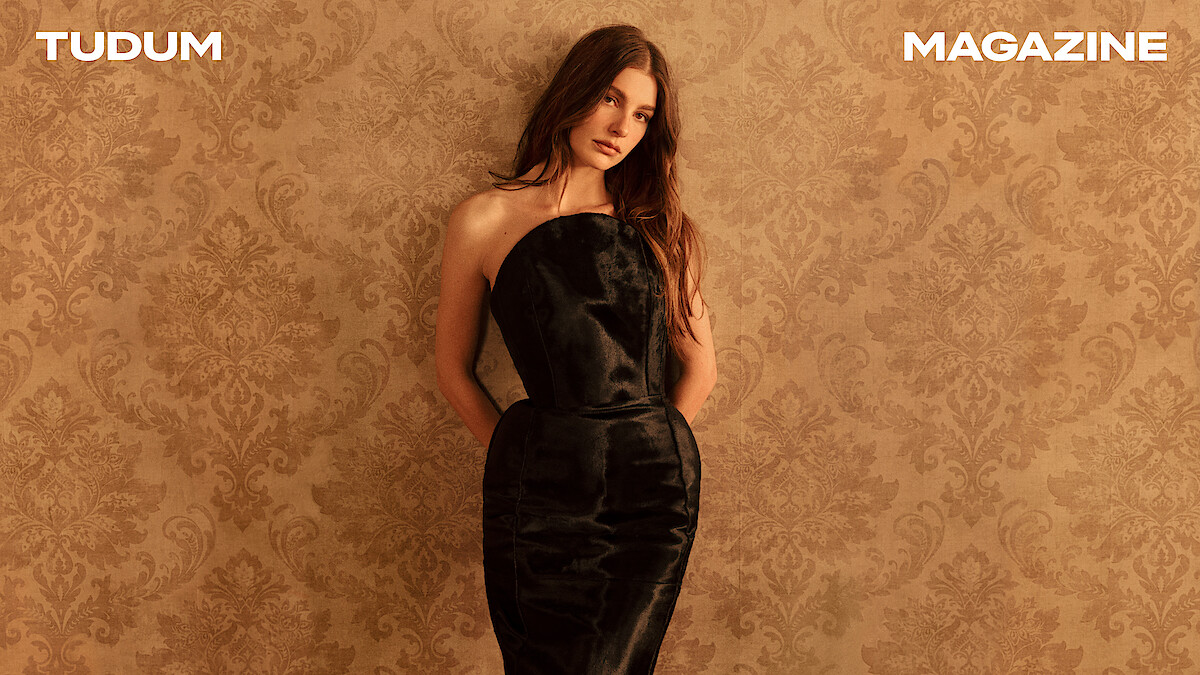
The writer and co-showrunner on staying true to Steinbeck while bringing herself to it.

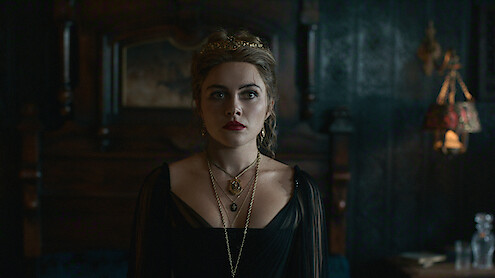
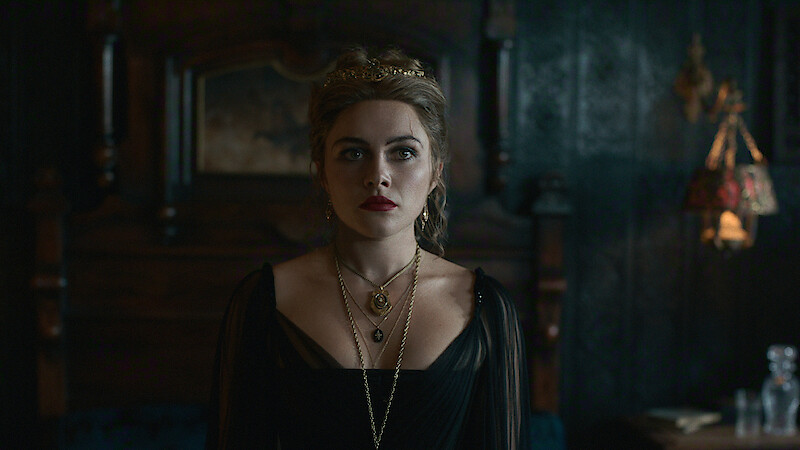
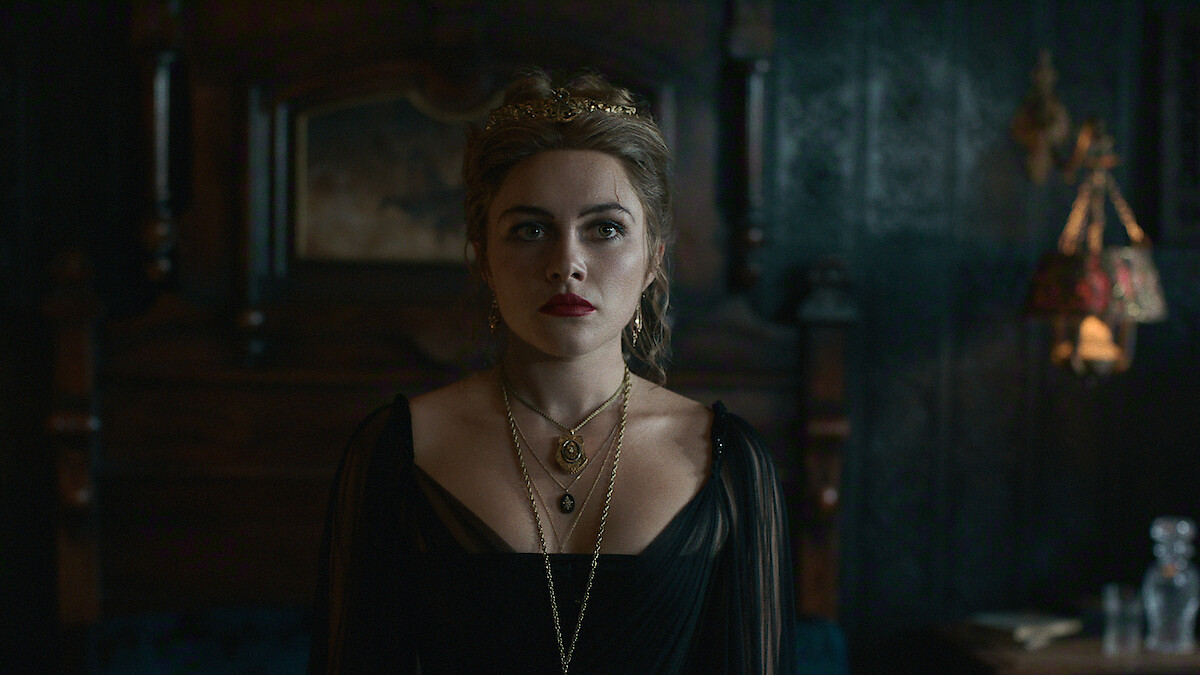
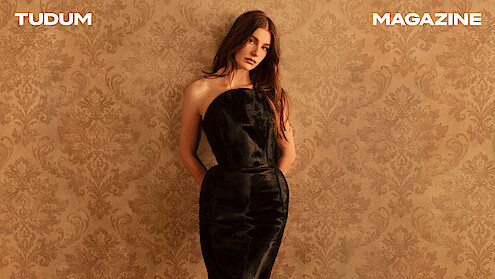
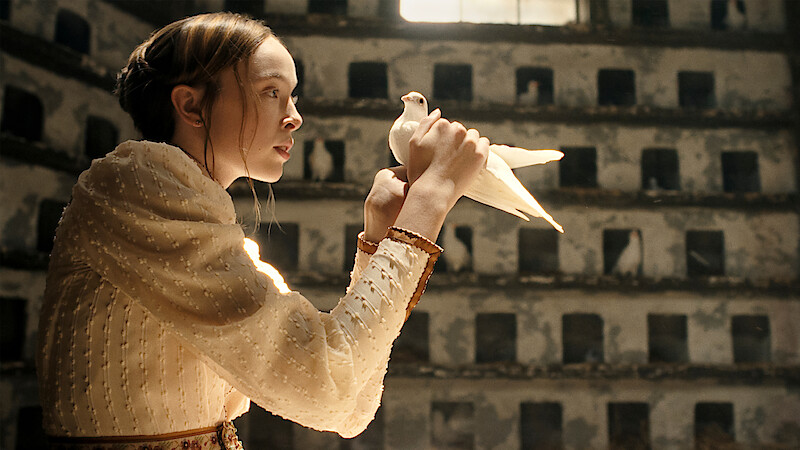
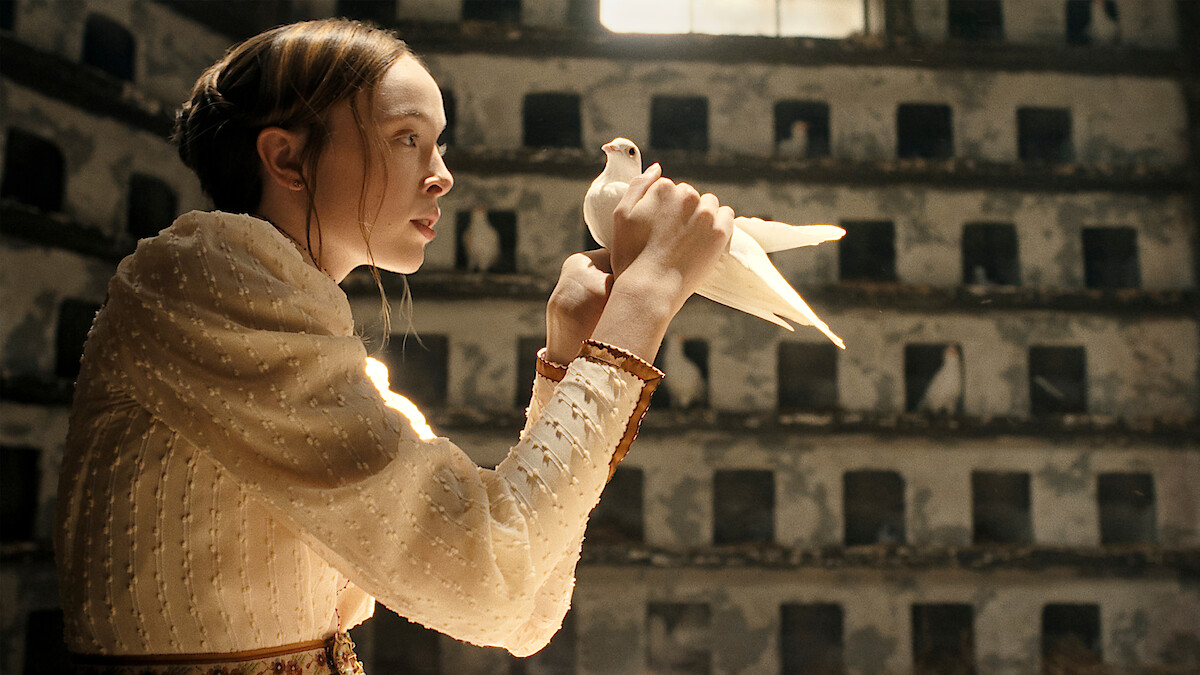
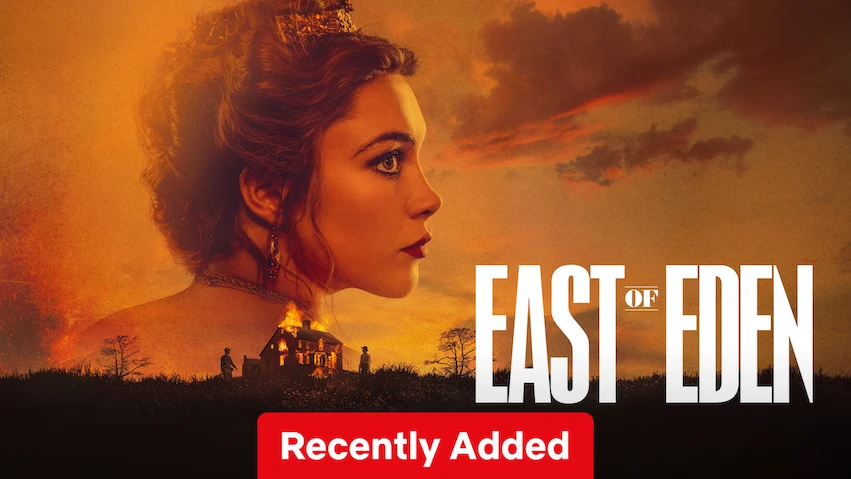
From the opening moments of the limited series East of Eden, it’s clear that Florence Pugh was destined to play Cathy Ames, the enigmatic antiheroine of John Steinbeck's opus. Throughout her decade-long career, the Academy Award–nominated actor has assembled a collection of singular characters, from Amy March in Greta Gerwig’s Little Women and Dani Ardor in Ari Aster’s Midsommar to Yelena Belova in the Marvel Cinematic Universe and Princess Irulan in the Dune franchise, always challenging any preconceived notions about the women she inhabits. So it feels particularly fated that she would take on the role of one of literature’s most complex female characters, an Eve figure for the 20th century — and now, the 21st.
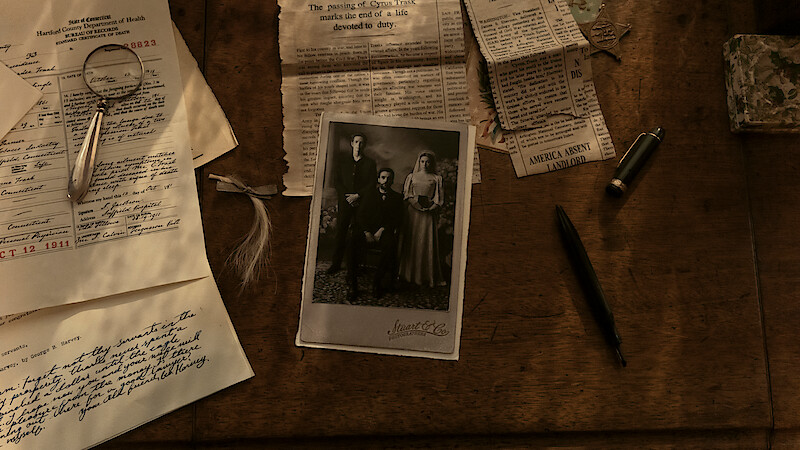
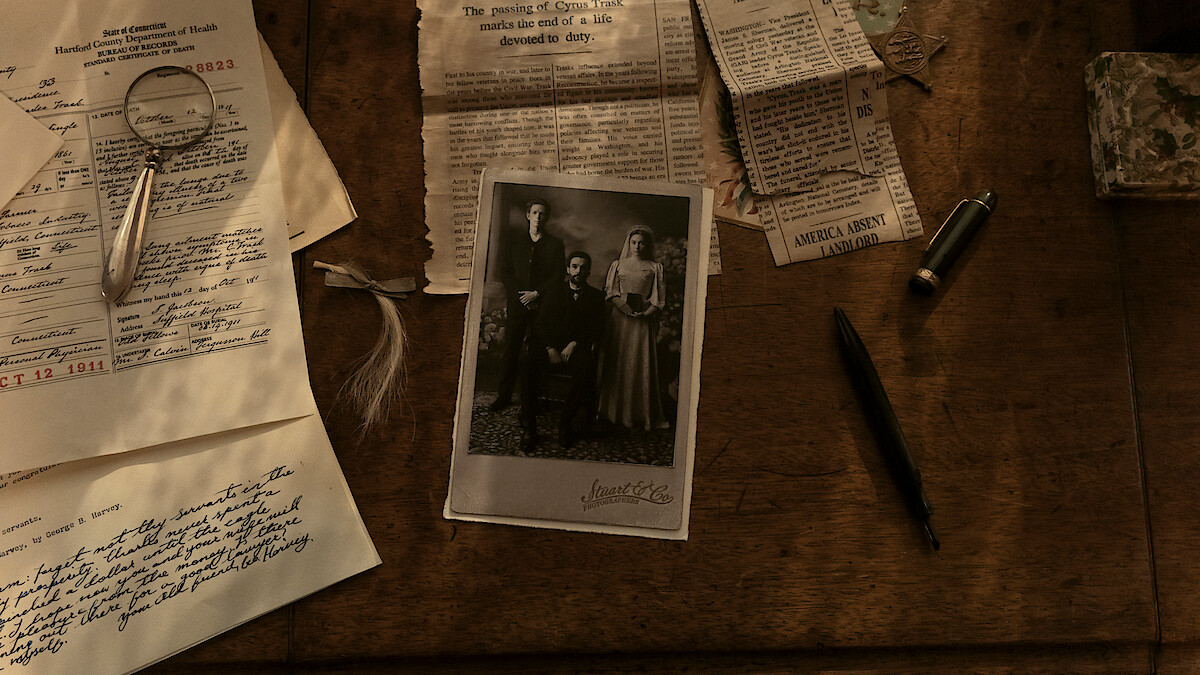
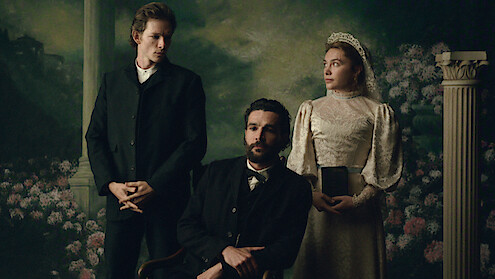
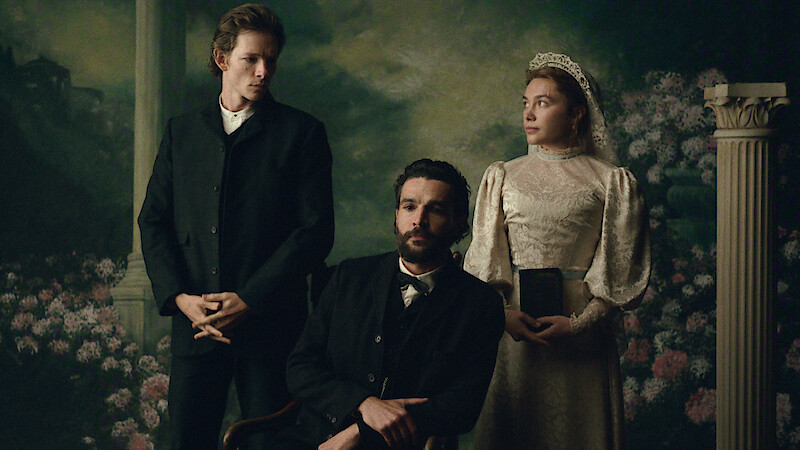
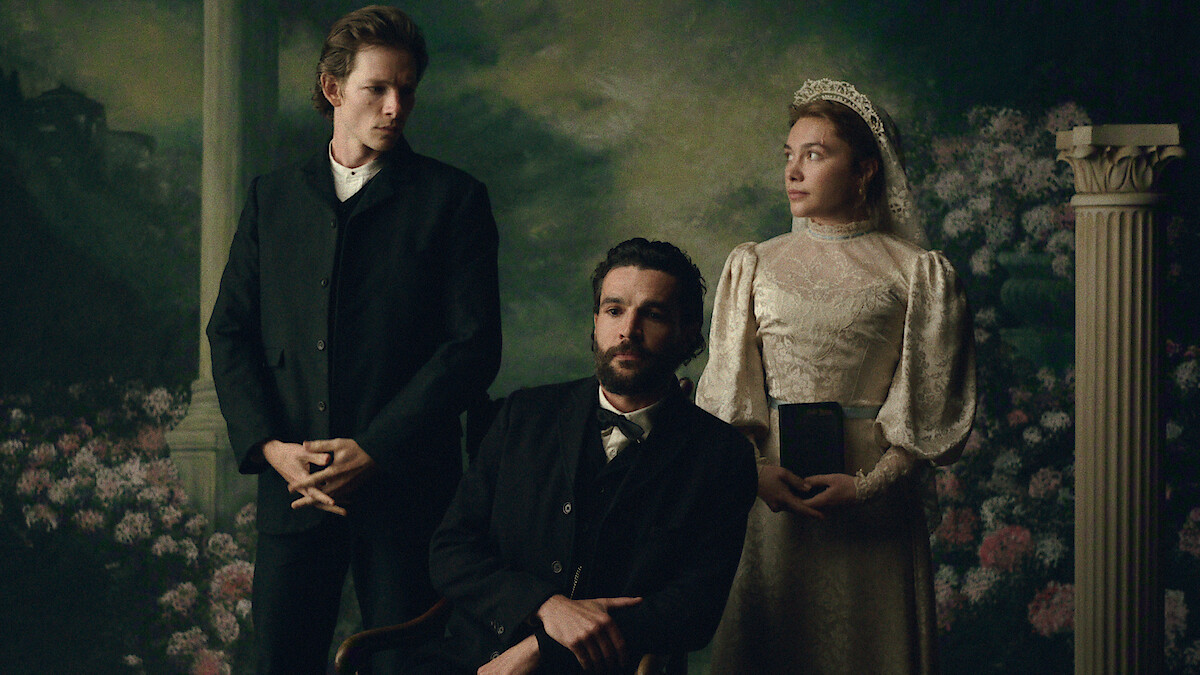
Writer, co-showrunner, and executive producer Zoe Kazan’s rendering of this American epic is a thoroughly contemporary yet utterly faithful adaptation that follows the Trask family as they face the harsh realities of time, lineage, and the inner battle between good and evil. Pugh and an equally fierce ensemble — which includes Golden Globe nominee Christopher Abbott as Adam and BAFTA Award–nominated Mike Faist as Charles in addition to Tracy Letts, Ciarán Hinds, Martha Plimpton, and Hoon Lee — breathe fresh life into a story that has captivated readers and audiences alike since the book’s 1952 publication and the classic film, directed by Kazan’s grandfather Elia, three years later.
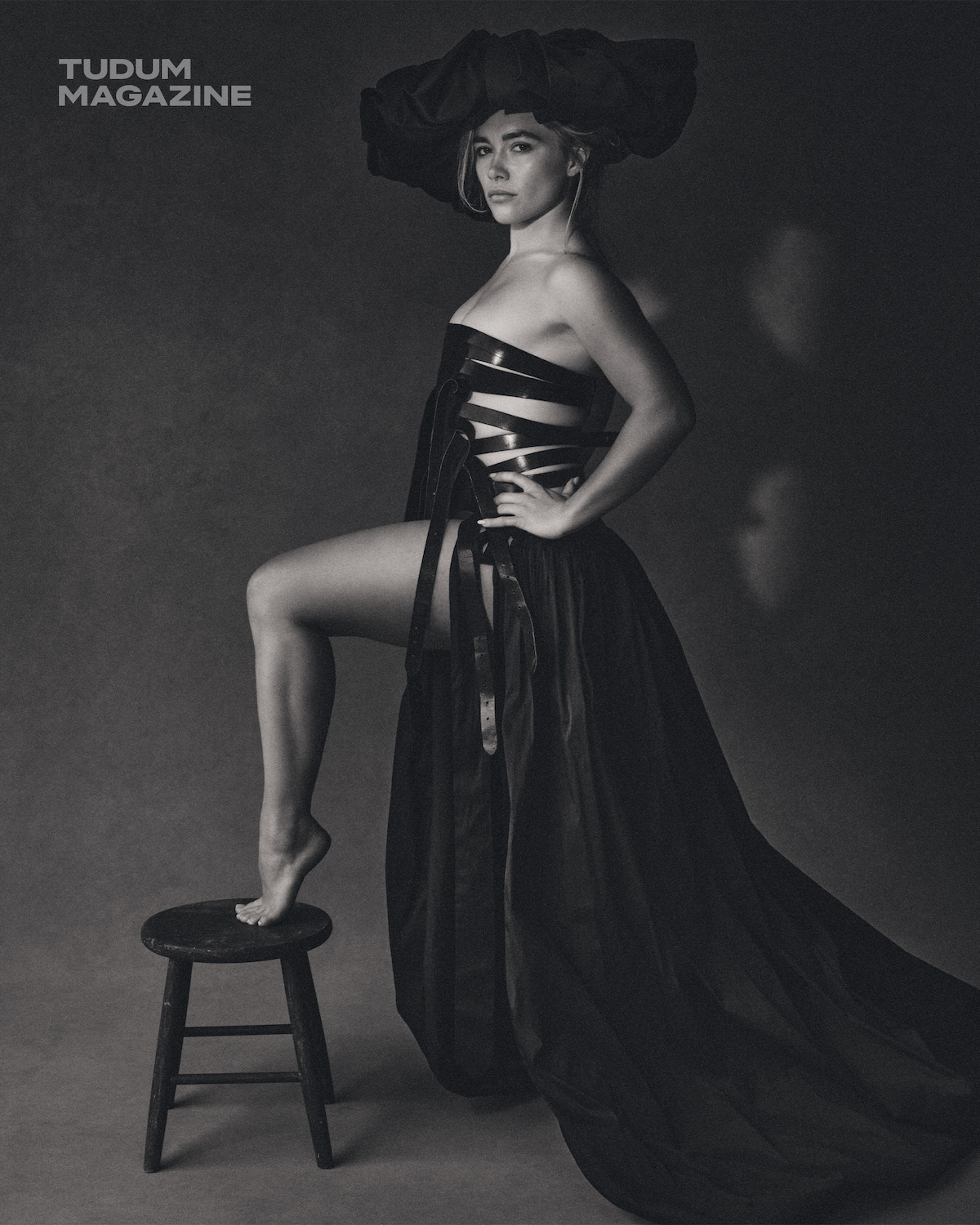
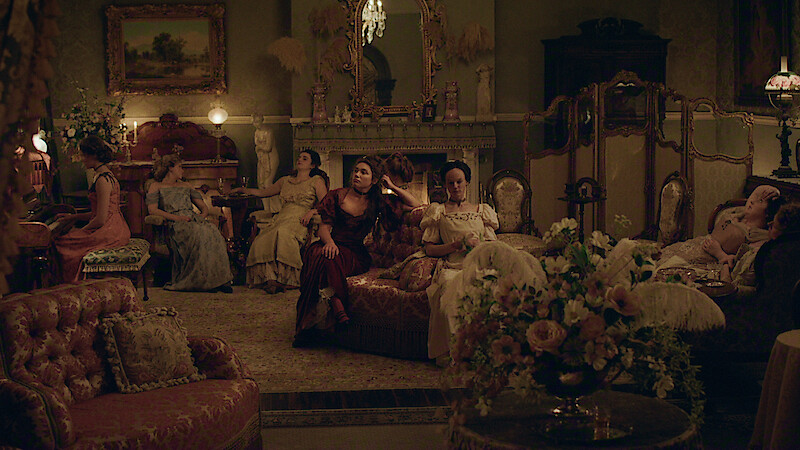
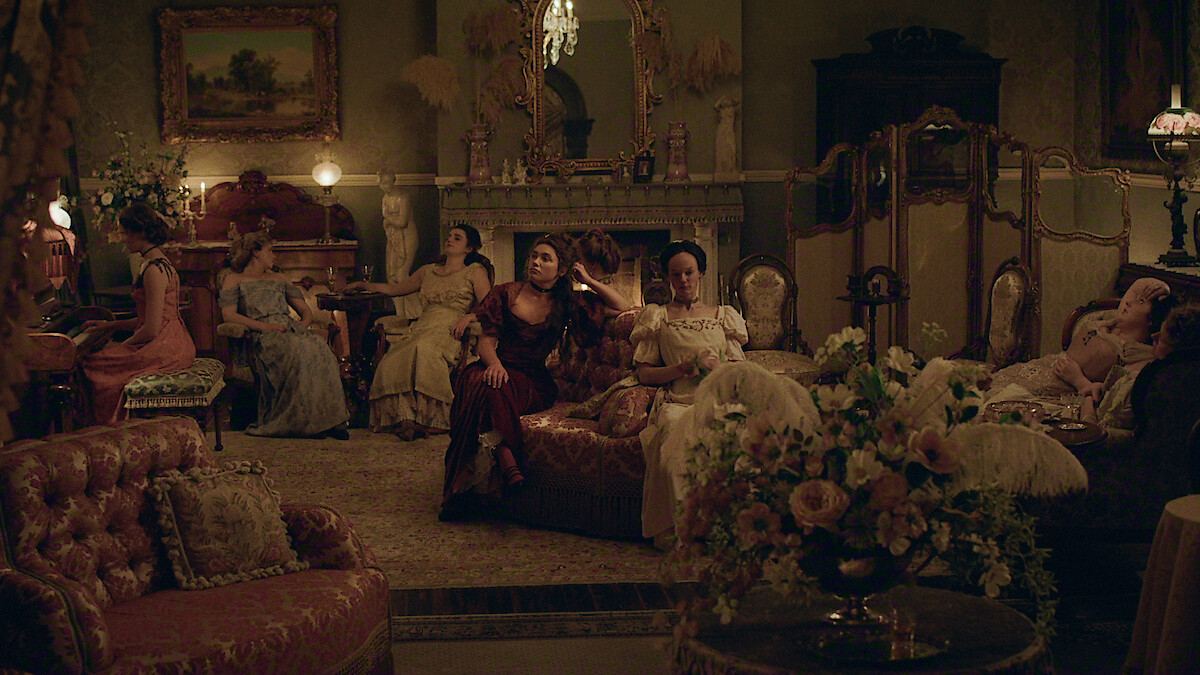
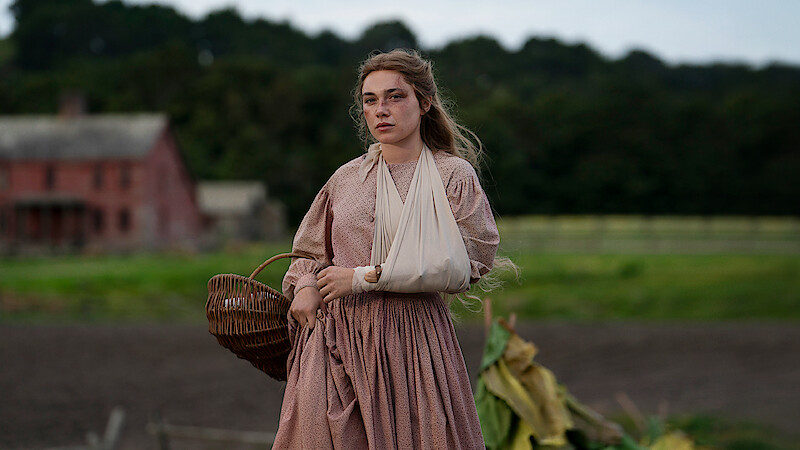
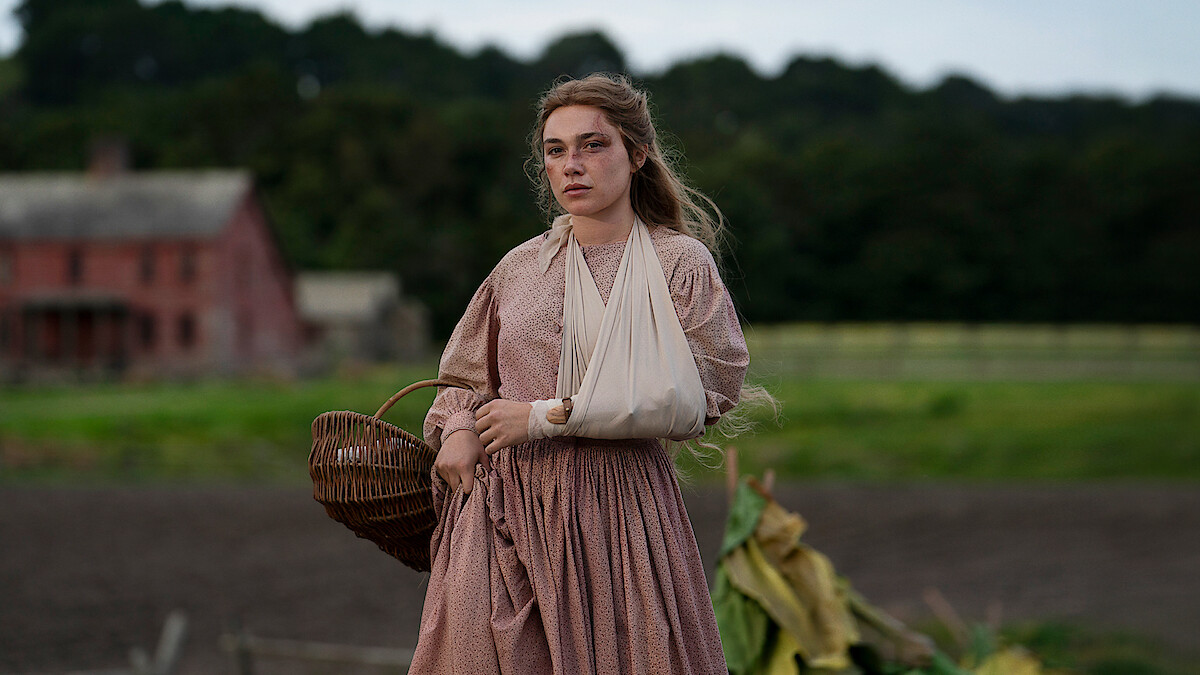
The younger Kazan takes a closer, and radical, look at Cathy, from her vulnerable girlhood to her reinvention as an independent, liberated madam. Pugh jumped at the opportunity to partner on the project. “I feel like it’s become a bit of a thing of mine to play female characters that were previously unliked in literature, in scripts, in plays, in films, and I think I’ve taken huge pride in trying to find ways to make them human,” says the performer. “This was another example of that: How do we get the audience to pause and think and feel for her in a way that hasn’t been done before?”
East of Eden is new territory for Pugh as an actor, as she charts decades of a woman’s life across a seven-episode limited series, and as a producer. She collaborated with Kazan and the creative team throughout the series’ path to the screen, an experience she describes as empowering. “I can’t even begin to explain to you how that makes a young woman in the middle of her career feel, to be given the opportunity to be listened to in that way,” she says. “That was just exhilarating because I got to be a part of conversations that I’d never been a part of before.”
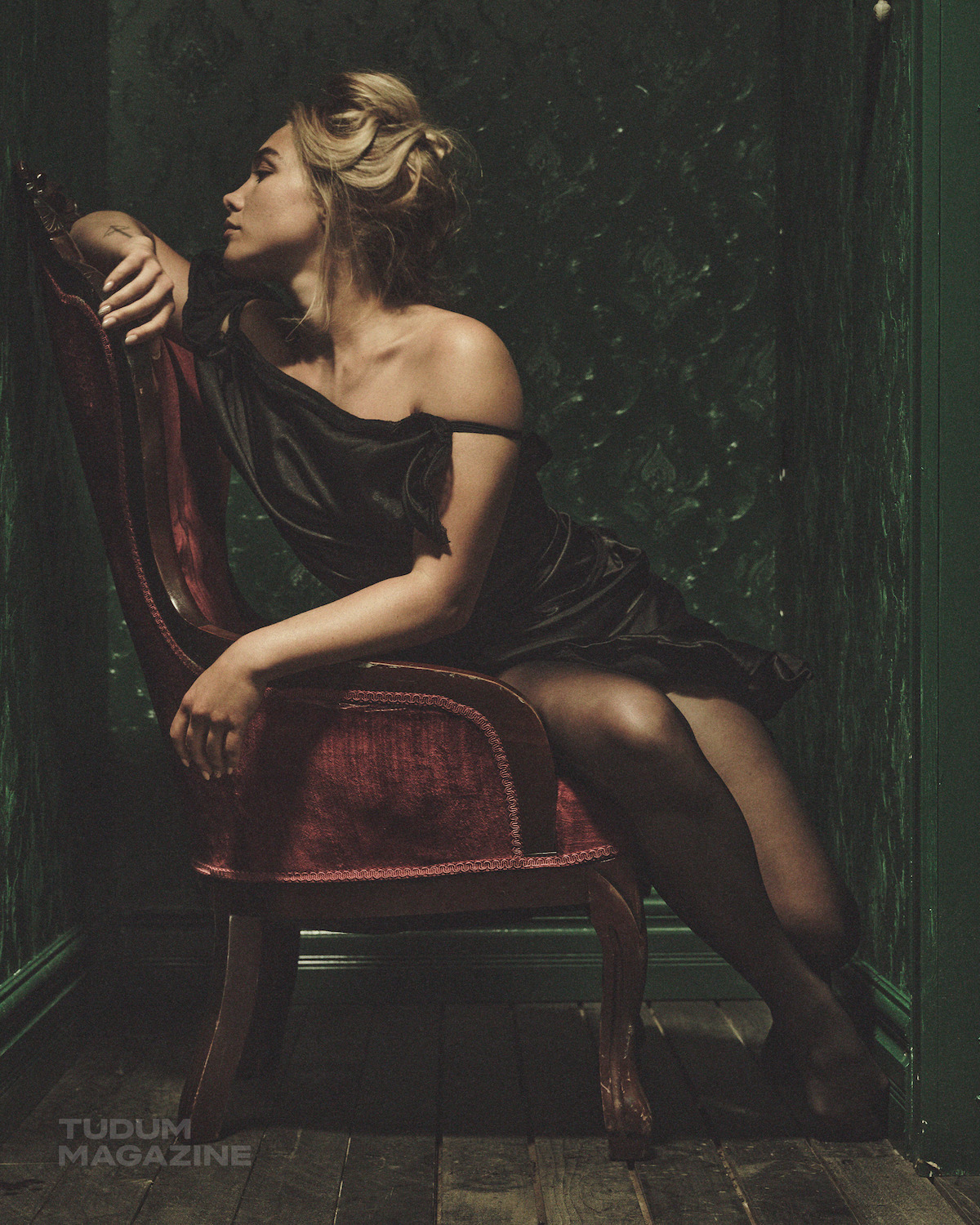
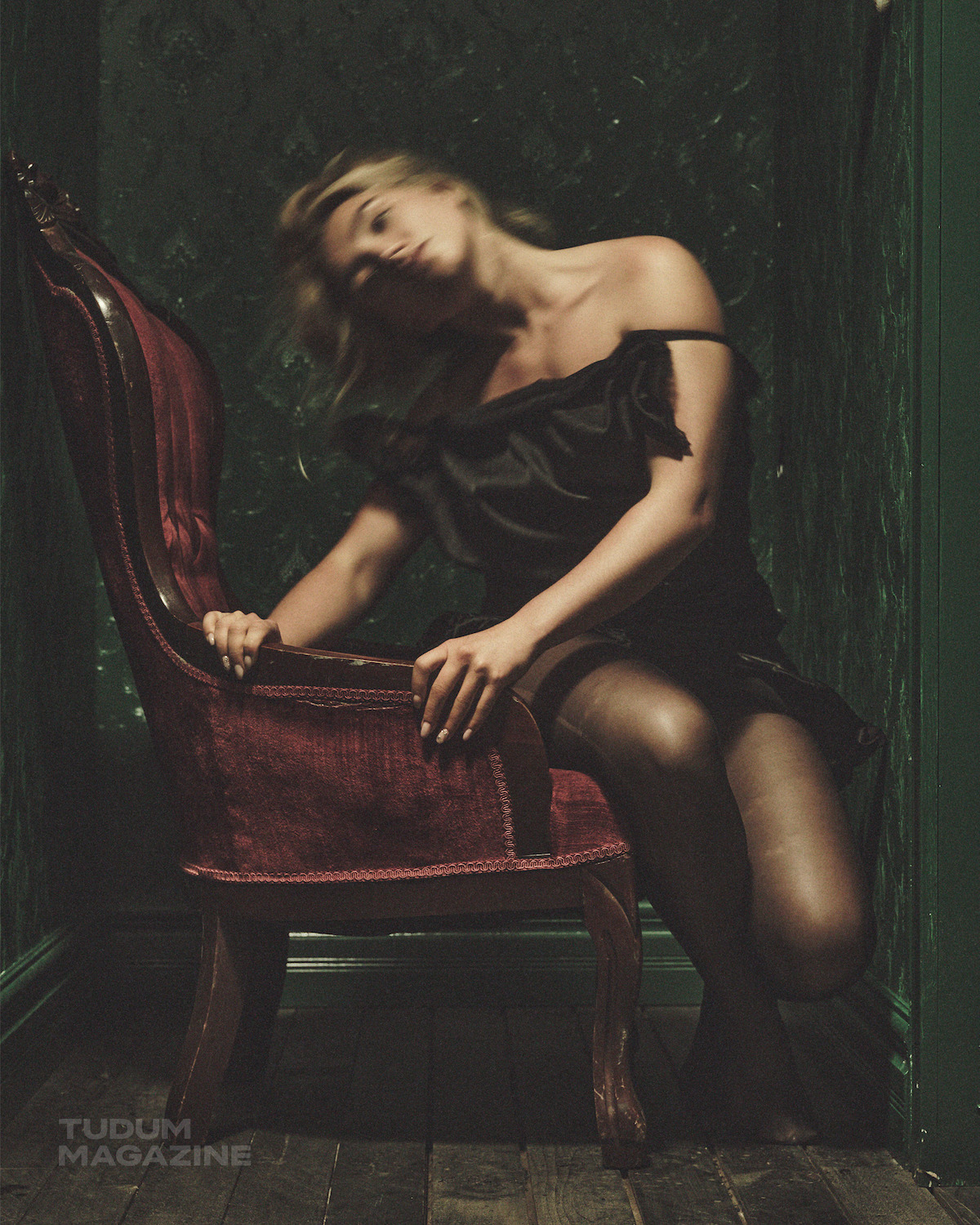
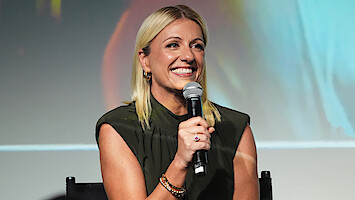
With East of Eden soon to engross audiences once again, Pugh sat down for an interview on Skip Intro with Krista Smith to reflect on her experience of evolving alongside Cathy, and confronting the material’s thorniness and complexities head-on.
What I always like about your choices as an actor is that you’re always flipping the conventional wisdom about a character on its head. What was it about Cathy that made your decision to be part of this series so undeniable?
Florence Pugh: When I read the script [in] 2020, I was already thinking about roles that I would want to play in the future and roles that would require for me to grow up, to better my craft, to allow me to expand. During that time, this fell in my lap, via an email with an invite from Zoe saying, “Can you make this with me? Not only can you act for me, but can you be on this creative journey with me?” That was such an invitation, just to allow myself to be bigger and better and [to be] invited into a conversation to create something from the ground up; [it was a] huge confidence boost. It was all of these elements, it was playing a fantastic character and also showing up for myself as a performer and a creative behind the scenes. That’s why I wanted to do it. Then you just start unpicking the layers of Cathy and who she becomes, and why does she become that way? Why does she make these decisions? It was all very, very exciting and daunting, obviously.
What was being a part of that creative process like with Zoe?
I’m someone who’s always been very opinionated about the roles that I step into, especially when we’re on set, I will argue in defense of my character. I want to know that character so well by the end that I could argue any fight for her. Being able to start that process even earlier, and try to create something that has the correct texture that you thought of when you read the script, is such a privilege.
It’s been six years now since we had our first phone call, and it’s quite bizarre to go back to the woman who agreed to say yes, to the woman who was in prep, to the woman who was filming it. I, much like Cathy, have grown a huge amount, which put an enormous amount of depth and humility into the role because I was aging with her.
It’s interesting to watch Cathy evolve throughout the series. What was that journey like for you?
I think the most important thing that we were very protective of, especially with Cathy/Kate, is [that] everything that happens to you in your lifetime will cause a knock-on effect somewhere else down the line. Whether you meant to do it, whether you didn’t mean to do it, whether it was done to you by accident or on purpose, there will be a ripple effect in how [everything] affects your choices, your growth, your understanding of life. Cathy is a prime example of that. Something happened to her very young, and it changed the way that she saw the world forever. That’s how I defend her. We’ve now got that in real time when she’s a young woman, we’ve got that when she’s giving birth, we’ve got that when she decides to leave her children, we’ve got that later on when she’s a madam, and then when she’s forced to be face-to-face with her children and the decision that she made years ago, leaving them. She’s forced to look at that decision and that is only possible because we’ve had so much time to view all of these lives and to view all of these decisions.
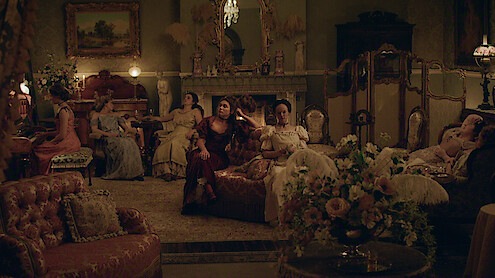
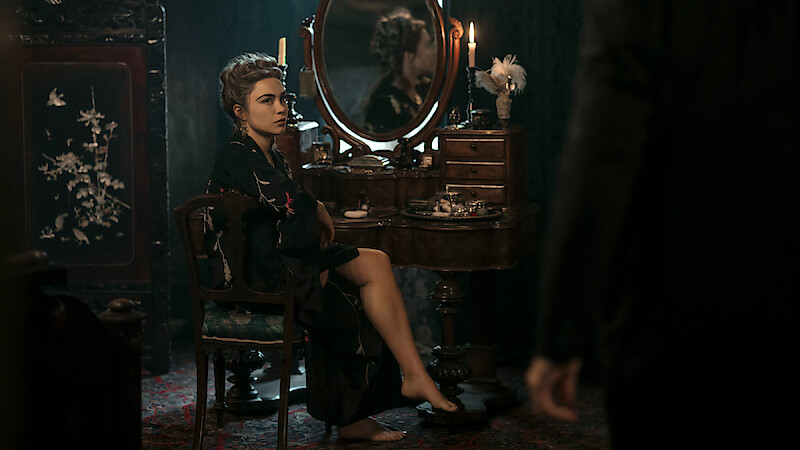
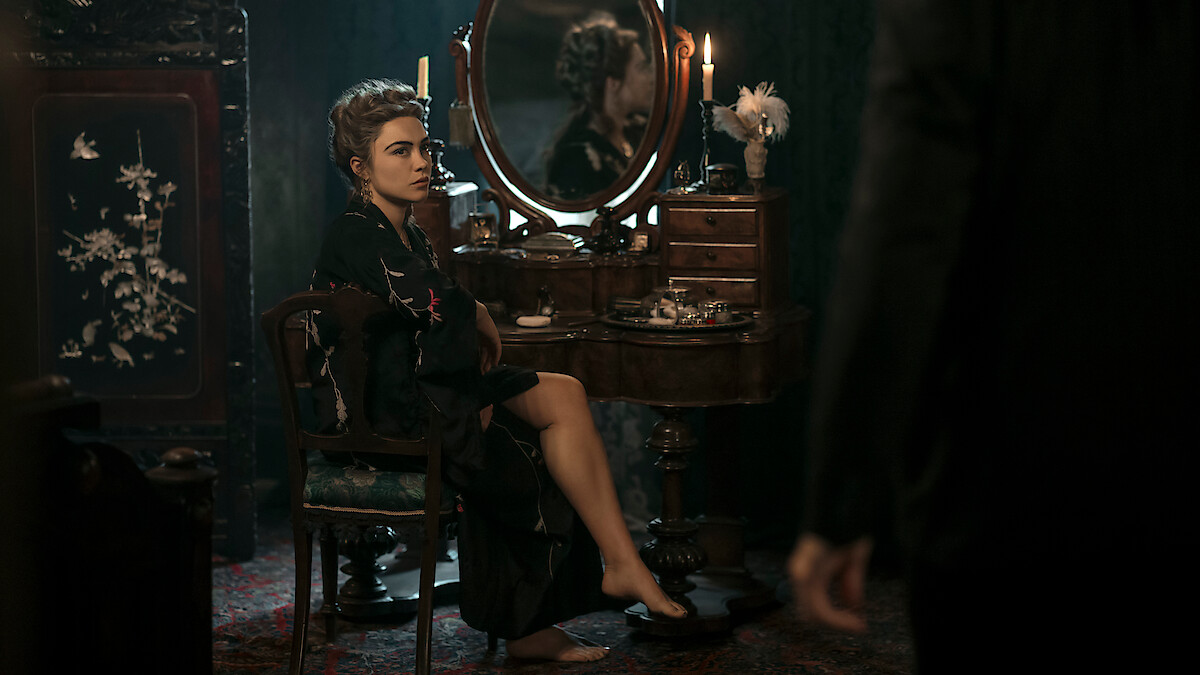
I think one of the most exciting things about discovering her as Kate [is that] she essentially evolves into the true version of herself. It was hugely exciting because it was like I got to have a re-go at this woman because I believe that’s what would happen to her. I think she’d find her new world and find her new business and then be like, “OK, this is who I am. I am this, I sound like this, I look like this, this is my makeup, I’m this boss.”
One of the scenes that’s so riveting and emotional to its core is when Adam comes to see Kate at the brothel. What were your choices as an actor in that moment of confrontation with him?
This scene was always chilling to read because of what she admits and how comfortable she is, because I think she thinks he’s coming here wanting her again. We see her realize that her backup plan doesn’t want her anymore. I think it’s really hard when you have a script that’s so clear and you go, “Oh, well, she’s obviously the villain in this story,” and you start picking it apart and trying to create reason and you also then realize she can’t not have ever thought about that family.
She’s still a mom who had two babies and was committed to a marriage for a short while. She can’t be so coldhearted that she never imagined what life would have been with them. Even if she’s happy in the life that she has, there’s no way in which she hasn’t thought about that possibility still being there. She is figuring out through that conversation that it’s done, and she just loses all her power. She loses everything. She loses the fact that there’s this love that’s been there for years. It’s no longer going to be there anymore. She doesn’t have power over him anymore. He doesn’t find her threats impressive.
It was a fascinating scene to shoot because I thought I knew what we were going to do, and it just evolved and changed and it got really buttery. Every time we started the scene, you would be on the ride, on the wave for the whole time, and both of us would be in this weird tension for that entire time, and that builds something in your body towards the end.
What did you guys do between cuts, because it is dark? Was there fun had with this cast?
Of course we had fun. We were jamming in seven episodes in such a short period of time, and what we needed to shoot was huge. It was an epic adventure to go on, which really meant that we didn’t have any time for fluff in between. So for me, as a performer, it was a really big step up into how I was going to approach this role and shooting this schedule because I had no time in between. I’m not only talking about heavy subject matter in the scenes, but the language is from a different era, which has a different rhythm. It meant that I had to approach this role in a way that I’d never done before. We did have laughs because Chris Abbott is just so fucking funny, and I had a gorgeous time with Mike. All three of us just felt very lucky to be doing this together.
What do you hope the conversation will be about this vision of East of Eden?
We’re coming up against changes that are happening now that are taking us back miles into our history as women, and I think ultimately the demand for equality, the demand for respect, and the demand for control of our own bodies will never not be a topic that we don’t want to talk about. When we make stories that are from a time that feels far, far away, and they mirror things that we are potentially coming up against now, I hope it allows us to ask the question, “How far have we actually moved forward? And if we have, how do we hold onto that? And if we haven’t, how do we change that?”