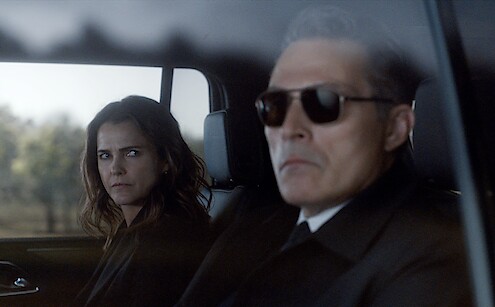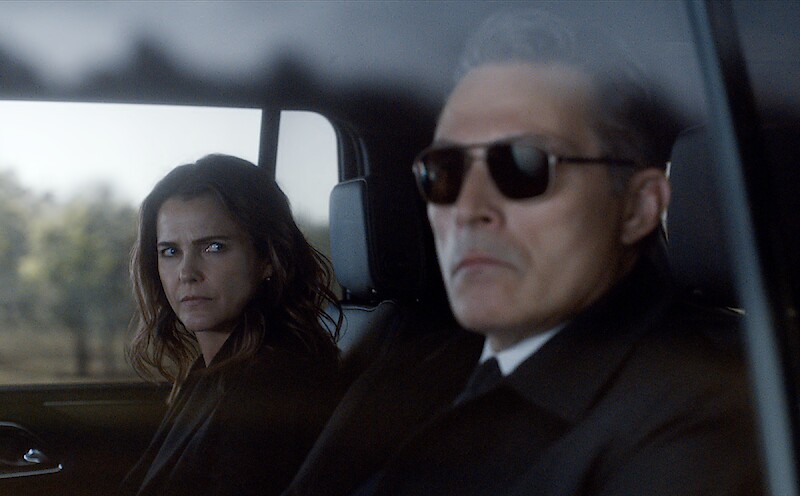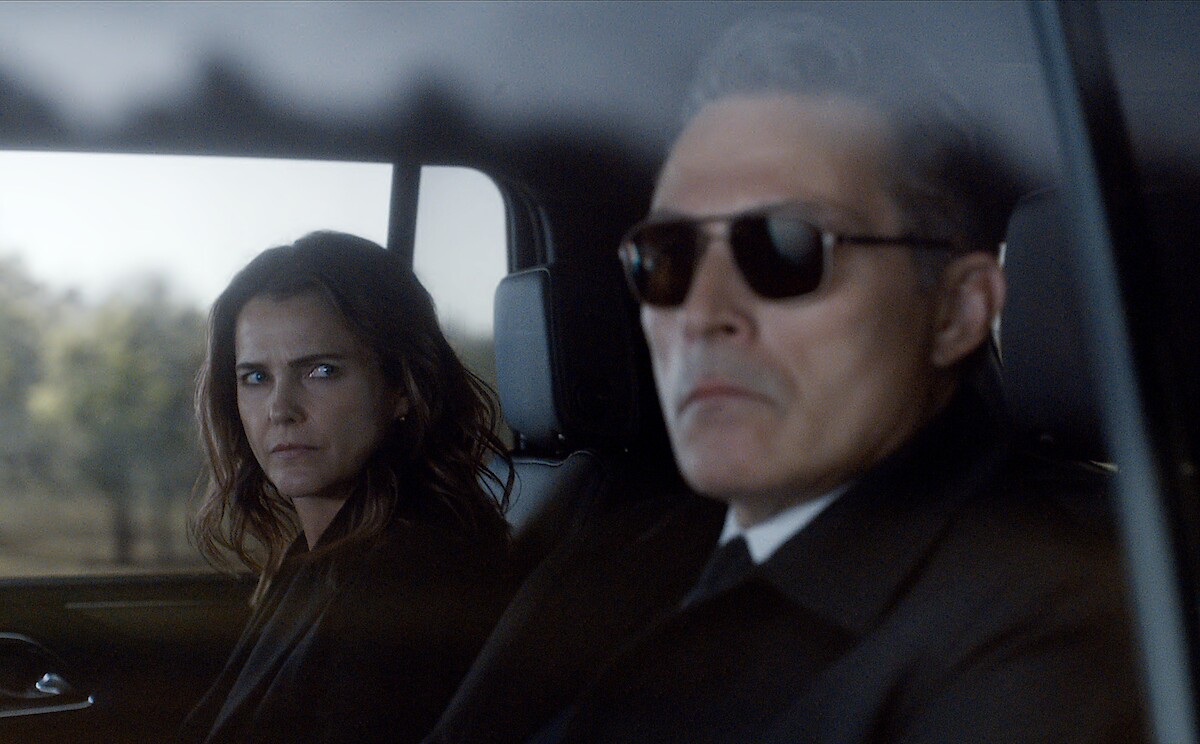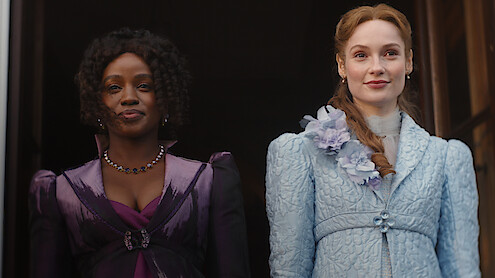
PHOTO BY KIRSTY GRIFFIN
Deep Dive
Inside the Ending of East of Eden
Zoe Kazan’s new limited series adaptation of John Steinbeck’s classic novel explores the power of timshel.
Oct. 1, 2026
Timshel! This is the last word spoken in John Steinbeck’s seminal 1952 novel East of Eden, and after saying it, Adam Trask “closed his eyes and slept.”
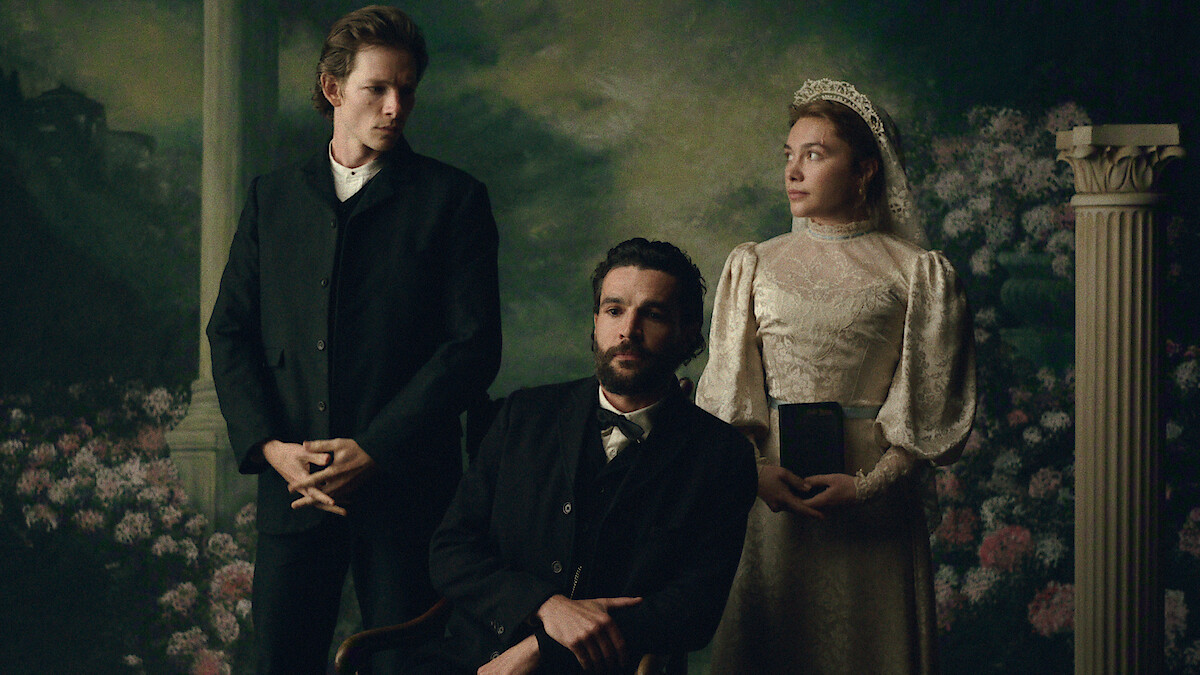
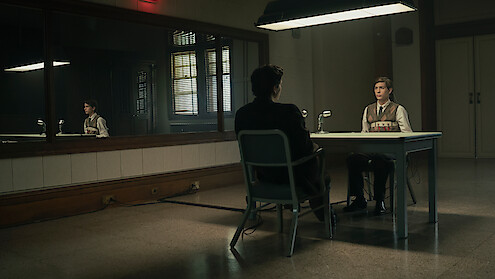
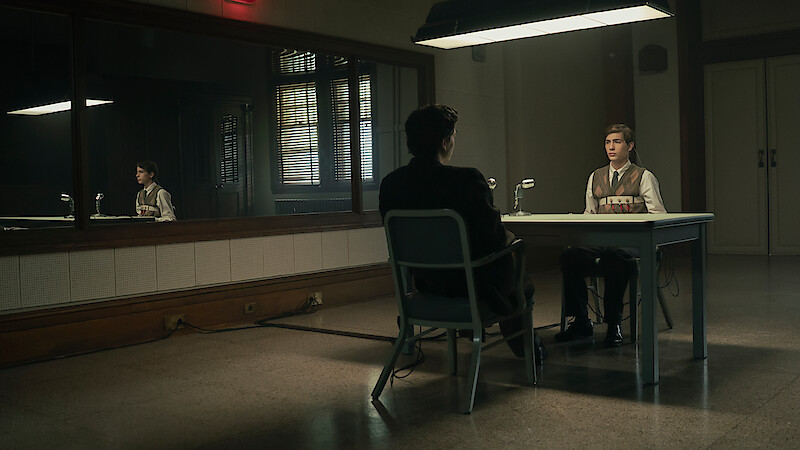
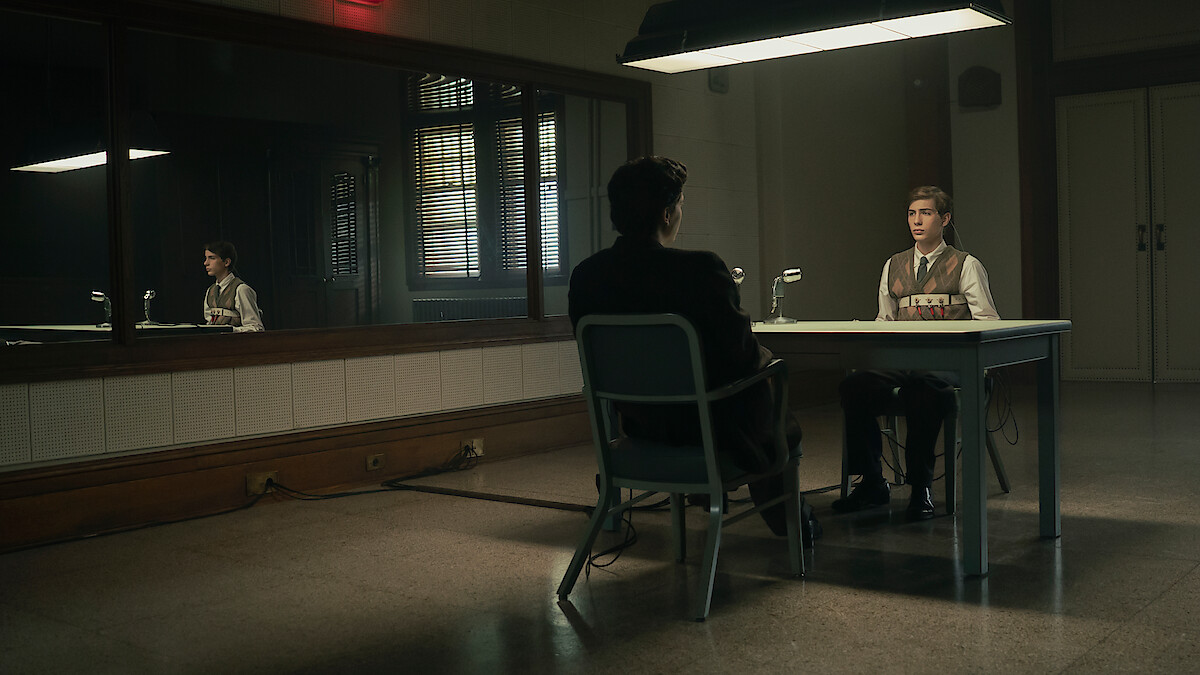
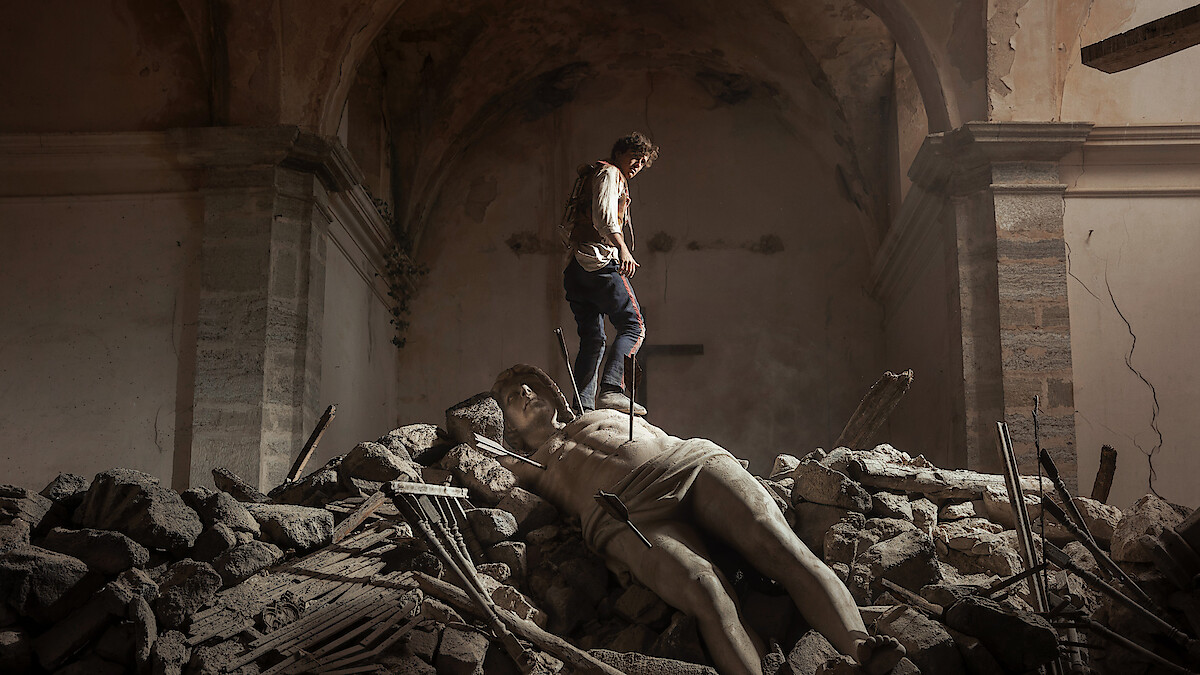
Zoe Kazan and Jeb Stuart’s new limited series adaptation preserves that moment, a tragic bedside conversation between Adam (Christopher Abbott) and Cal Trask (Joseph Zada) — father and son — after the dust of the Salinas Valley has settled and tragedy has made its home in the Trask household. But what does timshel mean?
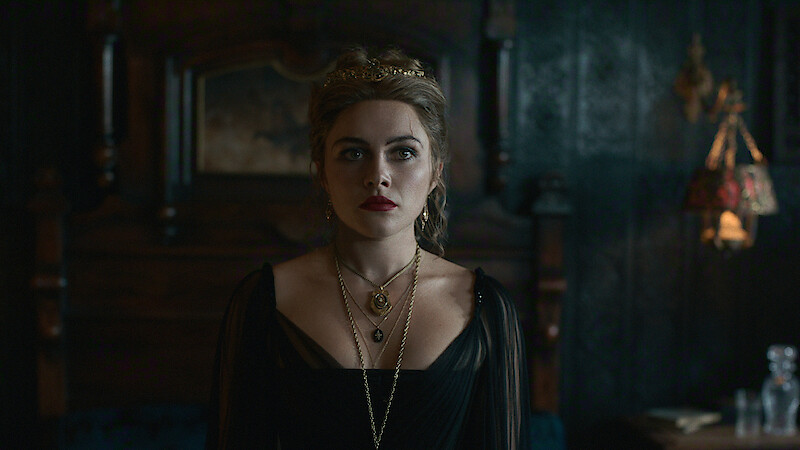
This is the question that the characters of East of Eden — from Florence Pugh’s complex and controversial Cathy Ames to Abbott’s morose and well-meaning Adam Trask to their twin boys, Cal and Aron (Joe Anders) — explore throughout the series.
For Kazan, this question remains at the center of the story, and the center of her motivation for tackling it.
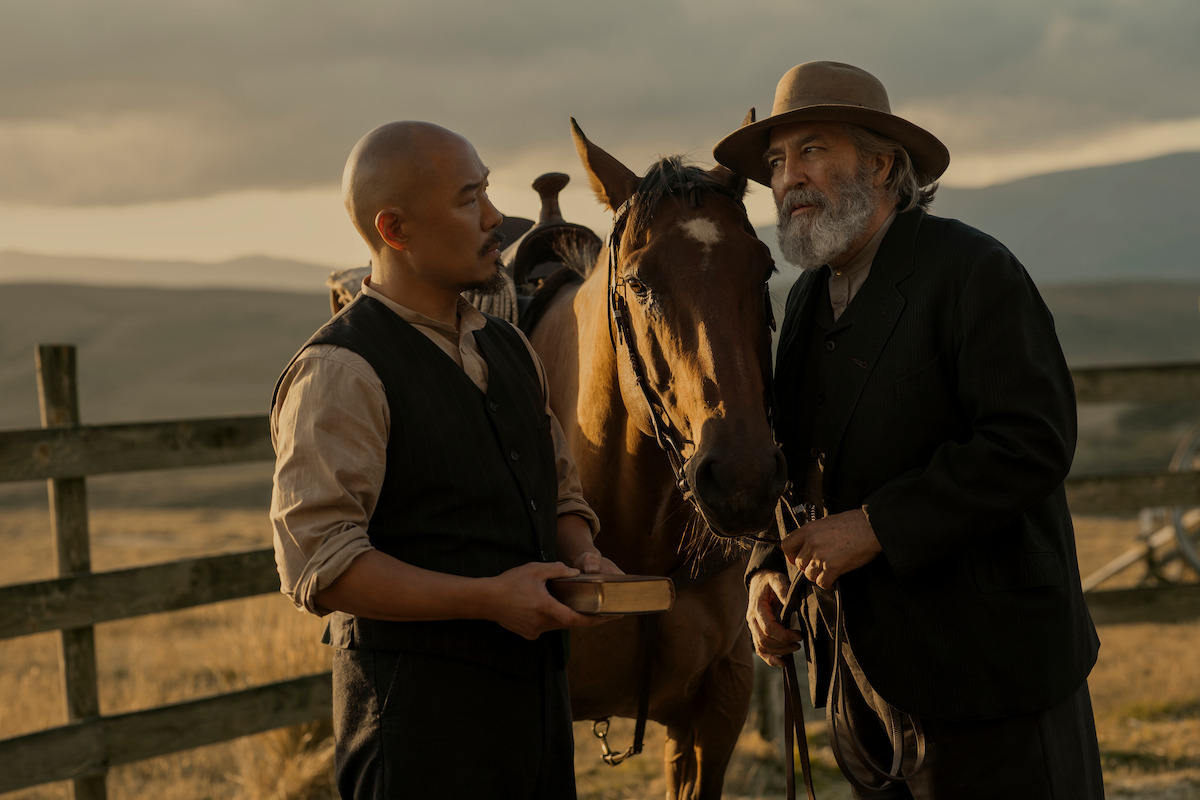
“It might be the most important word there is,” says Lee (Hoon Lee), who works in Adam’s household in California.
It’s a word that becomes a topic of conversation between Lee and Salinas Valley farmer Samuel Hamilton (Ciarán Hinds) after the two strike up a friendship. Hamilton’s relationship with the Book of Genesis has a deep impact on Lee, who finds himself hung up on one of its Hebrew words: timshel.
By Lee’s understanding, with the help of scholars he consulted in San Francisco, timshel translates to “thou mayest.” Thou mayest triumph over sin, God tells Cain. It’s a validation of humanity’s free will: Your destiny is not written.
“I think that this concept opens a door,” Kazan says. “It allows us to think about the fact that no matter what we’ve done or what our ancestors have done, we have an obligation to think of ourselves as capable of change.”
East of Eden is a personal story for Kazan, a beloved childhood novel that her grandfather Elia Kazan adapted into an Academy Award–nominated 1955 film. The elder Kazan’s adaptation focused only on the book’s third act; Zoe wanted to capture the novel’s epic sweep, starting with Adam and Charles’s (Mike Faist) childhood and concluding with the story of the next generation.
“The whole book was really meaningful for me — the intergenerational story, the questions of legacy and what gets handed down and what are you carrying?” Kazan says. “How do we reconcile ourselves with our shadow selves?”
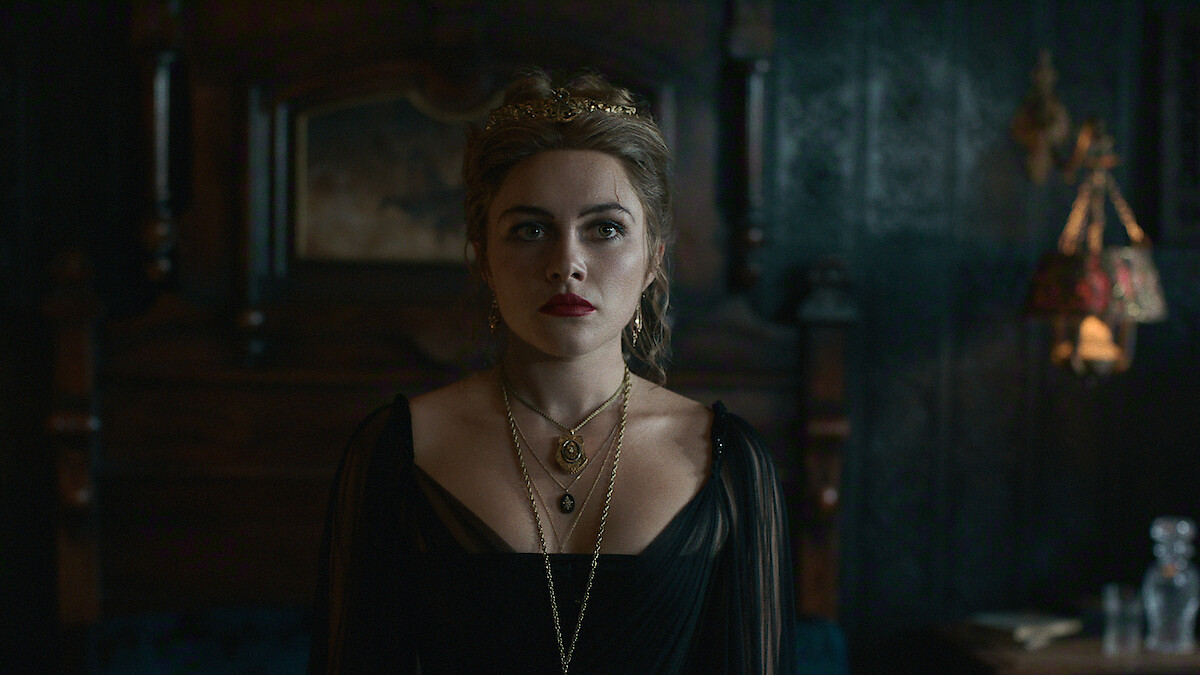
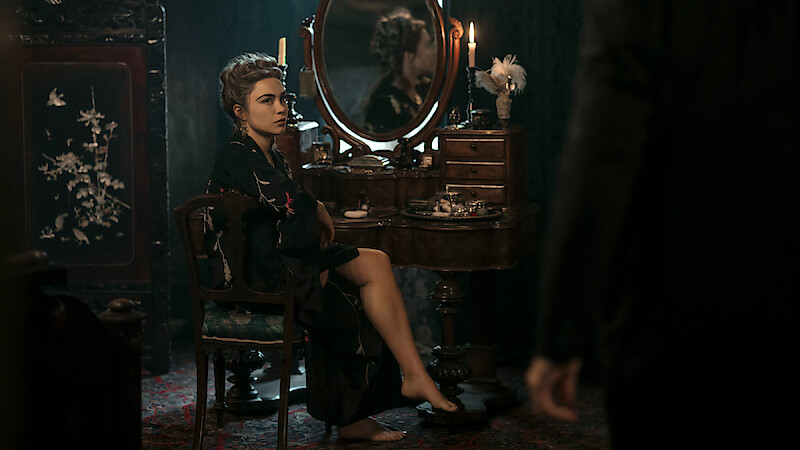
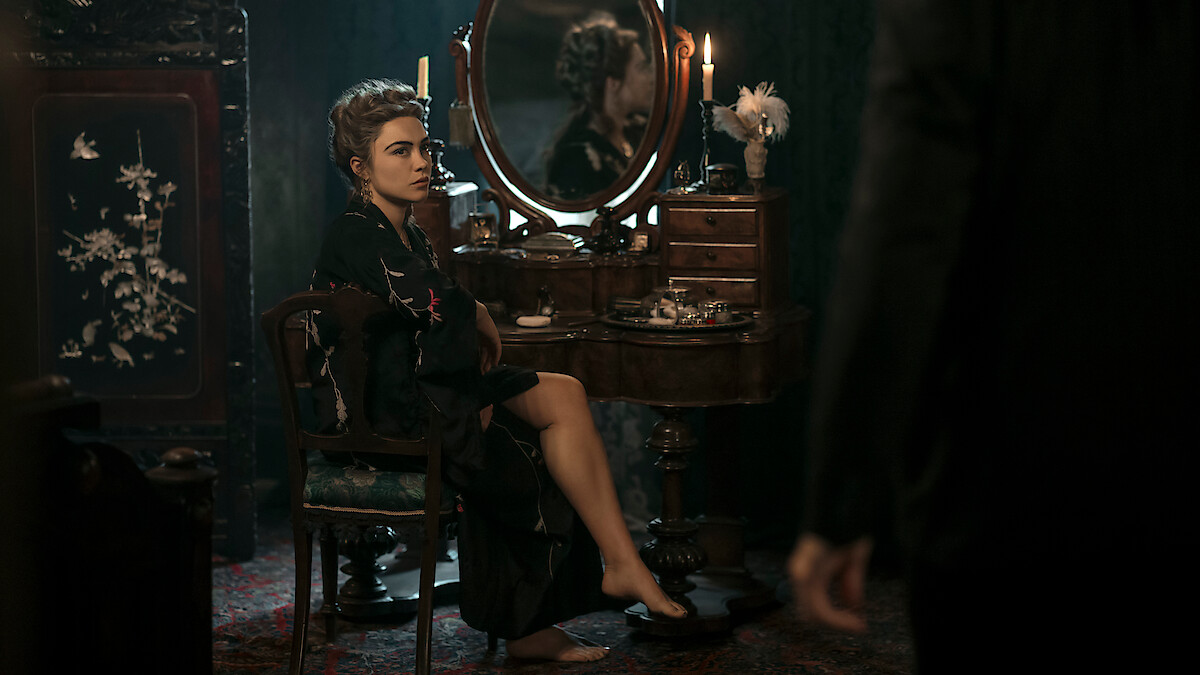
Something else that stuck with Kazan: Cathy Ames. Even Steinbeck’s omniscient narrator seemed confused by her, labeling her a heartless monster one moment and doubling back the next. Kazan found her Cathy in Academy Award–nominee Florence Pugh, who was eager to play this complicated woman.
“One of the things I’ve taken pride in is being able to give unlikable characters another chance,” says Pugh, who also executive produced the series. “It gives me an opportunity to try and understand these characters, understand their decision-making, have empathy for them, and try and allow for their story to be bigger than just the fact that they made evil decisions at some point in their lifetime.”
Cathy’s evil decisions spur East of Eden into motion, and also bring it to its indelible conclusion. Read on to dive into the final act of Kazan’s new series, now streaming on Netflix.
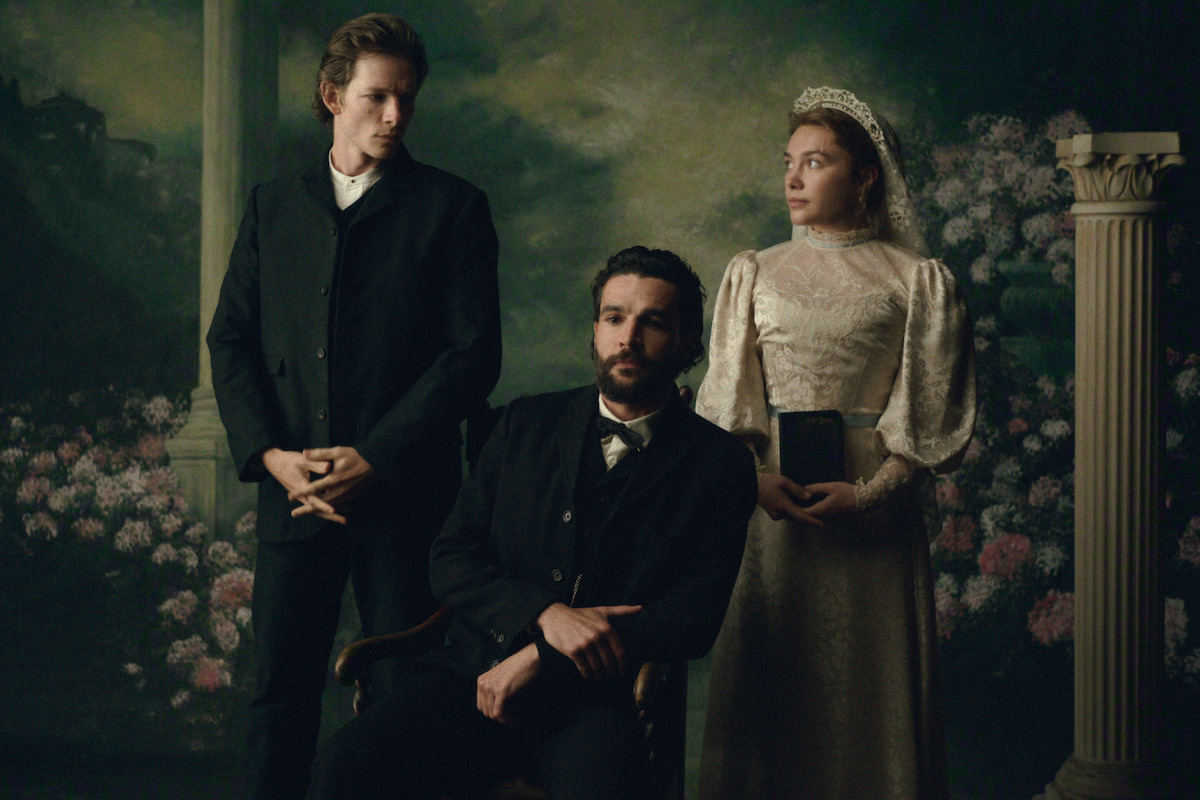
East of Eden’s opening episodes survey the childhoods of its three central characters: the Trask brothers, Adam and Charles, and Cathy (Pugh), the woman who comes between them. Prior to meeting Cathy, Adam and Charles were groomed for very different lives from one another by their Civil War veteran father, Cyrus (Tracy Letts); Adam is expected to inherit Cyrus’ military legacy, while Charles tends to the family farm.
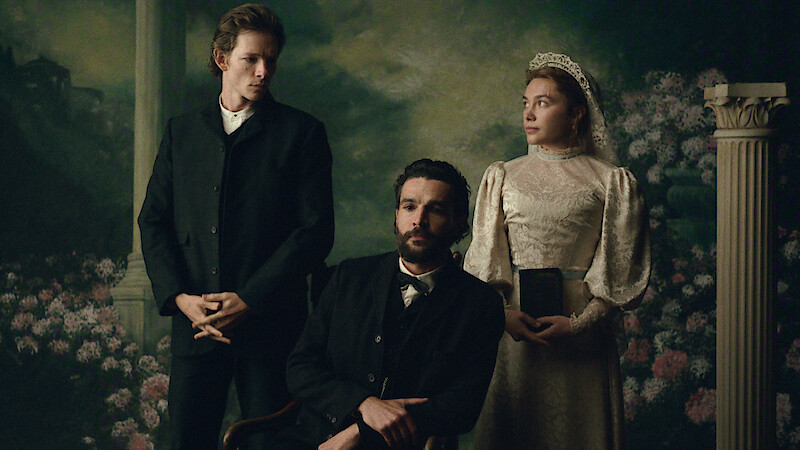
It’s an arrangement that breeds resentment and occasionally violence between the brothers. Adam refuses a plum position in Washington when his father offers it, and instead returns to the army and then to riding the rails. Charles, feeling abandoned by their father, remains at home and ultimately welcomes his brother back into the fold. “It’s a complicated relationship between Charles and Adam, with all the animosity and jealousy and rage that exists,” Faist says. “There’s also an incredible amount of love.” That love survives even the revelation that their father may not have been honest with them about his military service — and that he seems to have been embezzling from the army, compromising their inheritance and their sense of integrity.
Any harmony existing between the pair is shattered when Cathy crawls up to their doorstep after having been bludgeoned nearly to death. Adam insists on taking her in and caring for her, but Charles is more suspicious. “Charles is immediately skeptical of Cathy because he recognizes himself in her,” Faist says. “Kind recognizes kind.”
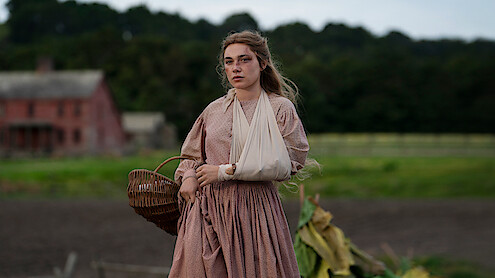
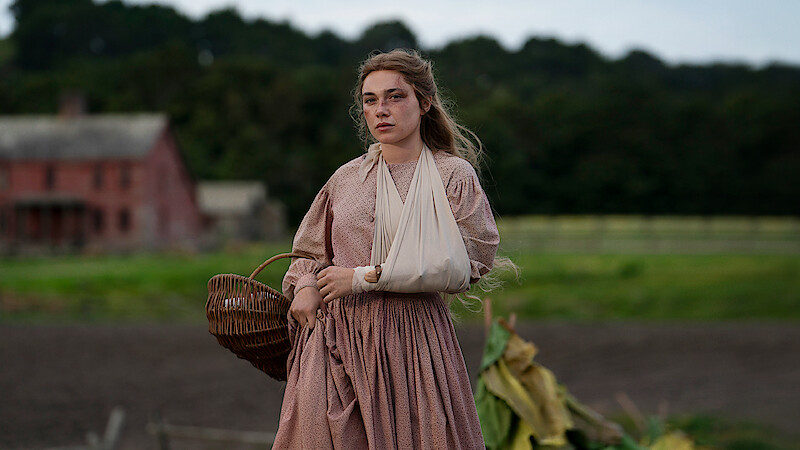
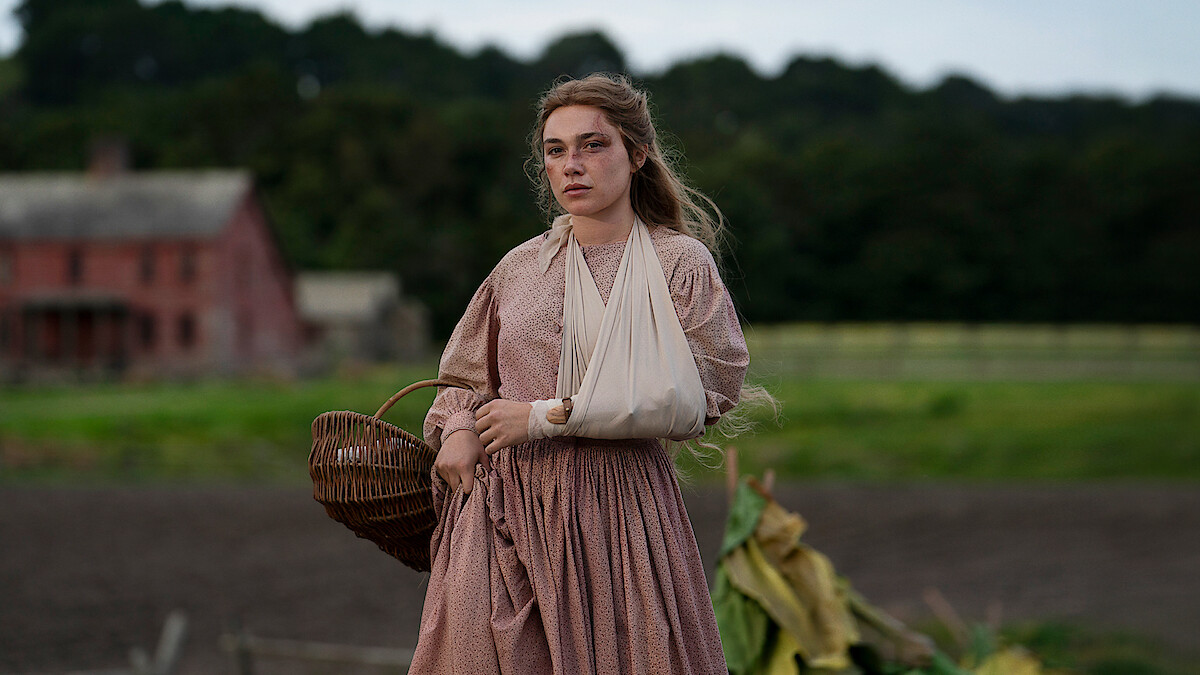
Episode 2 reveals that his suspicions are correct. Darkness in Cathy’s own childhood has created a monster. She drives a suitor to suicide and sets her family home on fire, burning her parents alive and faking her own death. As an adult, Cathy becomes the mistress of a brothel owner (Josh McConville). But when her lover grows suspicious of her intentions, he beats her within an inch of her life and leaves her for dead on the road outside the Trasks’ farm.
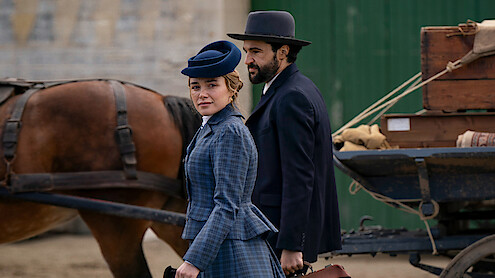
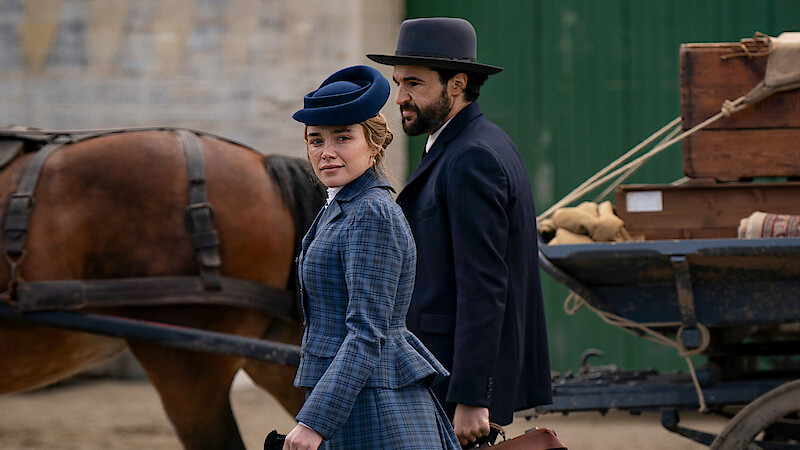
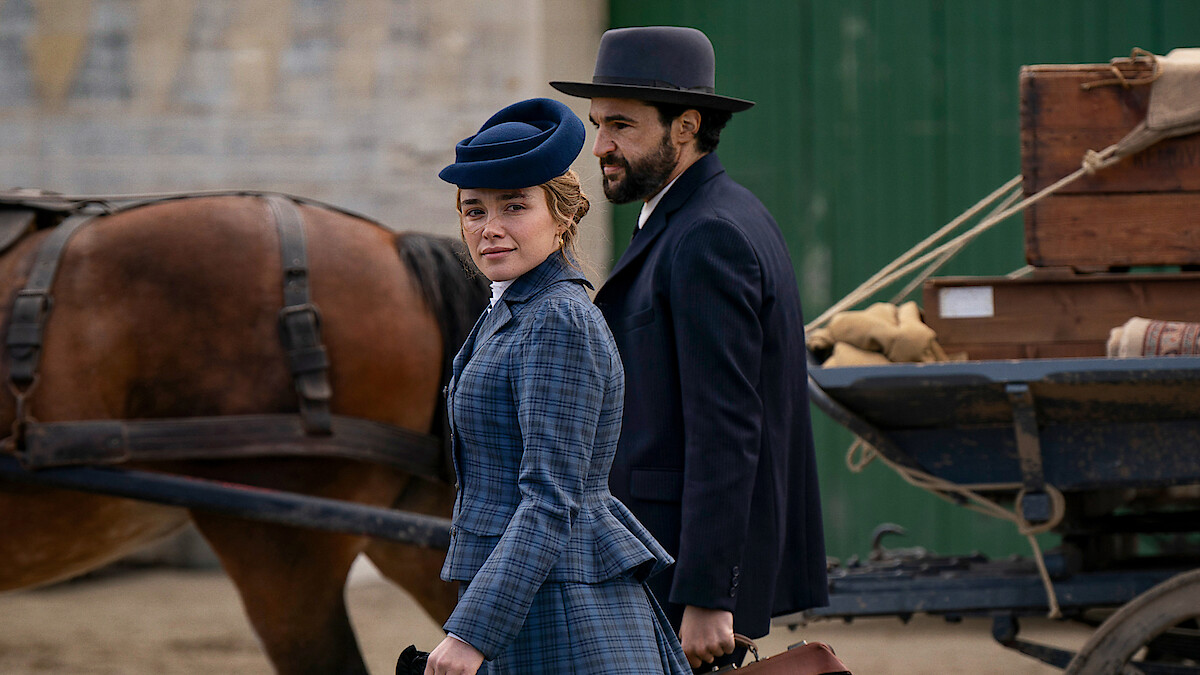
Cathy sees in Adam safety and security and agrees to marry him, but she sees a kindred spirit in Charles’s smoldering intensity — both even bear a forehead scar that binds them together as children of Cain. So after Cathy weds Adam, she falls into bed with Charles, leaving her new husband in a drugged slumber.
“She’s probably one of the most incredible characters in literature in the way that she handles herself, in how bold she is and how ruthless she is in how she looks after herself,” Pugh says. Adam has no idea what he’s signed up for.
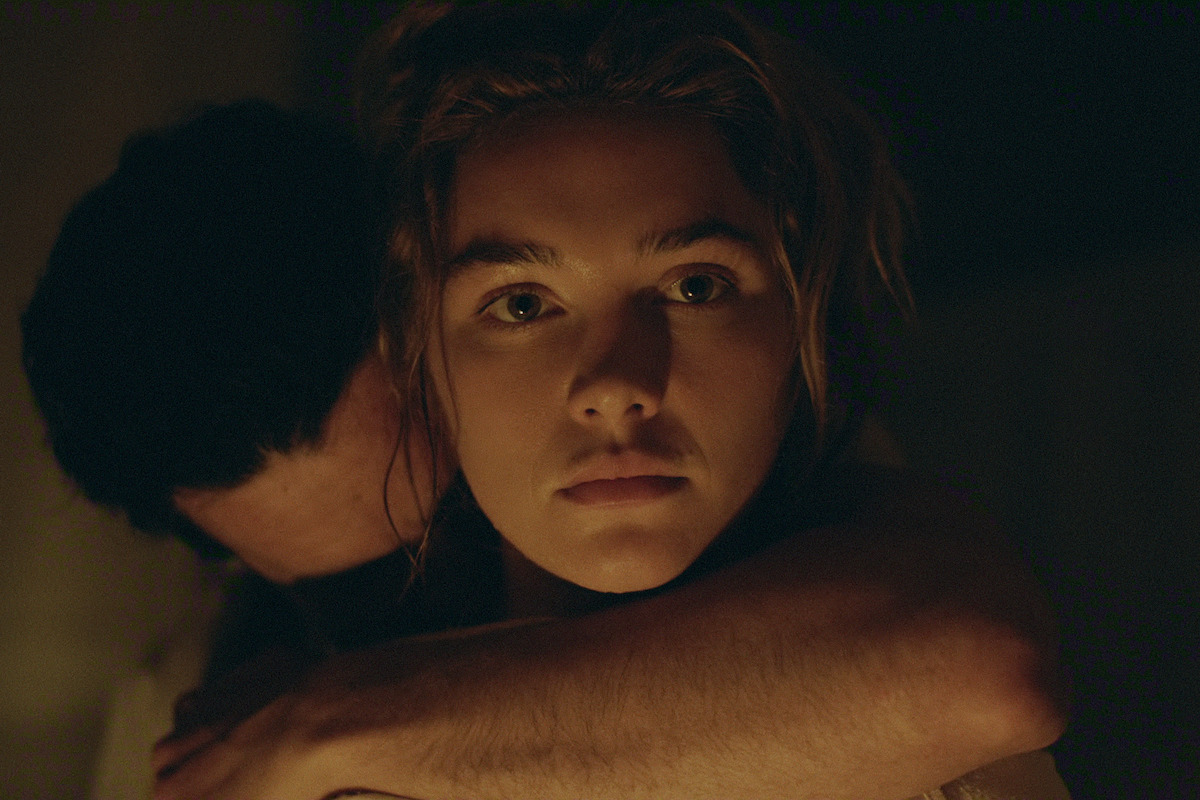
Cathy is very clear with her new husband: She has no interest in moving to California with him. But Adam books them train tickets anyway, and buys a large plot of land in the Salinas Valley with his inheritance from his father, despite Cathy’s active resistance. “He’s so blindly in love that he’s very unaware of what she’s doing,” Abbott says. “It’s a very interesting dynamic to play because often Cathy will say something, and it’s almost as if Adam doesn’t hear it, either chooses not to or actually doesn’t.”
Soon enough, Cathy feels caught in a trap she never expected for herself: motherhood. She takes matters into her own hands and attempts to give herself an abortion, but after she fails and almost bleeds to death, the doctor who examines her threatens her if she ever tries to make this choice again.
Cathy never welcomes the idea of motherhood, even after giving birth to twin boys. Even while she’s laboring, she resists what’s coming, biting the hand of her new neighbor, Sam Hamilton, when he offers it in aid.
It’s not long after her children are born that Cathy makes her move to leave the life she doesn’t want. Steadfast that Adam can’t stop her from abandoning their family and home, Cathy shoots her husband, leaving him for dead. Though Adam recovers physically, he’s emotionally devastated. He neglects his newborn twins, leaving them unnamed until Sam, with the help of the family’s Chinese manservant Lee (Hoon Lee), persuades him to give the boys the dignity of being named. They name the pair Aron and Caleb or “Cal,” after two biblical figures, while their mother leaves this Eden for good.
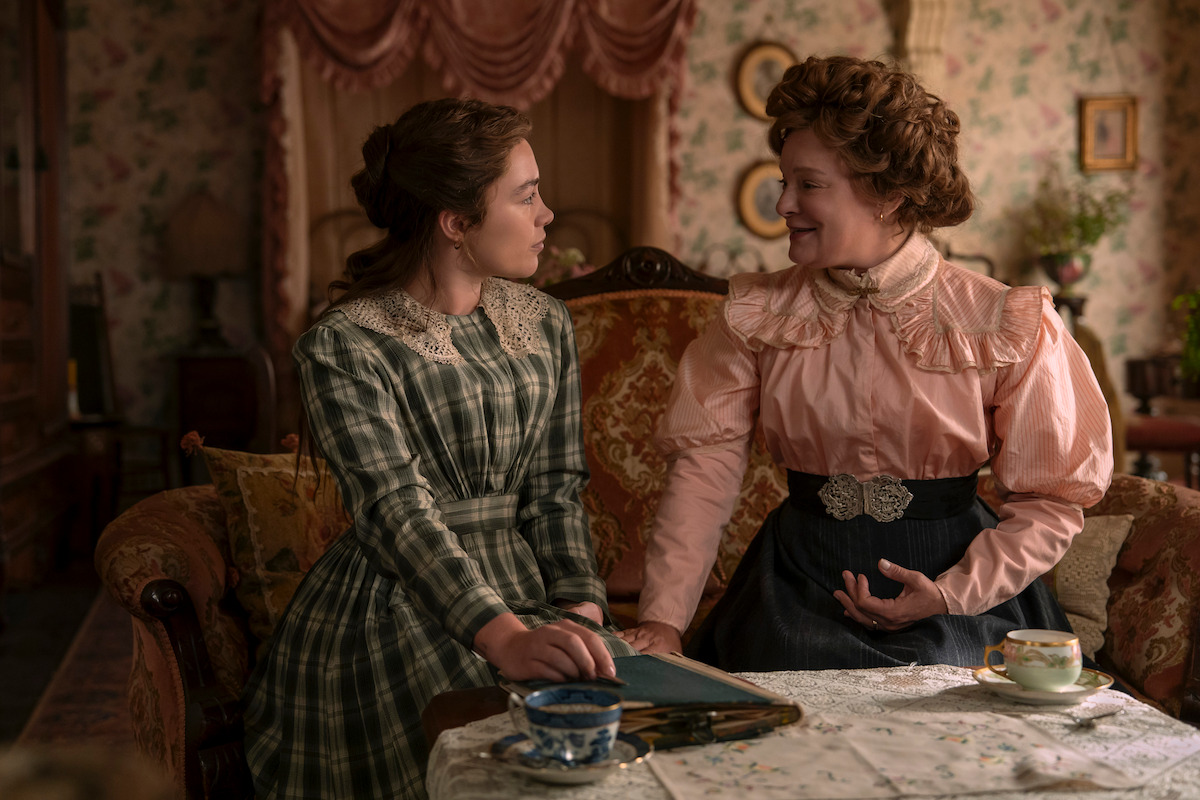
While her sons grow up without her, Cathy reverts to her prior profession, once again becoming a sex worker, but this time at a brothel run by a woman, Faye (Martha Plimpton). “[Sex work] was an option for financial independence,” Pugh says. “Obviously, sex can be used in exploitative ways, but it was the way that Cathy found her security and her financial independence. [A brothel] was one of the only businesses that women could own and earn their own money without it being sent to a man’s bank account.”
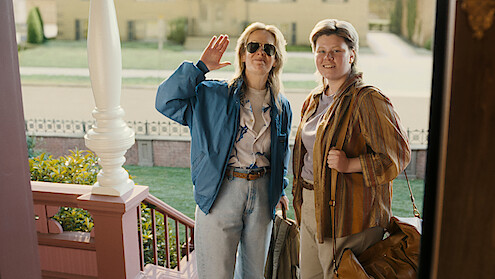
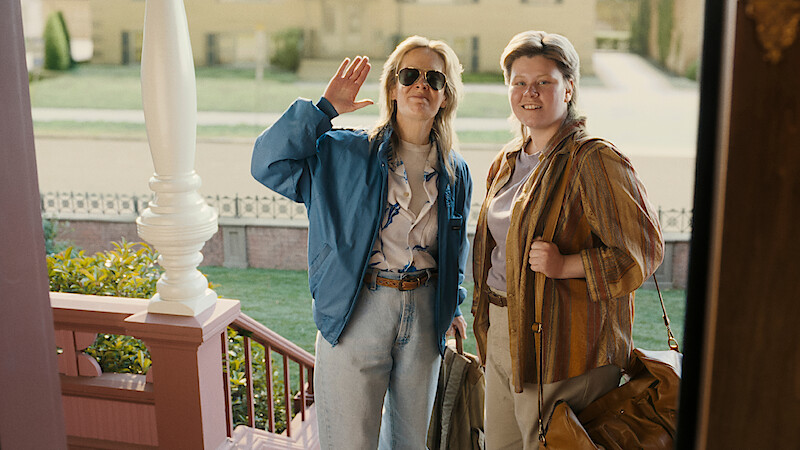
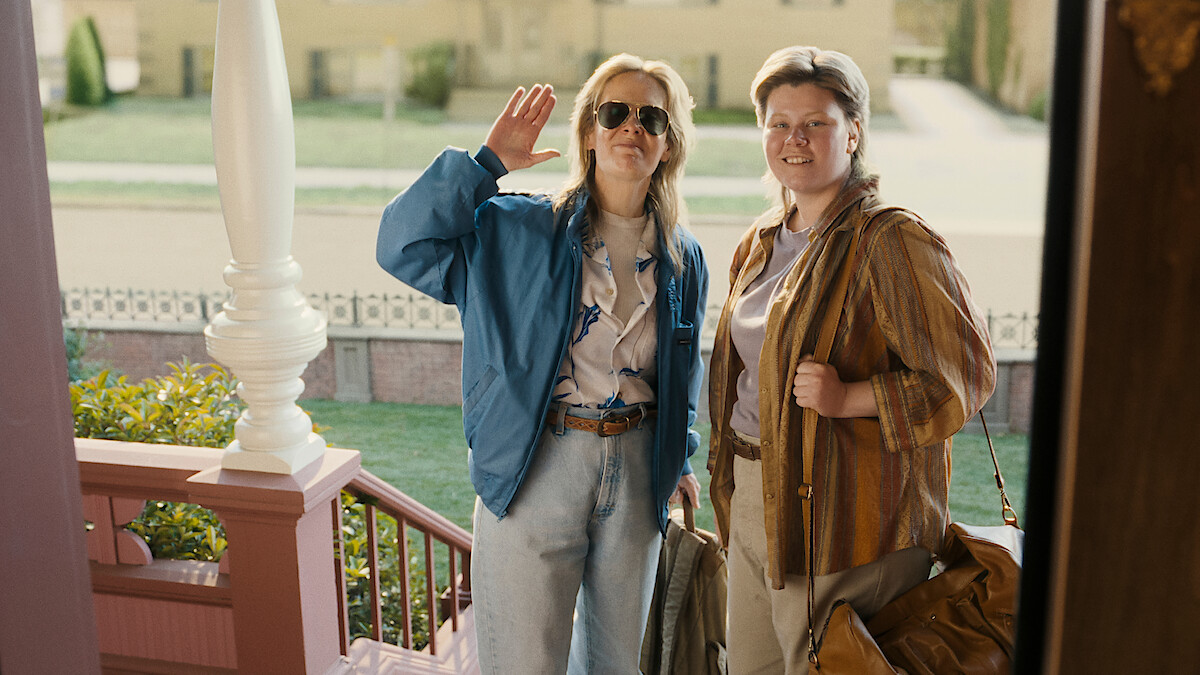
Cathy finds herself under Faye’s wing after the kindly madame takes a shine to her. “When [casting director] Ellen Lewis and [co-showrunner] Jeb [Stuart] and I were talking about casting the character of Faye I asked, can you think about some of the great ingenues of the 1980s and 1990s?” Kazan says. “It felt to me like, Faye should be maybe a 20- or 30-years-older version of what Cathy might be.” With Running On Empty and Parenthood star Plimpton, the production found the perfect Faye, who indeed treats Cathy like a beloved younger version of herself — a daughter of sorts.
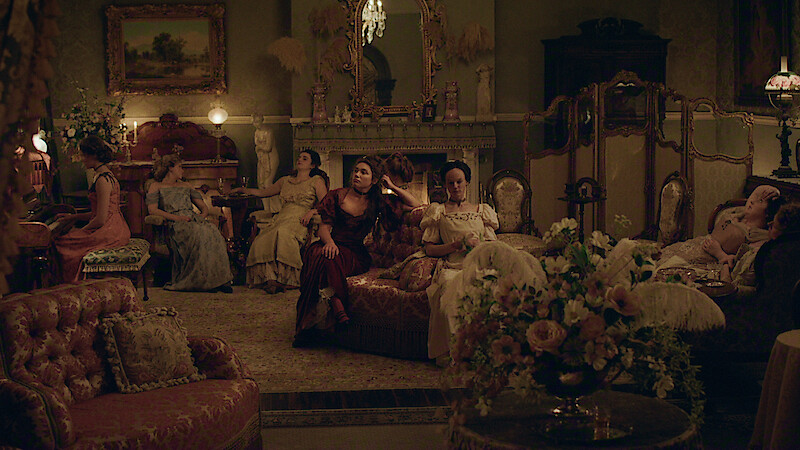
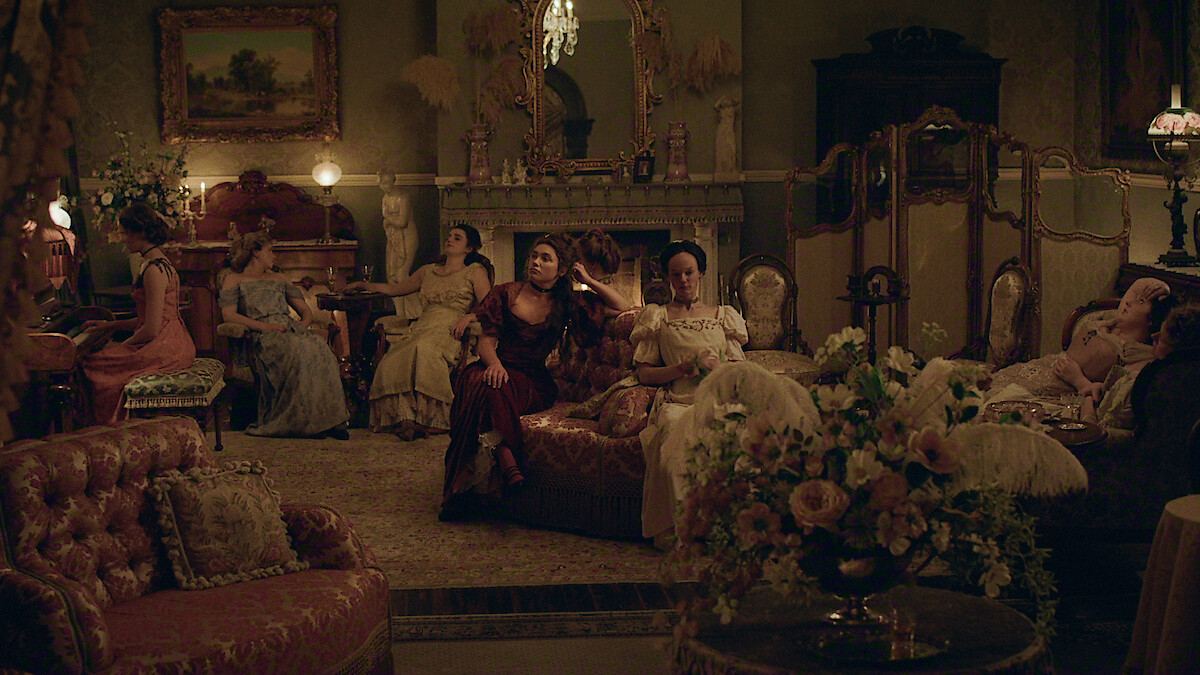
Desperate to remove Cathy — now known as Kate — from the gritty conditions of sex work, Faye makes the young woman her heir — a position that Cathy accepts, before having a bit too much champagne and letting her cruel side out. Faye wakes up the next morning determined to believe their evening was a dream, but the damage is done. Over the next few months, Cathy torments her “mother,” drugging and abusing her to death’s door. When the opportunity arises, she finishes the job, and takes over the brothel as Kate. As the Rolling Stones’ “Paint It Black” plays, Faye’s formerly friendly business gets a very bleak makeover.
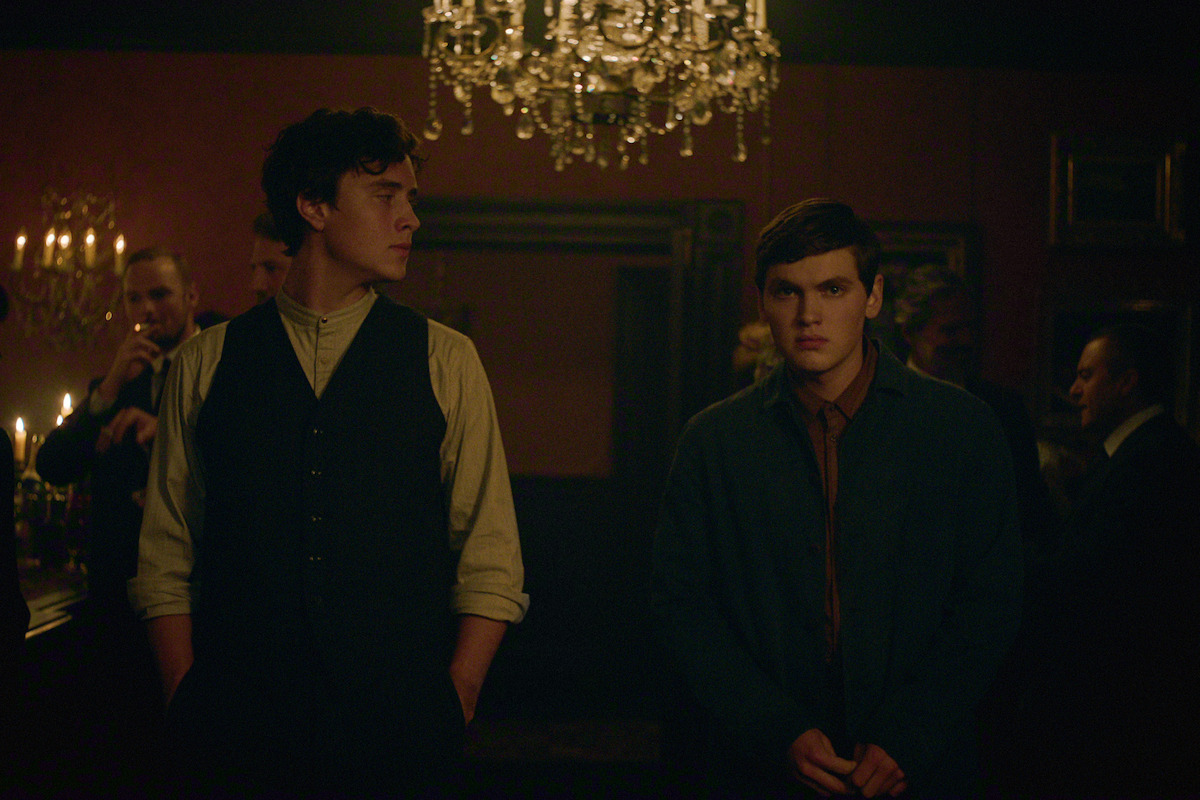
As young adults, Cal and Aron seem perilously close to recreating the same tragically bitter relationship that Adam and Charles had, right down to a love triangle. “We see how Adam’s goodness and Cathy’s amorality meet and are expressed in the new generation,” Kazan says. “The story really asks, are we capable of change? Can we escape the past? And if we can’t escape the past, how do we move forward into a different kind of future?”
But Cal and Aron do have a father figure that nature didn’t account for: Lee. “I think he’s in a lot of ways the true parent to the last generation in the story, to Cal and Aron,” Kazan says. “This is a story of fathers and sons, and of what one generation passes on to the next.”
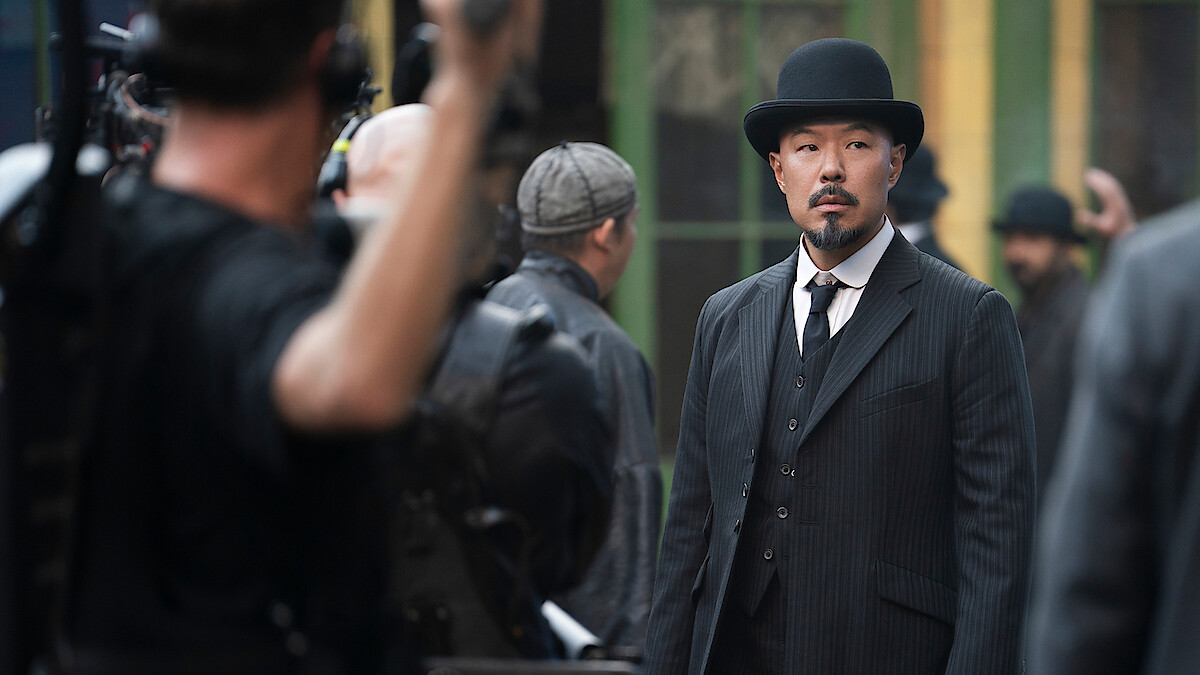
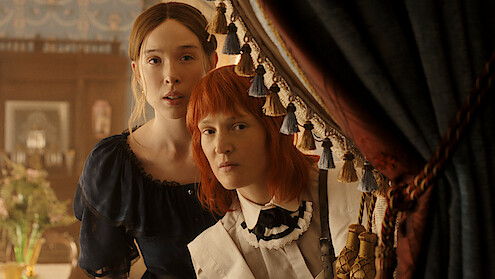
Lee is one of the most subversive elements of Steinbeck’s novel, which the series honors. “He’s assumed the outward aspect of a Chinese immigrant,” Lee says. “He wears a long queue and traditional clothing. He speaks with a thick pidgin accent, and we learn that this is a mask. It’s a way for him to, in his own words, be understood by other people who are only able to accept him with that affect and with that presentation.”
The series makes a few changes to Lee’s story, and what Kazan refers to as “unfolding.” “Imagine a paper fortune teller and you can unfold it and see all the creases that make it take its shape, and then you can refold it and understand it in a different way,” she says. “That’s what I was trying to do.”
Lee lives with the Trasks and devotes himself to being an “imaginary wife” to Adam, raising the two boys as if they were his own. “The Adam and Lee dynamic was my favorite,” Abbott says. “It’s just the most beautiful platonic romantic relationship. They become this old married couple raising these kids.”
The twins couldn’t be more different: Dark-haired Aron is the golden boy, while sunny-looking Cal nurses a darkness. Both boys believe their mother is long dead and buried in the east. But Cal soon learns otherwise, and makes his own visit to Cathy’s brothel, now notorious for its violent services.
A bereft Cal returns from this meeting sure that he is doomed to repeat his mother’s sins. But Lee reminds him that his fate will be decided by his own choices, not by his genetics — timshel. Cal moves forward determined to make his own future; he invests in soybean futures as a way of making back money his father lost in an ill-advised business venture to ship lettuce cross-country in frozen train cars.
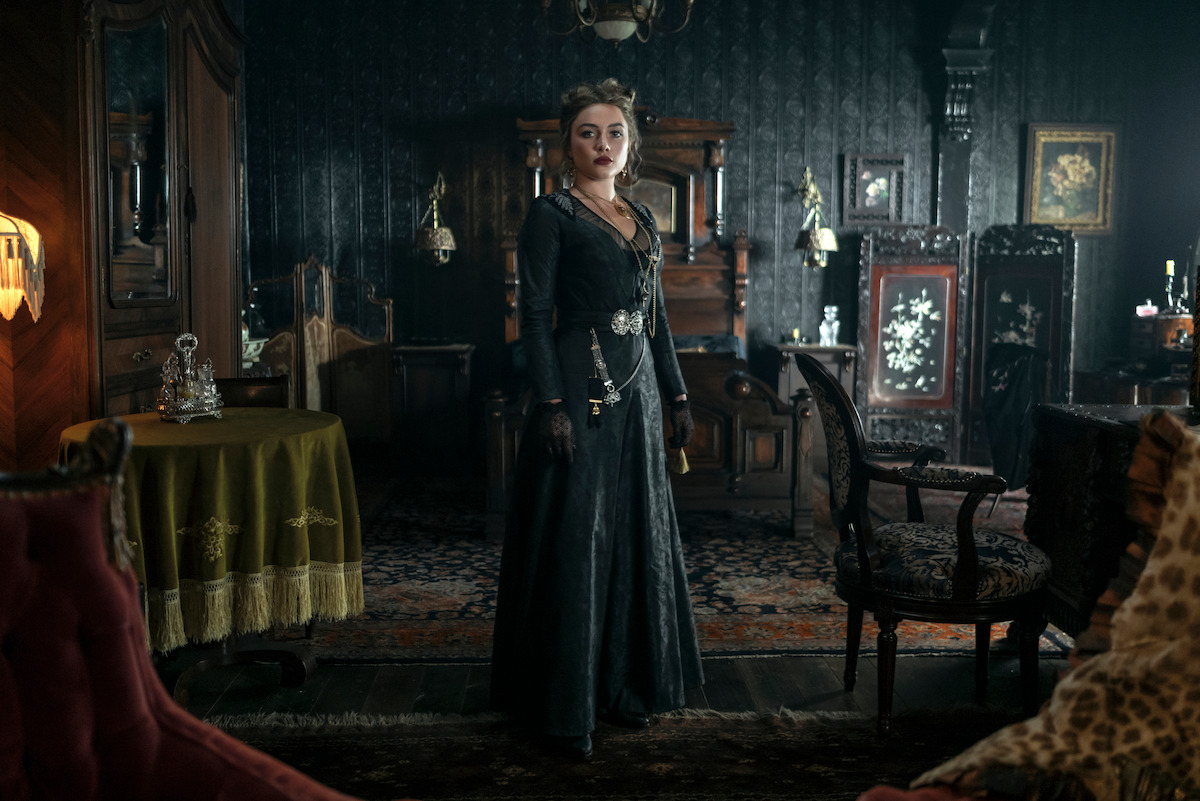
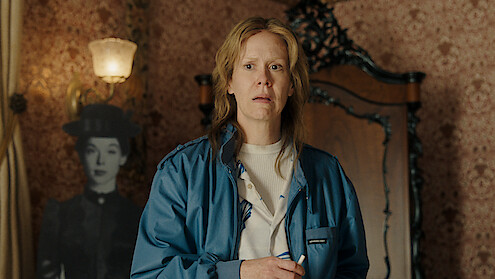
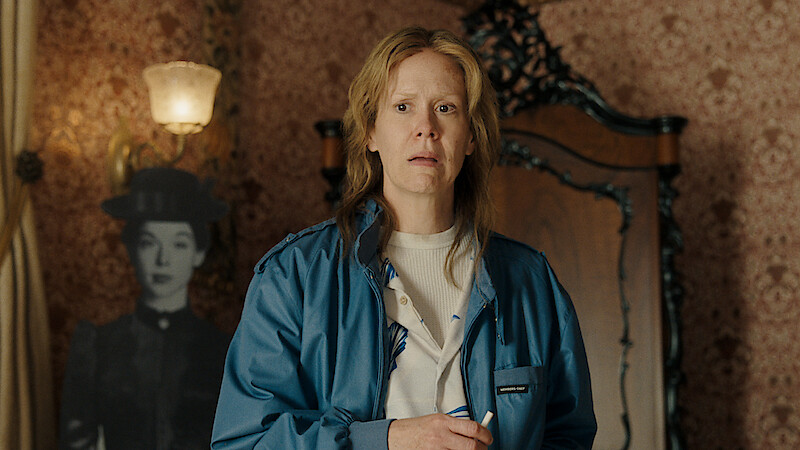
By the final episodes, Cathy has retreated into the heart of darkness at the center of her brothel. She rules a kingdom of her own making and maintains her status by blackmailing powerful men — but paranoia begins to creep in. Cathy becomes convinced that a former employee knows she killed Faye, and sets her manservant Joe (Brad McMurray) on the trail. But when he tries to extort Cathy, she begins to feel the walls closing in. She sends word to the sheriff to arrest Joe for a prior crime, and sinks into her memories.
One of those memories is of Charles, who died years before, and manifests as a ghostly companion for Cathy in her final hours. “This is a story about these people who are dealing with their own inner demons and trying to keep them at bay, and some do a better job of that than others throughout the story,” Faist says.
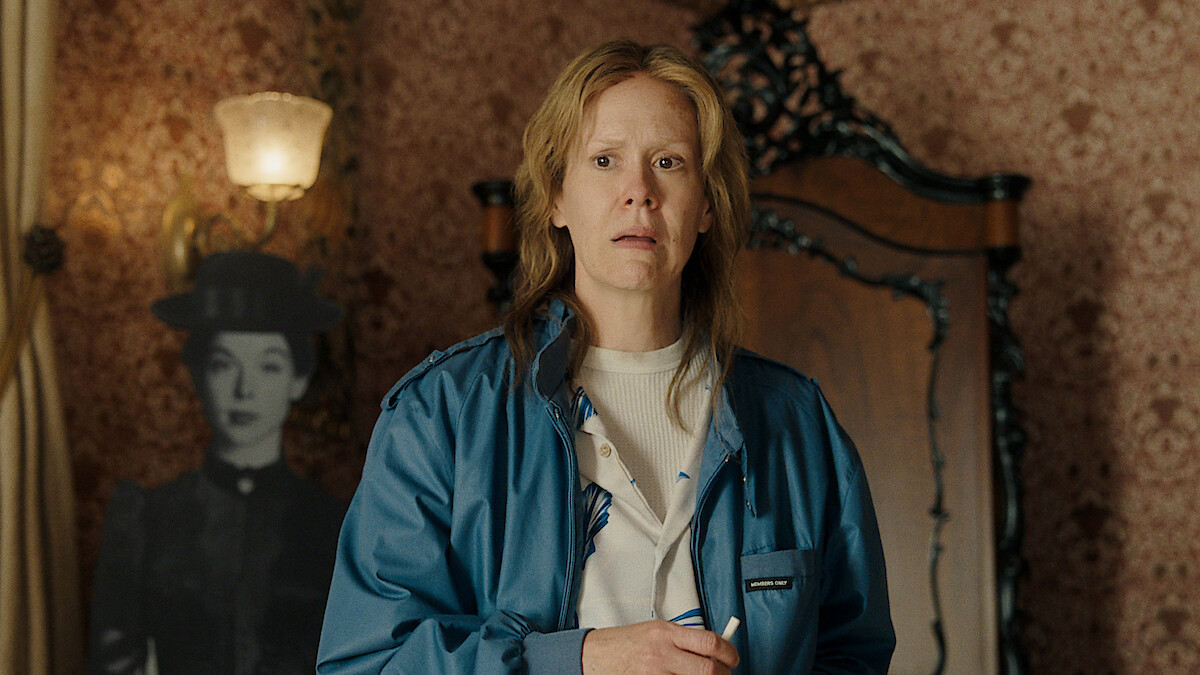
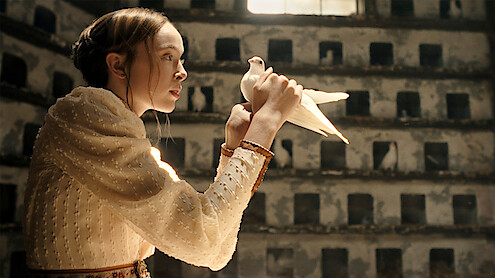
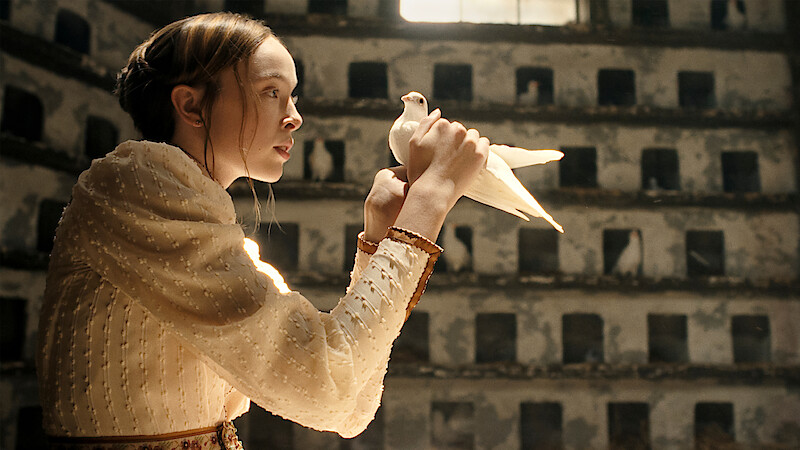
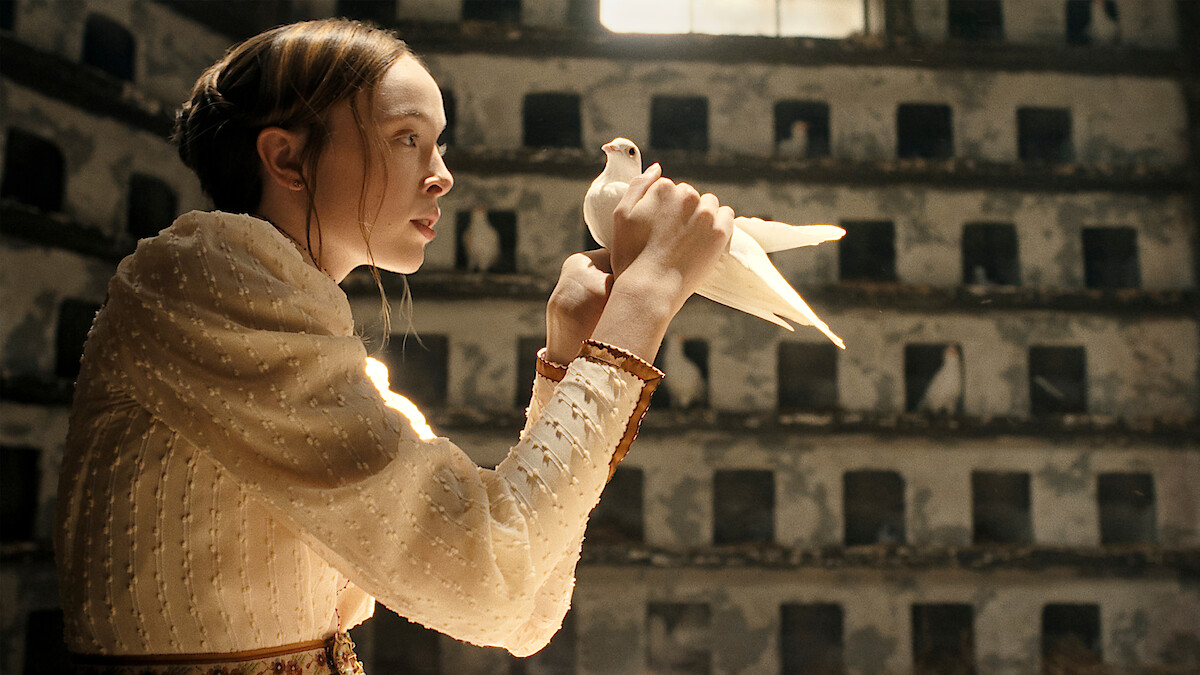
Cathy’s final scene returns to the opening of the series: a chilling image of young Cathy reading Alice in Wonderland and being beckoned into the woods by an ominous figure. “Something happened to me when I was five years old,” she tells the ghostly Charles. What exactly that something is remains left to the imagination.
This possible origin for Cathy’s broken psyche was another example of Kazan’s “unfolding” of Steinbeck’s novel. “In the book, there is the implication of two little boys raping Cathy when she's quite small,” she says. “There’s also this relationship with a teacher that is definitely an inappropriate way for a teacher to behave towards a student. In the book, Steinbeck really blames Cathy for those things and uses them as evidence of her evil nature. I see it really differently.”
Kazan turns Cathy’s use of the Alice in Wonderland “Drink me” potion into a final moment of dissociation, where Cathy sees her younger self and says goodbye to the harsh world for good. “She knows that it’s the end,” Pugh says. “And in that moment she is visited by her younger self, at the age that she was first abused. The beginning of it all, the beginning of not being listened to, the beginning of not being believed, the beginning of being abused, created the knock-on effect that allowed her to make the decisions that she did throughout her whole life.”
With that, Cathy is gone, but she leaves behind a legacy that will continue to haunt her family.
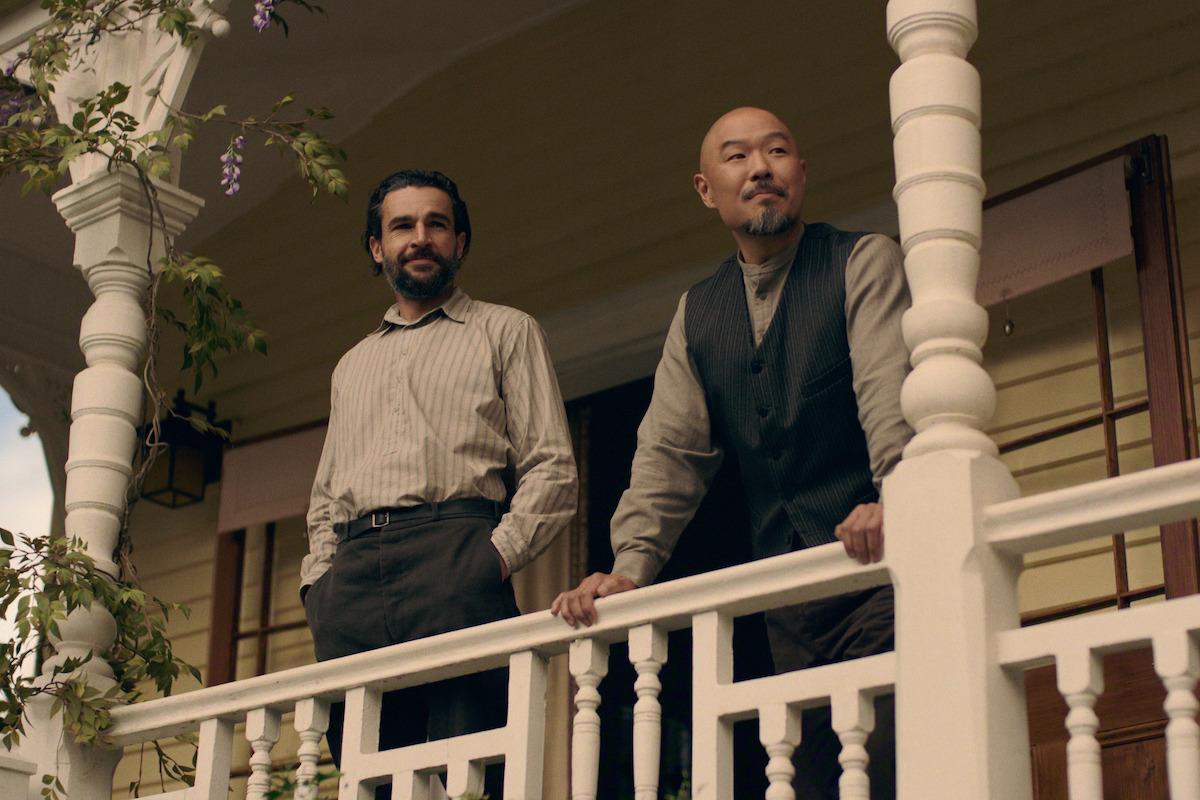
Depressed after losing his family’s fortune, Adam focuses his attention on the fates of others: the young men of Salinas who are now being called to serve their country in World War I. Meanwhile, it falls to Cal to care for his brother, even offering to pay Aron’s way through college with the money he’s made going into business for himself. But everything comes crashing down when Adam rejects Cal’s financial boon, refusing to accept money he sees as being made on the back of the war effort. Cal is devastated, and, in his anger and pain, he reveals the truth about their parentage to Aron as a twisted kind of revenge.
In response, Aron does the unthinkable: He leaves college and joins the army, desperate to make his own way. When he receives the news, Adam has a stroke. He recovers, but soon hears even worse news: Aron has been killed. Adam’s second stroke renders him paralyzed and unresponsive.
Racked with guilt over his contribution to his father’s misery, Cal retreats into himself. But once again, he is rescued by Lee, who pushes him to his father’s bedside and begs the pair to reconcile. “Lee is the hope in this storyline,” Pugh says. “He’s one of the most beautiful characters to follow throughout the series; it’s because of him that the family learns how to care and to show up for each other and to forgive each other.”
Adam chokes out the word that defines East of Eden: Timshel. His son curls up beside him in bed, understanding once more that his future is his own to write. “Those terrible things, whatever they may be, those shameful things, don’t overshadow our ability to choose now and to learn and change,” Kazan says. “In that way, I think the book is really pro ‘the Fall of Man.’ It’s pro leaving Eden. It’s saying, ‘Well, if we stay in stasis, in perfection, change is not possible.’”
For Cal, and Adam, and Lee, change is possible — and necessary.
East of Eden is now streaming on Netflix.