PHOTO BY JOO JAE-BUM
Interview
Lee Chang-dong on What Makes Possible Love Possible
The filmmaker on labor, desire, and the project he couldn't not make.
By Jenny Changnon
Sept. 30, 2026
For filmmaker Lee Chang-dong, the narrative nuances of his first film in eight years begin with its title. “I noticed that people find the title Possible Love more unfamiliar than I expected. I think the reason it can feel rather unfamiliar has to do with how most love stories are about love that is difficult to attain. This is the classic archetype of a love story,” says Lee, the film’s director, co-writer, and producer. “When destiny – such as social class, status, or a Romeo-and-Juliet situation – stands in the way, and the more dramatic the obstacles are, the more compelling the story becomes. But our film is called Possible Love, which can be seen as a paradoxical question. It is a story that asks what kind of love is really possible, and what meaning such a ‘possible love’ truly holds.
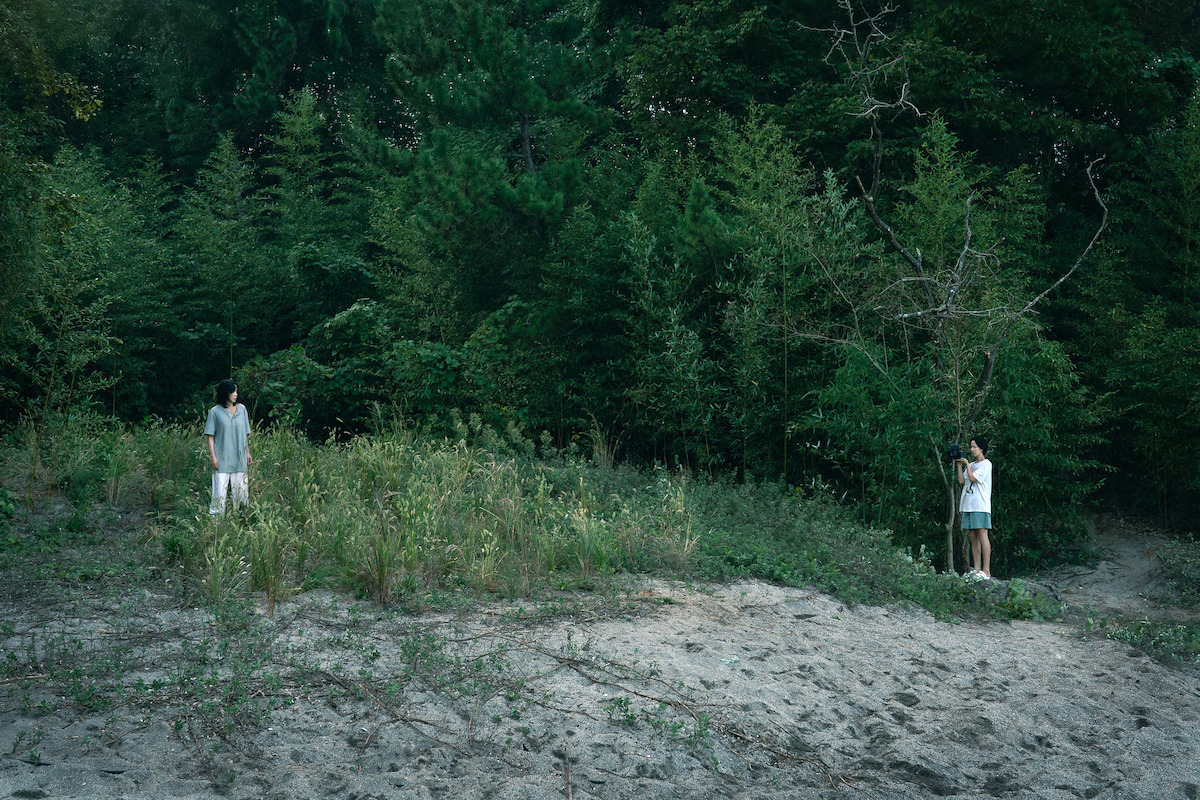
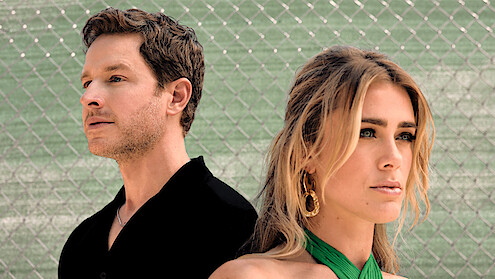
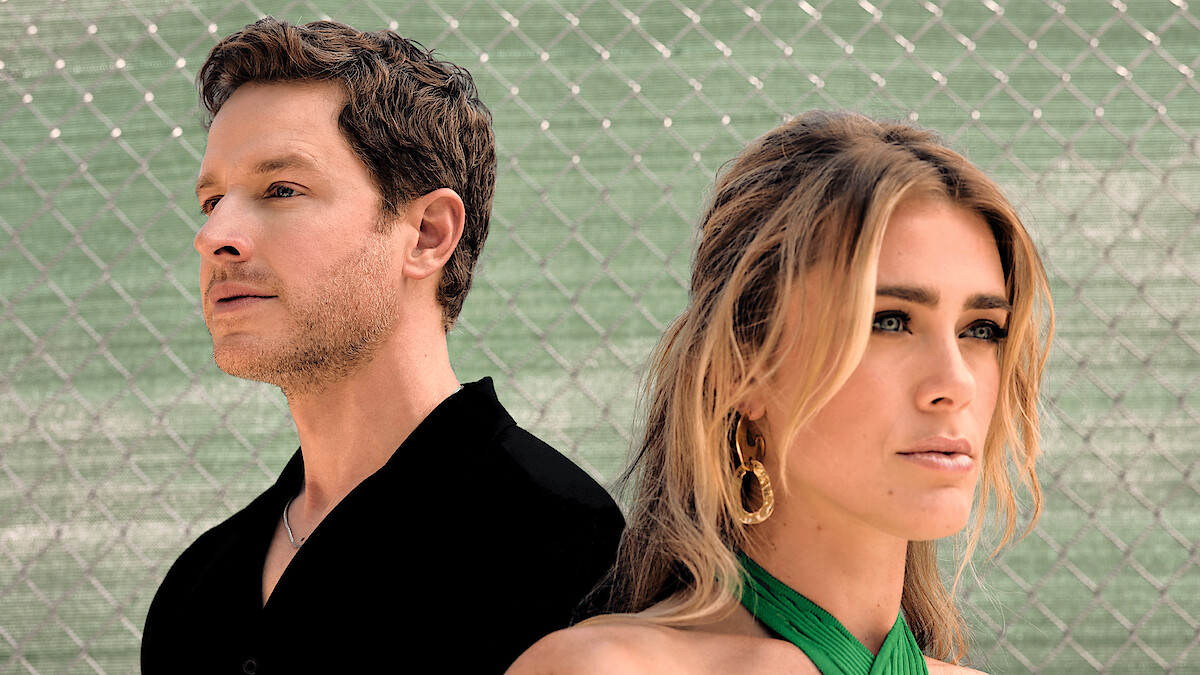
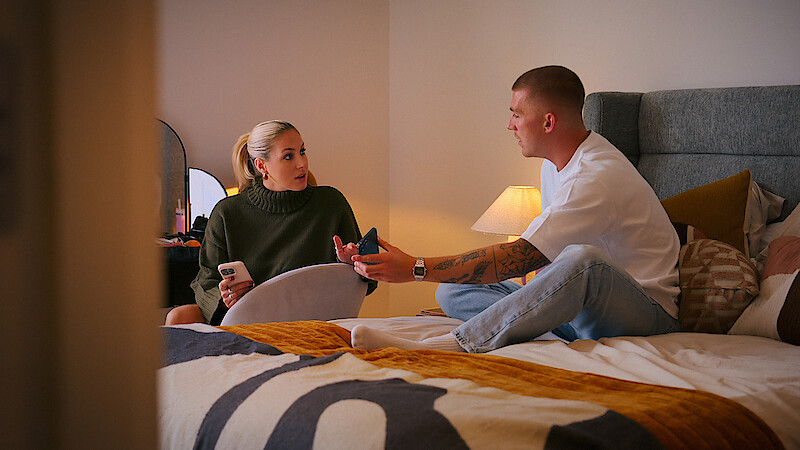
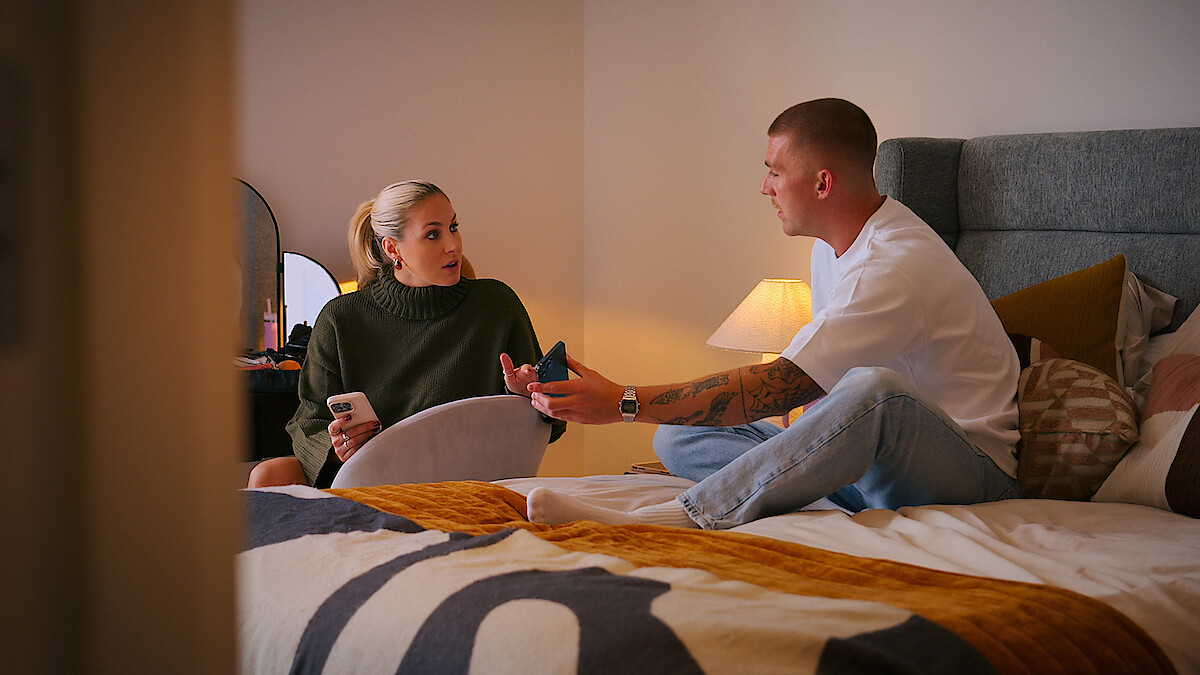
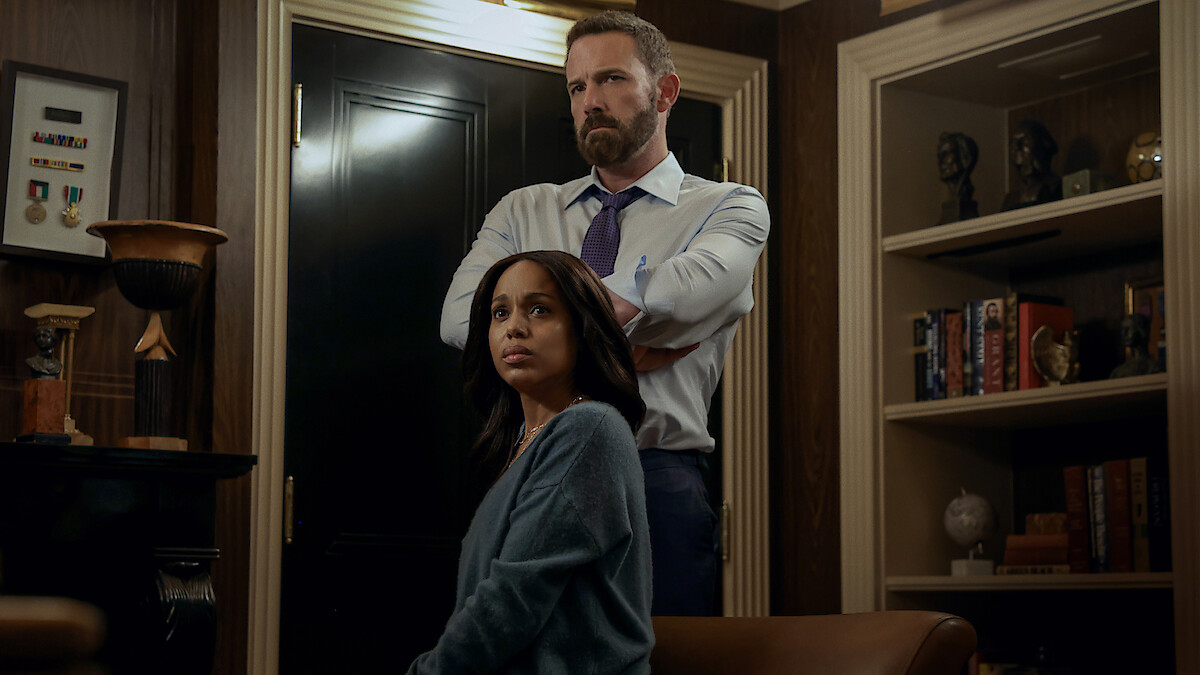
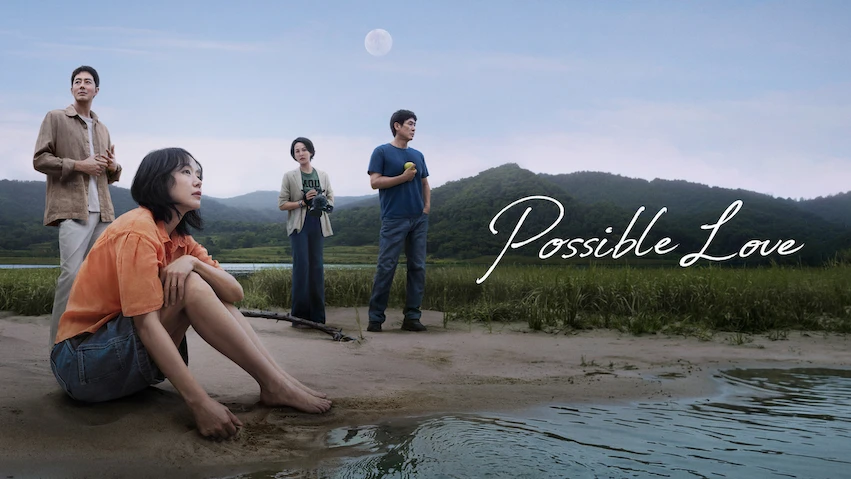
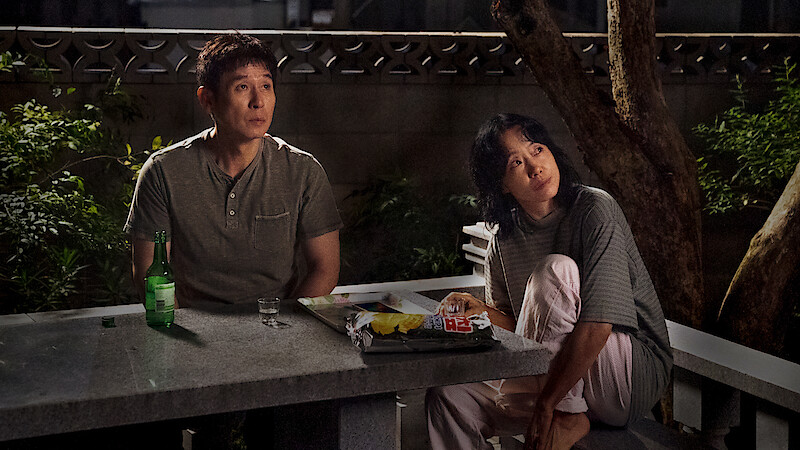
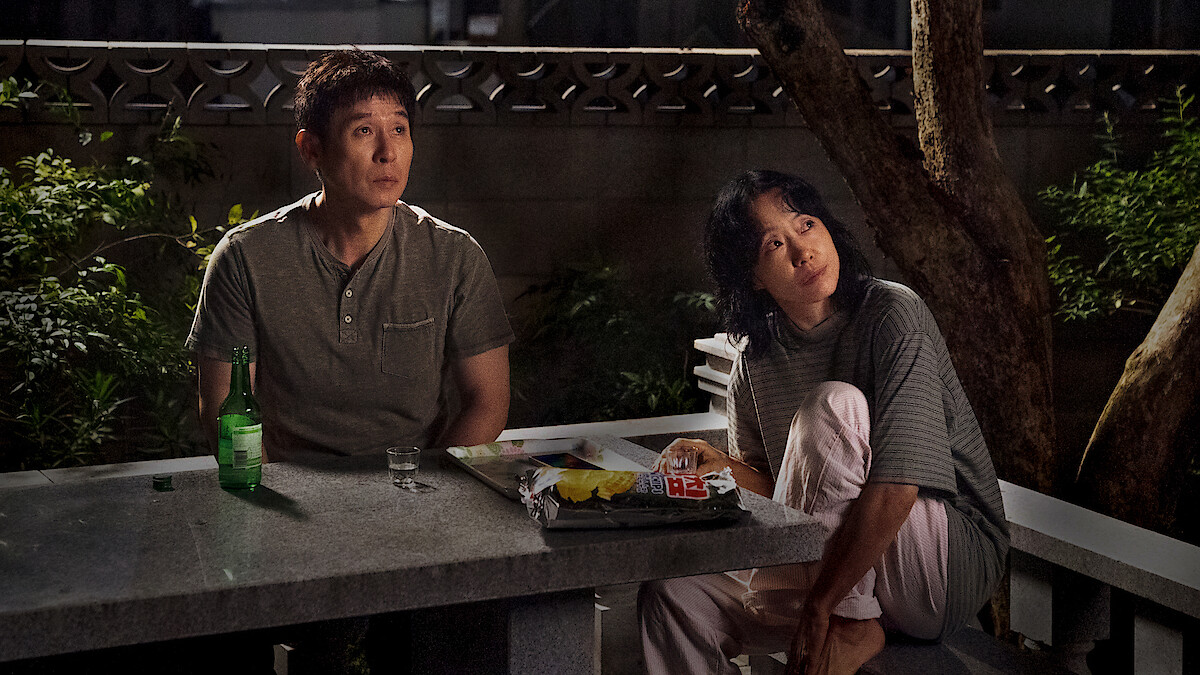
In the sweeping yet intimate drama, the lives of two couples from opposite ends of modern Korean society collide after an unexpected encounter. After a chance meeting at a funeral, Mi-ok (Jeon Do-yeon) is approached by documentary filmmaker Ye-ji (Cho Yeo-jeong), who asks if she and her unemployed husband Ho-seok (Sul Kyung-gu) would want to be a part of her latest project, which focuses on the struggles of laid-off workers in Korea. While Mi-ok is open to the friendly Ye-ji and her enigmatic businessman spouse Sang-woo (Zo In-sung), Ho-seok is less impressed by the well-heeled couple. Ho-seok’s cold unwillingness to look back on what led to him losing his job only further fascinates Ye-ji as she angles to make an affecting documentary. Possible Love opens with the phrase “Thou shalt not covet,” and over the course of the film, the foursome must reckon with their unspoken desires — a desire for wealth, for connection, for success, for community, to be seen fully by another person. “In this capitalist world we live in, is this a commandment that can be kept?” posits Lee.
Possible Love, which debuted at the 2026 Venice International Film Festival where Lee was awarded the Silver Lion Grand Jury Prize, is the beloved auteur’s first film since 2018’s Burning, which became the first Korean film to make the shortlist for Best Foreign Language Film at the Academy Awards. “I’m not the type of filmmaker who can make movies easily. I ask myself, ‘Does this film have meaning?’ and unless I can answer that with confidence, I simply cannot start production,” he explains. “About a decade ago, there was a mass layoff at a large corporation, which led to a general strike, and the authorities responded in a forceful manner that greatly shocked Korean society — and I thought, ‘I have to make this into a film.’”
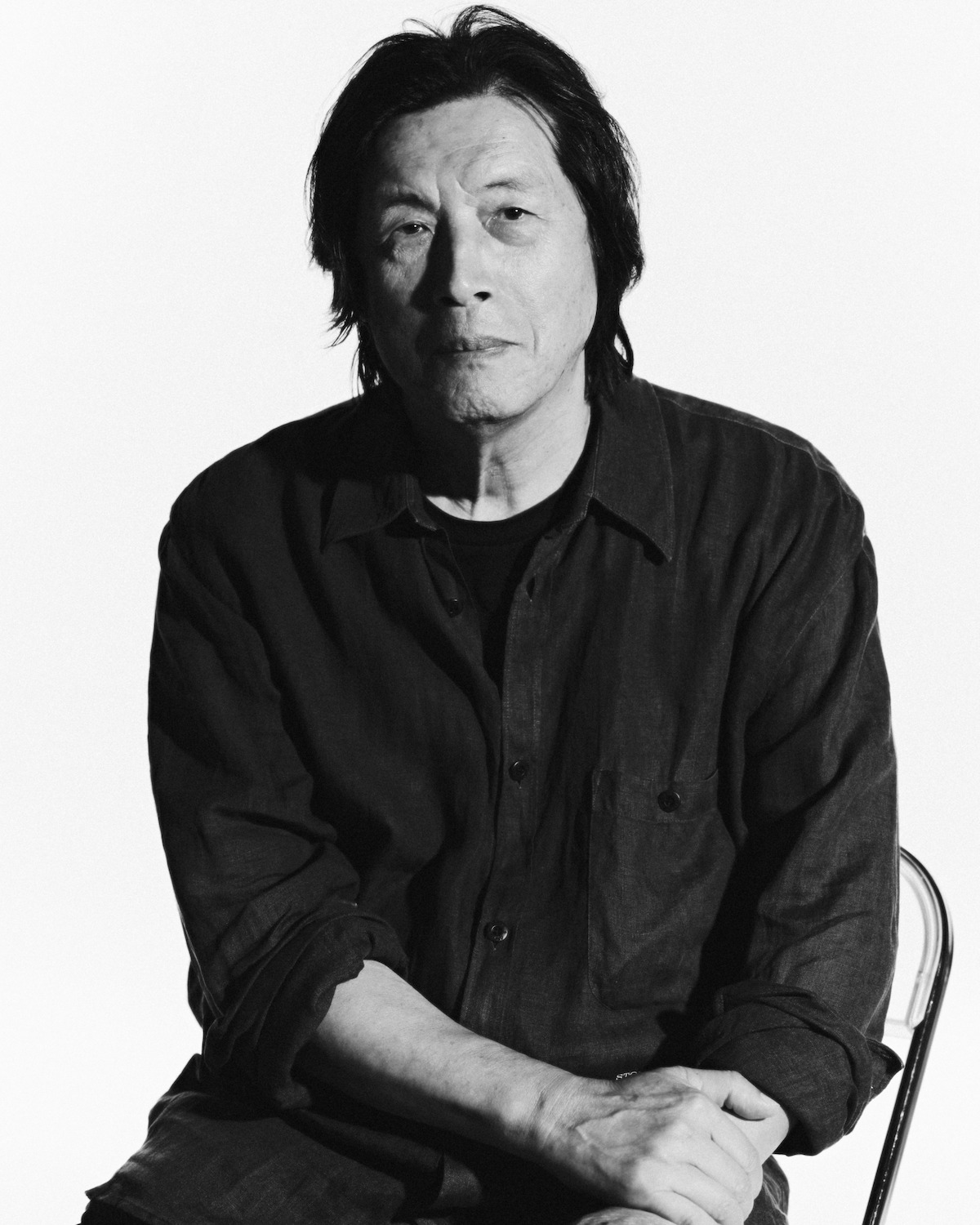
This story lingered with Lee over the years, and his uncertainty about a project focused on struggling workers subsided as the cultural moment in Korea shifted. “Time passed, and labor issues brought such change not only for Koreans but for human lives in general — such critical change. It felt like labor itself began to disappear, which is also mentioned in this film, and I began to think it is time to tell this story,” says Lee. His co-writer Oh Jung-mi had the idea to weave in the story of a documentarian, which brought even more creative momentum for Lee. “That’s how it became my story. So it’s not just a story of a laborer, but because I’m a filmmaker, the two stories were brought together, and I started thinking, ‘Ah, I think I can tell this story now,’” he explains. “Along with my self-consciousness, the self-consciousness of a filmmaker, I thought it could become an honest story. That’s how this film began.”
Lee turned to trusted collaborators, as well as new ones to bring these closely observed individuals to life. Jeon, who previously starred in Lee’s Secret Sunshine, and Sul, who worked with Lee on both Peppermint Candy and Oasis, attached themselves to the project when it was just an early idea, and stayed connected to it over the years. The two actors even reunited with Lee on the short film Heartbeat, in 2022, while Possible Love was still simmering in Lee’s creative consciousness. “I was very happy to be able to keep my word to the two of them, and to have them play their parts as was planned,” remarks Lee. “I thought that these two were the only people who could portray Mi-ok and Ho-seok. Both characters needed to be full of life; they needed to show that authenticity, and the two were just the actors capable of doing that.”
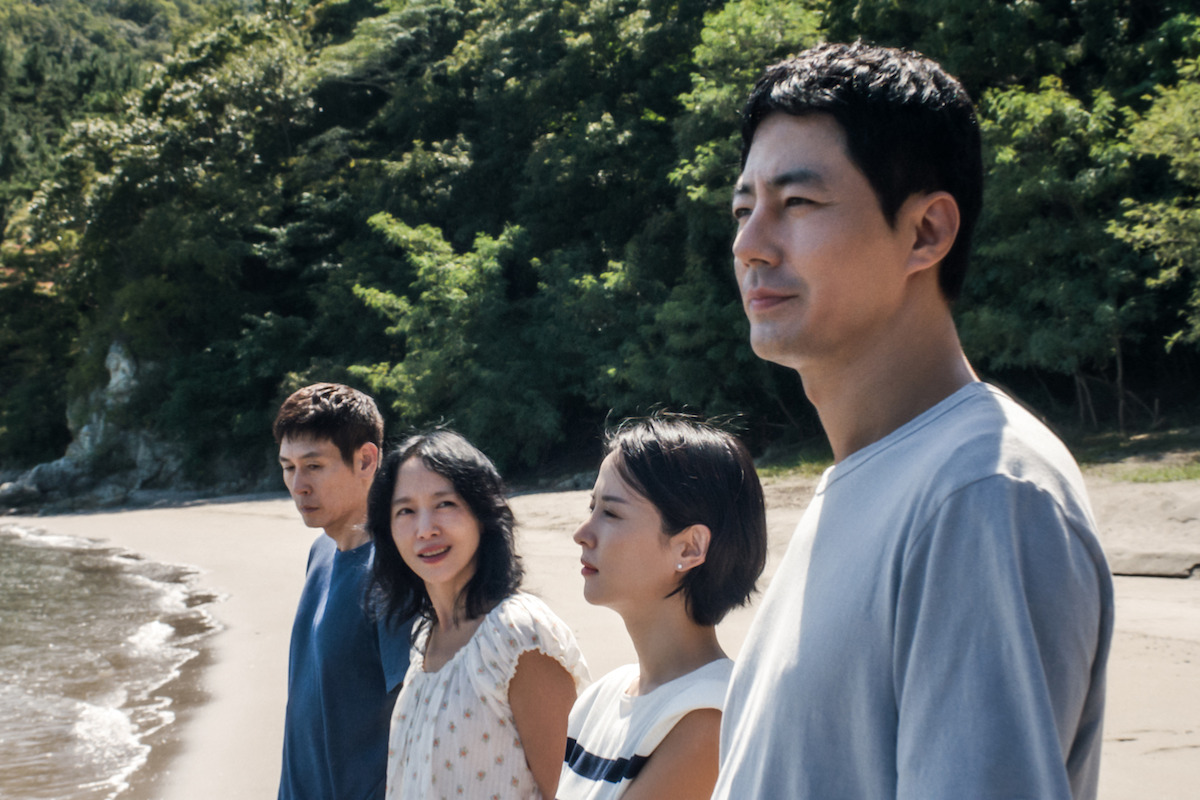
Cho, an Actor Award winner for her work in Parasite, and Zo also both possessed the innate qualities that made their characters — more nuanced than a typical wealthy couple — so intriguing. “It’s not always easy to have both intellect and emotion as an actor, and [Cho] does. This character Ye-ji is not someone you can approach from an analytical approach and just assume ‘this is probably what she’s like’ to perform — she has to be physically understood and embodied,” says Lee. While Ye-ji grows a genuine bond with Mi-ok and Ho-seok, her storytelling ambitions as a documentarian are sharp, and the complex relationship between an artist and their subjects comes into play. “The nuanced portrayal of how her self-awareness always shows no matter how hard she tries to hide it — she did an amazing job embodying that.” Sang-woo mirrors his wife in many ways, even though he is a bystander in the filmmaking process. “He feels like he knows everything, understands everything, while also seeming to be critical of everything he sees and keeps an objective distance on any issue,” says Lee. Of Zo, the director says, “it was just fun to see him living as the character in front of the camera. He’s hiding power within, but it doesn’t show it outwardly at all, and it’s that aspect where the many details of the character come alive. I had a lot of fun with that, and he did, too.”
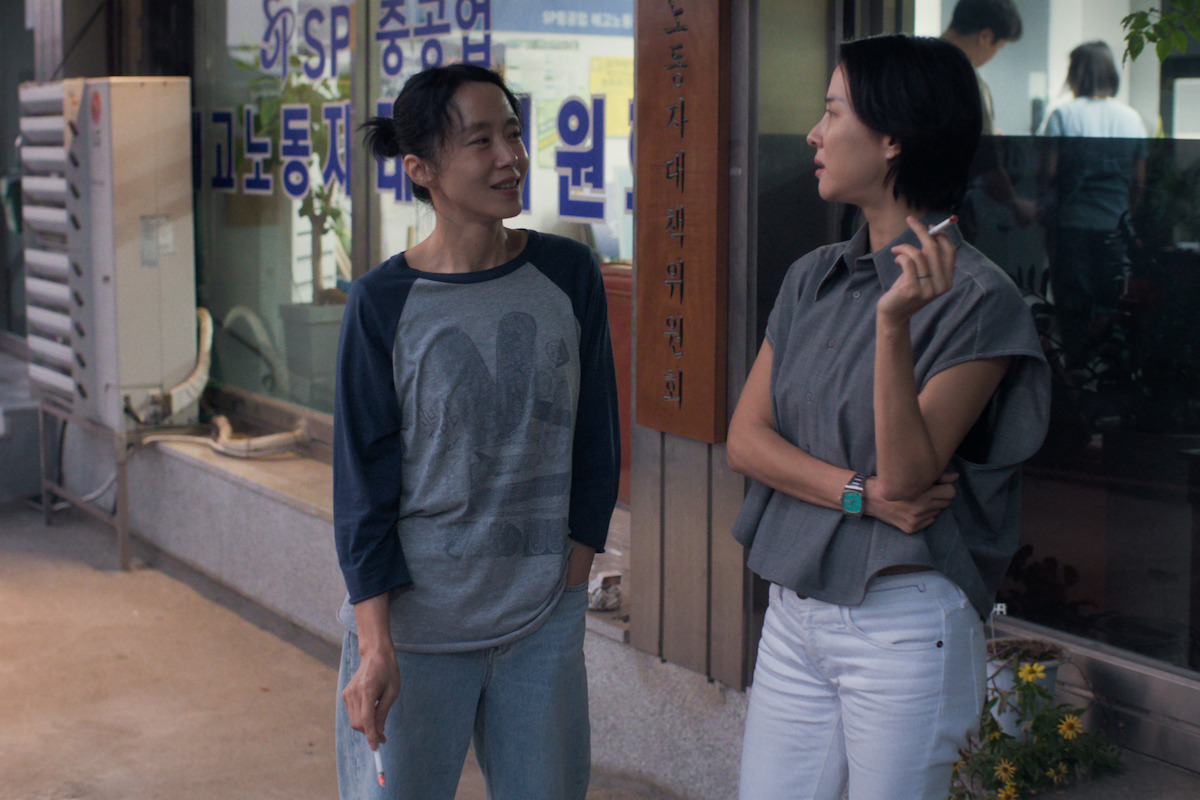
That sense of joy was infused in the rest of the production, as Lee notes he felt a creative freedom and renewed approach to collaboration that made this his “most comfortable production” yet. “A lot of time has passed, and I’ve also changed, and I realized that the way I see filmmaking, as well as my sense of it, has also changed,” says Lee of returning to filmmaking after this hiatus. “To work with old friends as well as new ones allowed me to reflect on such matters, and the process became a healing experience for me as well.”
The deep catharsis Lee felt making Possible Love is matched by the emotional depths explored onscreen as Mi-ok, Ye-ji, Ho-seok, and Sang-woo navigate the uncertainties and thorniness of being alive. “The way we live is changing drastically, and we feel pain and struggle because of that, and sometimes feel frustration and despair. But no matter how much the human condition changes, what allows us to overcome that is the way we think about freedom,” explains Lee. “No matter how capital might define us and deprive us of various conditions of living, we as individuals can overcome that through freedom; your freedom is for you to claim — that’s the kind of feeling I wanted to convey to the audience.”