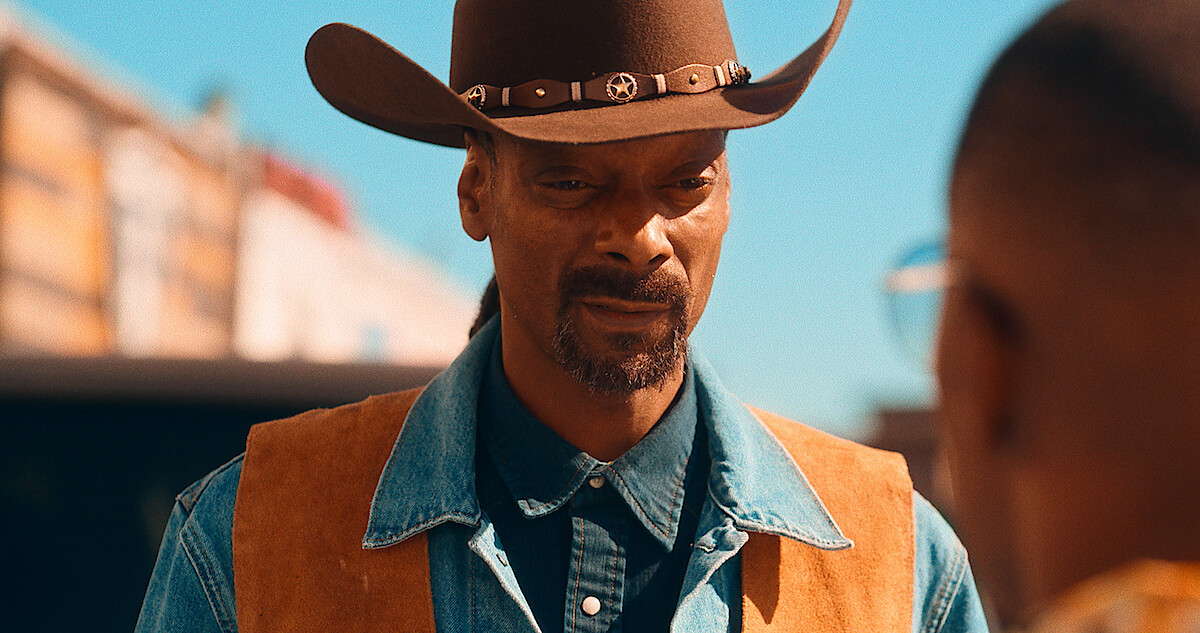
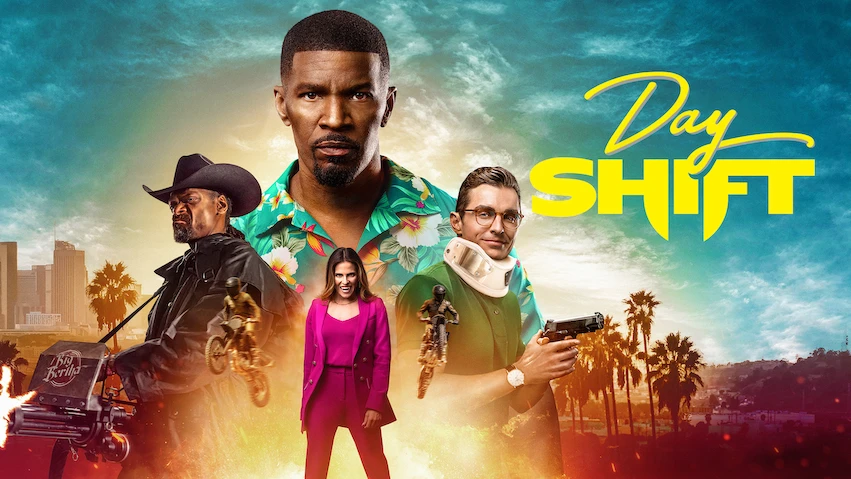
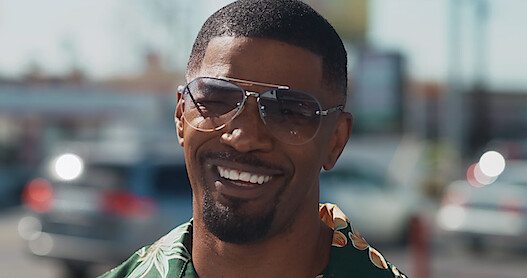
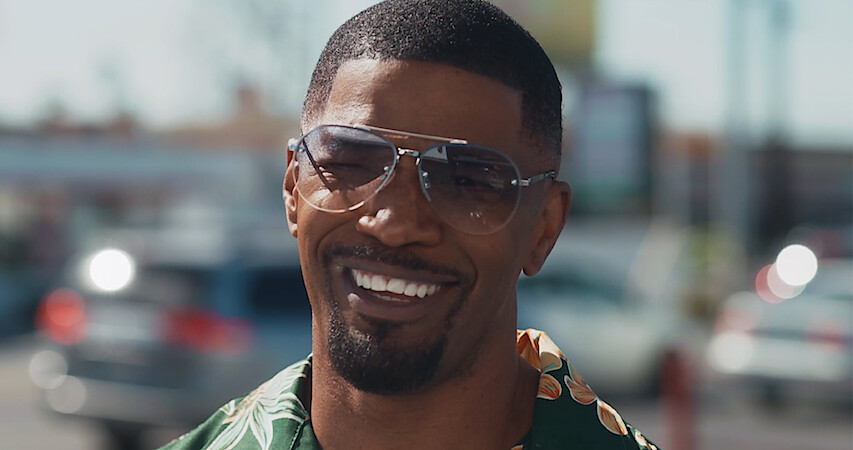
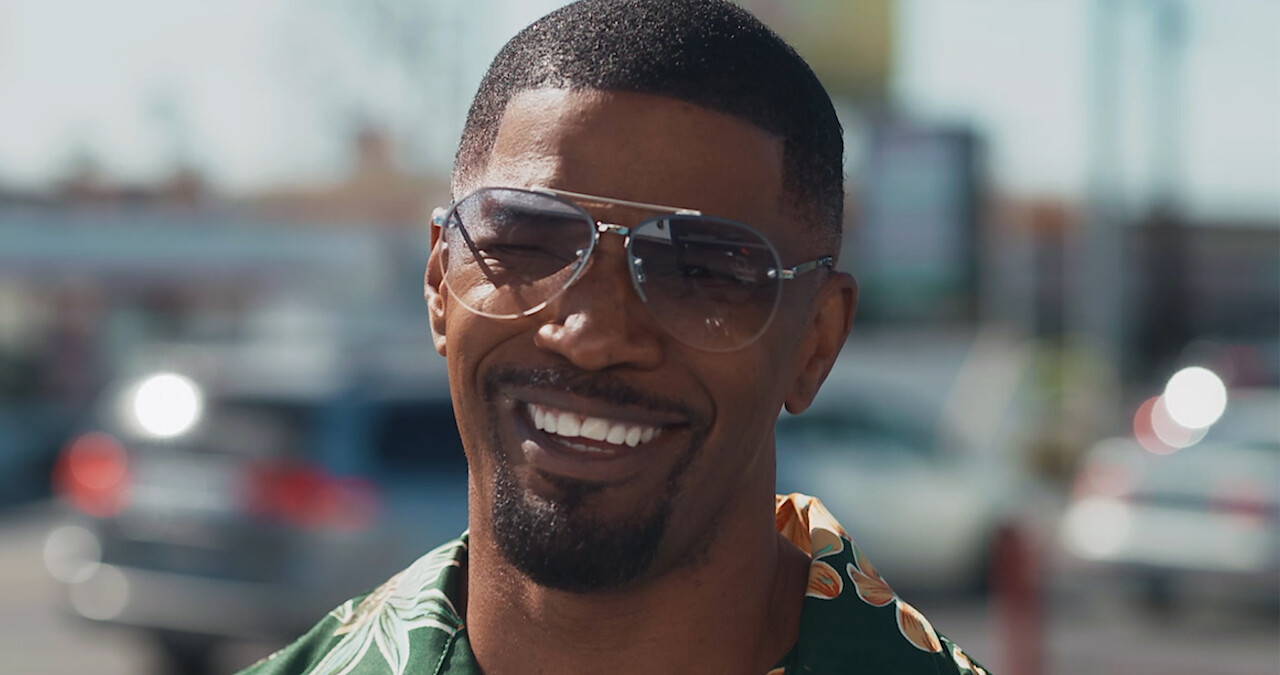
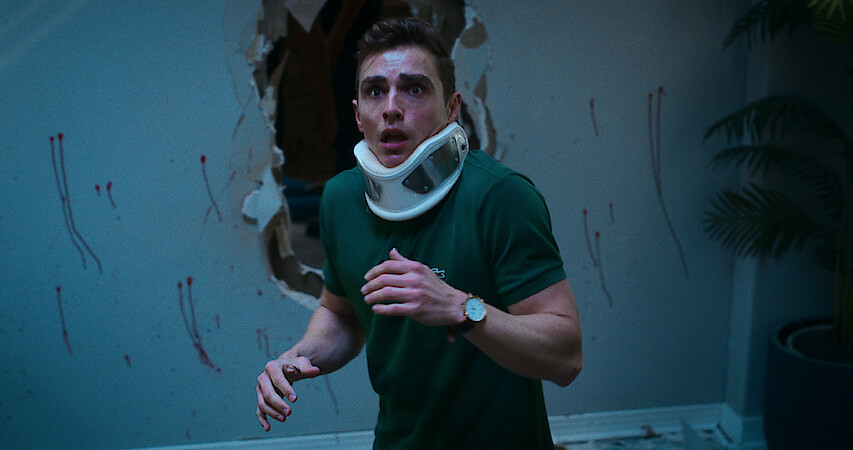
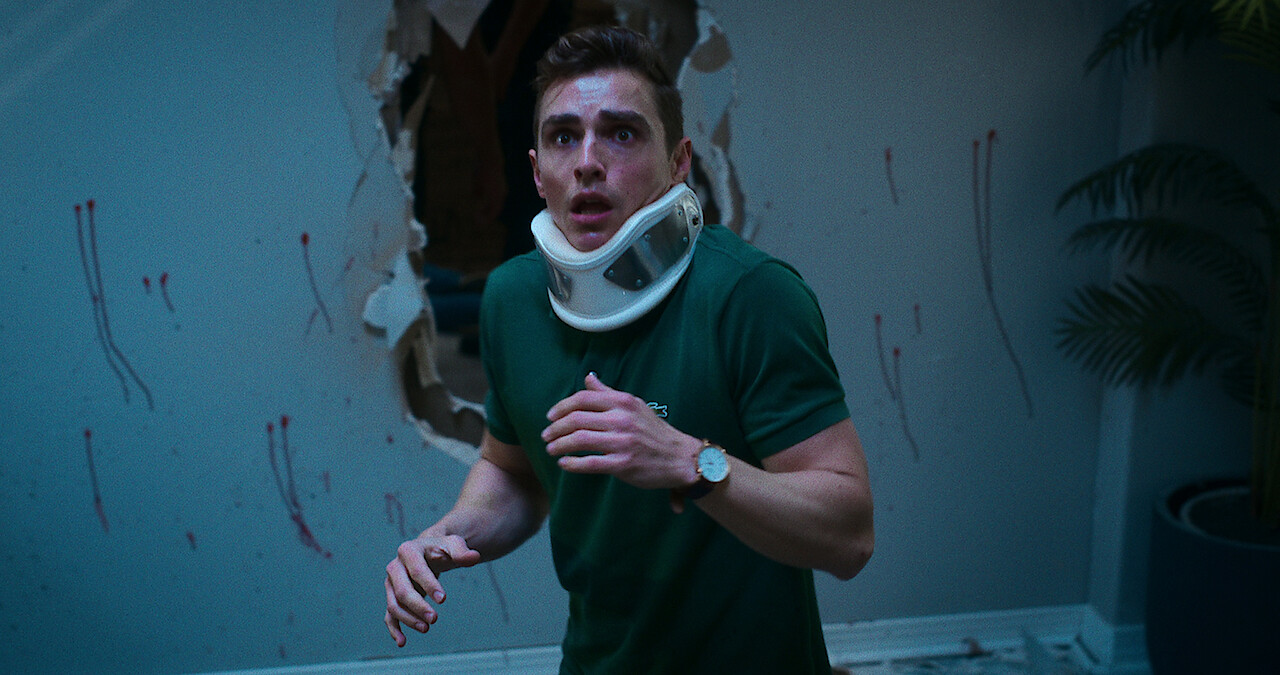
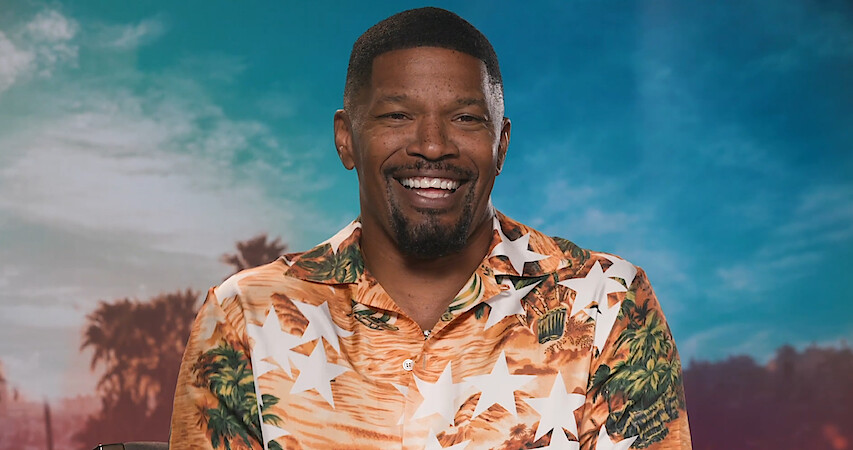
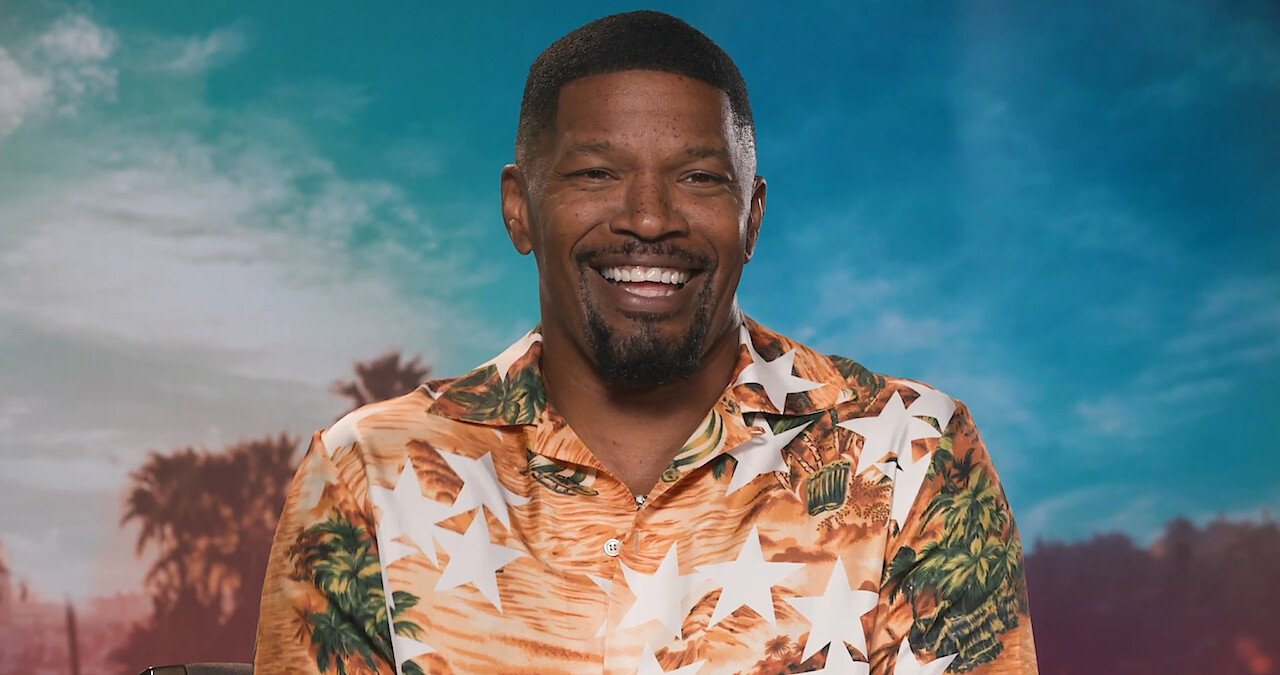
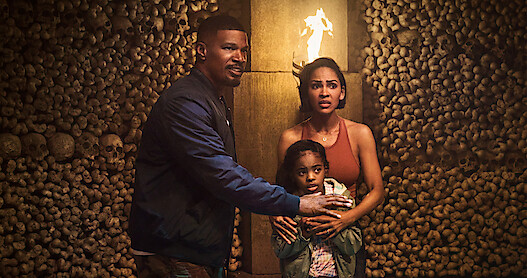
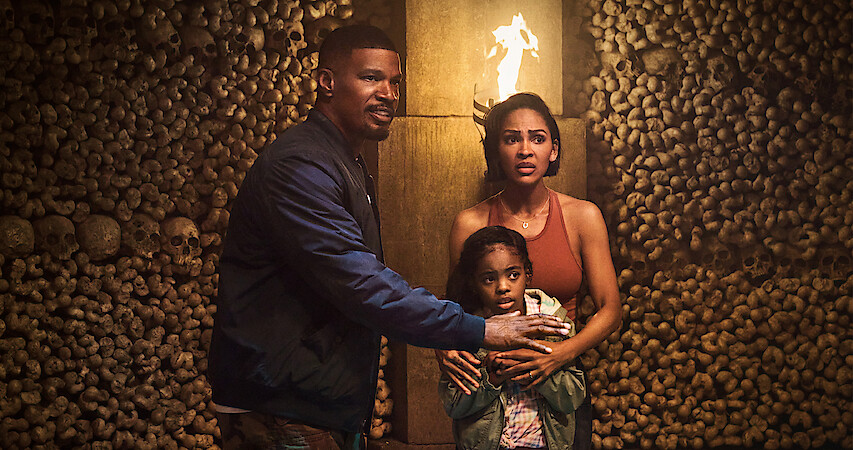
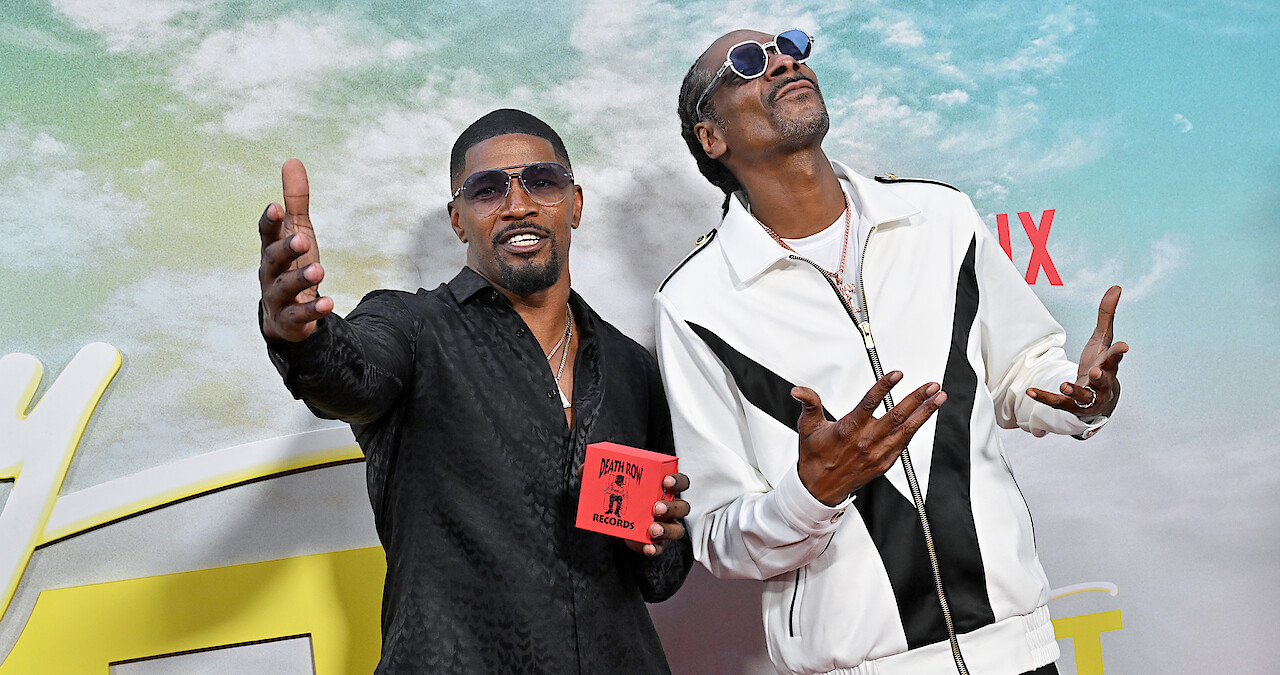
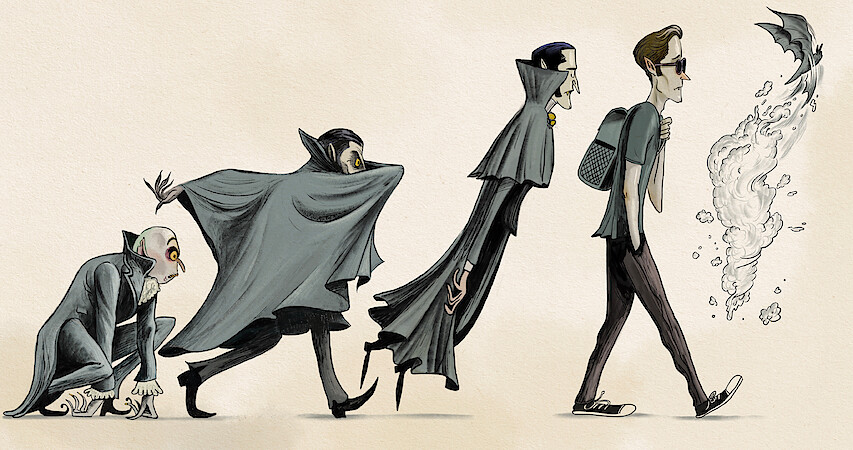
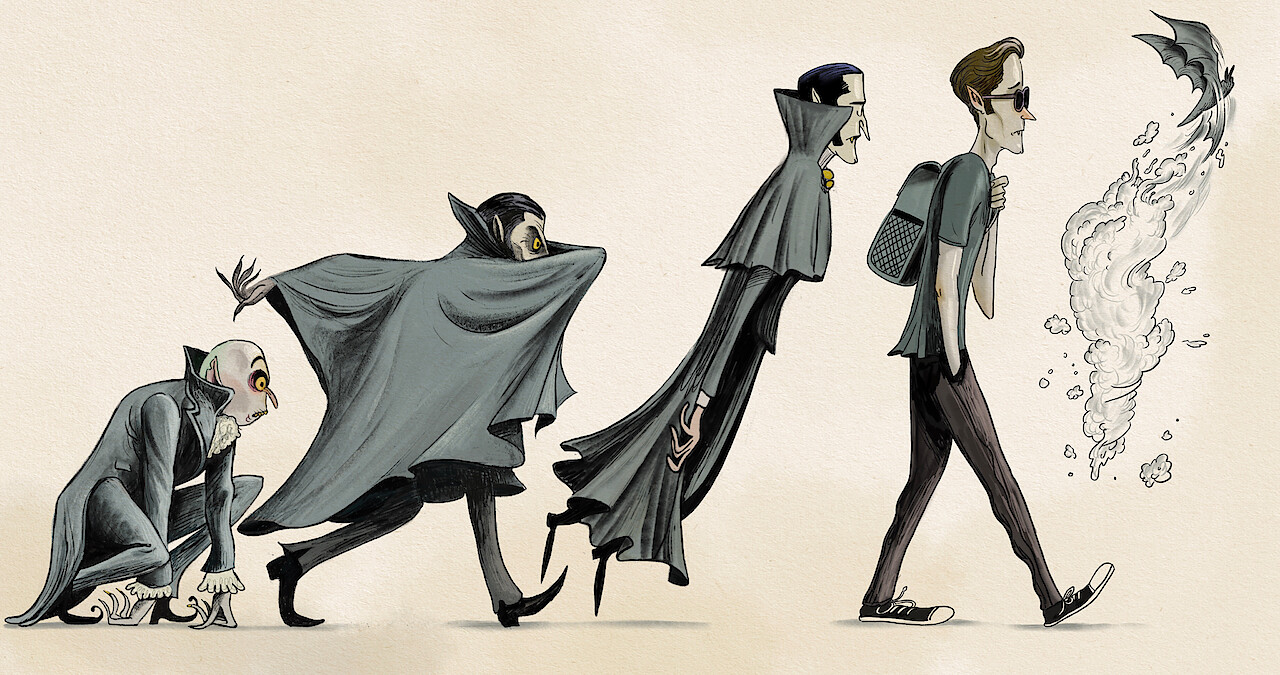
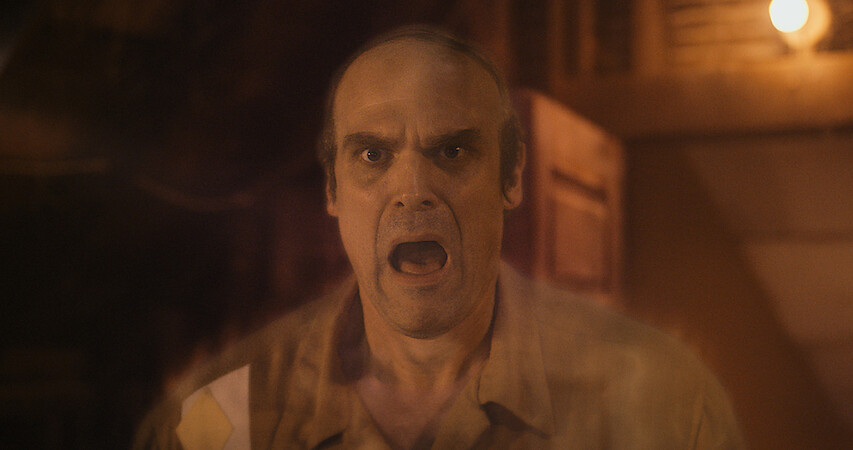
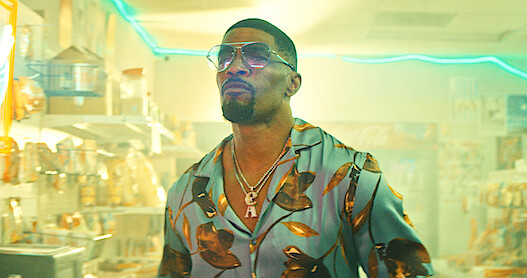
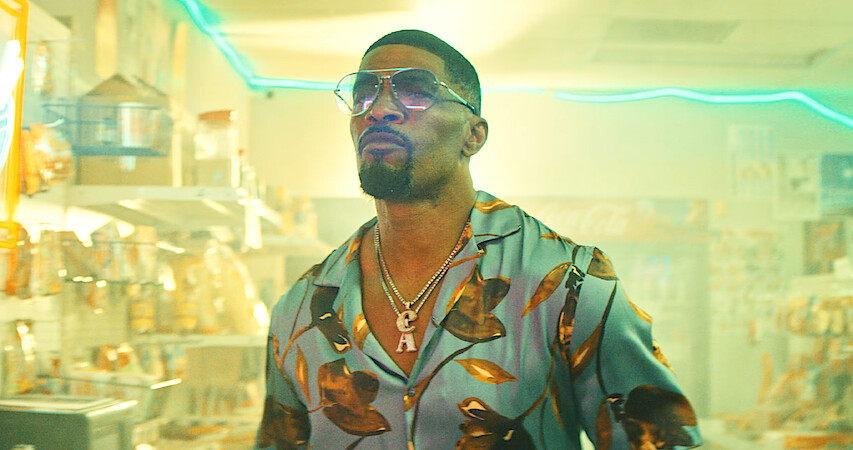
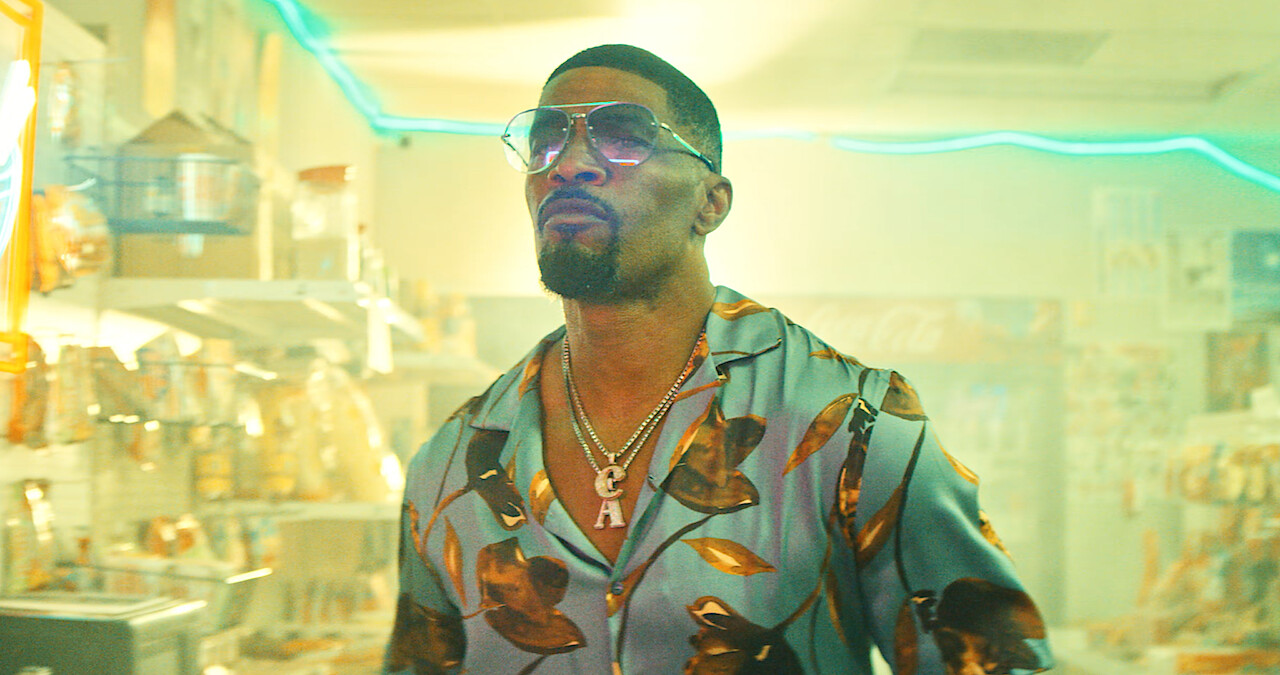
In Day Shift, Los Angeles is more than just the City of Angels: It’s also the city of vampires. Around every corner and beneath every avenue, the bloodsucking hordes of the undead have taken hold — and they’re not letting go without a fight. Something that broke vampire hunter Bud (Jamie Foxx) is only too happy to provide. “I just liked the idea of having this whole supernatural world that feasts on us right under our nose,” screenwriter Tyler Tice tells Tudum.
As the film goes on, the audience sees glimpses of the wide supernatural world beneath the surface of sunny LA. It’s a little bit Big Trouble in Little China, a little bit John Wick and more than a little intentional.
Andrew Cooper/Netflix
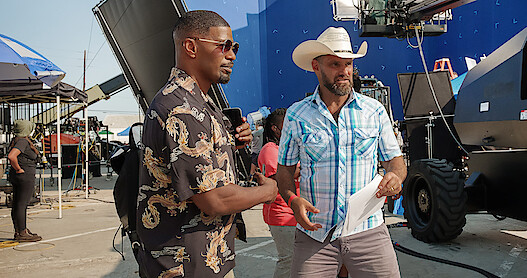
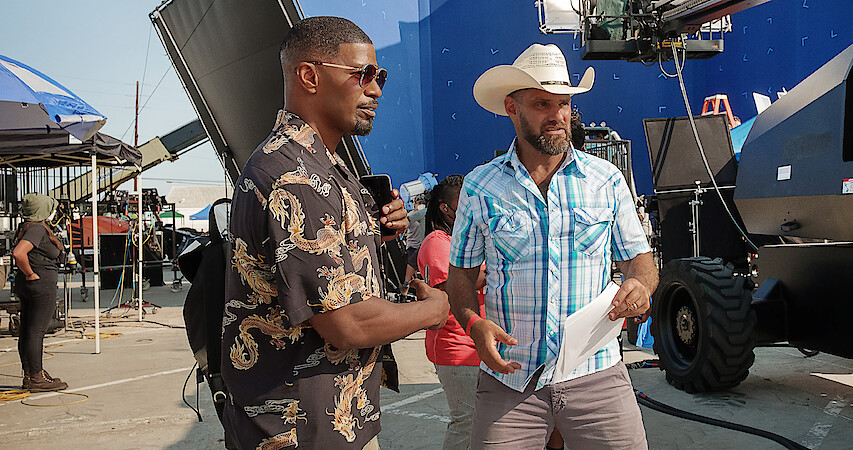
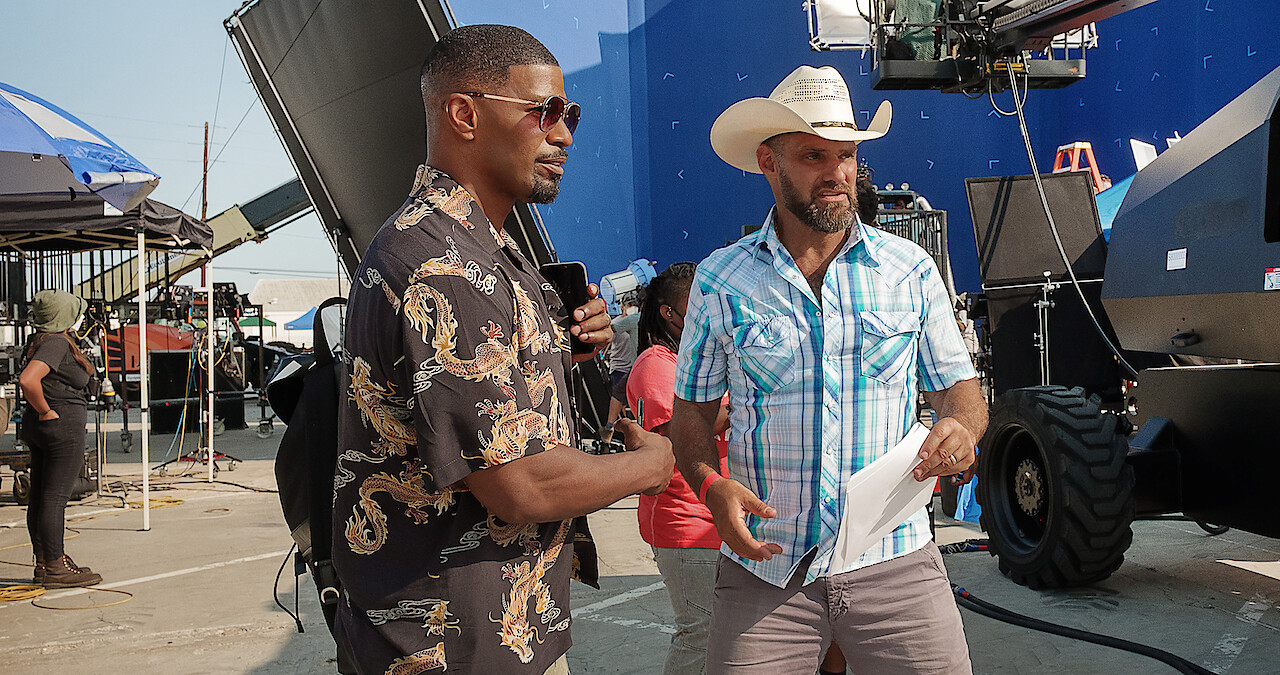
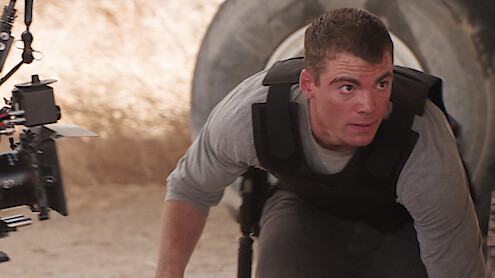
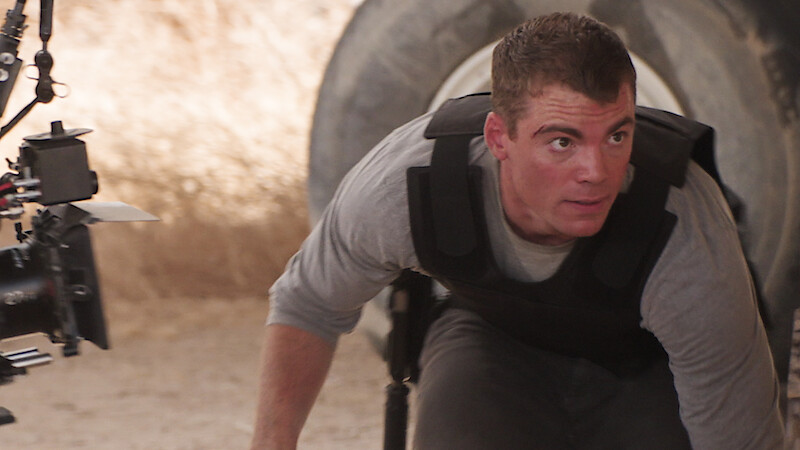
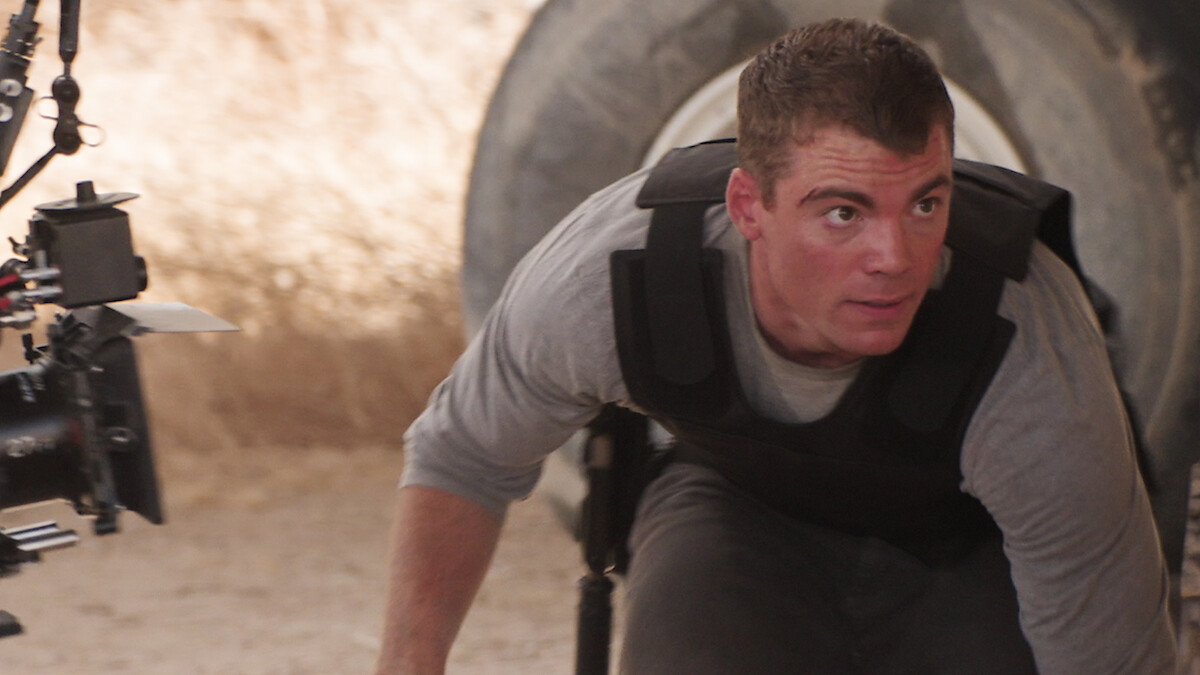
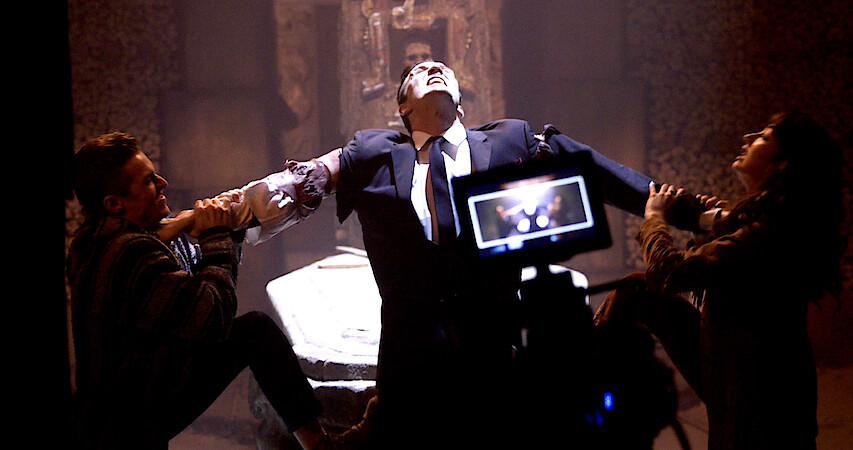
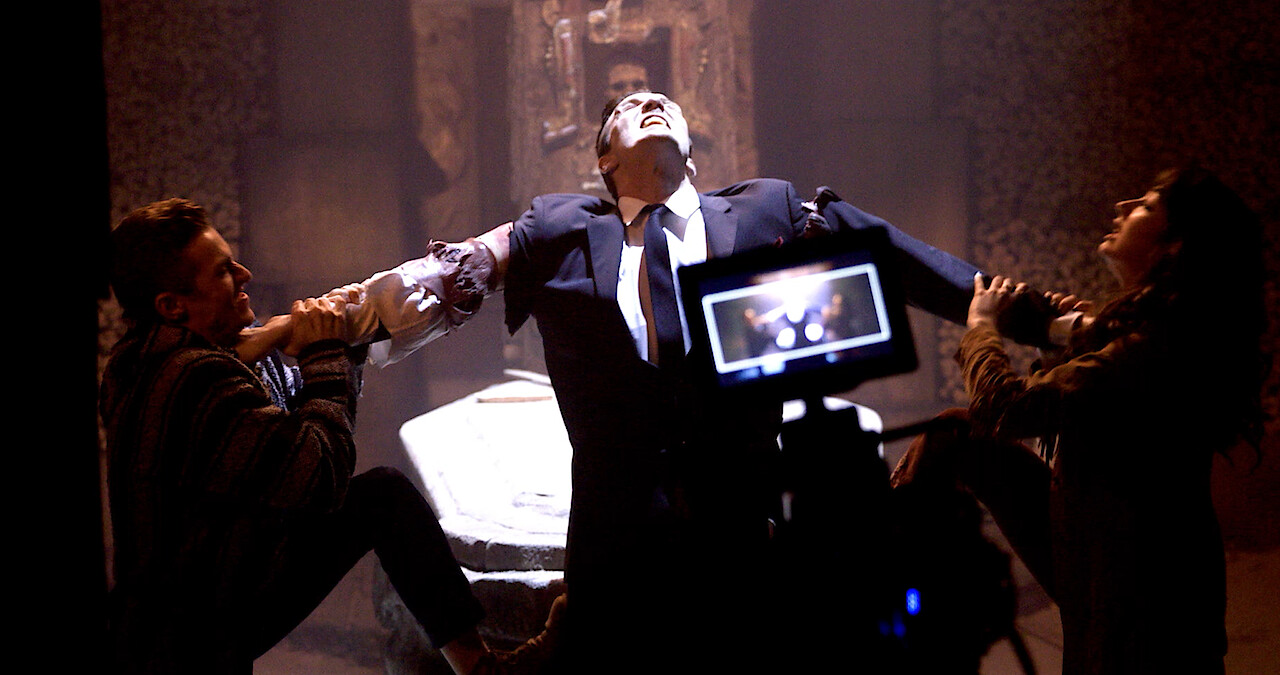
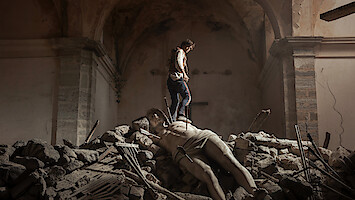
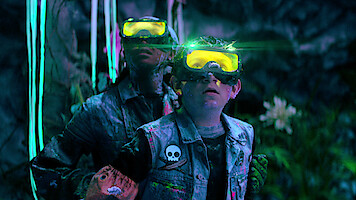
“My favorite movies are movies like Lost Boys, Evil Dead, Fright Night, those kind of campy, fun, action, comedy, horror movies,” director J.J. Perry says. Perry previously served as the stunt coordinator on John Wick: Chapter 2, but graduated to the director’s chair with Day Shift. (That move is a time-honored tradition in the stunt world; Day Shift producer Chad Stahelski, for example, started out as a stuntman on the Matrix films before directing the John Wick films). “As soon as I got Day Shift, it spoke to me for a couple reasons,” Perry continues. “Because it was an action-comedy horror, and like John Wick, there’s a world that hides in plain sight.”
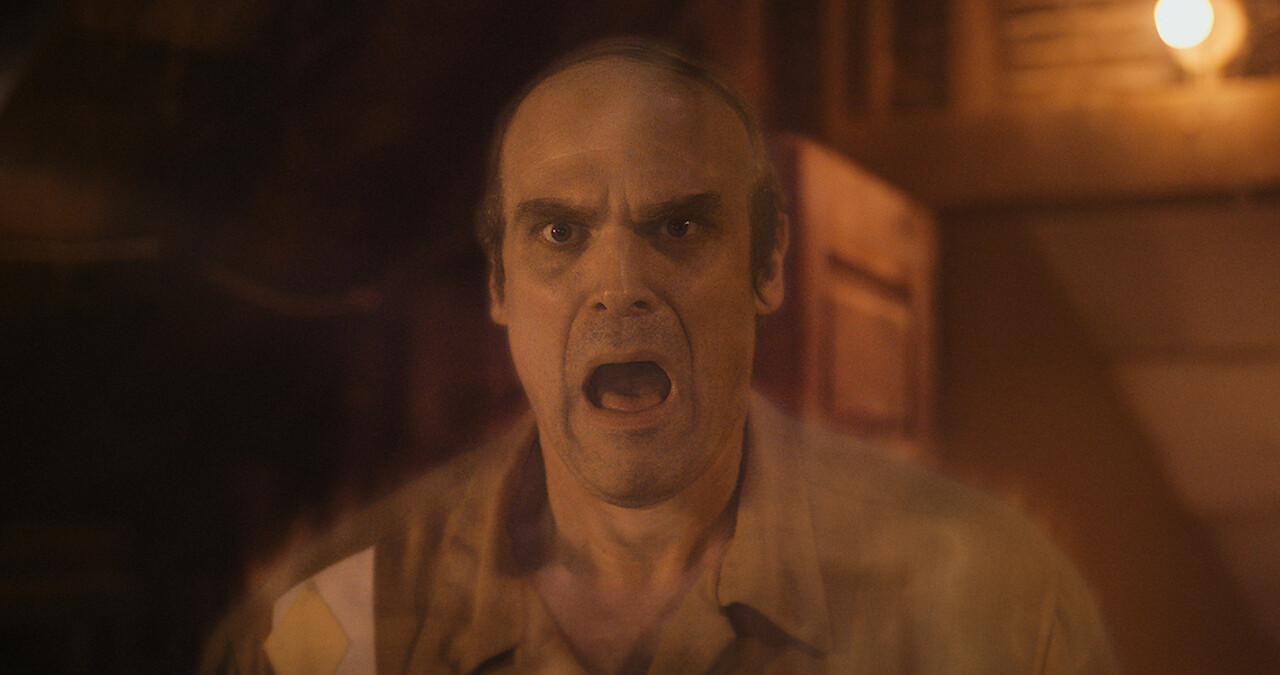
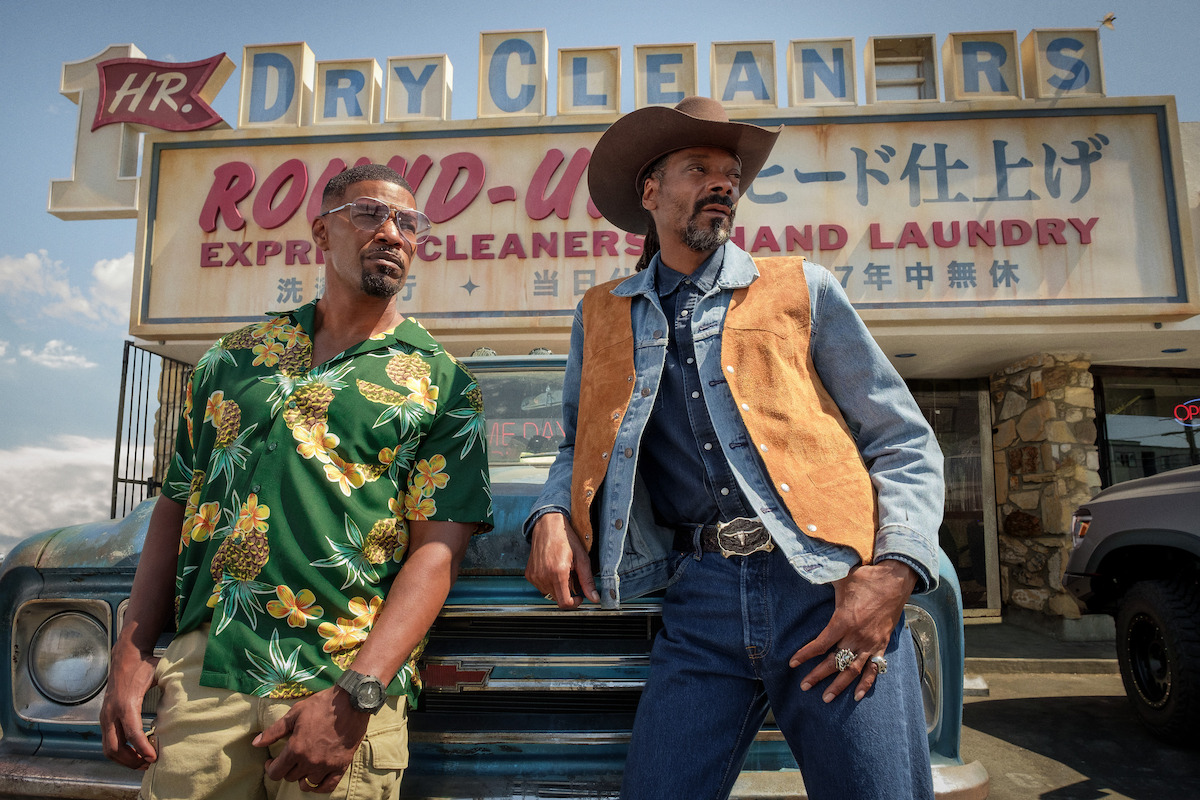
Some of the logistics of that world were inspired by Tice and Perry’s own lives. The film’s yellowish tint comes from Perry’s own color blindness: That’s just how he sees the Valley. “I want it to feel like it’s hot, like where you’re looking at it, and you almost want to wipe yourself off and fan yourself, like it feels sticky,” Perry adds.
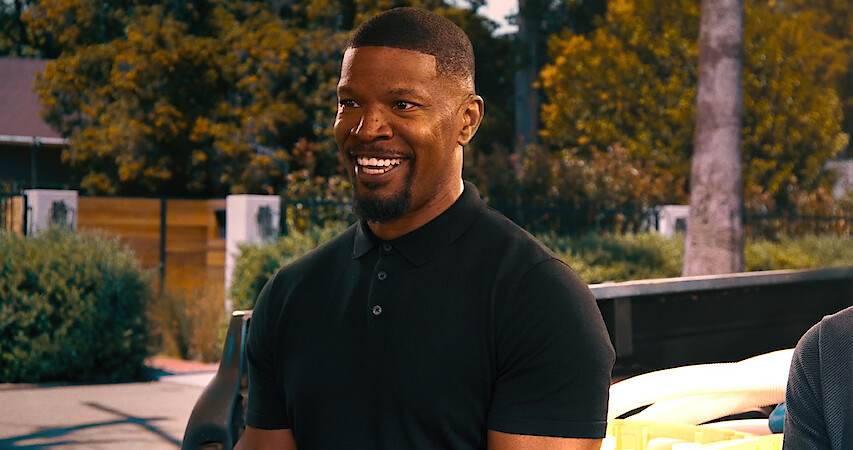
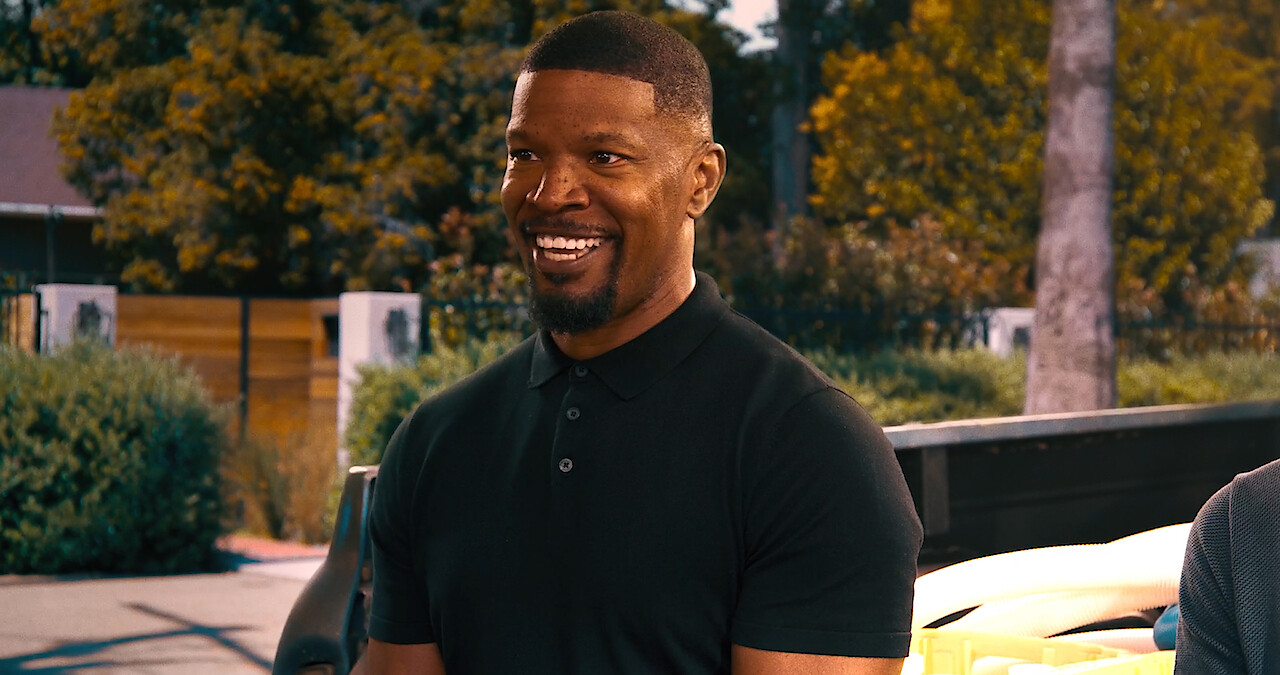
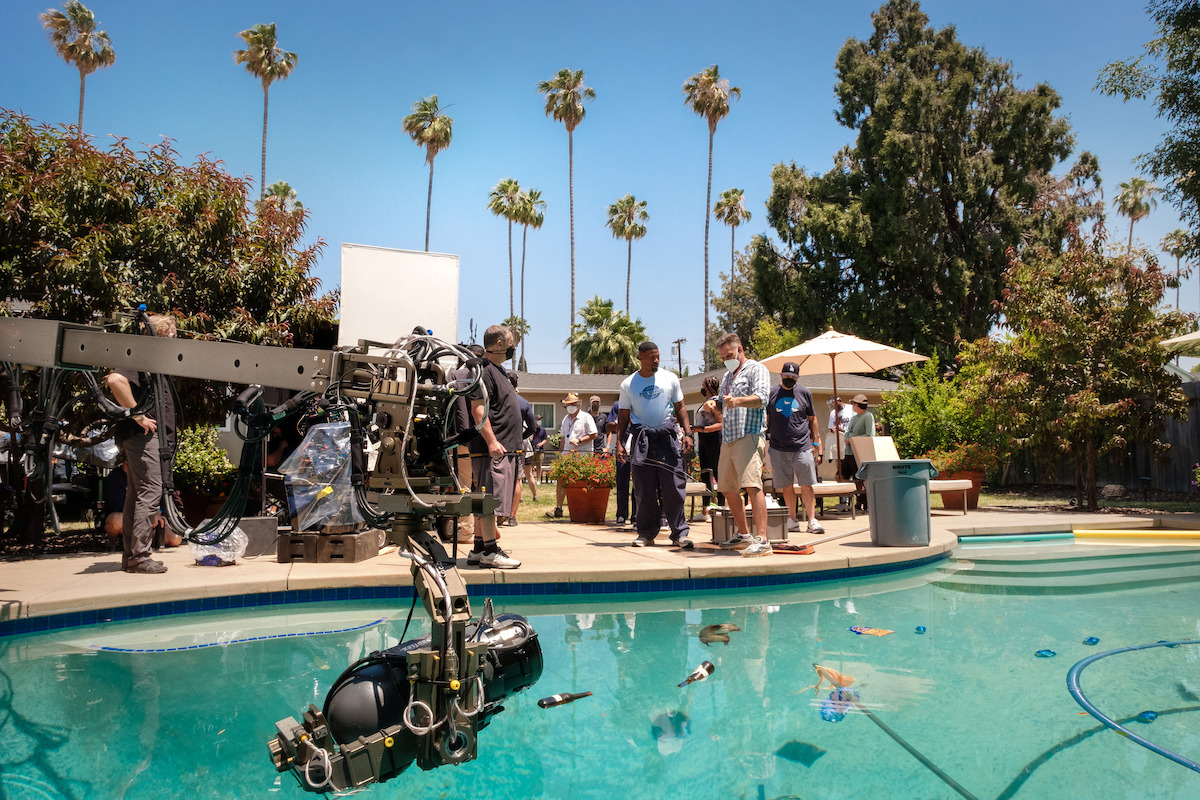
As for Foxx alter ego Bud’s day job as a pool cleaner, well, that was the solution to a simple logic problem. “There’s pools everywhere in the valley. [Pool cleaners] are all over the place,” Tice says. “I just thought it was a great cover. Plus, he has a lot of equipment in his truck and he can hide weapons in there.”
The vampires’ world isn’t the only secret hiding under the California dirt. Bud is also a part of a vast vampire hunters’ union, an idea that originated with Tice before producer Stahelski pushed for it to be a larger part of the film (which makes sense considering a similar hiding-in-plain-sight assassin’s union is part of the Wickverse). “There’s these two combative worlds,” Perry says, “and I’m trapped in the ’80s and ’90s, the music I listen to, the clothes I wear... So Bud and the union for me are trapped in this. The movie takes place today, but Bud’s not today. Bud’s trapped in the ’80s and so is the union.”
Andrew Cooper/Netflix
With all this supernatural ass-kicking unfolding under the noses of LA’s population, it would be easy to lose track of Day Shift’s human side. But both Tice and Perry wanted to keep the film grounded in their real experiences of California dreaming. “The Valley is this trippy place,” Perry says. “When you get to LA, you can’t just move to West Hollywood, unless you’re rich. You have to start in the Valley. You start in Inglewood, and then you work your way over the hill.” That’s the position Bud is in as the film begins, and the film’s central question — aside from “Will vampires take over the world?” — is whether he’ll be able to make it in sunny LA.
For Tice, writing Day Shift was more than just a chance to make a new kind of vampire movie; it was an opportunity to reminisce about his own early days on the West Coast. “It’s kind of just diving into all my memories of the Valley and all those little specifics,” he says. “Like how they meet at a taco shop that’s connected to a car wash.” After all, in a movie full of bare-knuckle action and bloodsucking demons, it’s nice when you can sneak in a little taste of home.