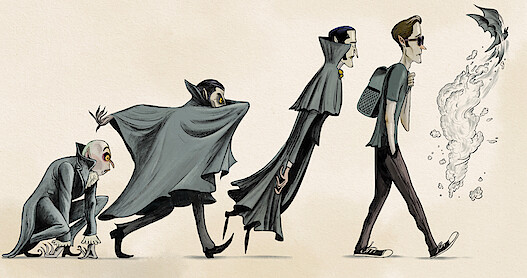
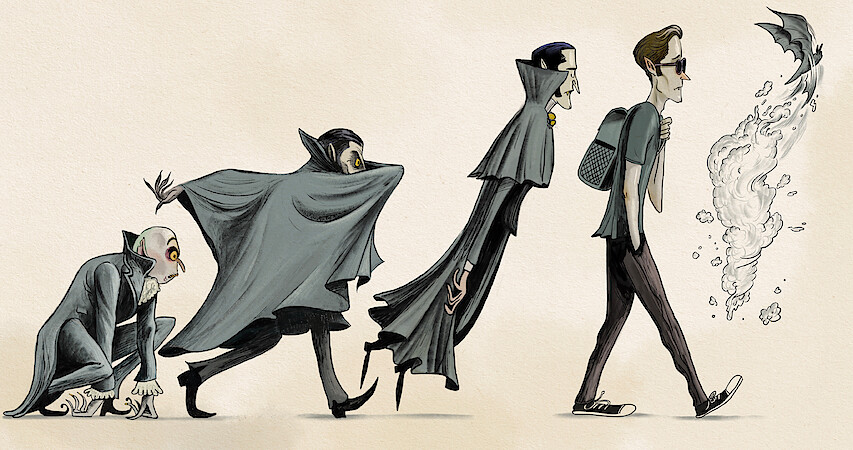
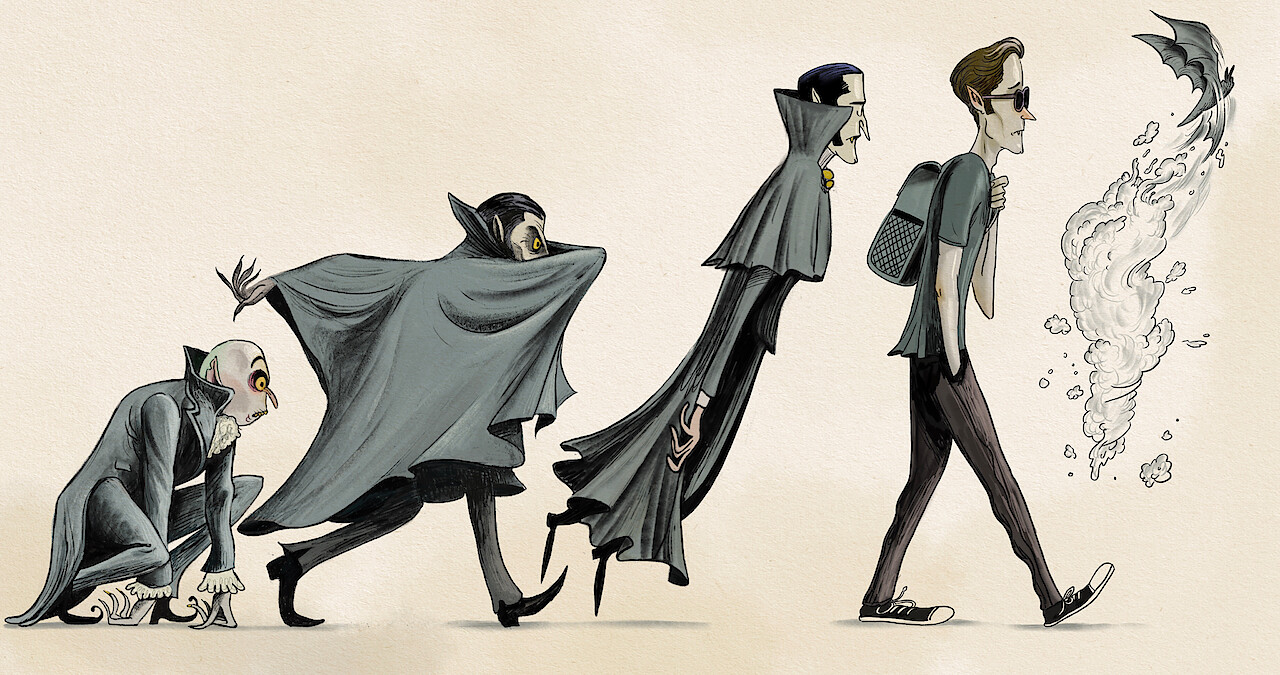
Illustration by Zohar Lazar
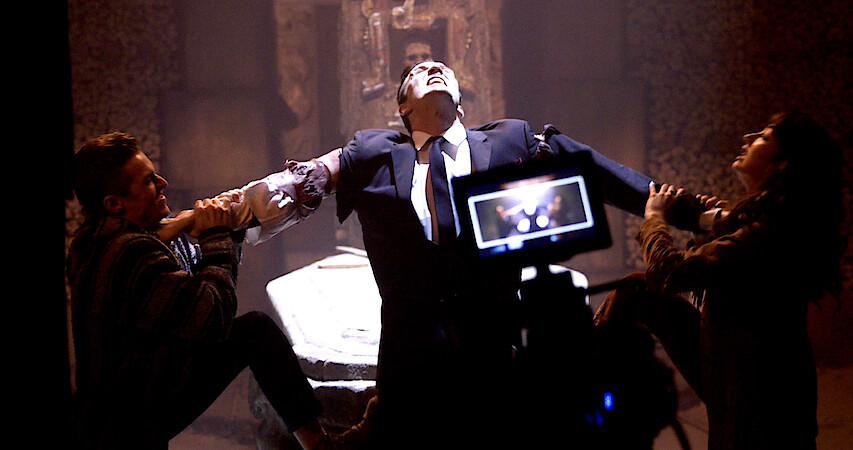
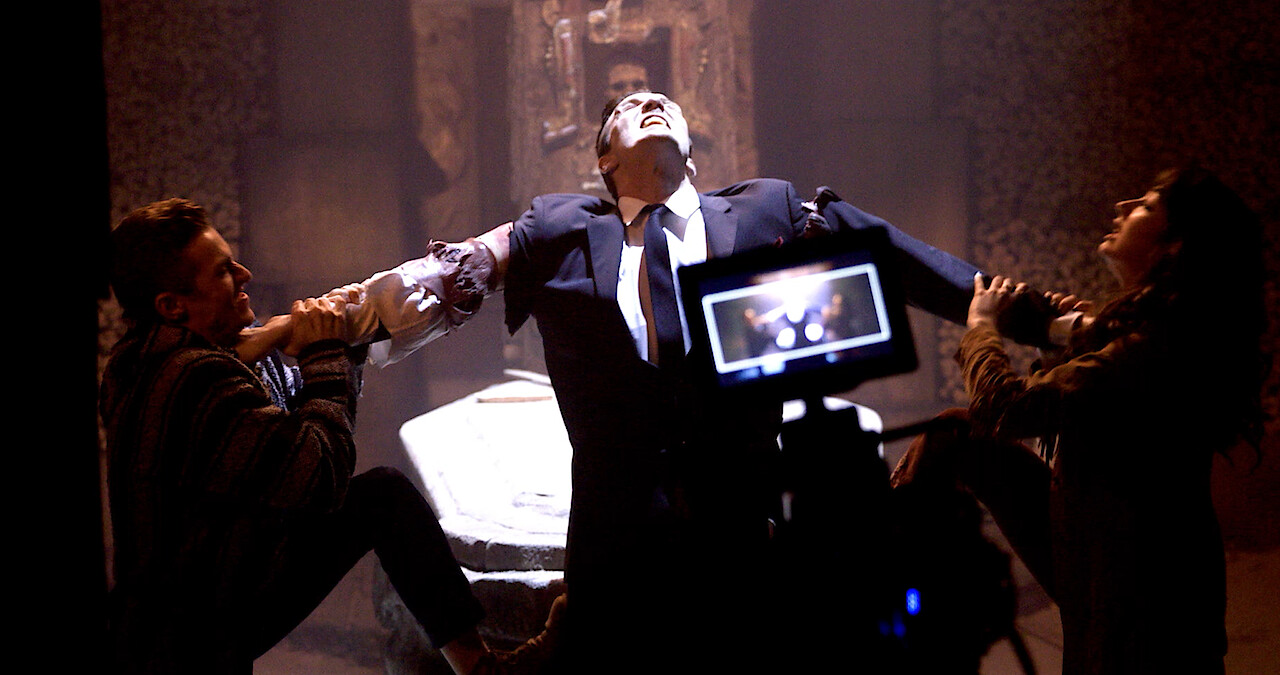
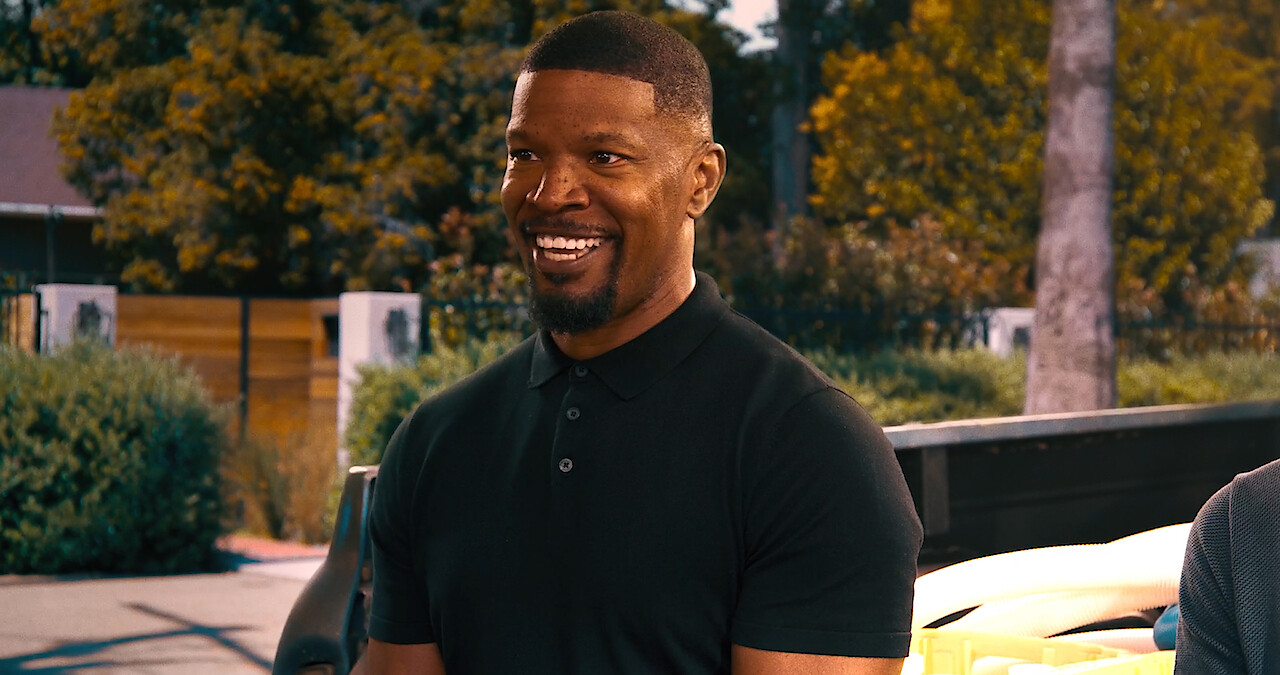
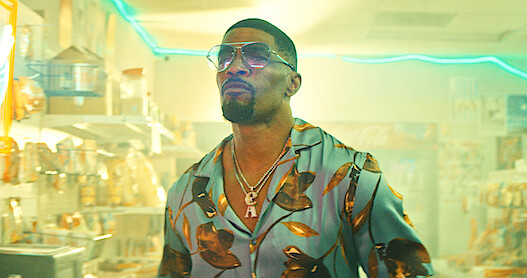
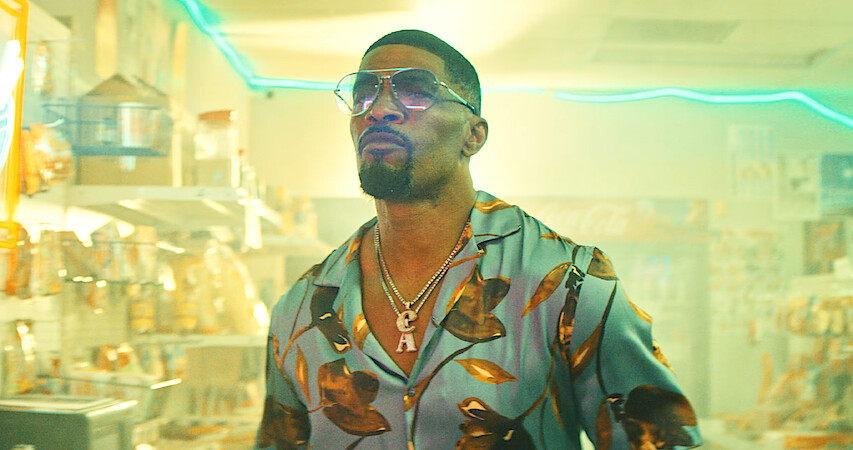
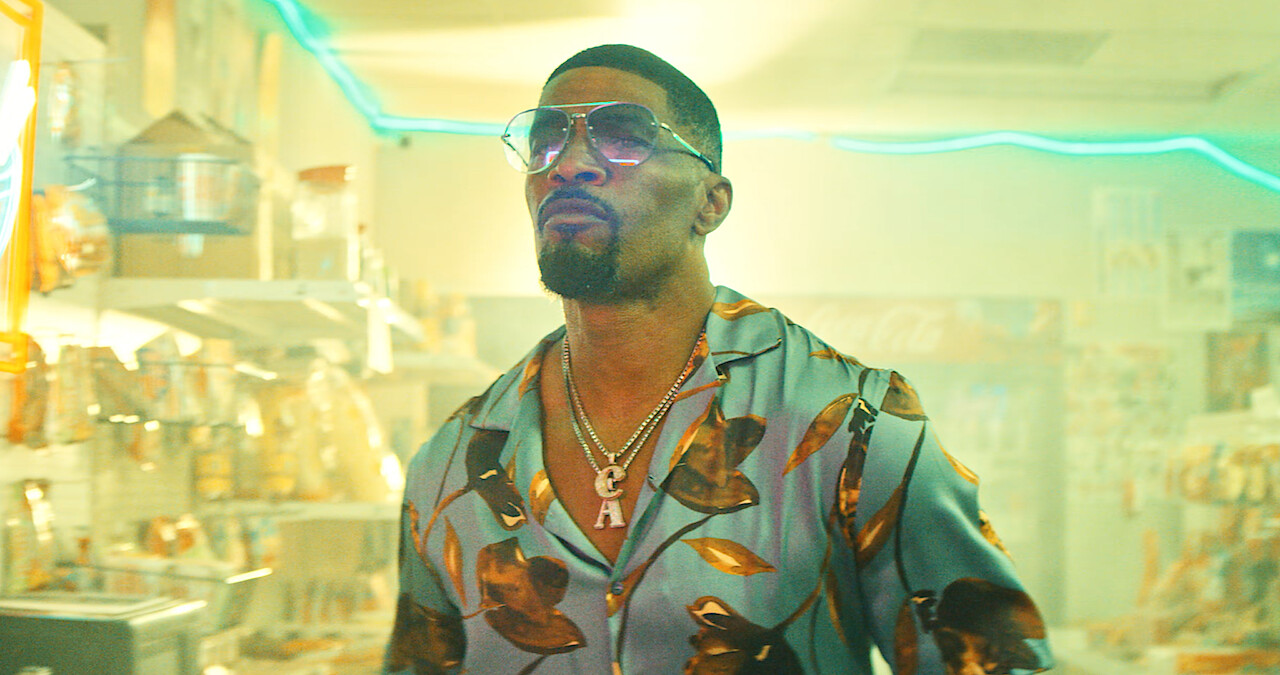
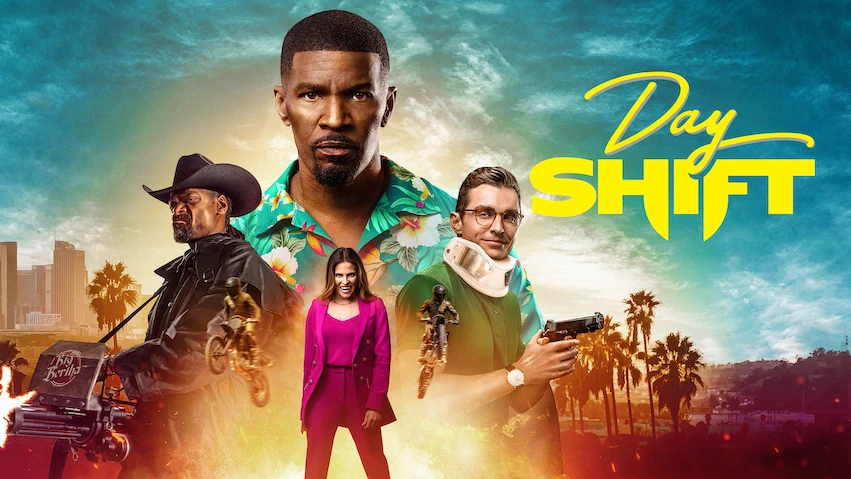
Cinema has been locked in a love affair with vampires for nearly as long as Dracula has been haunting the hills of Transylvania. As far back as the earliest days of film, bloodsucking ghouls have lurked in the cinematic shadows. They’ve been scary (Fright Night, Dracula), sexy (Interview with the Vampire, weirdly also Dracula) and sparkly (Twilight). But they’ve never been quite as interested in real estate as they are in the Jamie Foxx vampire actioner Day Shift.
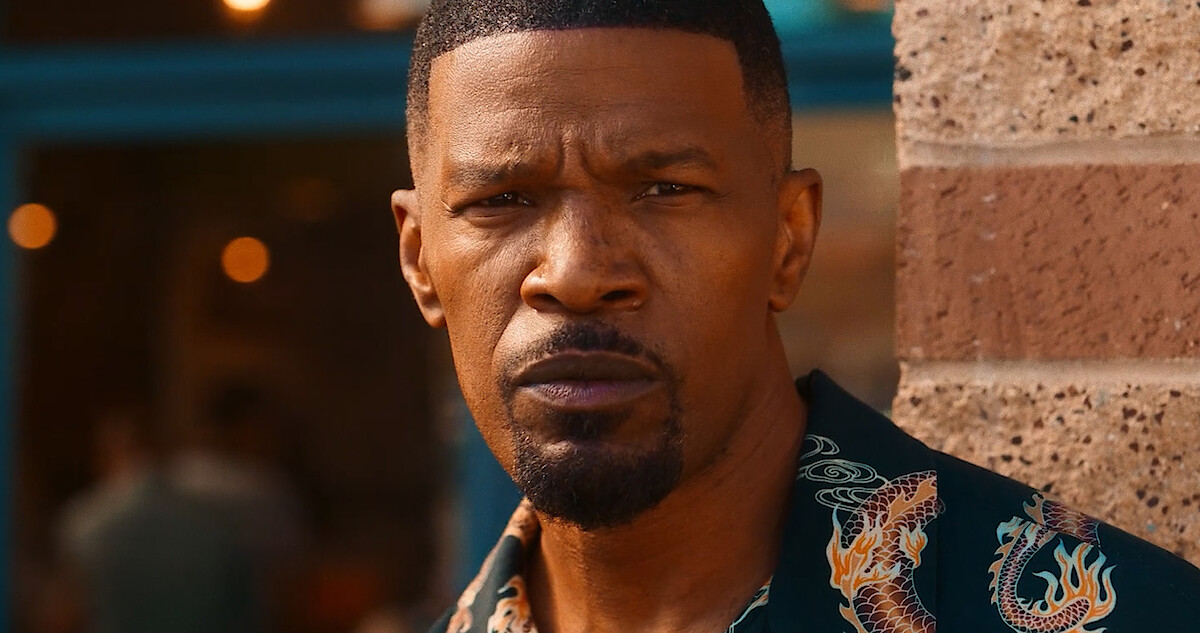
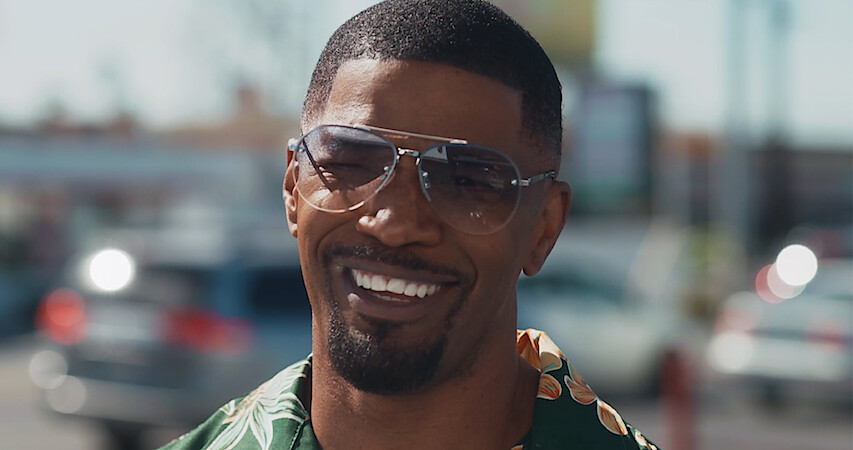
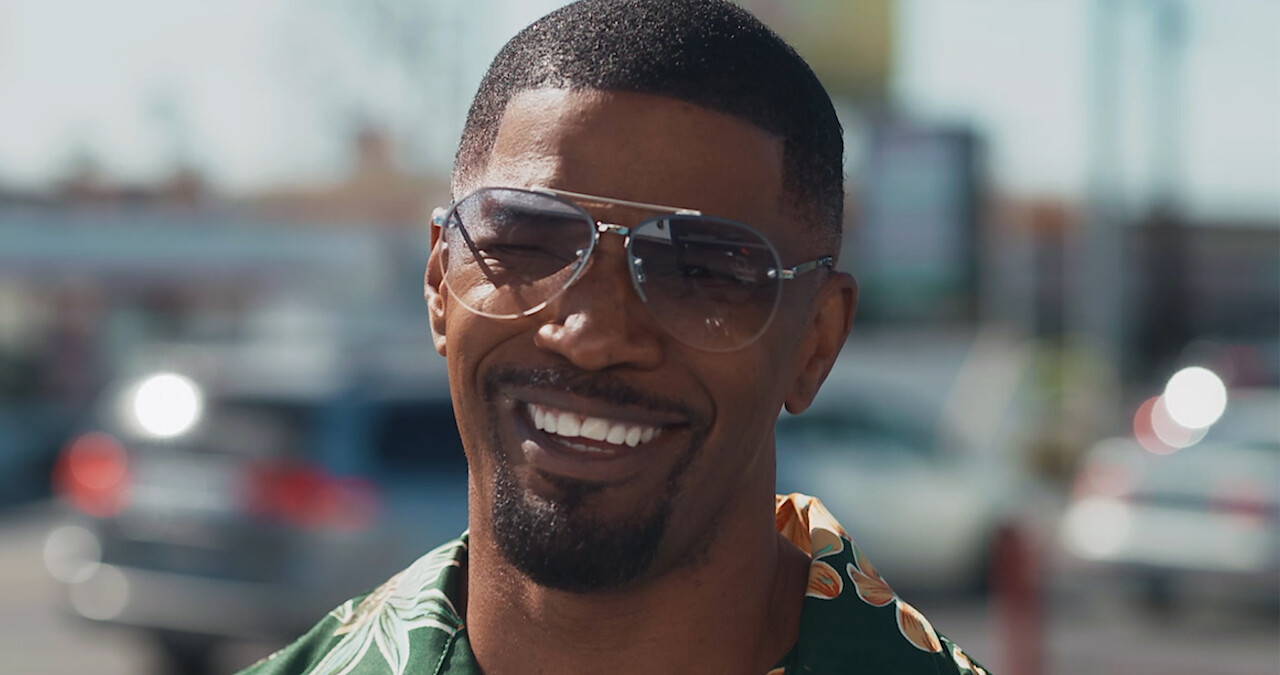
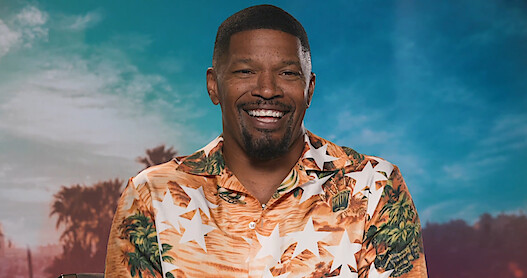
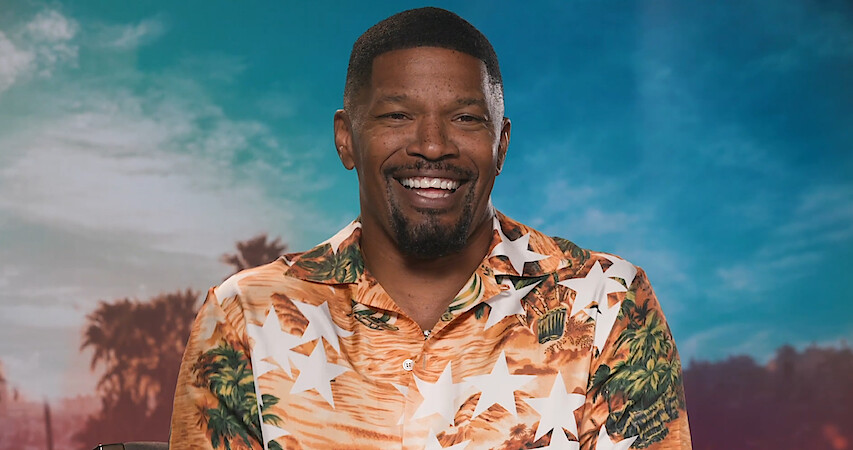
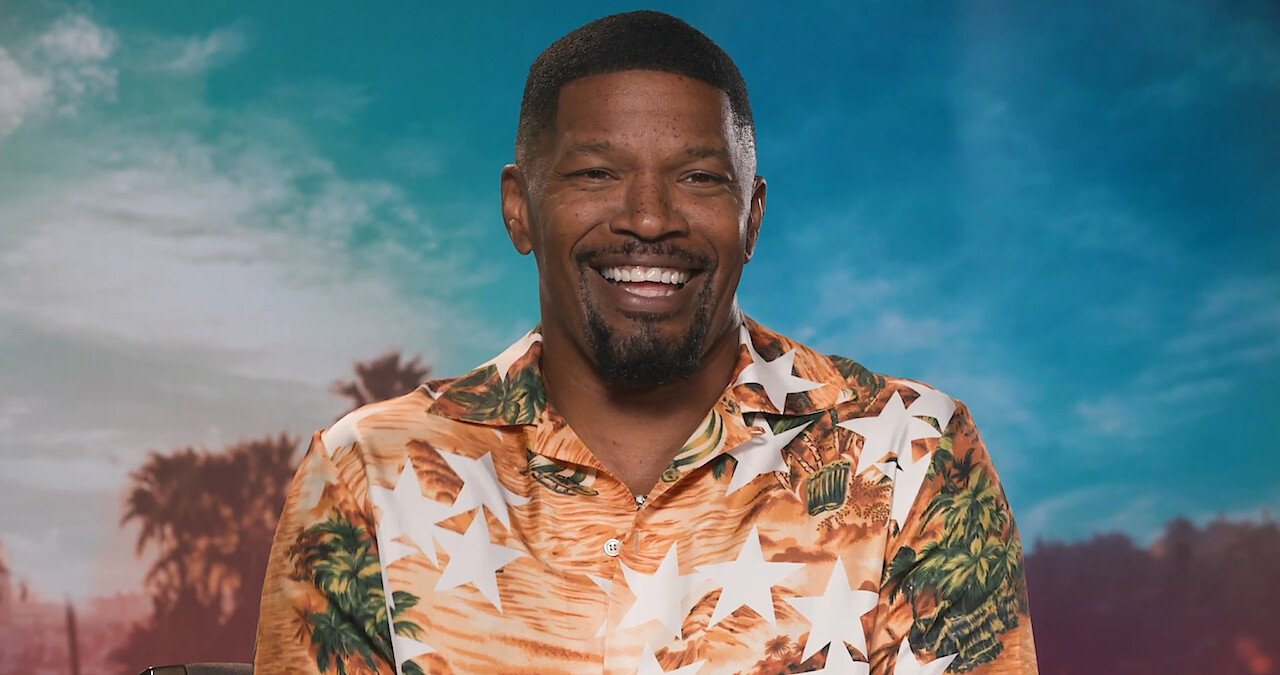
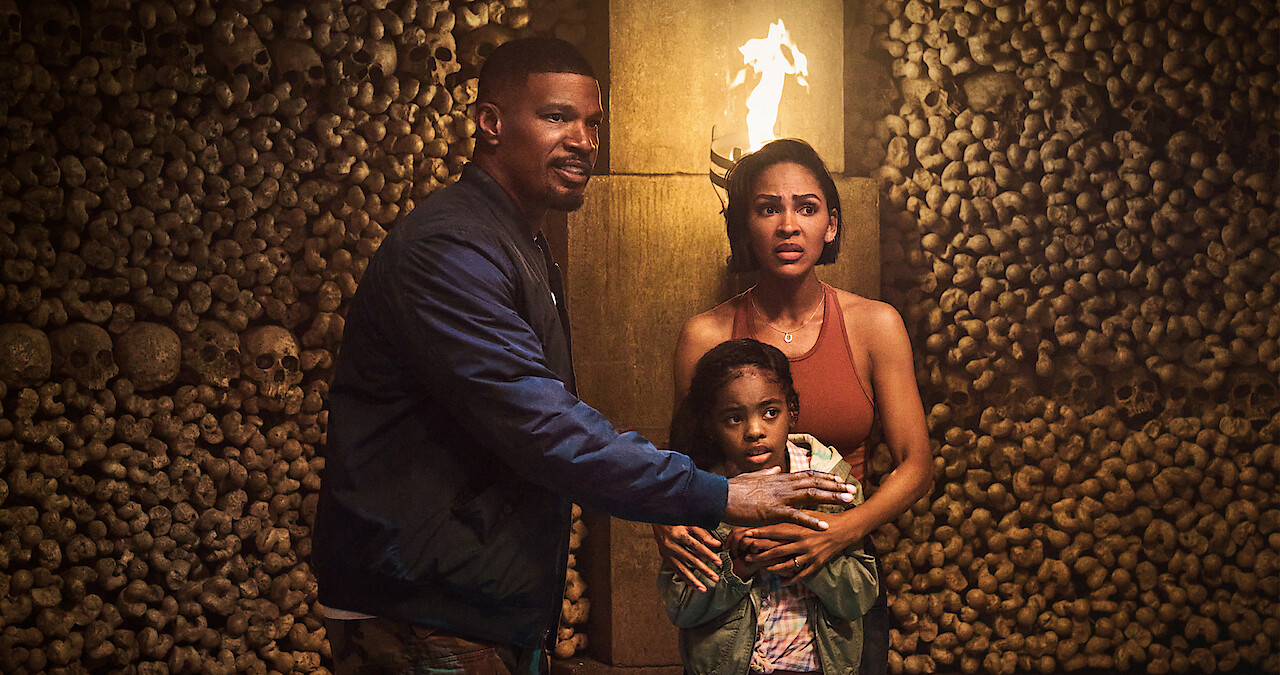
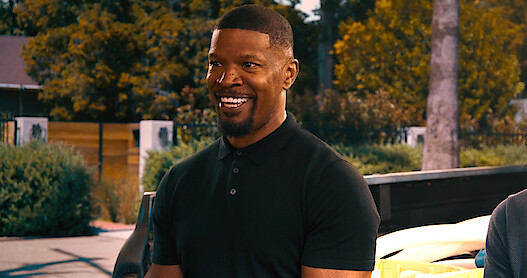
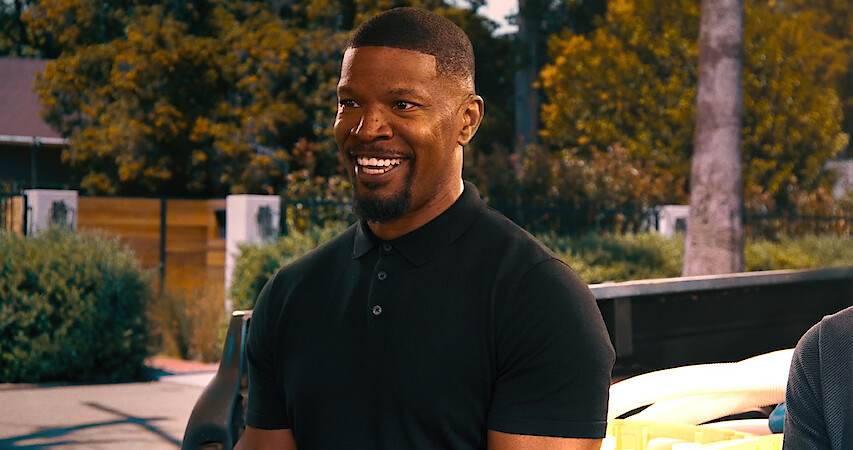
In the new film, Foxx plays a pool repairman who moonlights (or, rather, daylights) as a merciless vampire hunter. Day Shift puts a fresh spin on classic vampire myths, and it plays just enough of the hits to please bloodsucker fans everywhere. In honor of the latest addition to the vampire pantheon, we took a candelabra-lit stroll down a dark castle corridor to construct a definitive history of the celluloid vampire. Join us — but don’t forget to bring some garlic.
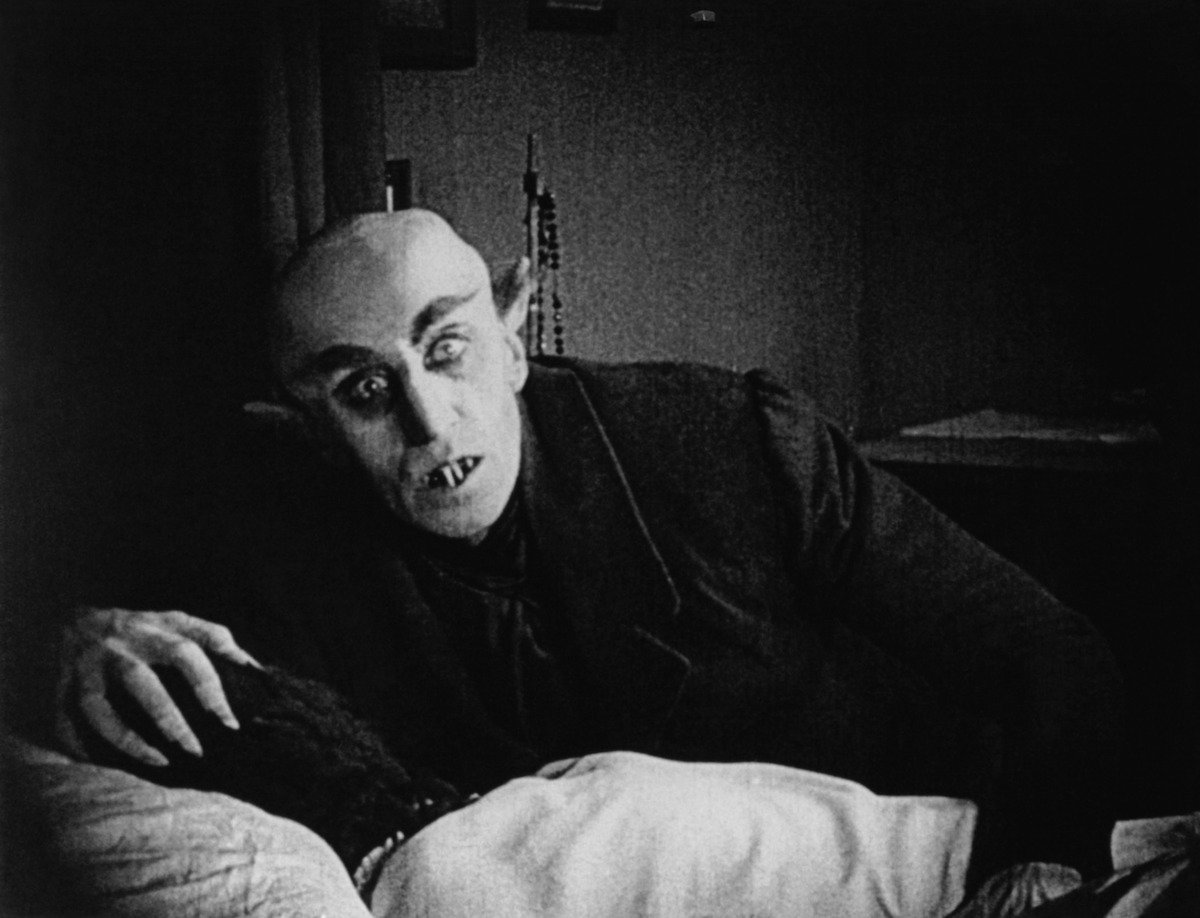
Film historians are divided on the subject of which vampire hit screens first, but everyone agrees that F.W. Murnau’s Nosferatu is one of the earliest. An unofficial adaptation of Bram Stoker’s Dracula, the silent black-and-white frames of Nosferatu are full of dread — and a vampire design that remains chilling to this day thanks to star Max Schreck’s indelibly creepy appearance and performance.
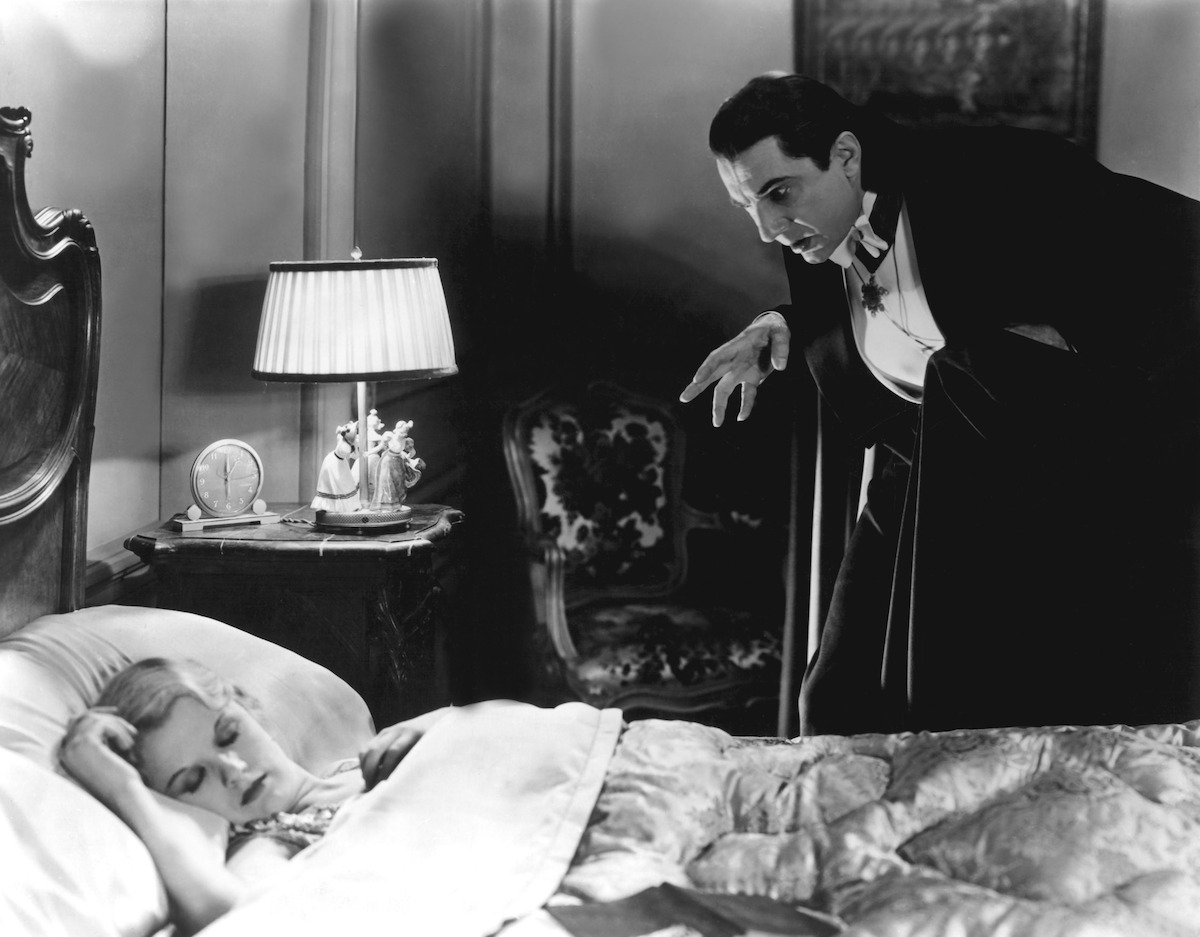
Bela Lugosi is perhaps the definitive Hollywood Dracula — the accent, the widow’s peak, the popped collar. But contrary to popular belief, the Hungarian performer only played the Transylvanian count twice in his career, once in the eponymous 1931 film and once in Abbott and Costello Meet Frankenstein. Even in that spoofy comedy, Lugosi is magnetic; it’s no wonder he was typecast in the role.
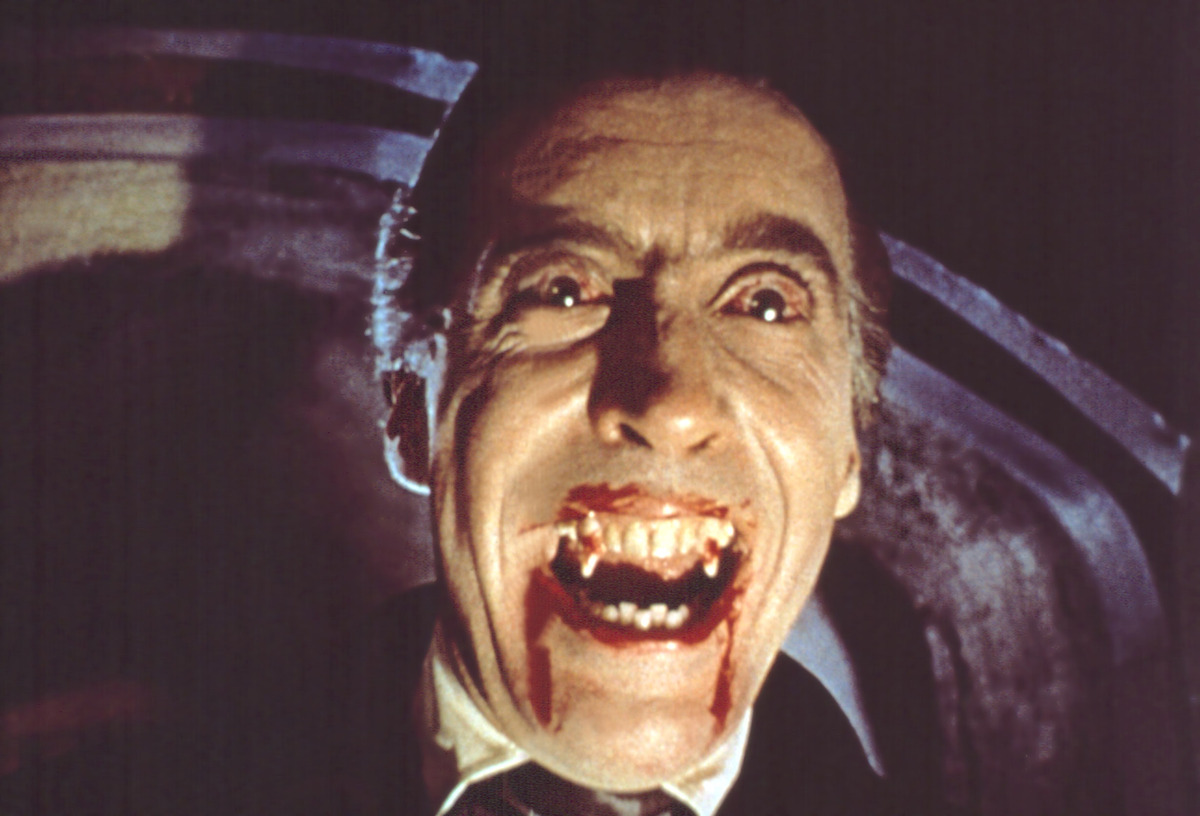
Terence Fisher’s Hammer Horror depiction of Count Dracula saw all-time great cinematic growler Christopher Lee take on the role. Lee is a casually terrifying presence, but he also brought aboard an element that would redefine the character (and pop-culture vampires themselves) — a not-so-subtle sensuality.
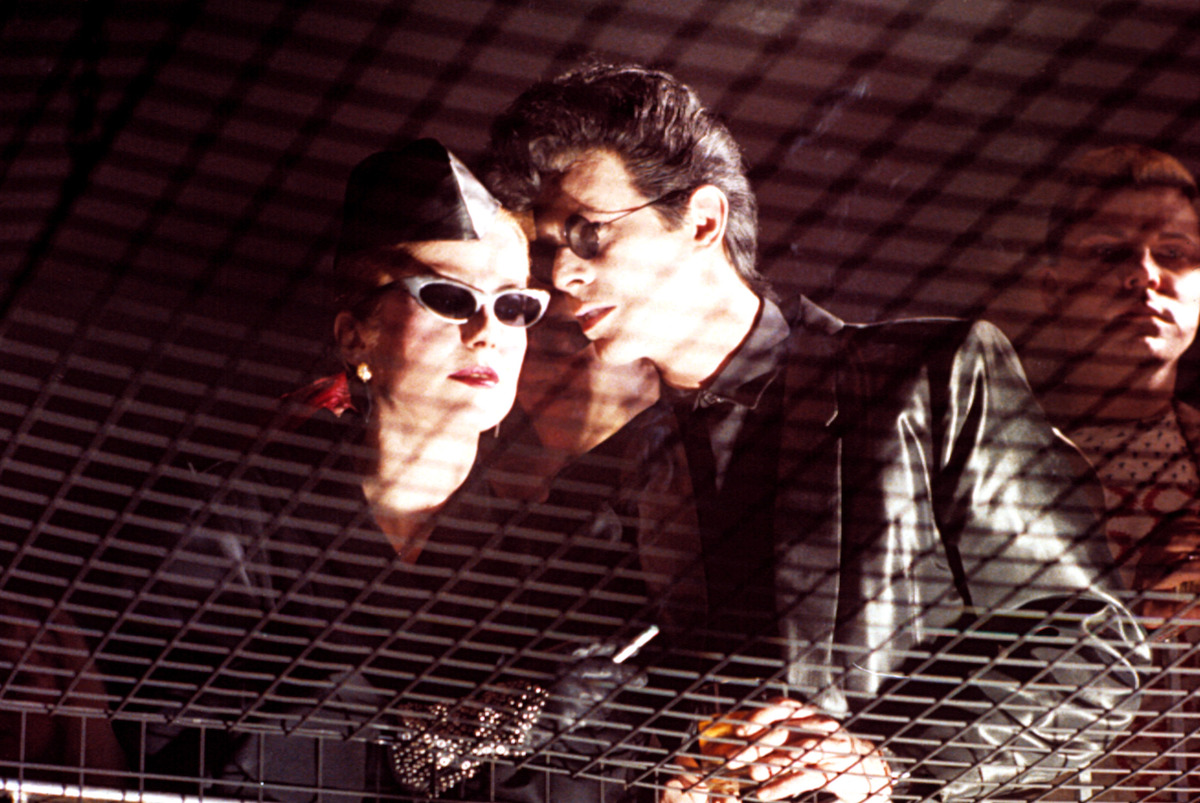
The late, great Tony Scott helmed this erotic love story with a slick, rock-video look, centered around a love triangle between a doctor (Susan Sarandon) and a pair of ageless vampires (Catherine Deneuve and David Bowie, arguably the hottest onscreen couple imaginable). The film received lukewarm reviews upon its release but has risen from the crypt as a cult classic; Hannibal creator Bryan Fuller cites it as a major influence on his work.
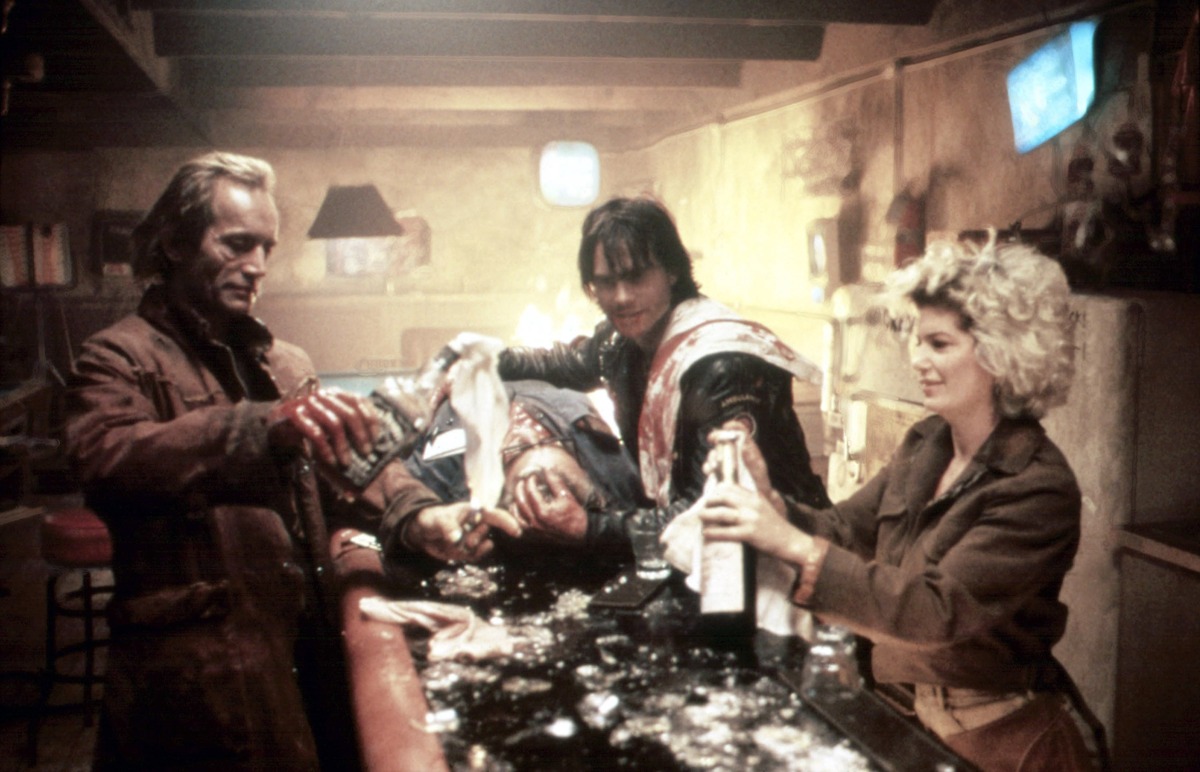
Envisioning the vampire film as bleary Western, director Kathryn Bigelow’s scuzzy masterpiece entangles a young man with a family of drifter hillbilly vampires. Come for the chaotic terror of a bloodsucking Bill Paxton holding a bar hostage; stay for the gorgeous compositions that would someday win Bigelow a well-deserved Oscar (for very different subject matter). One of the most unsung chillers of its decade.
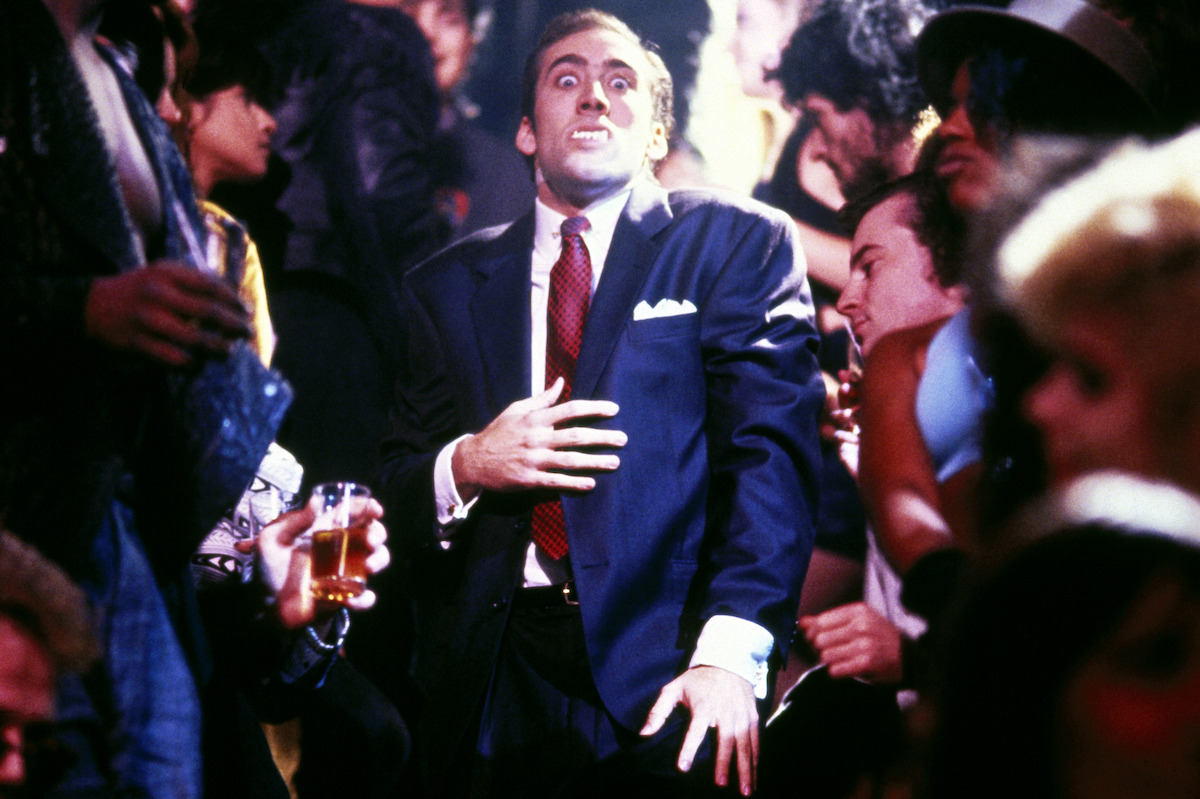
Beloved cinematic weirdo Nicolas Cage went for the throat with this bizarro comedy about a literary agent who falls in love with a vampire. Yes, this is where the meme came from. Cage’s much-mocked, over-the-top acting style has always been inspired by impressionistic early cinema like Nosferatu so it’s fitting that he came full circle with this truly demented performance. Plus, he eats a live cockroach!
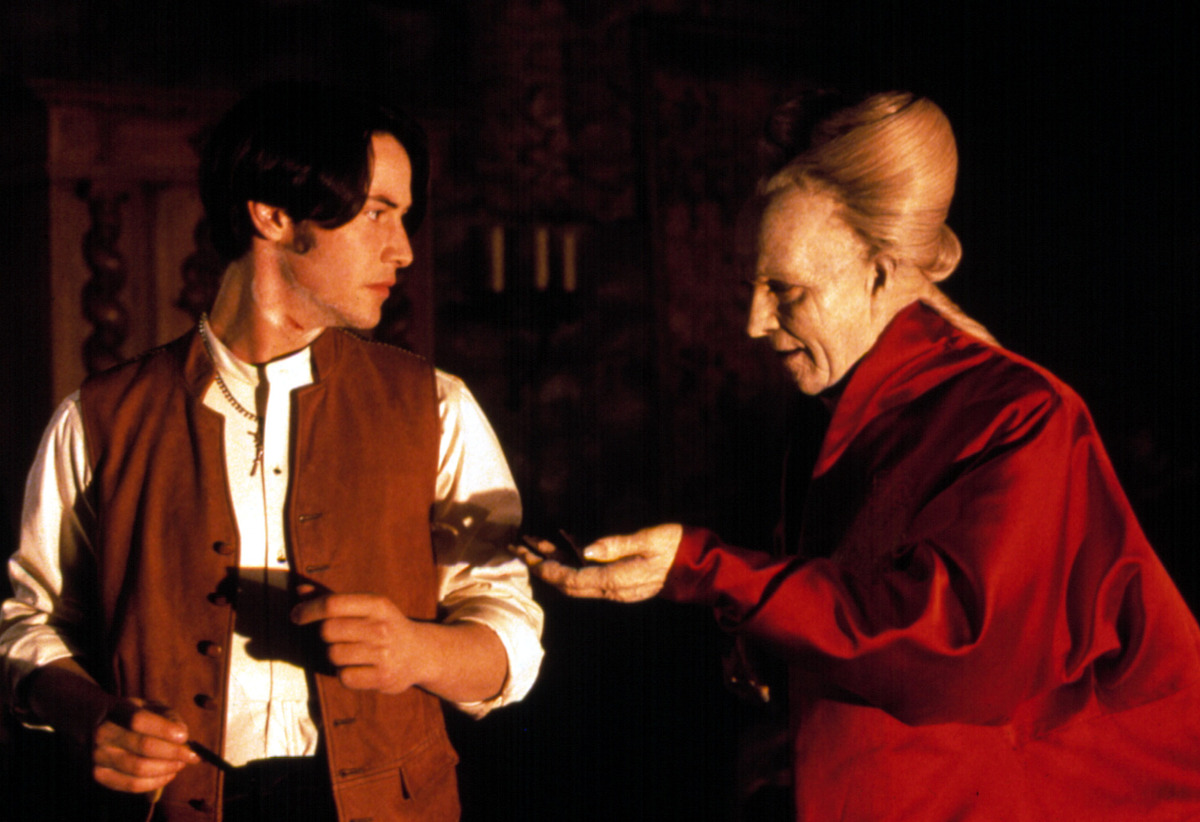
Cage’s uncle Francis Ford Coppola, made his own homage to the sumptuous physical sets and matte paintings of film impressionism with this visual feast of a film. Starring Gary Oldman as the Count, and Winona Ryder as the young woman who catches his fancy, the film goes full-blown romance. “I have crossed oceans of time to find you,” Oldman tells Ryder at one point. Such a gorgeous piece of dialogue that it almost wins us over to his point of view.
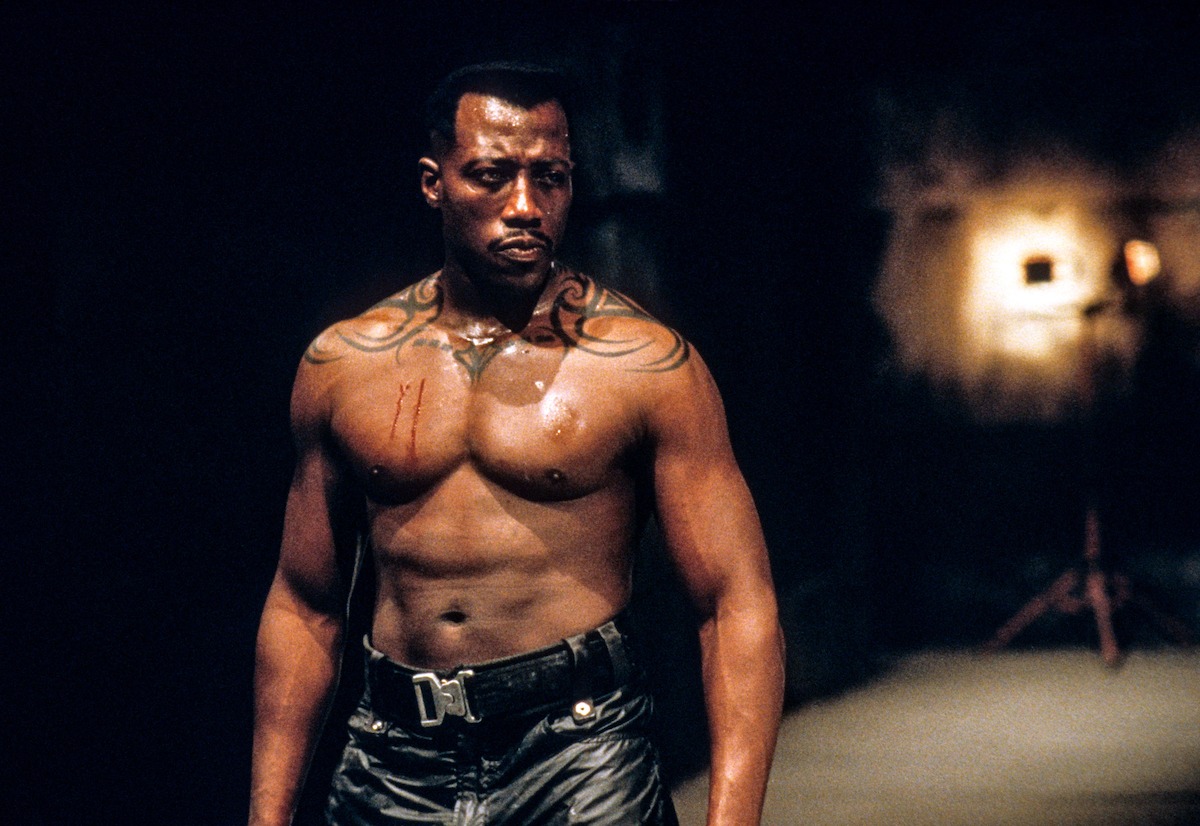
Sorry, Spider-Man: Wesley Snipes’ half-vampire vampire slayer actually invented the Marvel blockbuster with this blood-soaked riot. Guillermo del Toro’s gnarly Blade II is also worth checking out, and Blade Trinity is…also a movie that exists.
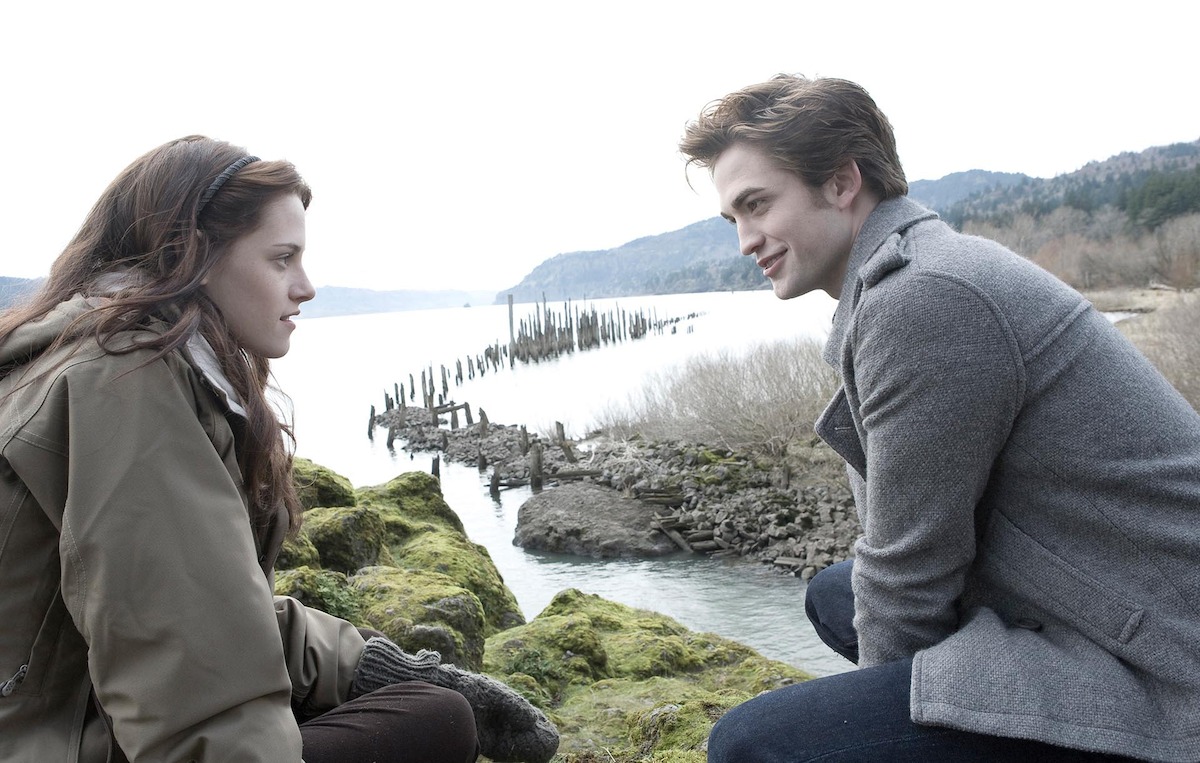
You can make fun all you want, but the Catherine Hardwicke teen blockbuster (based on Stephenie Meyer’s novel) reinvented vampires for a new generation. “I know what you are,” Kristen Stewart’s Bella says as the camera whizzes wildly around her. “Vampire.” Laugh away, but you know it’s iconic.

The same year as Twilight, this Swedish horror film tapped into the vampire mythology in a totally different way: A young vampire girl moves to a small town, and forms a connection with a bullied 12-year-old. Based on a novel by John Ajvide Lindqvist, the film was remade by The Batman director Matt Reeves in 2010, but nothing since has equaled its chilly almost-love story.
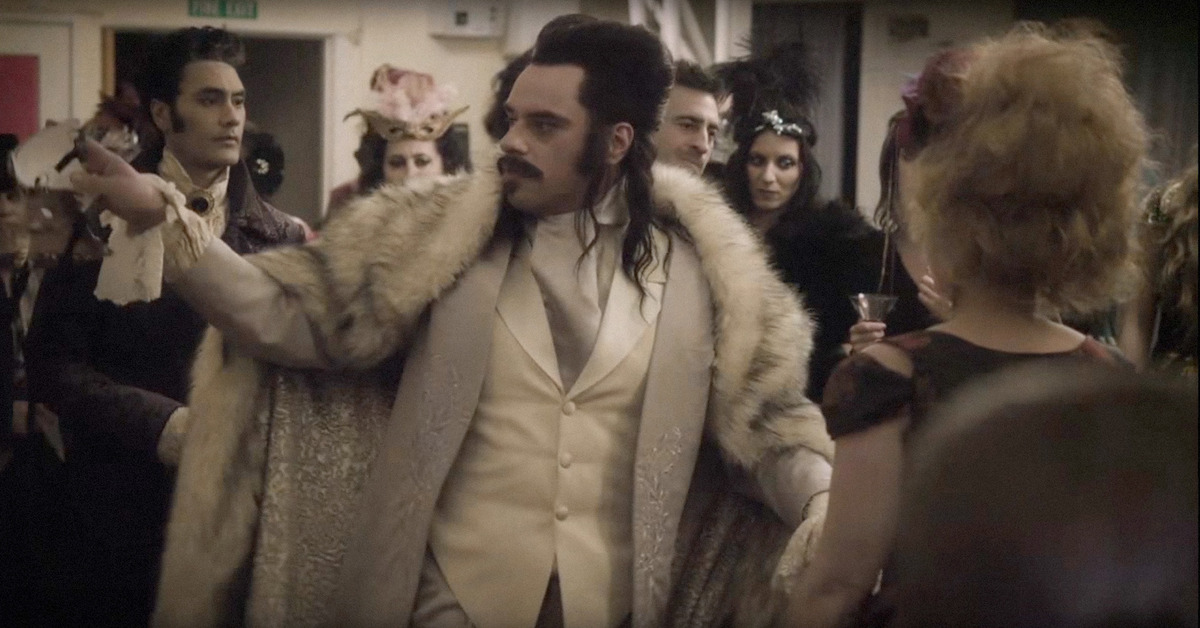
Taika Waititi is deep in Marvel-land at the moment, but the merry Kiwi prankster got his start with films like this shoestring mockumentary, co-starring and co-conceived by Jemaine Clement. The pair’s comic take on vampires-as-bored-roommates has long since escaped the bounds of the film and taken on new undead life as a hit FX series, but the sheer strength and speed of the original film’s nonstop gags can’t be matched.
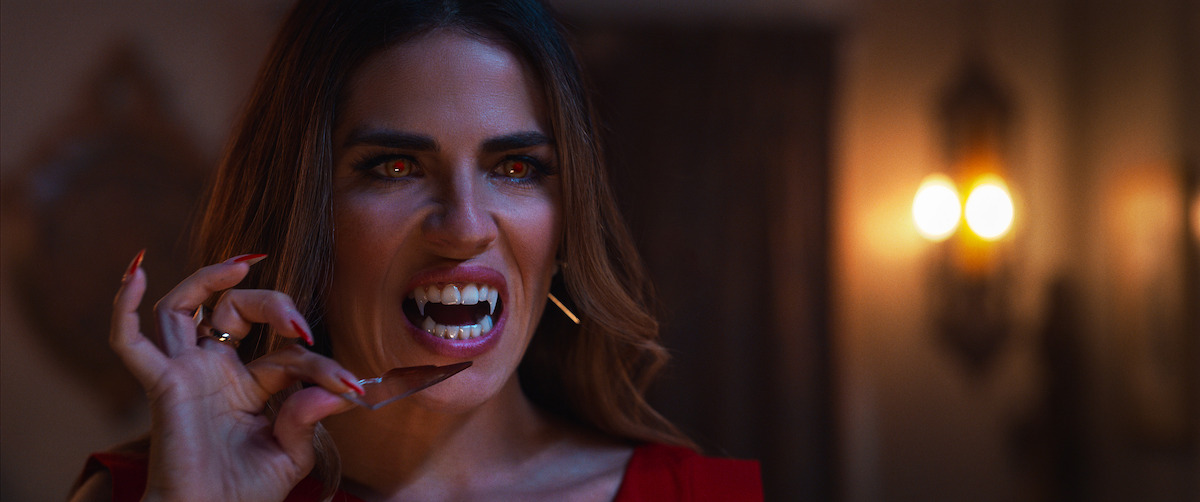
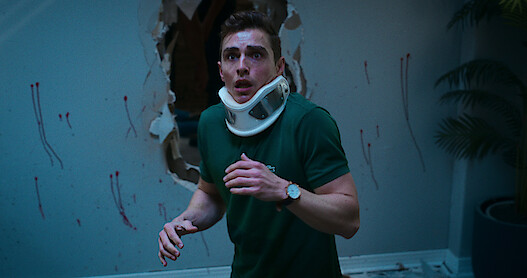
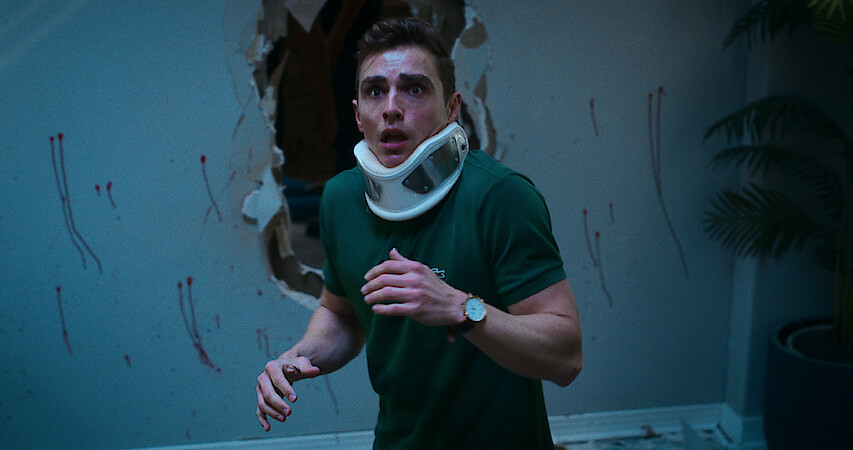
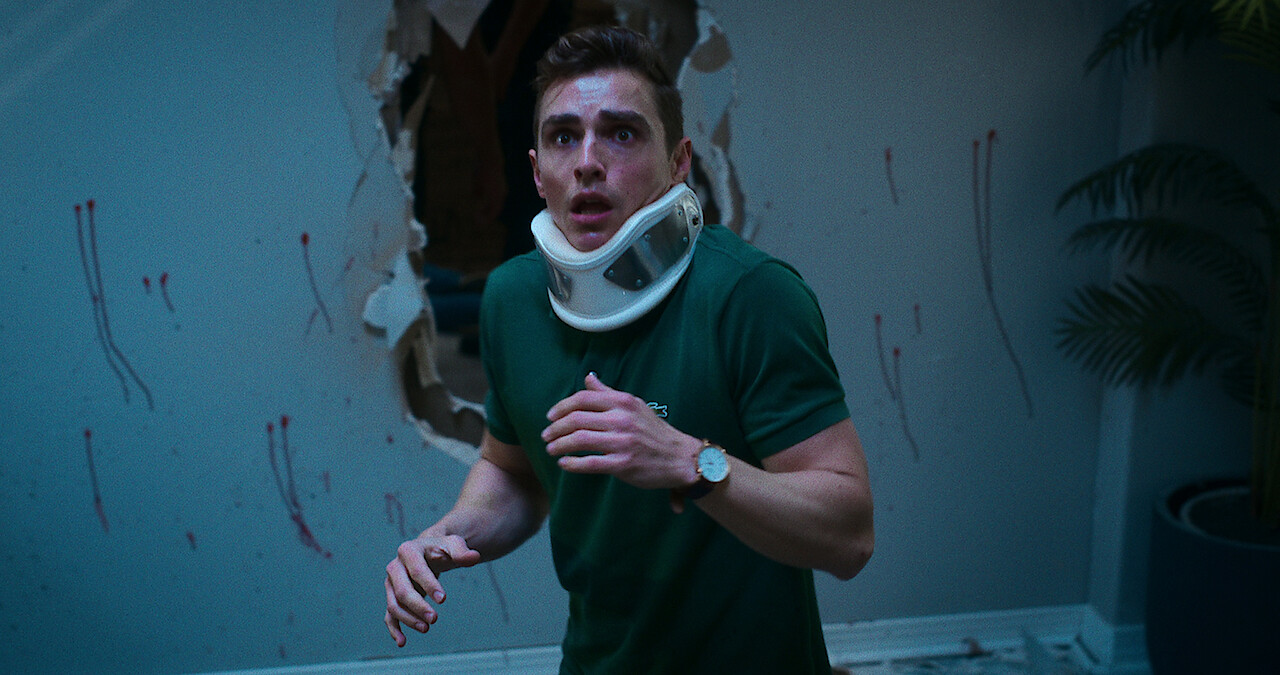
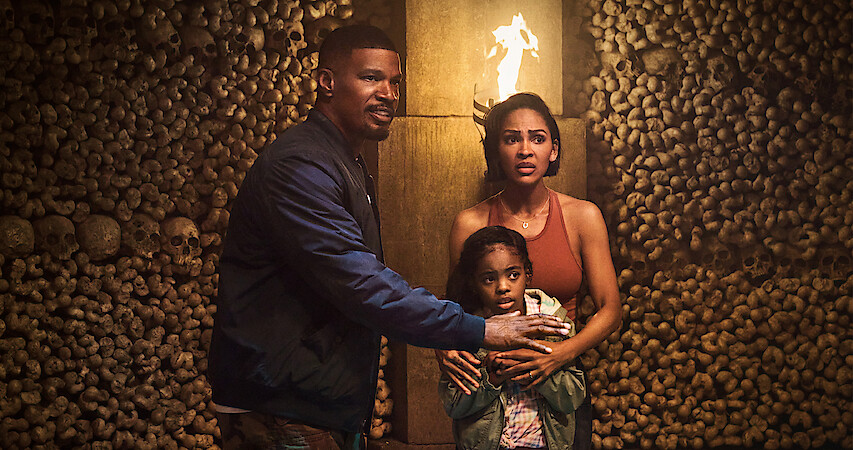
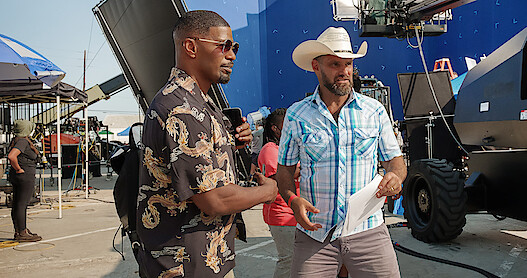
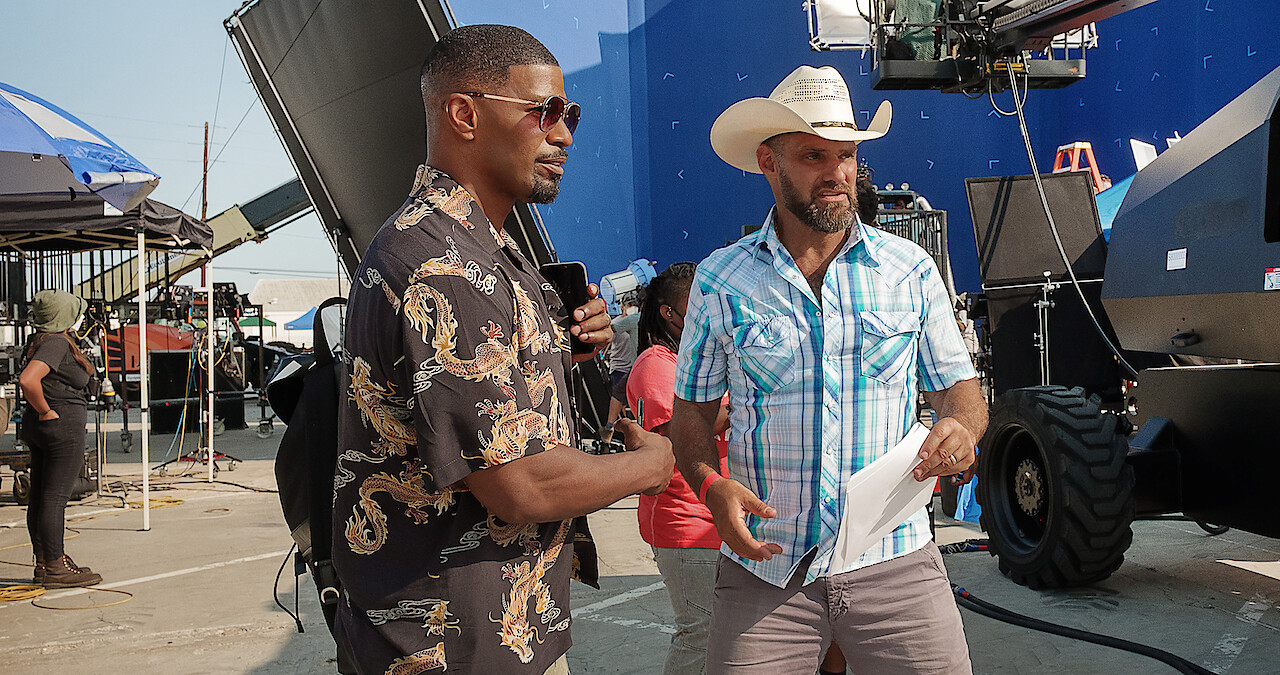
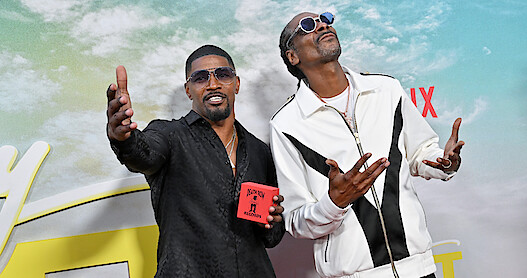
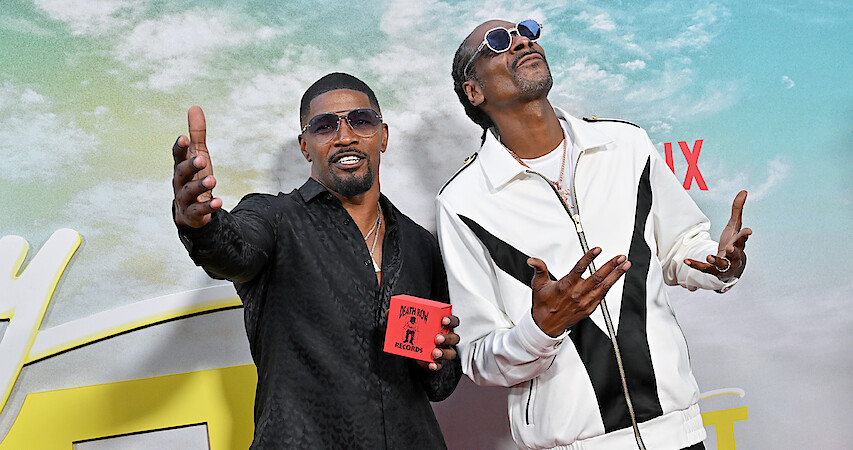
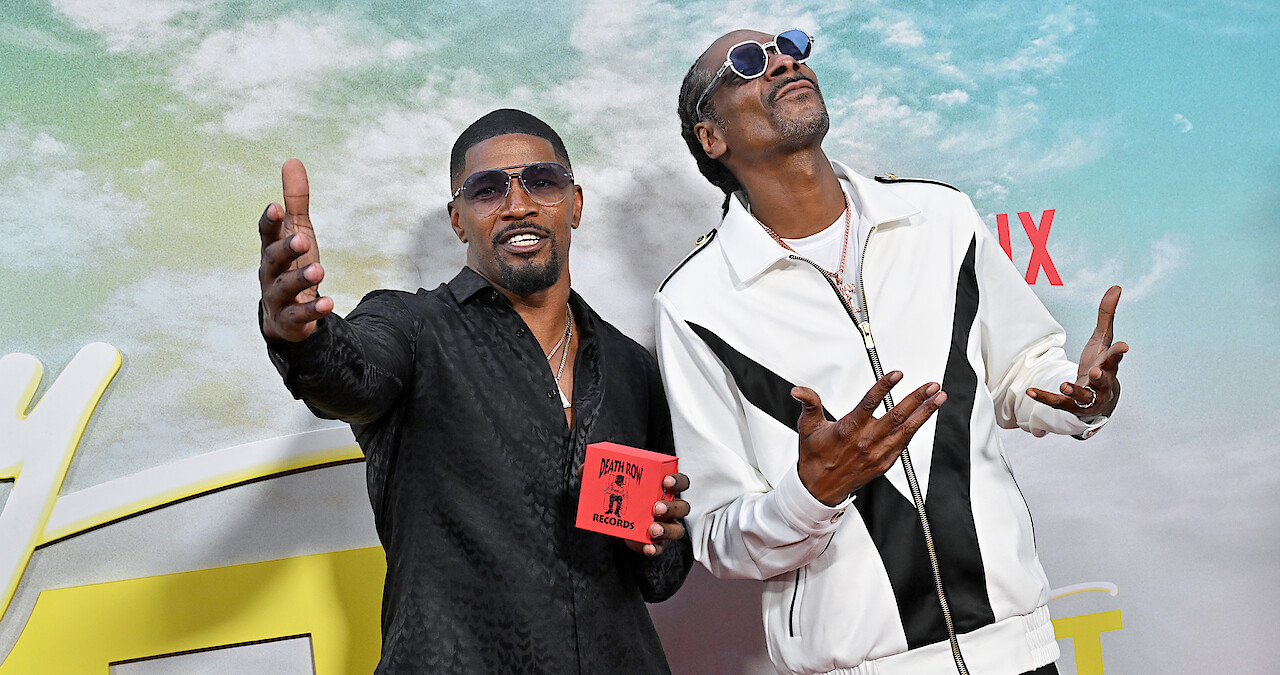
Day Shift’s portrait of the vampire world is simple: They’re a disease, and Jamie Foxx’s Bud is the cure. Throughout the new action flick, Foxx and his co-stars (including Dave Franco and Snoop Dogg) blast and stab their way through a seemingly endless horde of bloodsucking demons — and, at the end of the day, return to their union headquarters to trade in their fang winnings for cold hard cash. “Cut necks, cash checks,” as Snoop Dogg says at one point. Who are we to argue?