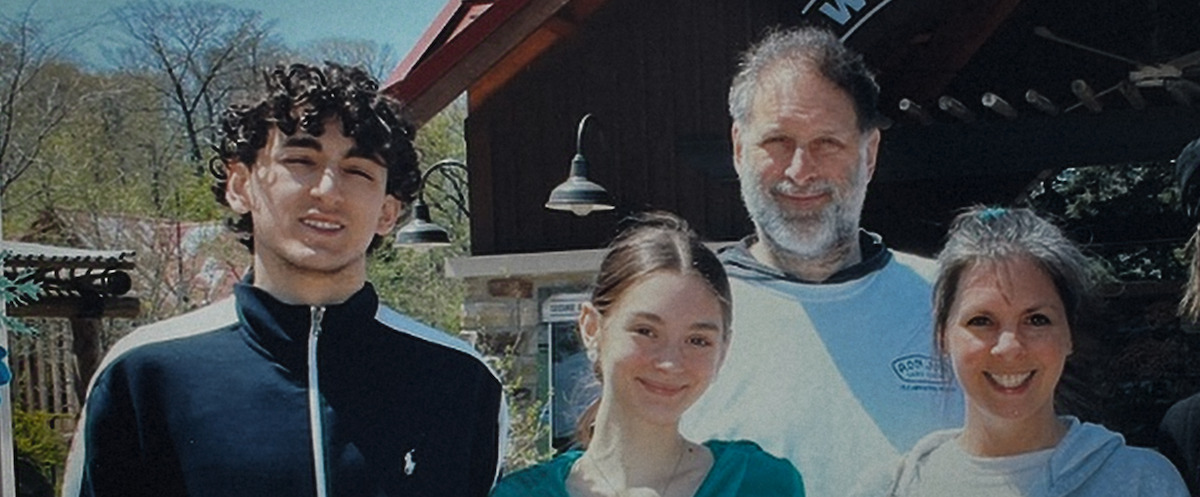
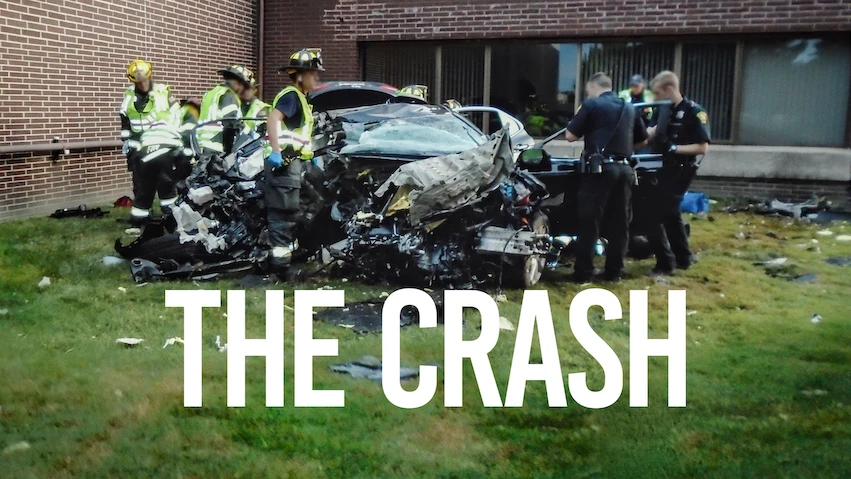
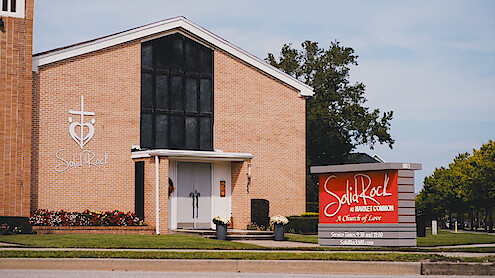
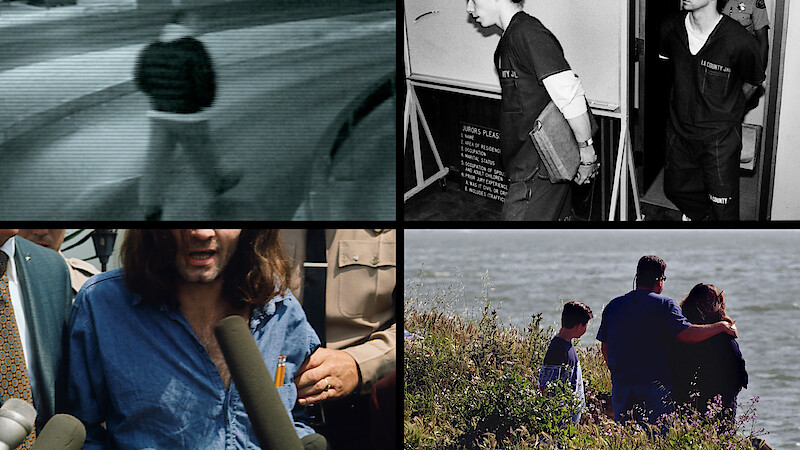
Mackenzie Shirilla never spoke to police. She never testified at her trial. And in the years since a judge found her guilty of murdering her boyfriend, Dominic “Dom” Russo, and friend Davion Flanagan in a 2022 car crash in Strongsville, Ohio, she has never publicly addressed what happened that night … until now.
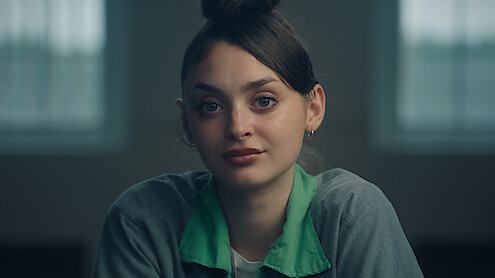
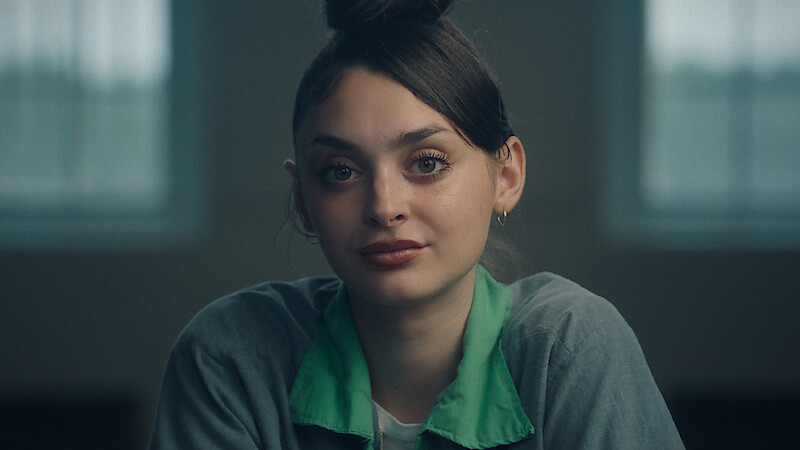
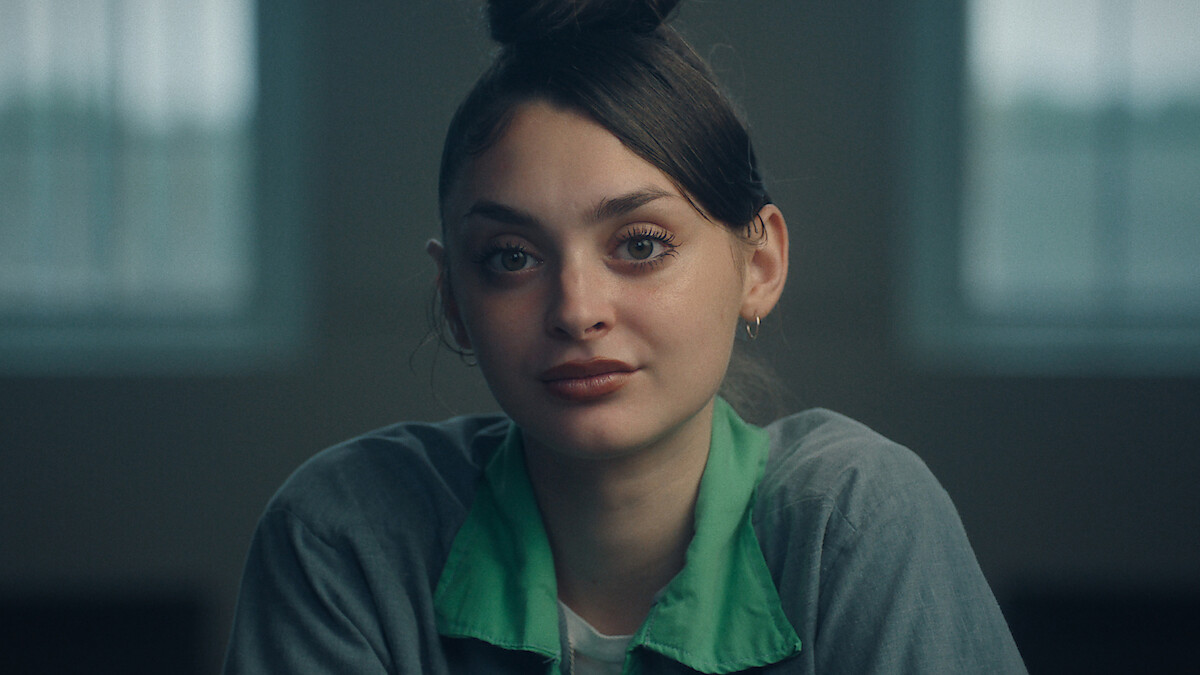
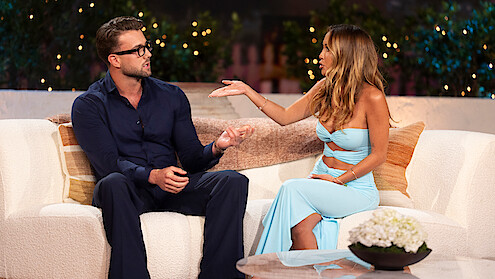
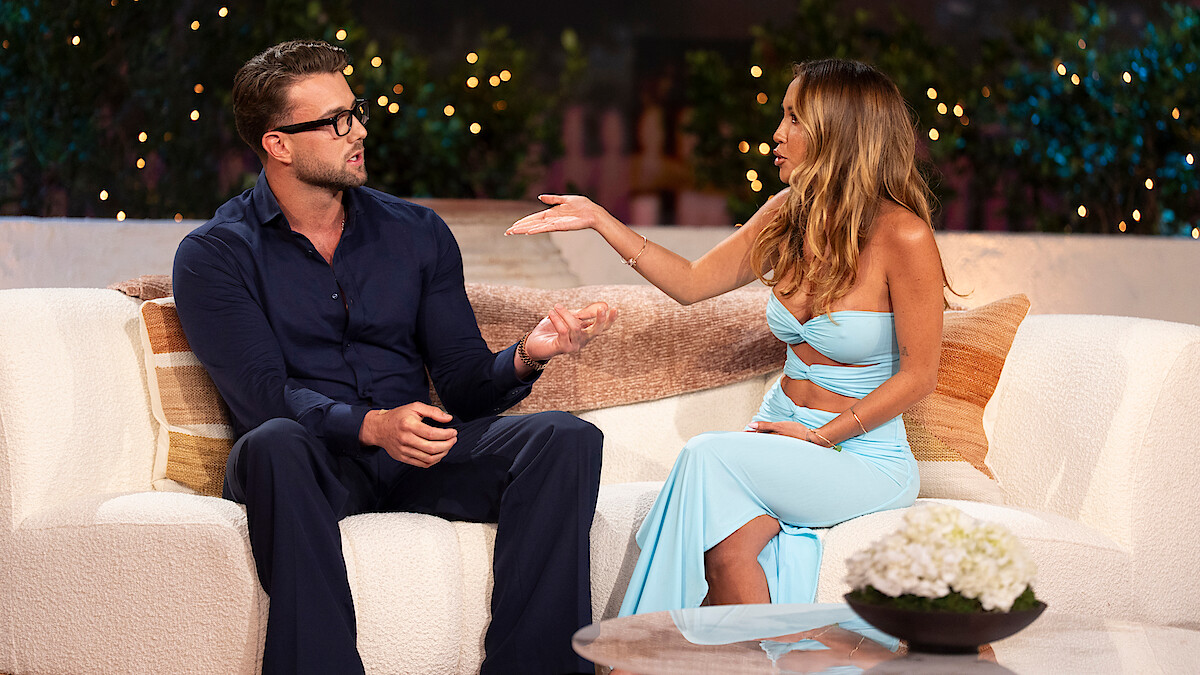
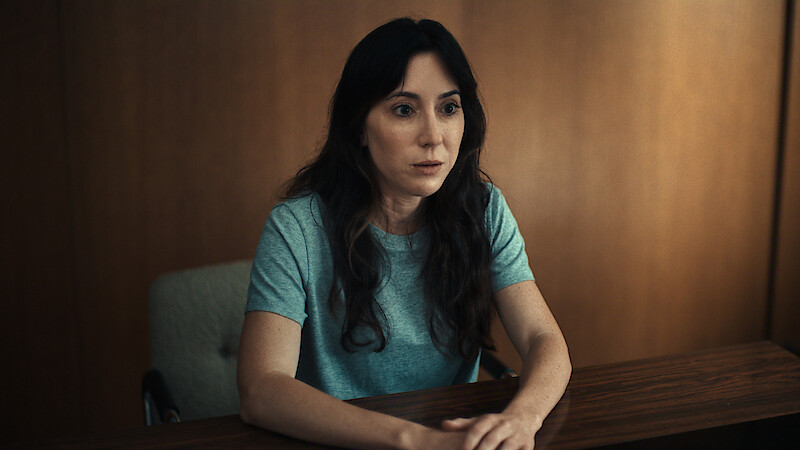
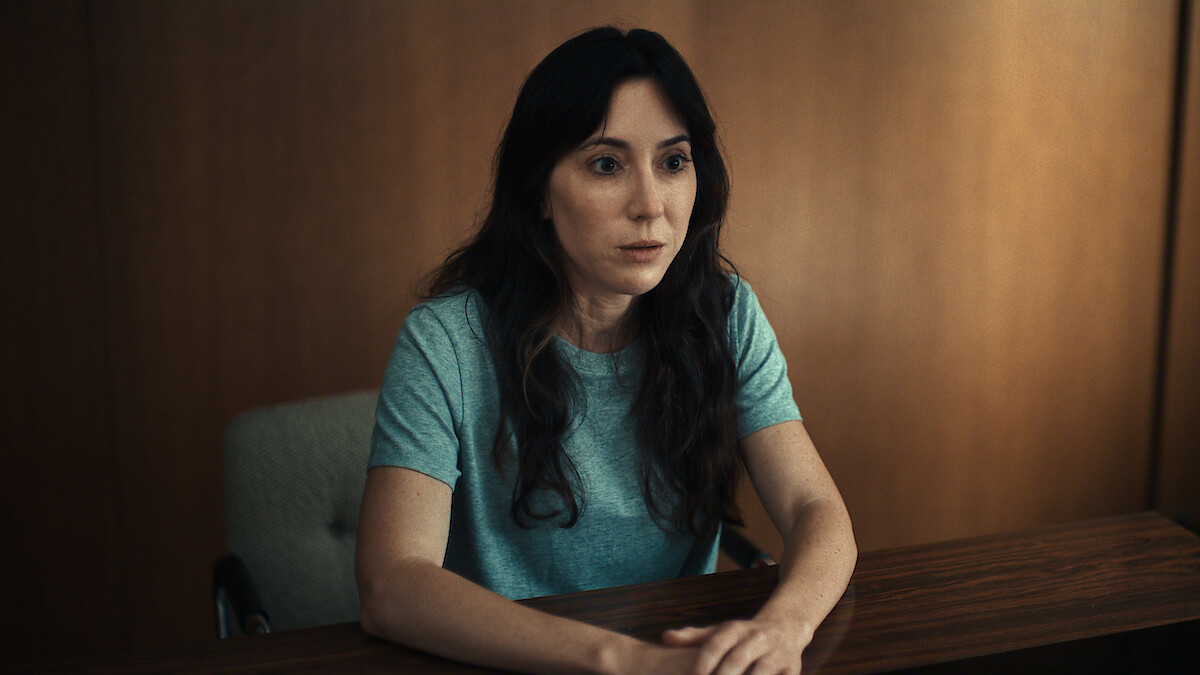
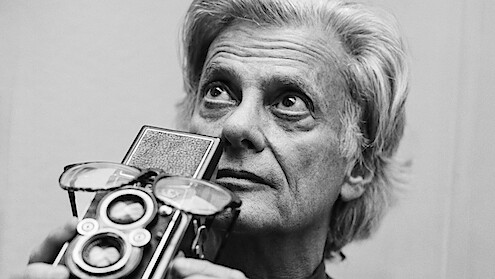
The Crash, now streaming, reconstructs the case through interviews with families, friends, and investigators. And in the documentary, Shirilla sits down on camera for the first time — in an interview that director Gareth Johnson and producer Angharad Scott say took considerable effort to secure.
“She was never interviewed by the police either before or after her arrest,” Johnson says. “It would be unprecedented if she spoke to us, and luckily she said yes.”
“It was extraordinary, after months of research for the story, to finally sit down and put to Mackenzie all the questions everybody else has been asking,” says Scott.
The conditions were tight: The crew had one hour, and, as viewers learn later, Mackenzie’s lawyer was present throughout.
What does Mackenzie Shirilla say happened the night of the crash? What is POTS?
In the interview, Mackenzie maintains she has no memory of the period just before the crash. When pressed on the fact that some might find the lapse convenient, she clarifies: “I’m not saying I’m innocent. I was a driver of a tragedy, but I’m not a murderer.”
Asked what she believes happened, Mackenzie points to her 2017 diagnosis of POTS (postural orthostatic tachycardia syndrome), a condition she says causes her to “black out” — the same defense her legal team presented at trial. “The most logical speculation seems to be a medical emergency,” she says. But as to how that would explain her retaining control of the vehicle, she hedges: “I’m unsure, because I have no recollection of that morning, but I know nothing about it was intentional, because that’s not in my character.”
Why were Mackenzie’s social media and TikToks used in the crash trial?
The question of Mackenzie’s character was at the heart of the case. As seen in the documentary, investigators combed through Mackenzie’s phone and social media looking for clues about who she was, and that digital footprint would go on to play a significant and controversial role in court.
“There’s something the prosecutor says in this film, that there’s a black hole at the center of this case, and the black hole is what happened inside the car,” Johnson says. “The police, the prosecutor going through all of the phone footage, the social media posts — that was a really fascinating attempt [at trying] to build up a sense of character.”
The documentary draws on much of that same material — not to pass judgment, Scott says, but because it was inseparable from the story. “The use of social media is what makes this film so prescient. So much of it is told and discussed and continues to be discussed on these online platforms,” she says. “We portrayed her online presence throughout the whole film because it played so much into this case.”
While Mackenzie’s extensive social media presence was not used during the trial to determine her guilt, the prosecution, led by Cuyahoga County assistant prosecutor Tim Troup, introduced many of her TikToks during sentencing. Troup felt they demonstrated what he described as a “shocking lack of remorse” — posts that seemed to depict Mackenzie “living her best life,” in the words of Davion’s father — in the months between the crash and her arrest.
In the documentary, the filmmakers ask Mackenzie about her social media being used in the case. She replies, “I feel like anybody’s social media isn’t really them. It’s how they want the world to see them. And at the time that’s how my 17-year-old brain was wanting to be seen.”
Mackenzie also speaks to the emotional toll of her conviction and life in prison, saying, “I try to wake up and be the best person I can be every day,” and that not a moment passes that she doesn’t think about Dom and Davion. “It’s still, like, a void of losing them,” she says.
Why was Mackenzie’s lawyer with her in the interview?
It’s only after Mackenzie finishes speaking that the filmmakers reveal her attorney has been in the room the entire time. Her demeanor demonstrably shifts as she checks in on how she’s coming across. “I don’t want to force anything and just say too much or sound crazy,” she says to her lawyer, before turning back to the camera to say, “I’m big on the no intent. There was no intent whatsoever there. I have excessive amounts of remorse for Dominic, Davion, both of their families. This was not intentional and I will do everything I can to prove that to the world and the families. And that’s it.”
Johnson says the decision to keep that moment in the finished film was deliberate. “I thought it was important that the audience understood the circumstances that interview was held under,” he explains. “She has every right for her lawyer to be there. She is in part of an appeals process [where she and] her parents are very much fighting the conviction.”
Is Mackenzie’s family trying to overturn her conviction?
Yes. And the fight, so far, has not gained traction. In the documentary, Mackenzie’s mother, Natalie, is seen going through evidence she hopes to introduce — including text messages about an incident two weeks before the crash in which someone reported that Mackenzie had driven erratically on the freeway with Dom in the car, a moment the prosecution cited as “prior calculation.” In those messages, allegedly sent to Dom’s mother, Mackenzie claims it was Dom who grabbed the steering wheel and tried to crash the car, not her. Mackenzie’s first appeal was denied, however, and Scott says there have been no major developments in the case since filming wrapped.
“We know that the Shirillas will use every recourse available to them. As they say in the film, ‘We will fight, fight, fight, fight, fight, fight.’ And I do believe they really will do that,” Scott says.
When was Mackenzie Shirilla sentenced?
Mackenzie Shirilla was sentenced by a judge on August 21, 2023.
How long is Mackenzie Shirilla in prison for?
Mackenzie was sentenced to two concurrent sentences of 15 years to life in prison. Her first parole hearing is scheduled for September 2037.
The Crash is now streaming.