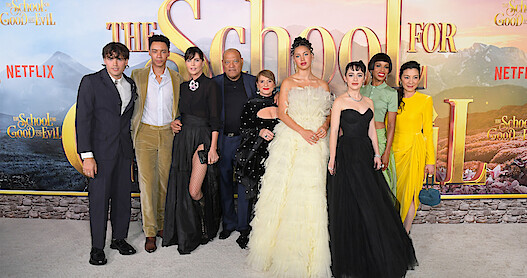
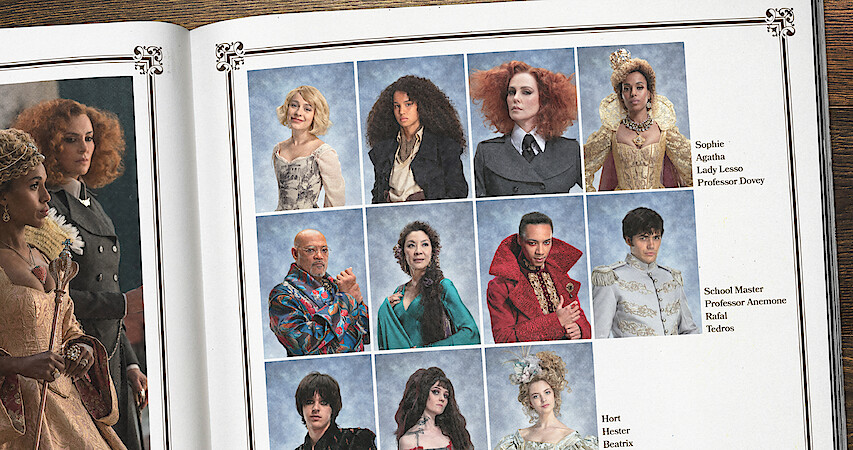
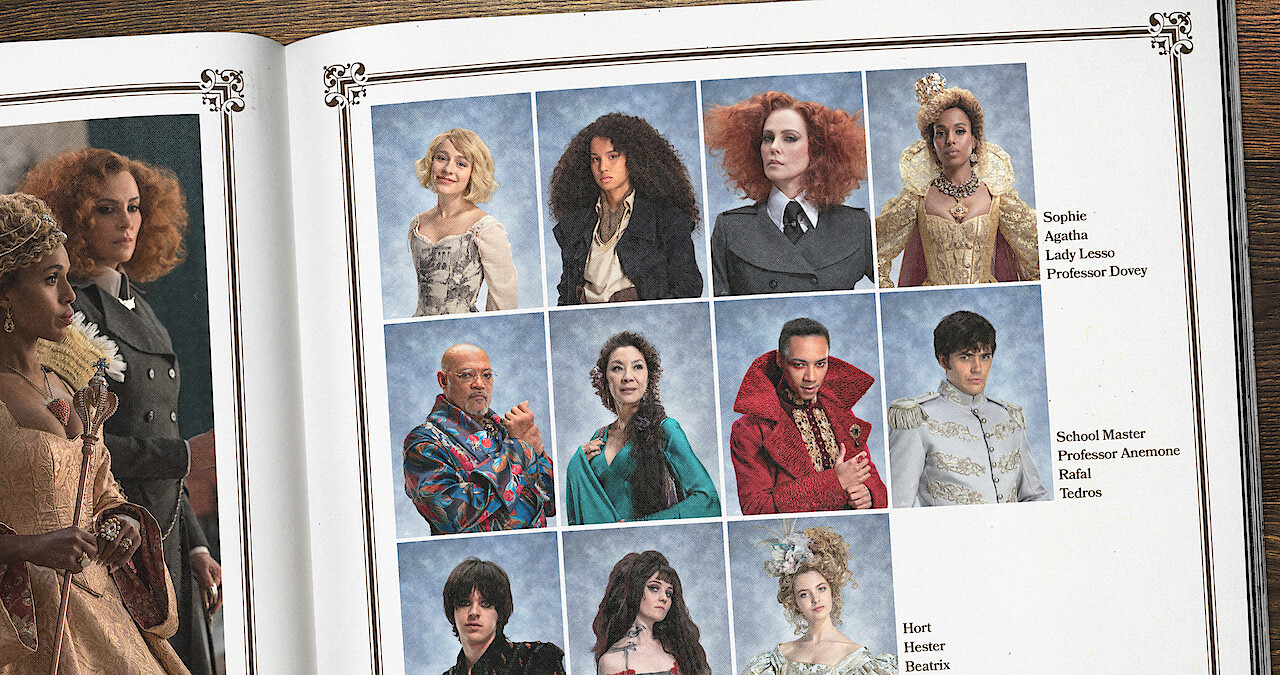
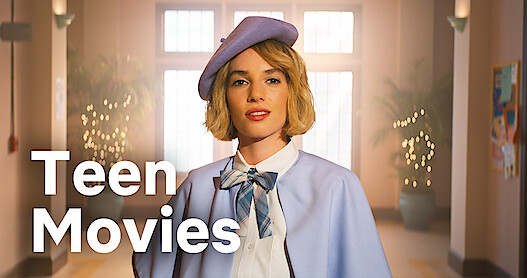
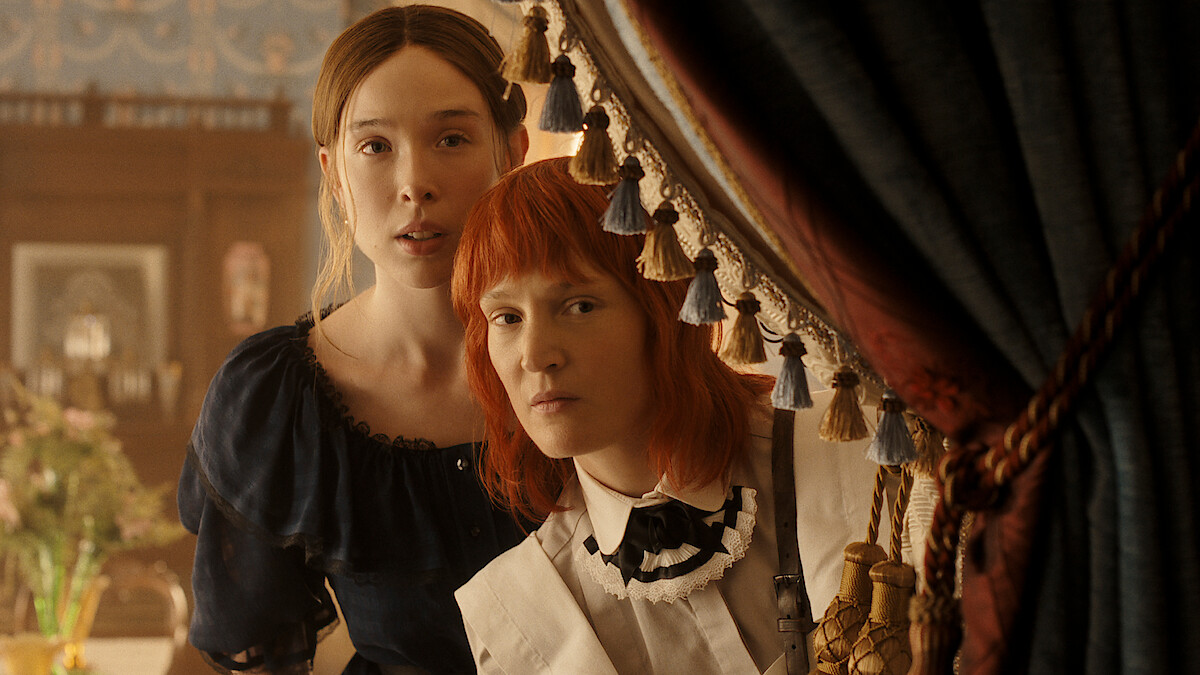
Renée Ehrlich Kalfus has designed costumes for more than 30 films, including award-winning work on 2016’s Hidden Figures. But nothing on her résumé came close to the sheer volume of looks that her team needed to create for The School for Good and Evil. “We did almost 1,000 custom-made costumes plus 750 boots, shoes and pieces of jewelry — I can’t even tell you about it all, we made everything!” she says, still seemingly exhausted from the thought of it.
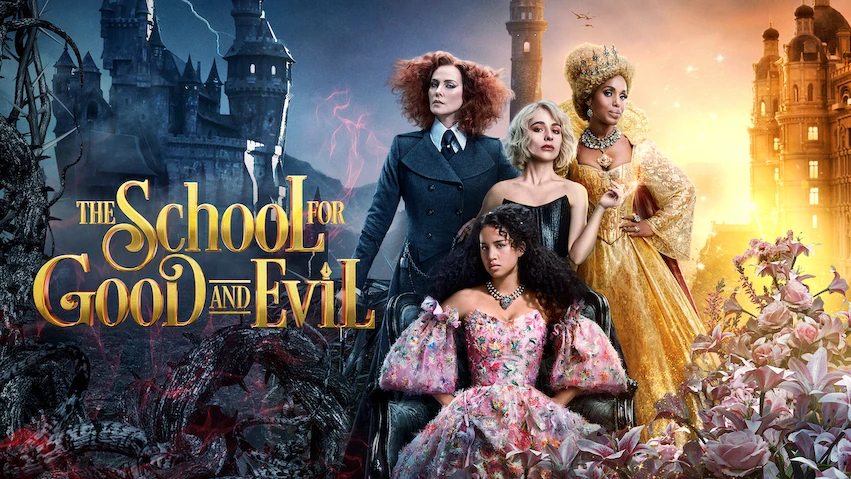
After all, the pressure was on Kalfus’ clothes to do the talking that the film’s dialogue couldn’t. “This was a very specific project where, even more than usual, you have to define individuals by what they’re wearing. It’s a lot of what the entire story is about — who conforms, who doesn’t.”
Kalfus says she relished the opportunity to mash up so may eras, cultures and characters to dress the new film’s massive cast: “We had the flounce of turn-of-the-century gowns, the grit of punk and goth and unexpected influences of things like sportswear, shoulder pads and power suits.”
Read on for what she had to say about the movie’s main characters and what their clothes say about them.
Lady Lesso
CHarlize Theron
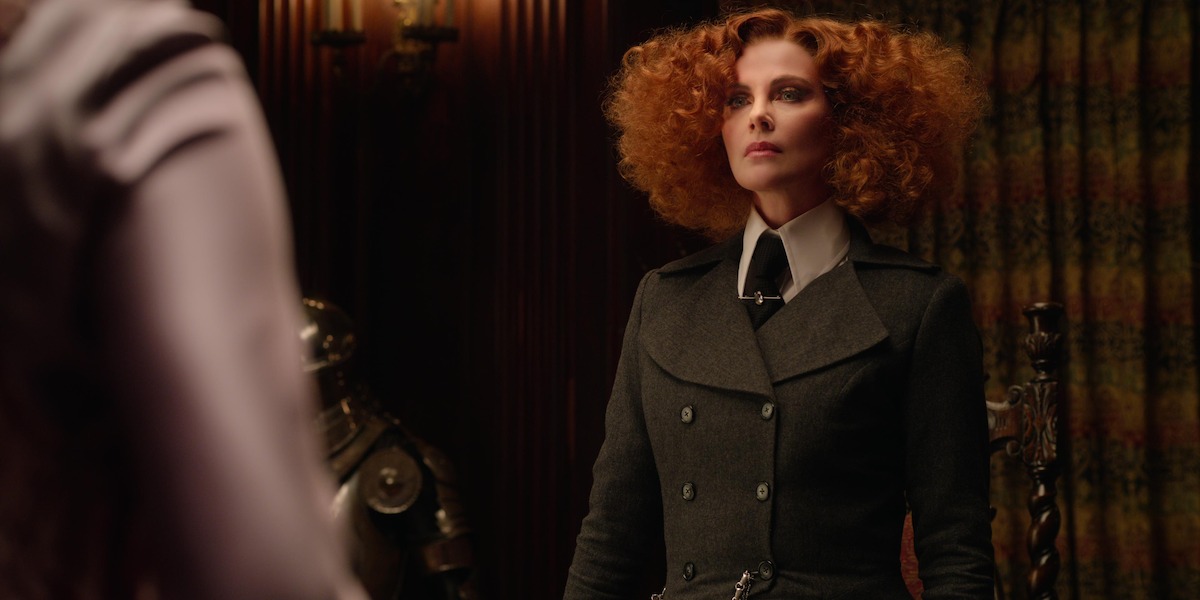
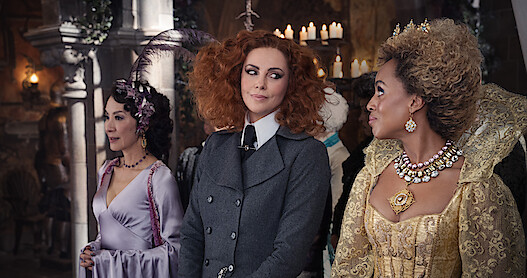
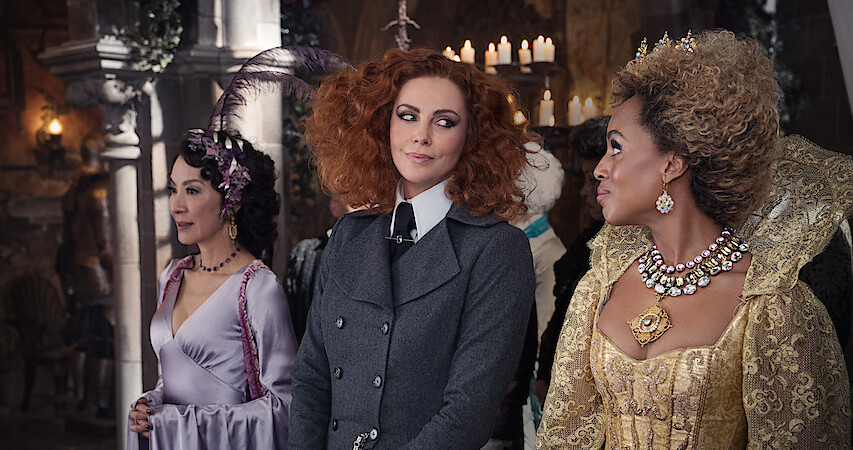
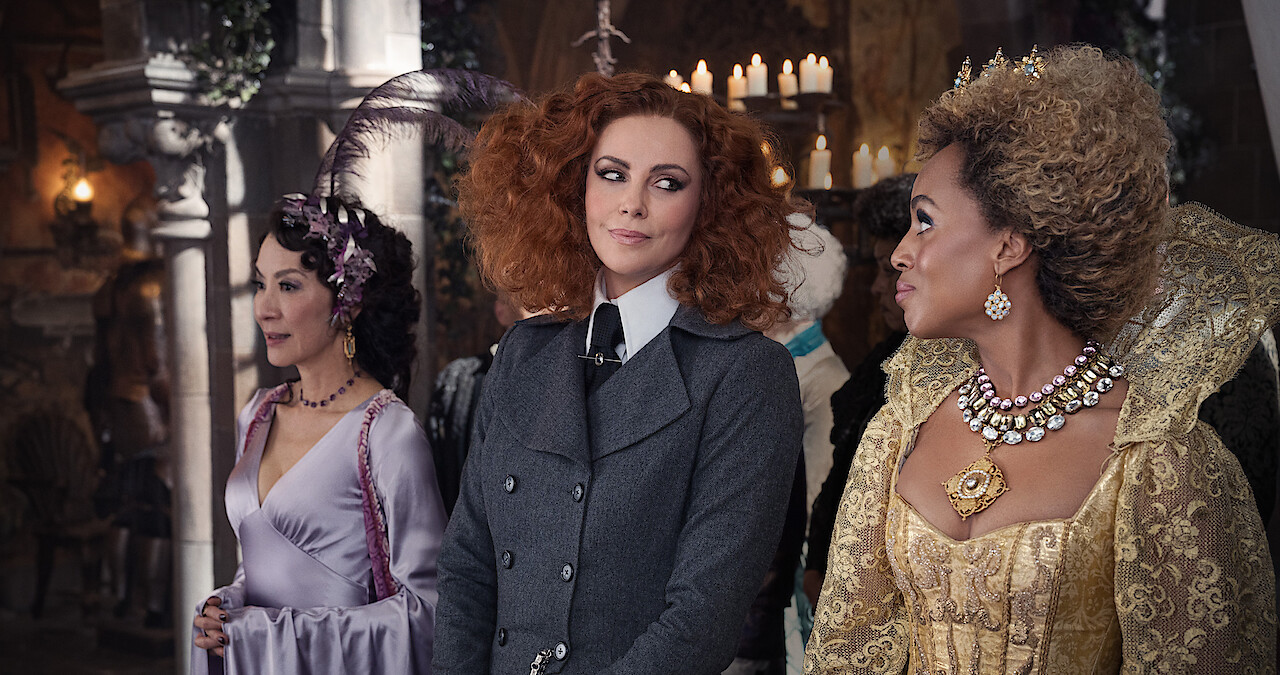
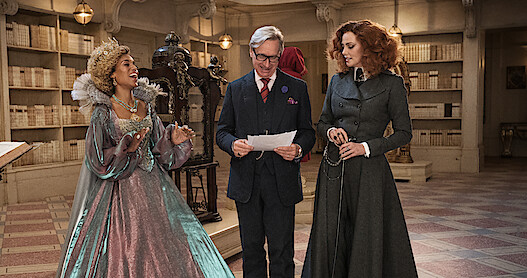
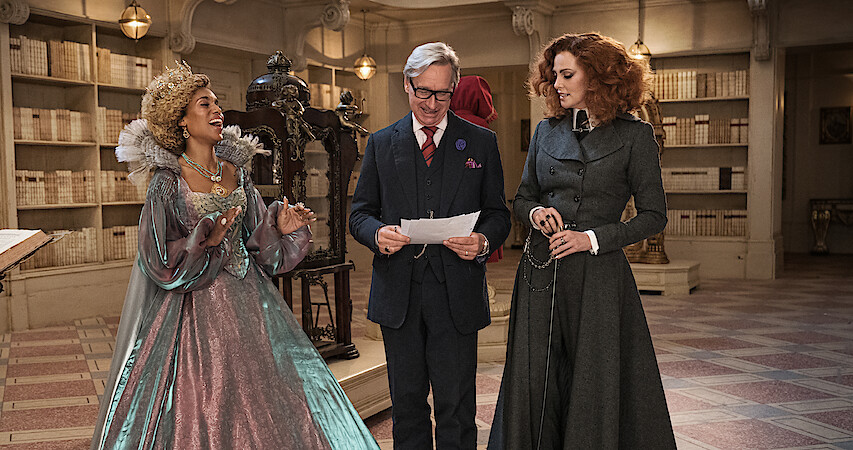
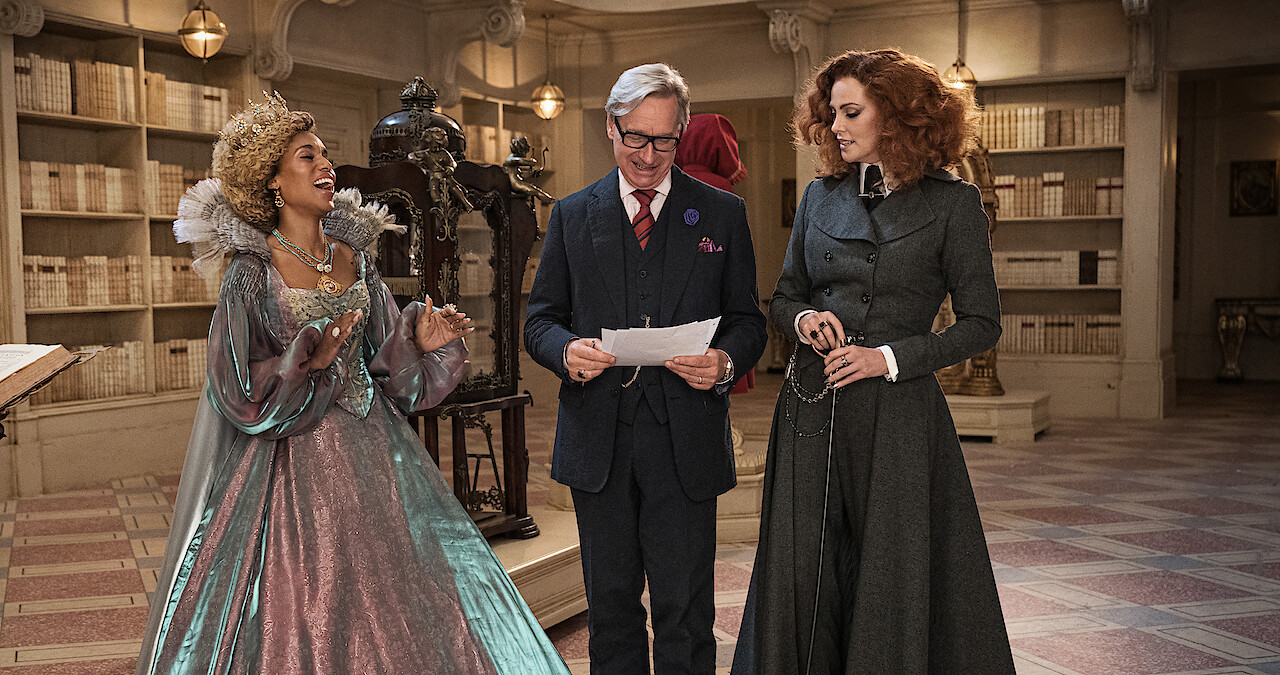
“Charlize was the professor of Evil and there was a lot of discussion about her being a tweedy, old-school suit who mimics academics. We heightened everything with a long-waisted coat and a 4-inch-high dagger collar around her neck and dagger nails and steel pointy-toed boots. Magnificent Charlize can wear anything, and I feel like it sort of stretched her and made her bigger and taller and scarier. We made all her jewelry, including that stick pin of the Good and Evil symbol made in onyx black. Charlize really wanted Lady Lesso to stay in that costume, she was very into it. I think she gets into another pair of trousers and a vest for the haircutting, but otherwise, she stays grounded in this look.”
Helen Sloan/Netflix
Professor Dovey
Kerry Washington
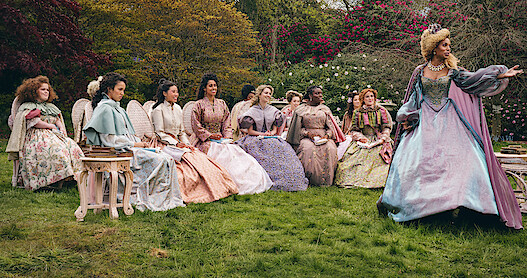
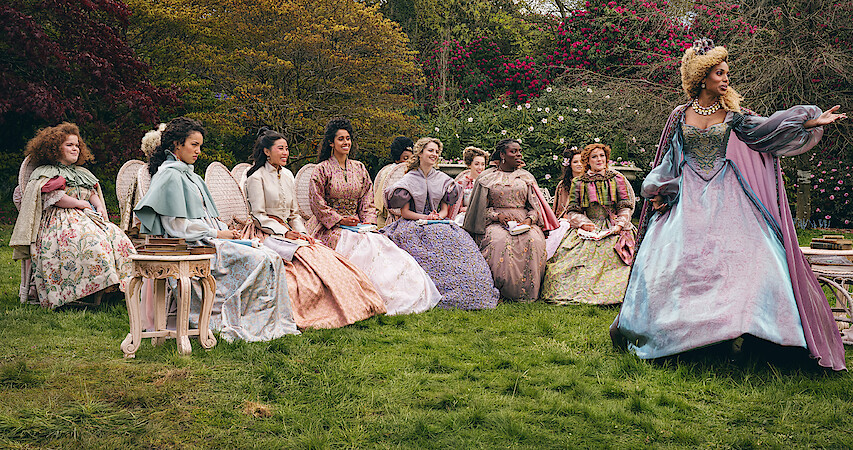
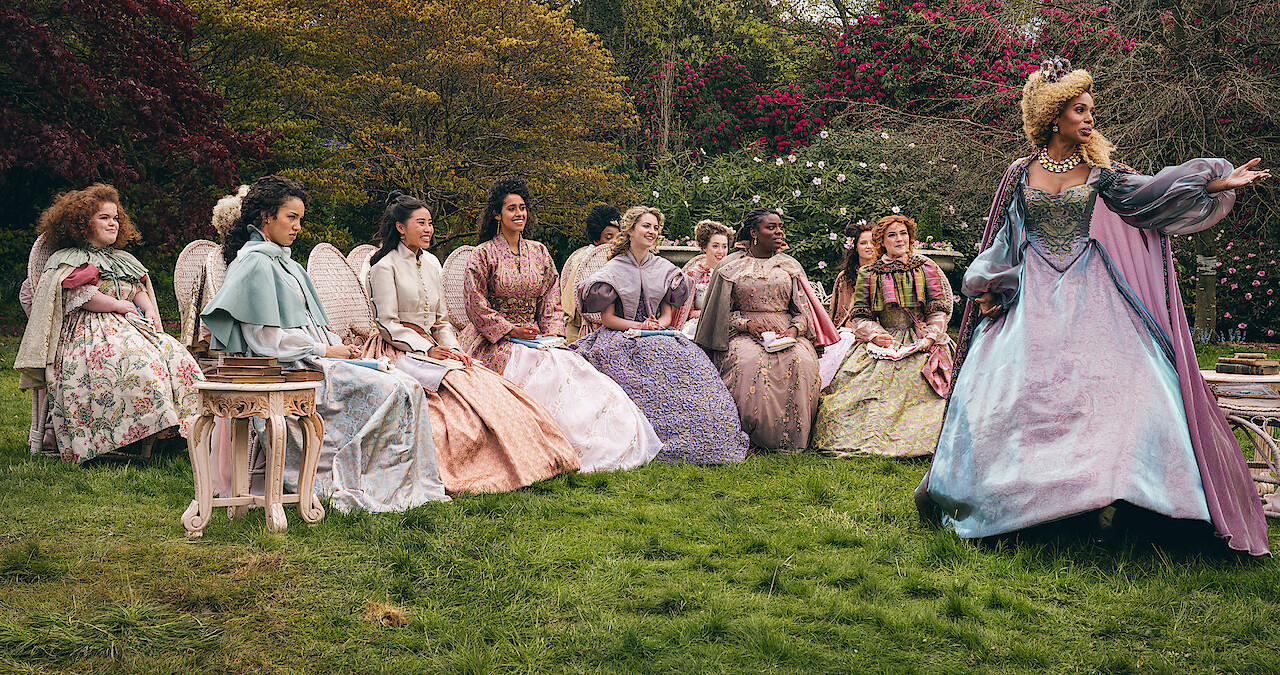
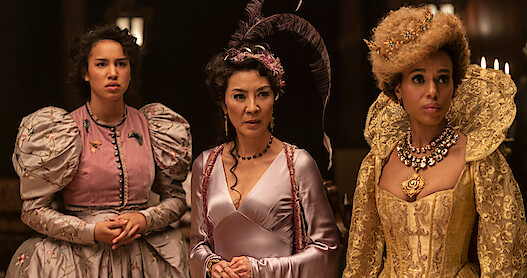
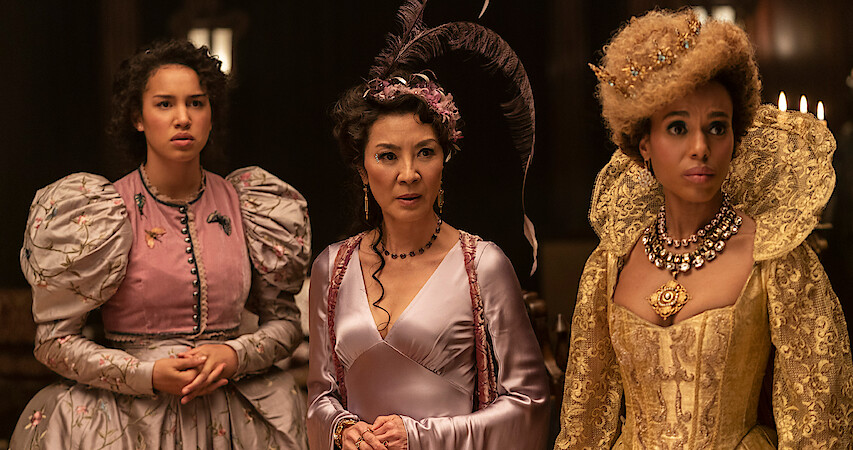
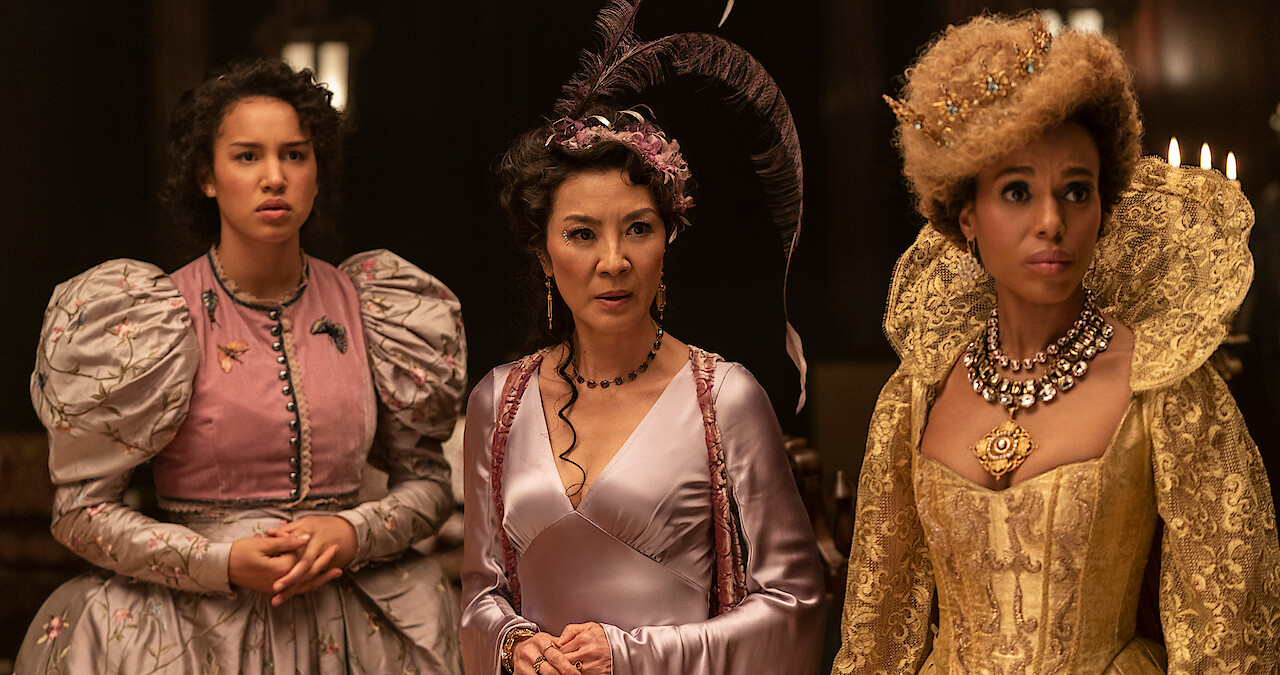
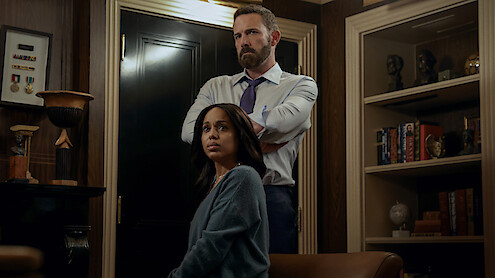
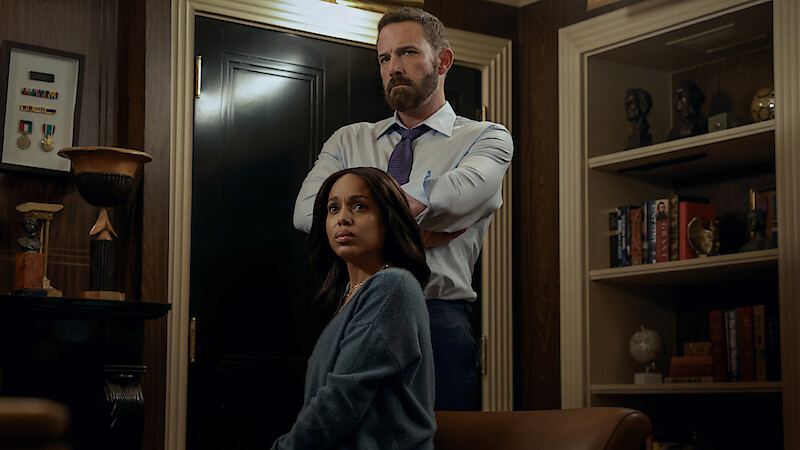
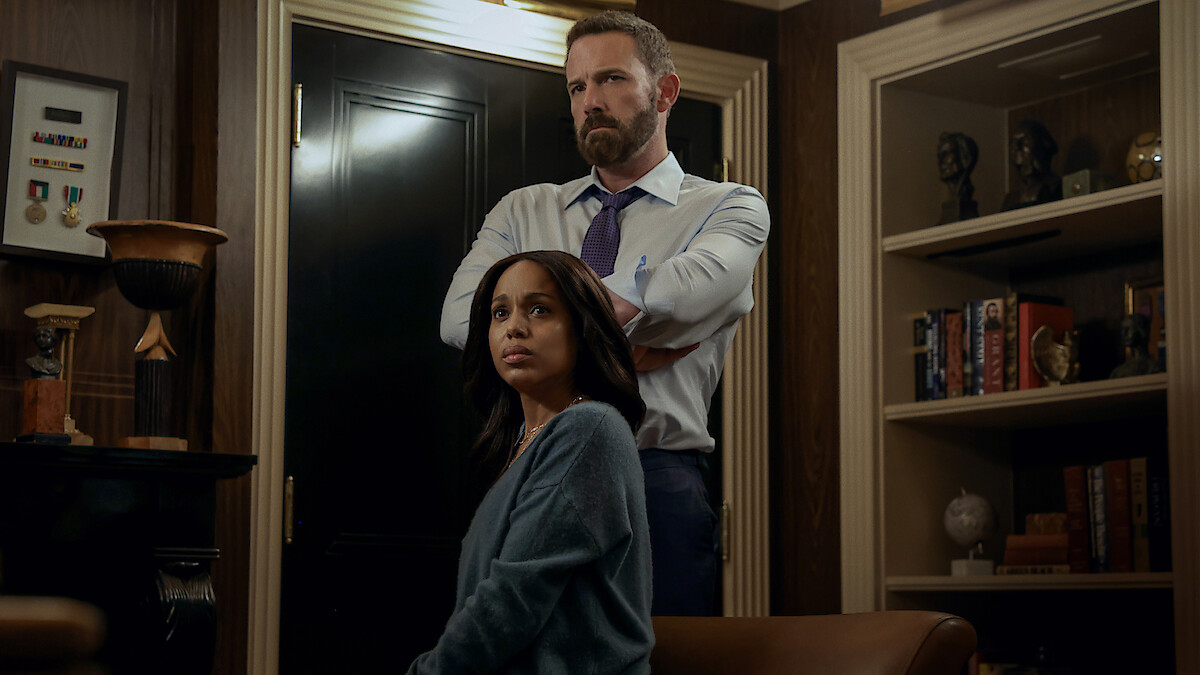
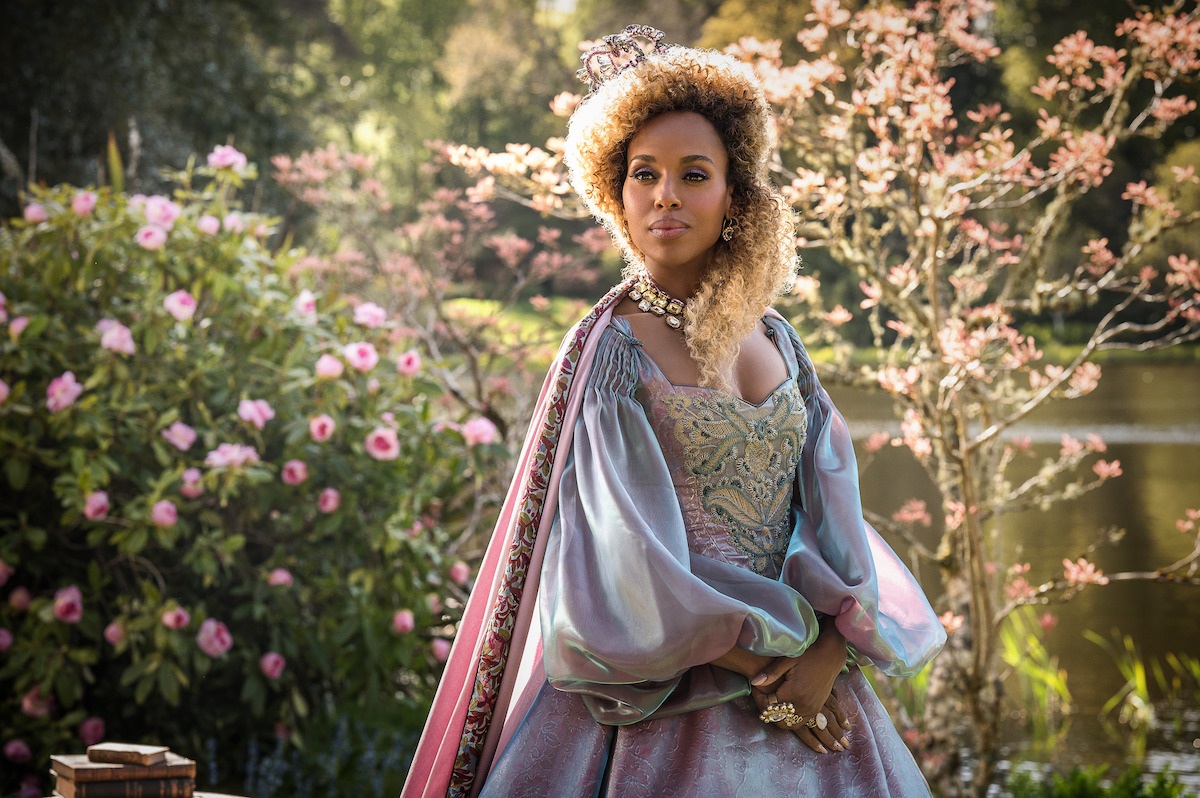
“I don’t want to quite say it was cheeky, but I wanted to have fun and be a little obvious with Kerry’s costumes. Dovey is vain, she’s spun in gold, she’s got the biggest gown and the biggest Victorian collar, gold shoes and rubies and gems and crowns, so her presentation is very in Lady Lesso’s face. She brandishes her grandeur in a way. She uses her vanity as a tool, which is very interesting because we see how well that works out.”
Helen Sloan/Netflix
Earl Cave as Hort (left) in The School for Good and Evil.
Hort
Earl Cave
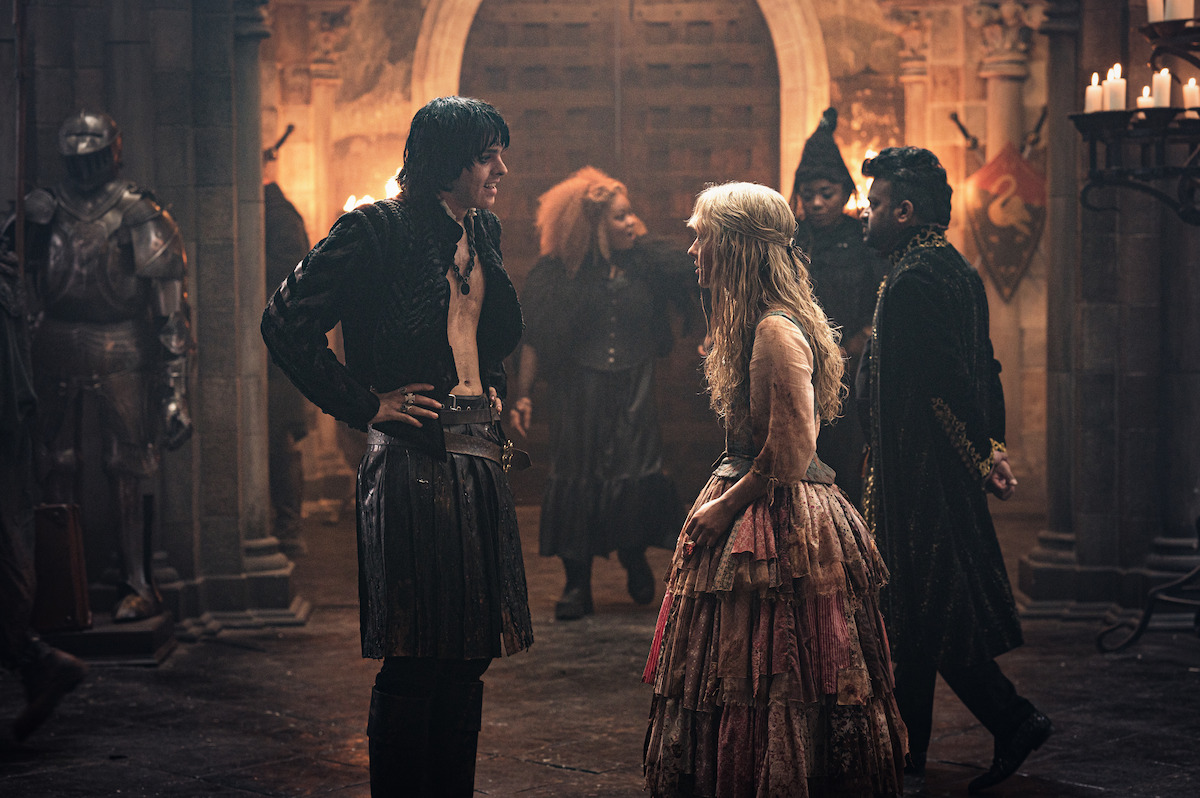
“All of the Good look sensational and we put them in classic fairytale-prince stuff that makes them easy to love. The Evil, though — they’re the most fun. Hort is my favorite male in the whole movie. He’s in a metallic mesh sweater that mimics armor, and I love his leather kilt, tights, high boots and sheer shirts. We tried to hit upon fluidity with some of these characters, and the eccentricity of the goth stuff in the School of Evil was everybody’s dream. It proved to be very powerful in the storytelling. Even though they weren’t expected to be the glamorous ones, they didn’t conform and they ended up being that way and they won.”
The Fairies
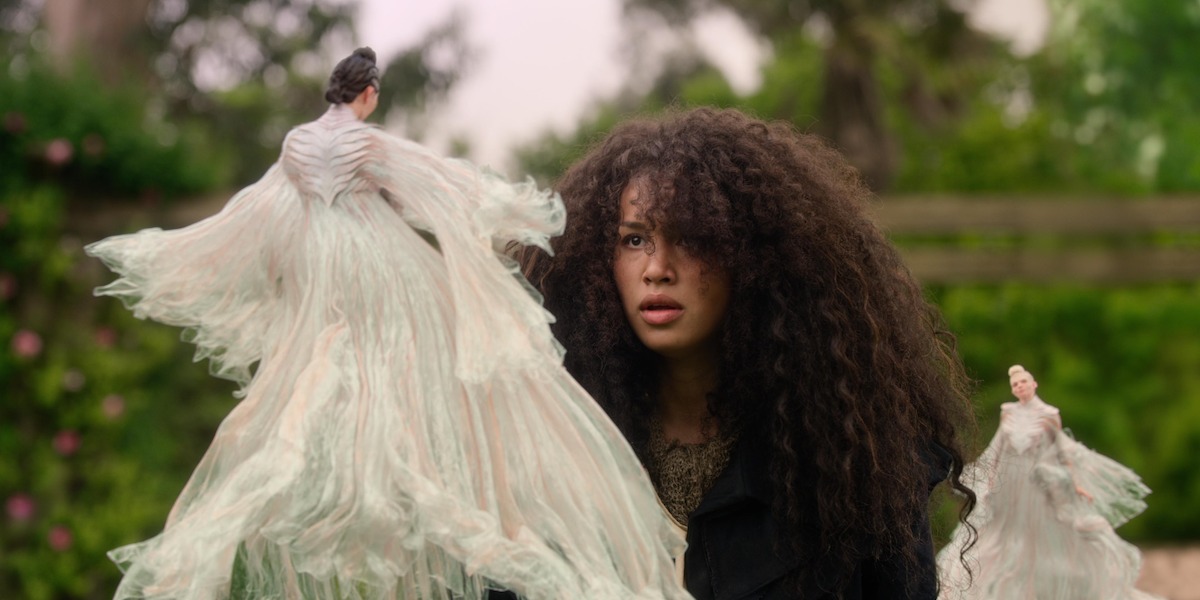
“I’d seen some special effects references where they’d miniaturized some talking godmothers or something, and they looked ridiculous. So I spoke with our special effects guy and I said, ‘Look, what’s more effective? It seems to me if I make it more abstract, it’s going to work better when you shrink it.’ He said, ‘Absolutely.’ Then I said, ‘I want to put movement in there, and I want to have enough of this fabulous fabric that you can really see it.’ The fabric we found was in Switzerland and it ended up getting stuck in customs forever, and it turned into one of those horrible nightmare stories that worked out well. It was some phenomenal amount of money per yard, but it was the lightest gossamer silk I’d ever seen. We cut it on the bias so that it would have a floaty almost underwater look. And then I designed molded leather corsetry for the tops, which was fierce. These fairies were vicious! So you had this combination of something hard and molded and something very, very floaty. We had a lot of drama around those costumes that became, ‘What if we don’t get the fabric!?’ There was no backup plan. Those fairies were the last things we shot after months and months and months.”
Agatha
Sofia Wylie
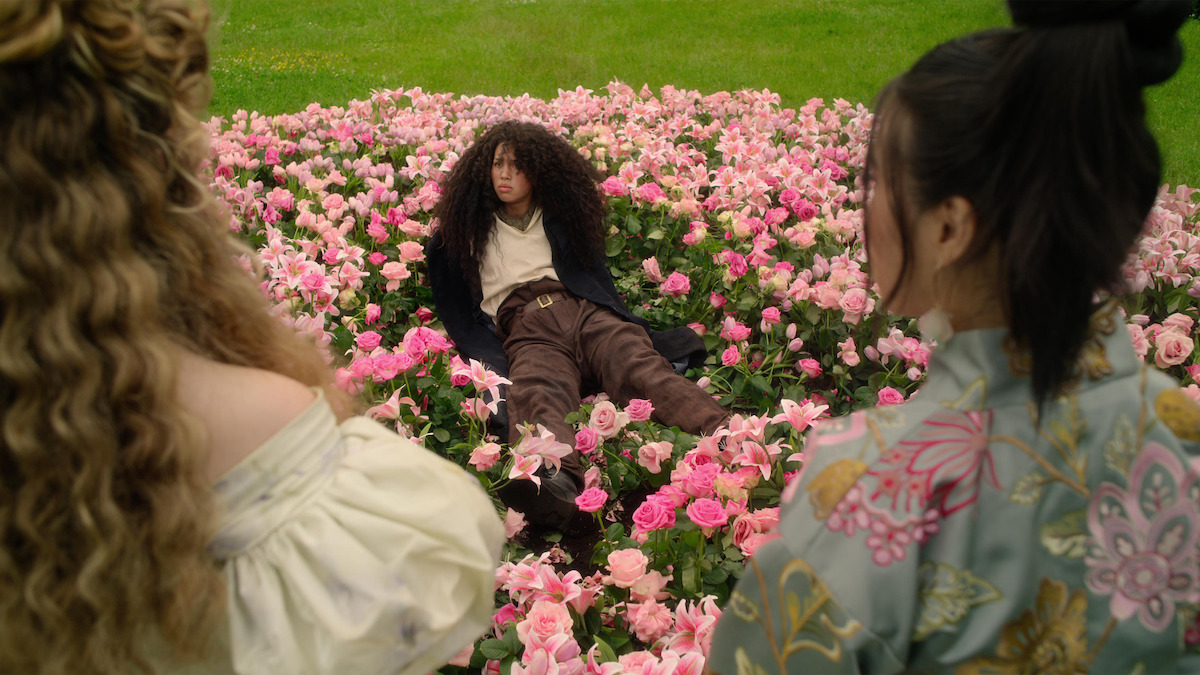
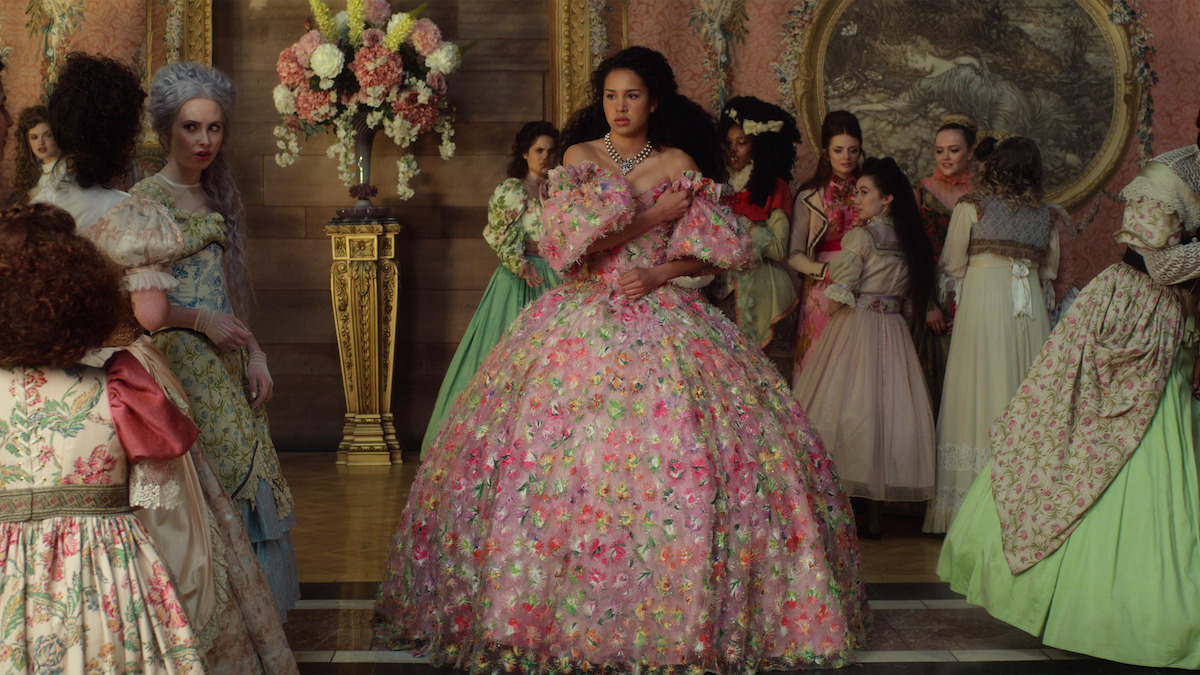
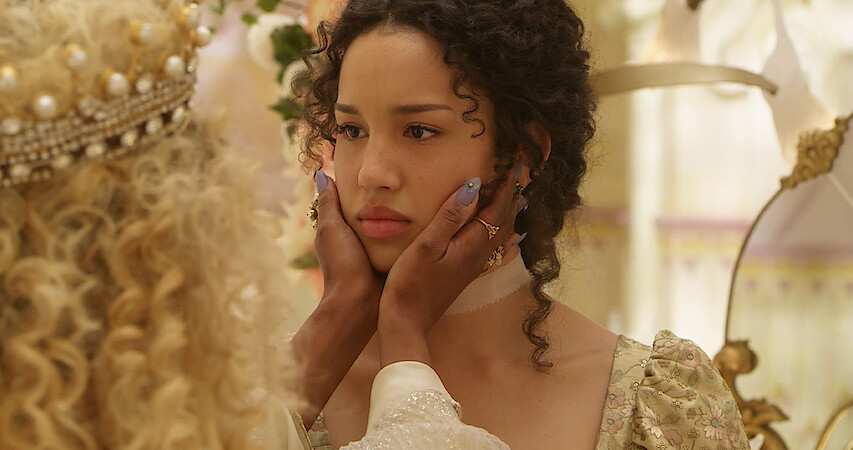
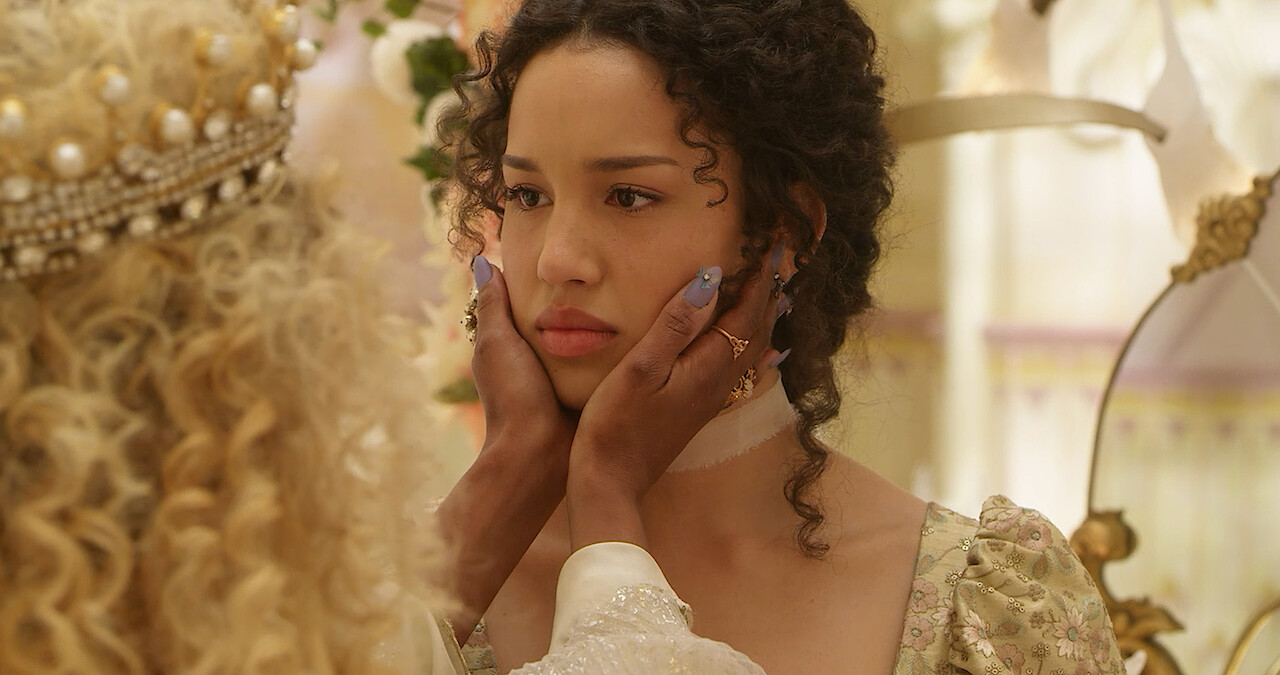
“Aggie’s village look is completely wonderful to me. It’s just men’s clothing on a girl who really doesn’t care, who just carries it with her own attitude and her own interior coolness. It’s a giant leftover sailor’s coat from the graveyard, old pants and boots. I love women in men’s clothing and vice versa. When Aggie gets put in her first gown, which is gigantic, embellished, puffy sleeves all of embroidered organza, you’re seeing her exposed in a way that makes her uncomfortable, being in this gorgeous dress.”
Helen Sloan/Netflix
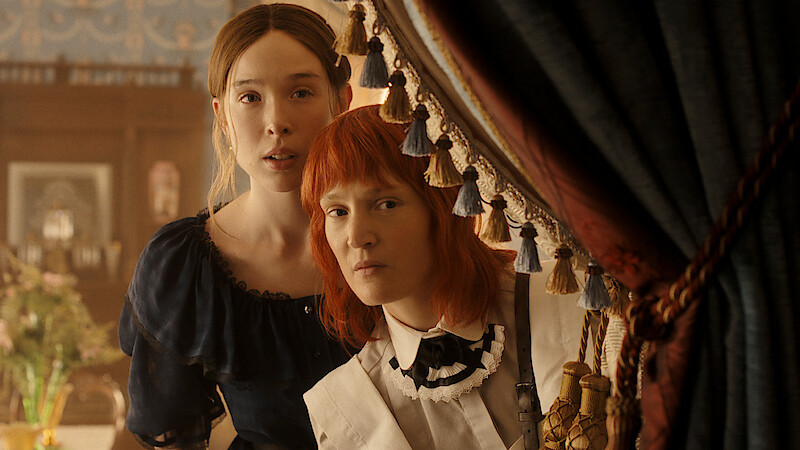
Sophie
Sophia Anne Caruso
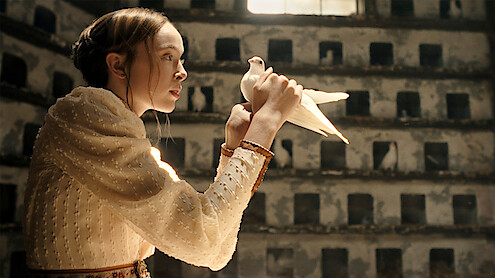
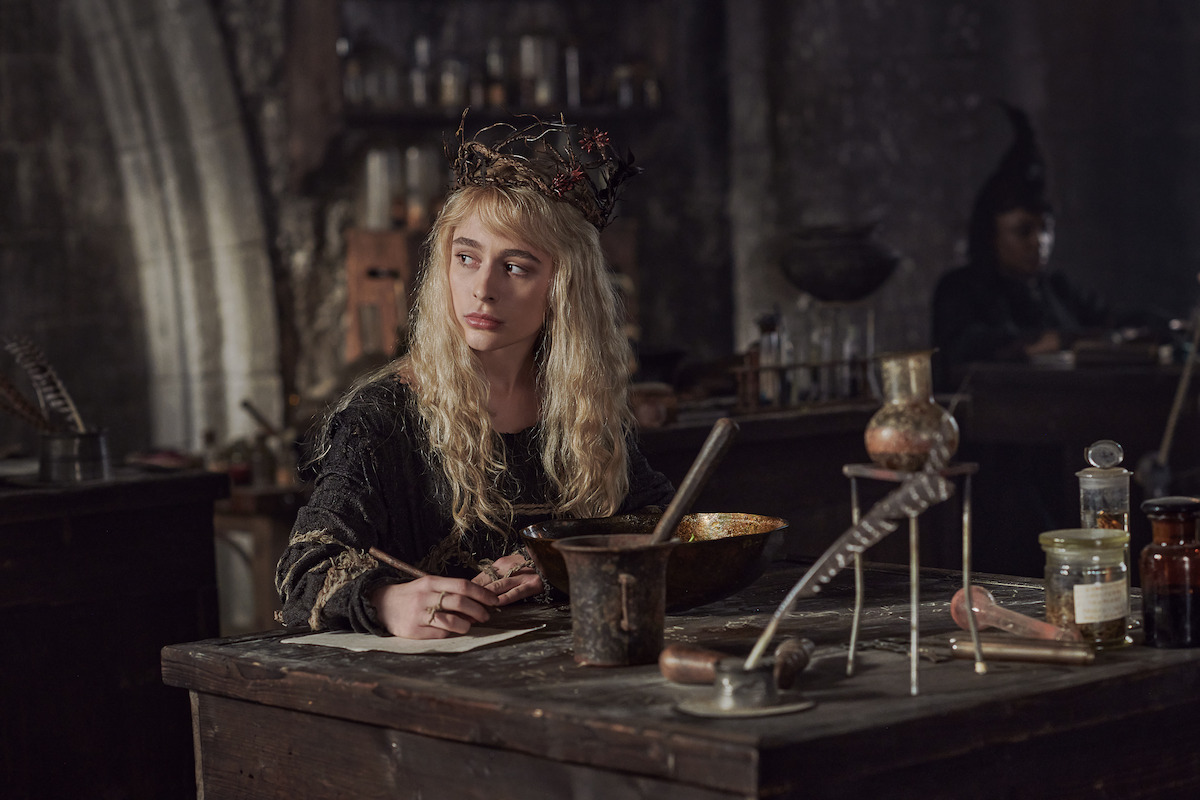
“Sophie’s village look sets up how clever and ambitious she is. She put rags together and created a major gown out of patchwork. She was obsessed with wanting to be a princess at all costs. Then when she gets to school, she’s put into a sack, which she instantly starts working on. She finds ropes from the curtains, makes the corset, cuts the sleeves and pulls it off her shoulder. She starts creating something immediately when she lands.”