Explainer
Three Morality Takeaways From ‘The House’
Netflix’s The House has moral lessons plus great animation!
By Diedre Johnson
Feb. 4, 2022
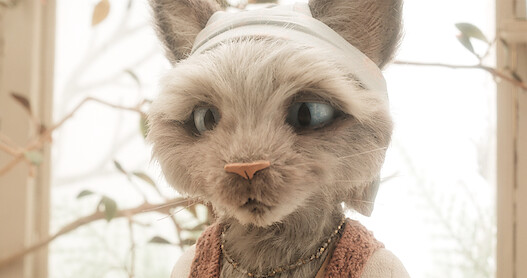
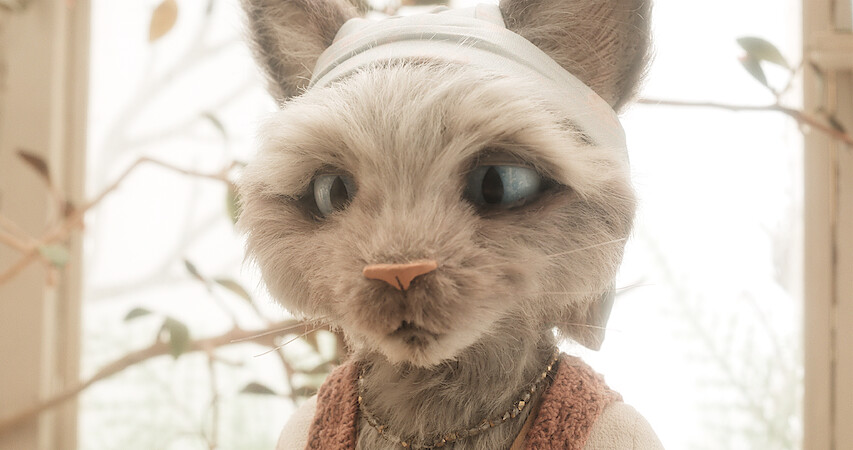
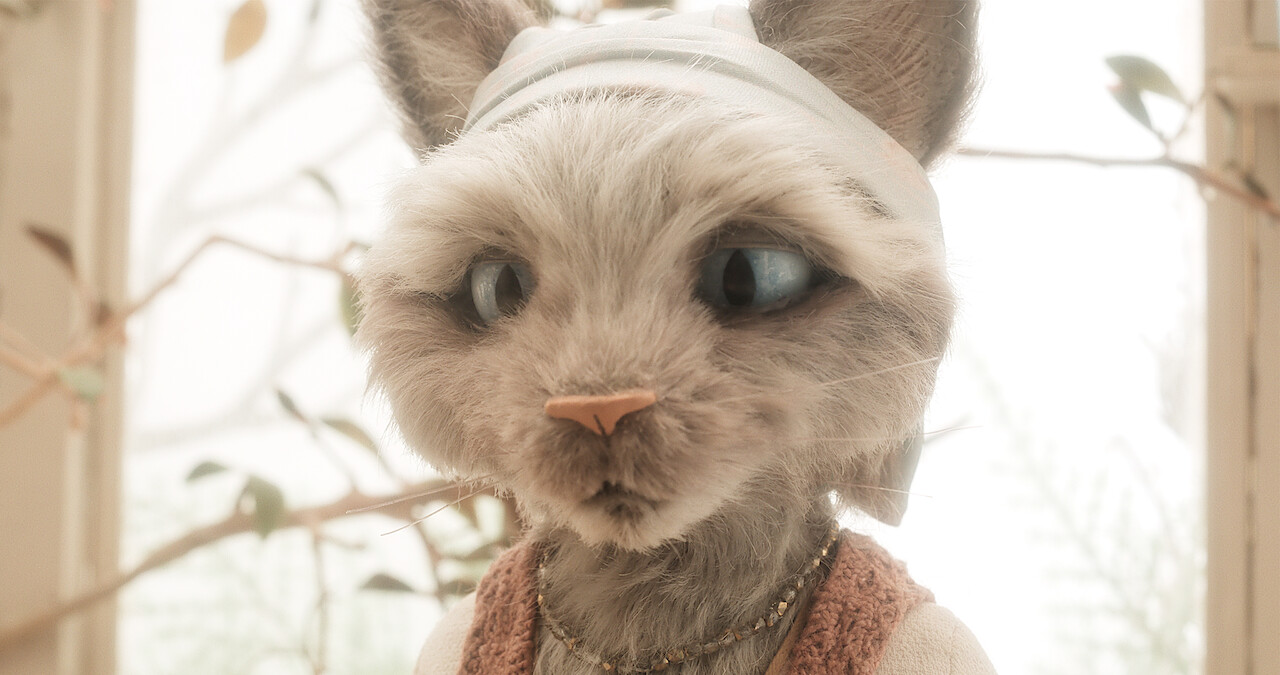
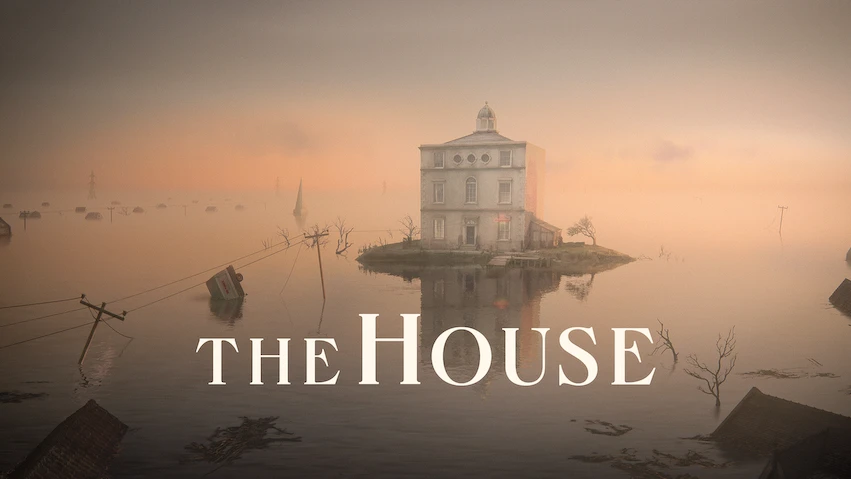
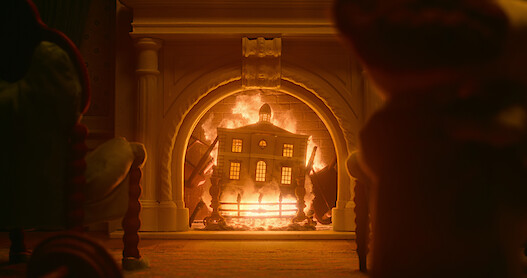
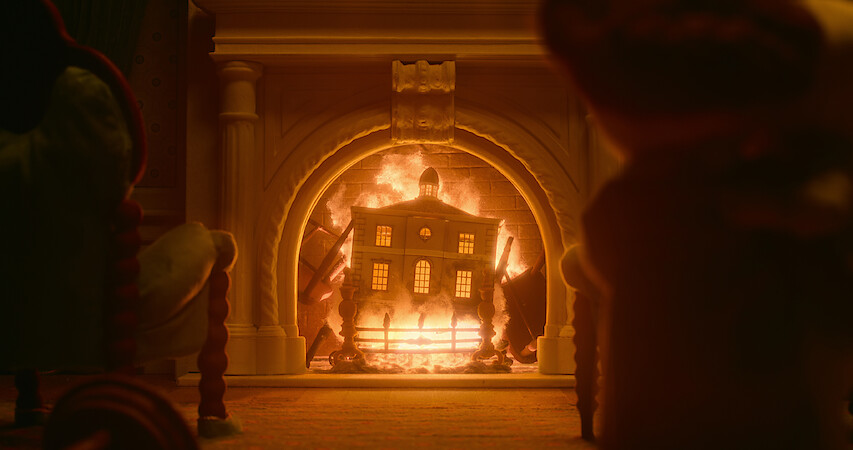
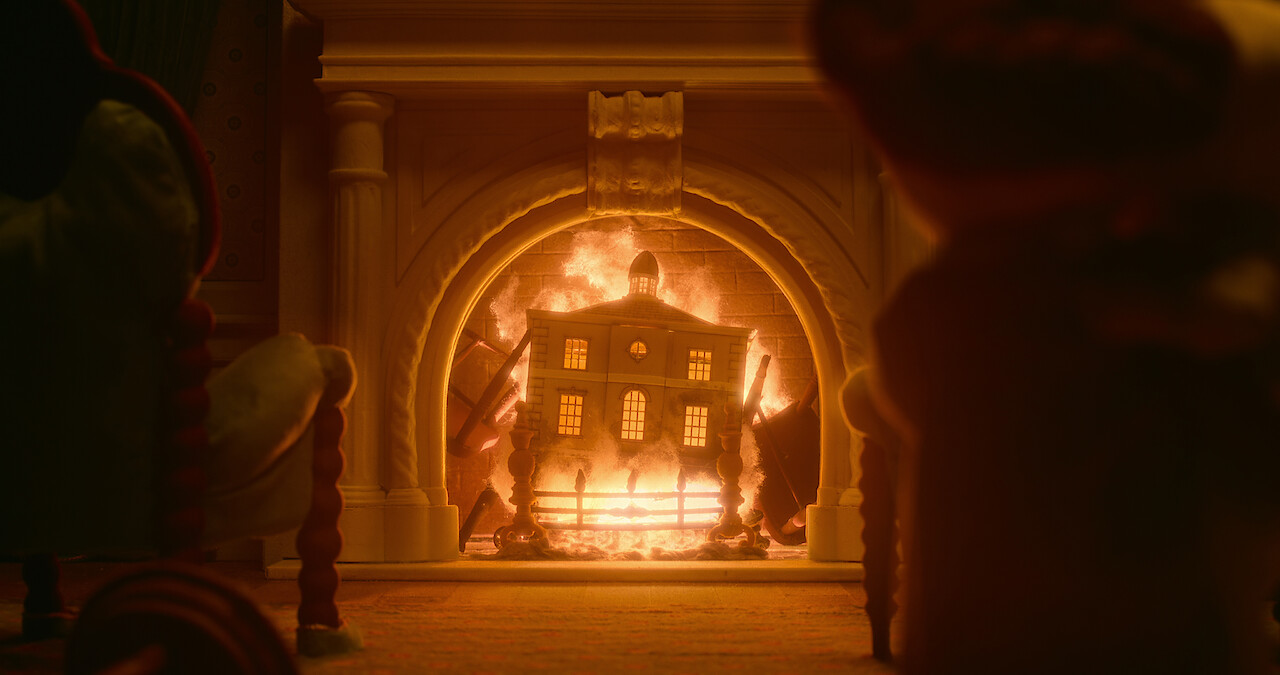
Let’s talk about The House, a three-part adult animated anthology about a grand house built in the 19th century that survives through the 20th and, finally, to sometime in the near future. If you’re into stop-motion animation — major props to the puppetry work of creators Marc James Roels and Emma De Swaef, Niki Lindroth Von Bahr and Paloma Baeza — you’ll appreciate the art, and if you’re into the slightly surreal and spooky, The House definitely delivers. What makes the stories so weird are the fates of the titular house’s inhabitants. However, with each creepy tale, there are threads of wisdom. Below are three enduring takeaways [spoilers ahead].
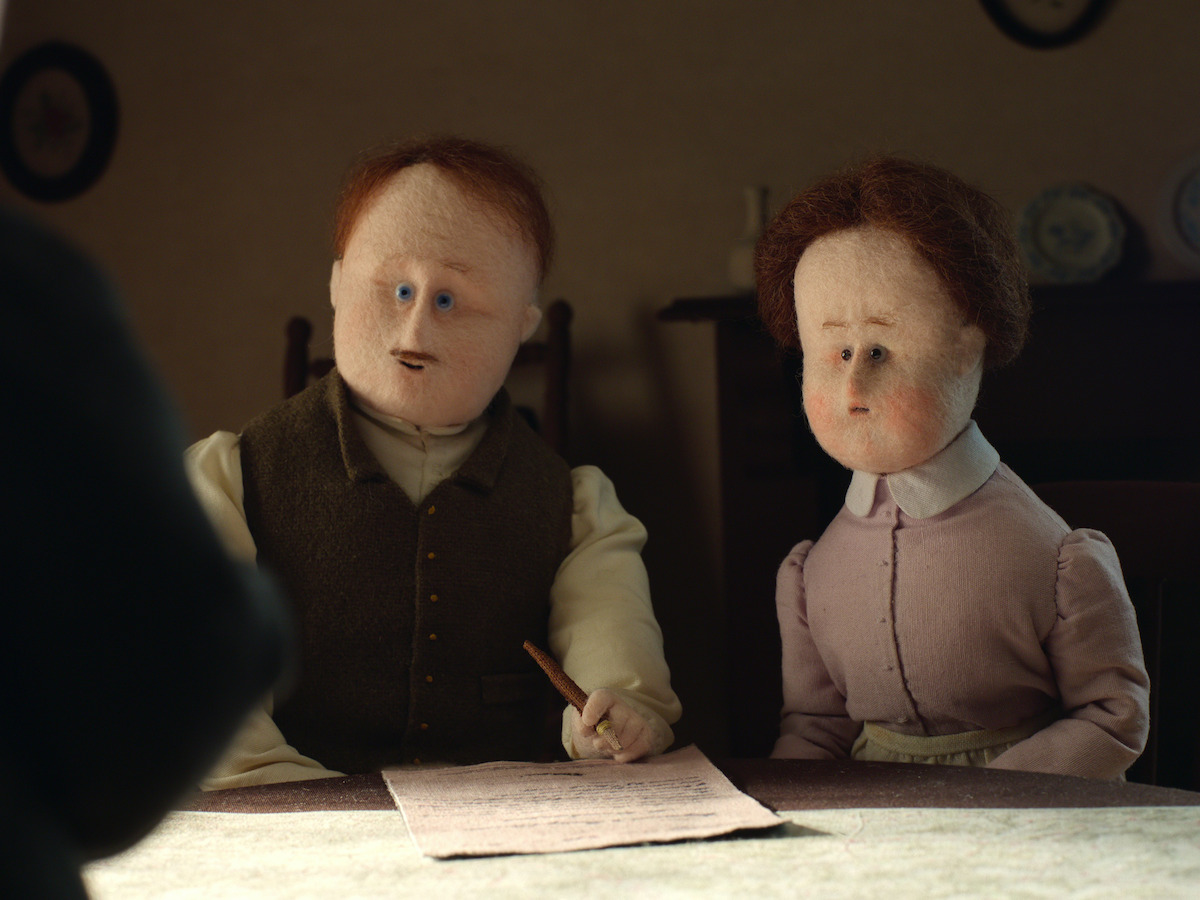
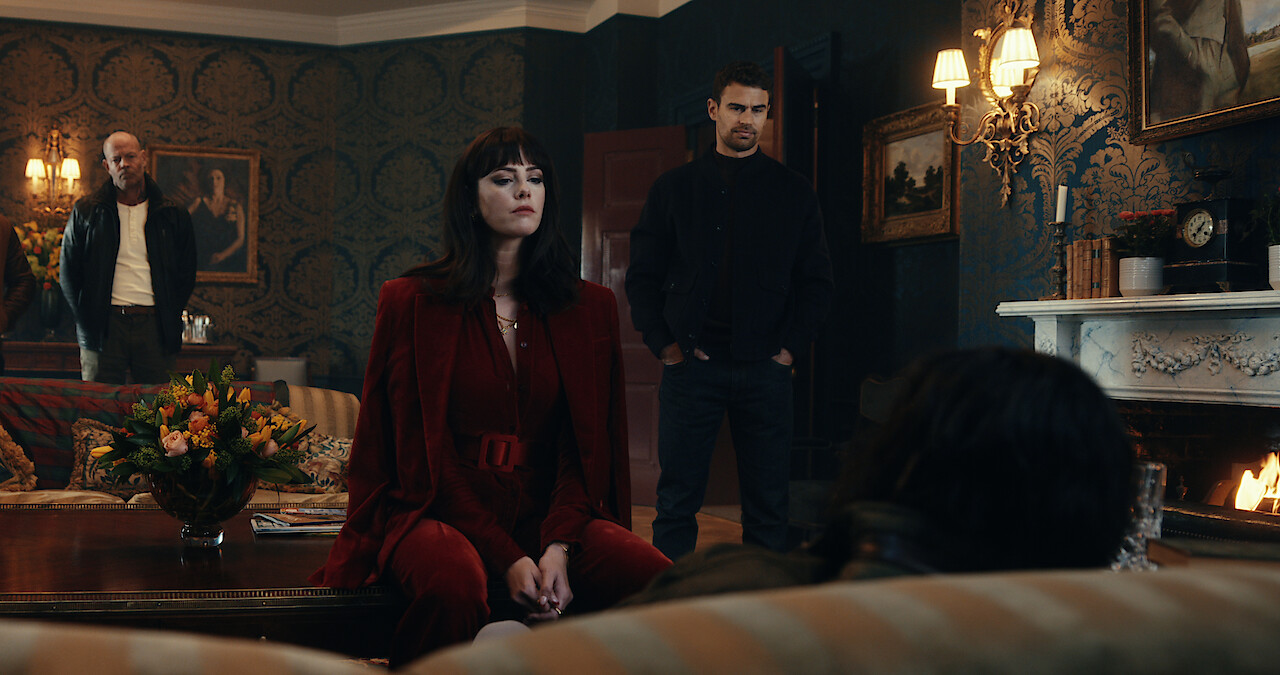
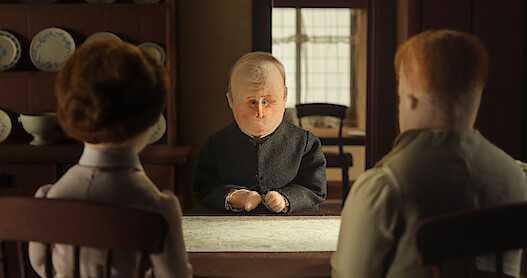
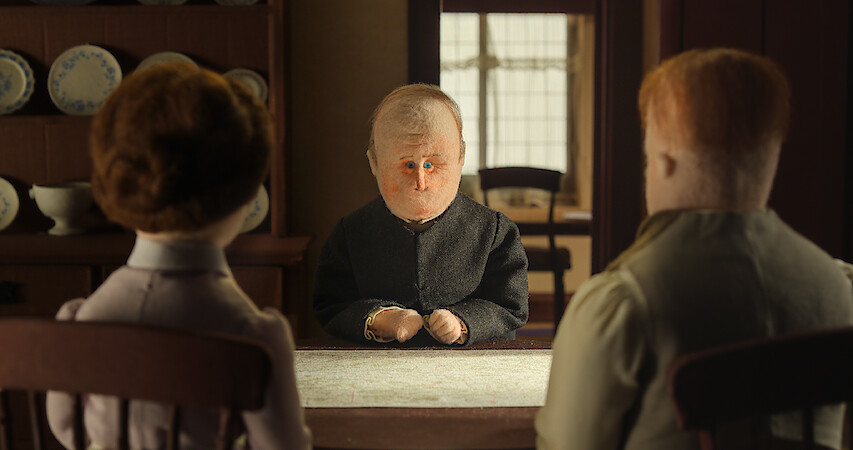
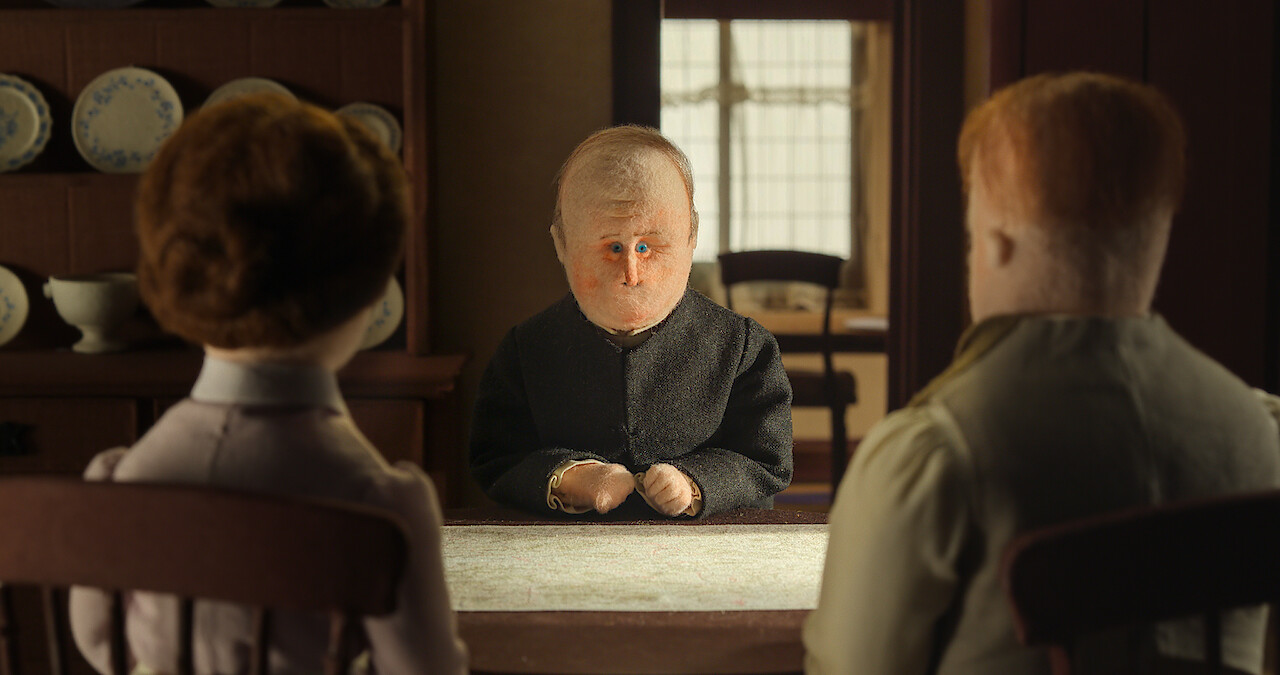
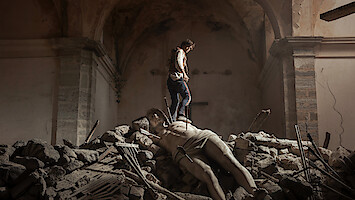
In the first chapter, Raymond is down on his luck. He, his wife, Penelope, and their two children, Mabel and Isobel, are the brunt of jokes and considered the poor by their extended family. One drunken night, he gets an offer from a mysterious man to move into a grand house that the mystery man will build. It's an offer that Raymond just can’t refuse, and he doesn’t even want to. He hates his lot in life and wants so much more. Soon the family is living in the luxurious house, but they get so wrapped up in their surroundings that they don’t notice anything or anyone, even when things take a turn for the worse. The takeaway, according to De Swaef, is that people look to material things to satisfy them but still aren’t happy. “For us, the house is a signifier — for the characters anyway — it's a signifier of status, something they want to connect to themselves to get respect from the outside world, and to get happiness in that way, but, of course, it doesn't come. That's not the way to achieve it,” she told Game Rant.
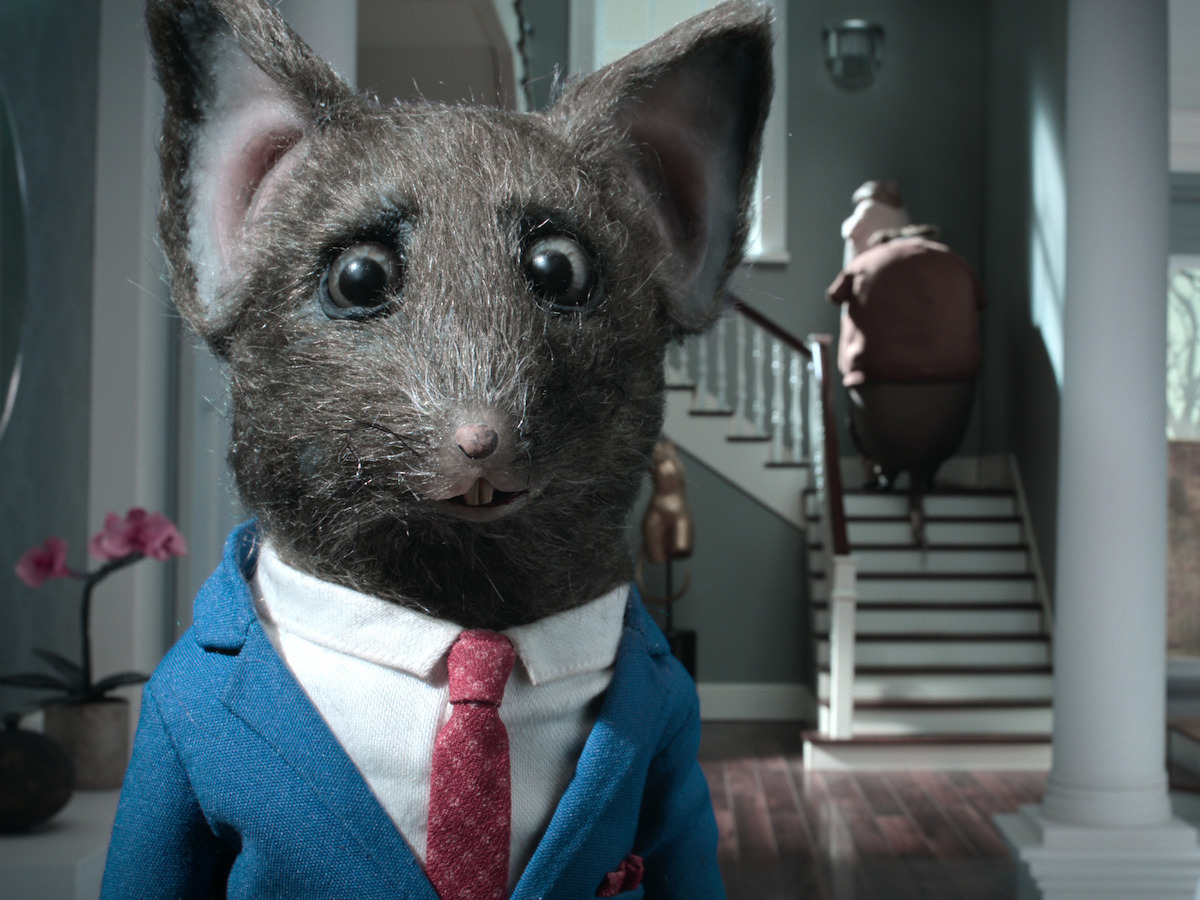
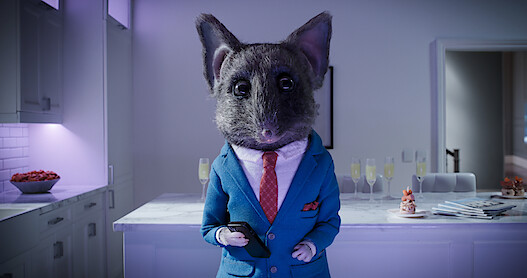
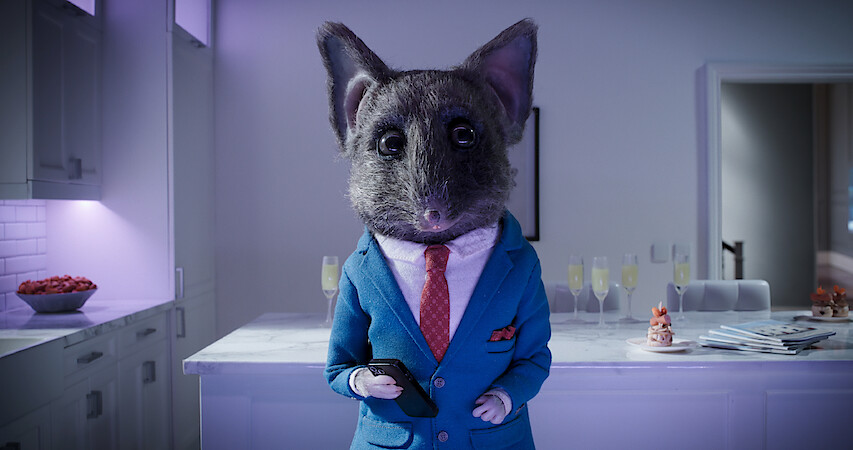
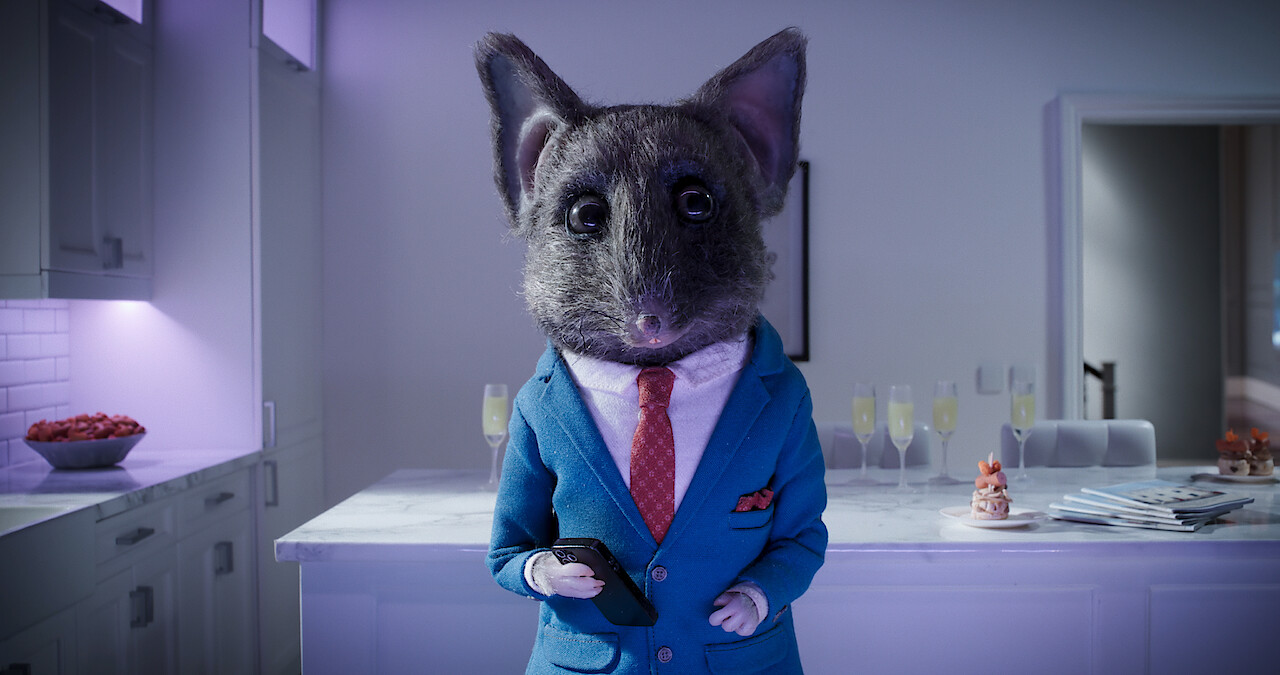
In the second chapter, a 21st-century, trendy, ambitious London real estate developer wants to sell a house he’s refurbishing very quickly. He’s already making promises to the bank to pay back money he owes when the house sells. He’s tricked it out in the latest decor, but he’s still got a lot of work to do. He throws an elaborate party for wealthy potential buyers and tries to convince them that they’re getting a great place, but no one bites.
Still desperate to sell at the end of the day, he opens the door to a mysterious husband and wife. Thinking he’s got a sale at last, he gives them carte blanche to explore the house , but they don’t buy, nor do they leave. Who he thinks are buyers turn out to be freeloaders and, ultimately, squatters. His dreams shot, he gives up in an unusual and skin-crawling way.
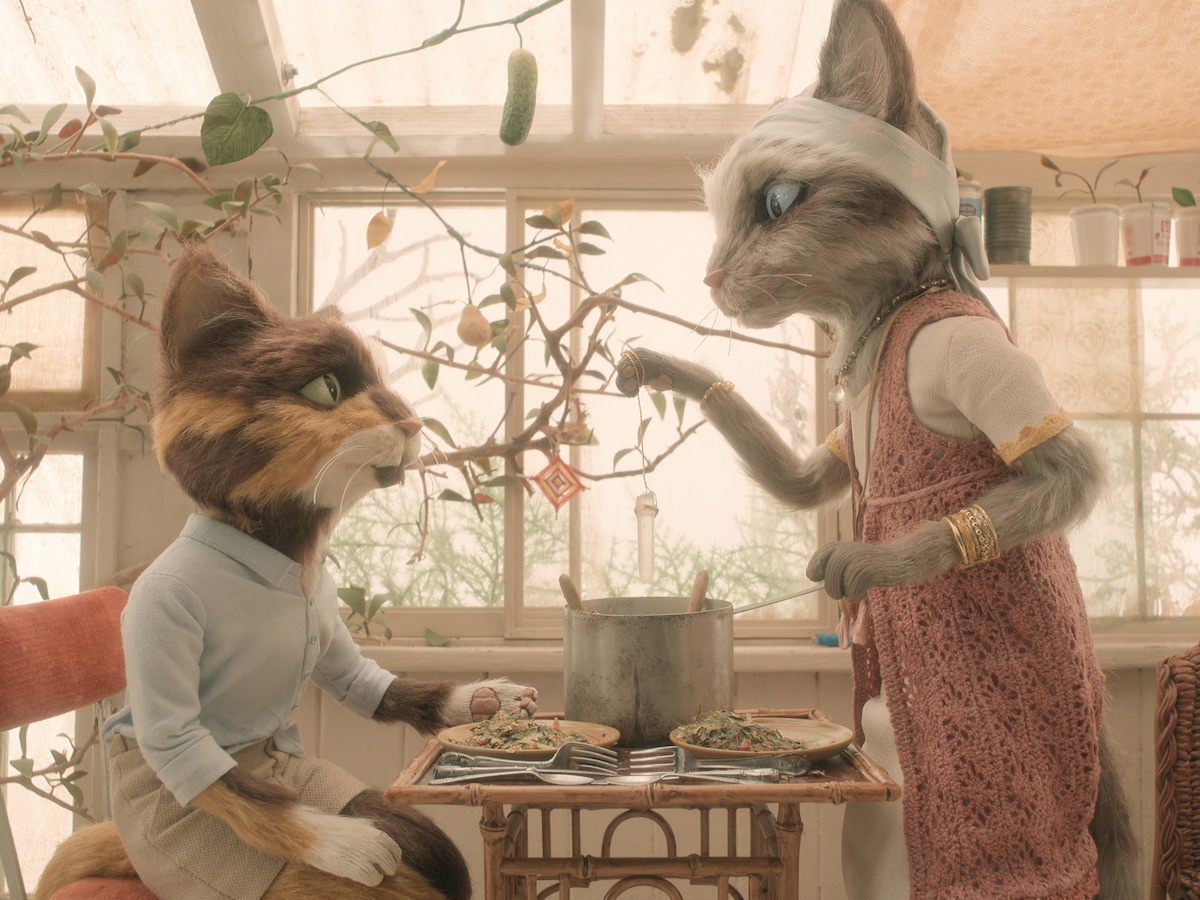
In the third chapter, Rosa, the current owner of the house, has a dream of completely restoring it, but with two tenants who perpetually owe rent, she’s basically broke. She’s in love with the house’s potential, though, and frequently expresses how lovely it could be if it were renovated. Yet each time she even tries to repair any of it, disaster strikes. When her tenants decide to leave, they encourage Rosa to give up the burden of trying to restore the house and go with them. At first she’s adamant about staying but finally relents, lifting what looks like a drawbridge and sailing happily away to parts unknown. In deciding to let go, Rosa’s able to reach happiness once abandoning a dream that isn’t working in order to pursue a new one. Sometimes things don’t work out the way we expect, and that’s okay!