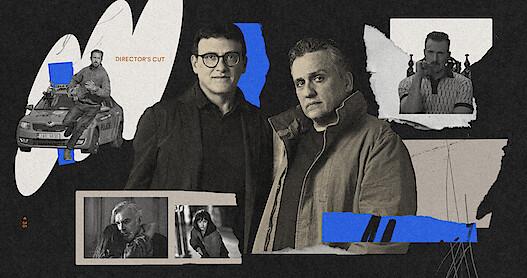
Illustration by Mark Harris
Director's Cut
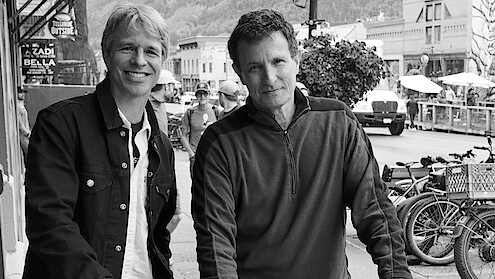
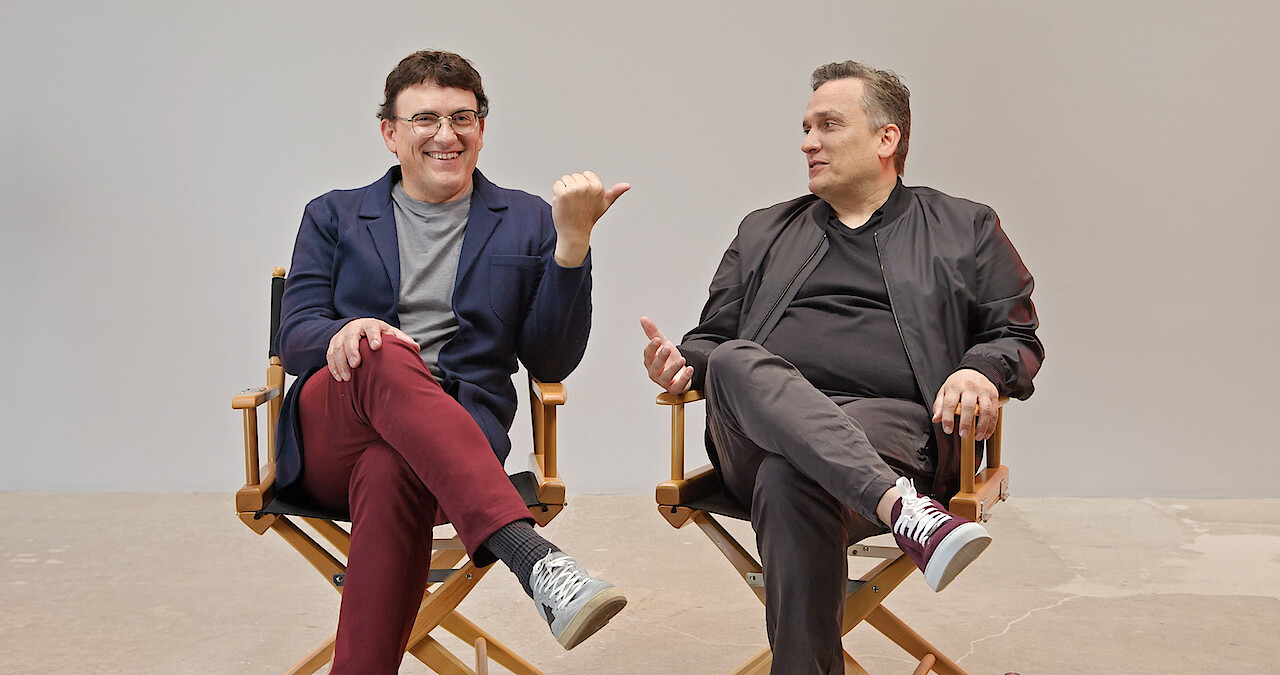
The Russo Brothers Help Us Declassify ‘The Gray Man’
The directors of Avengers: Endgame on their new spy thriller.
July 22, 2022
Stream The Gray Man now on Netflix
Warning: Spoilers ahead.
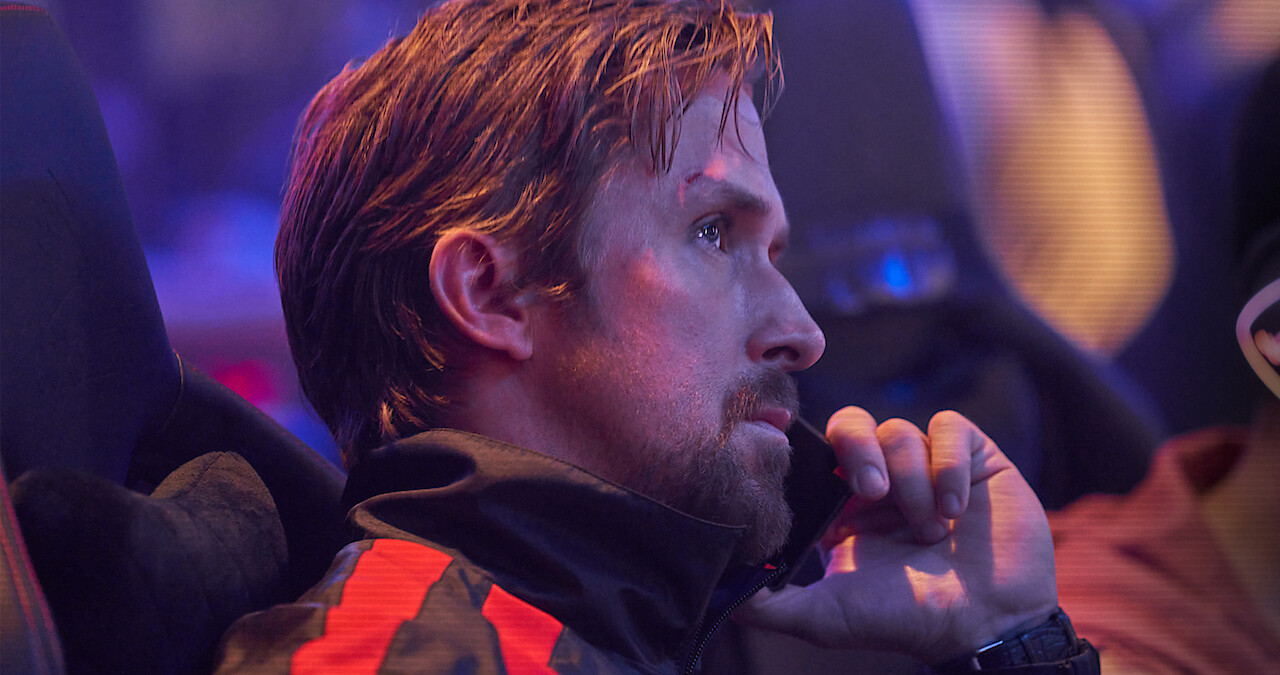
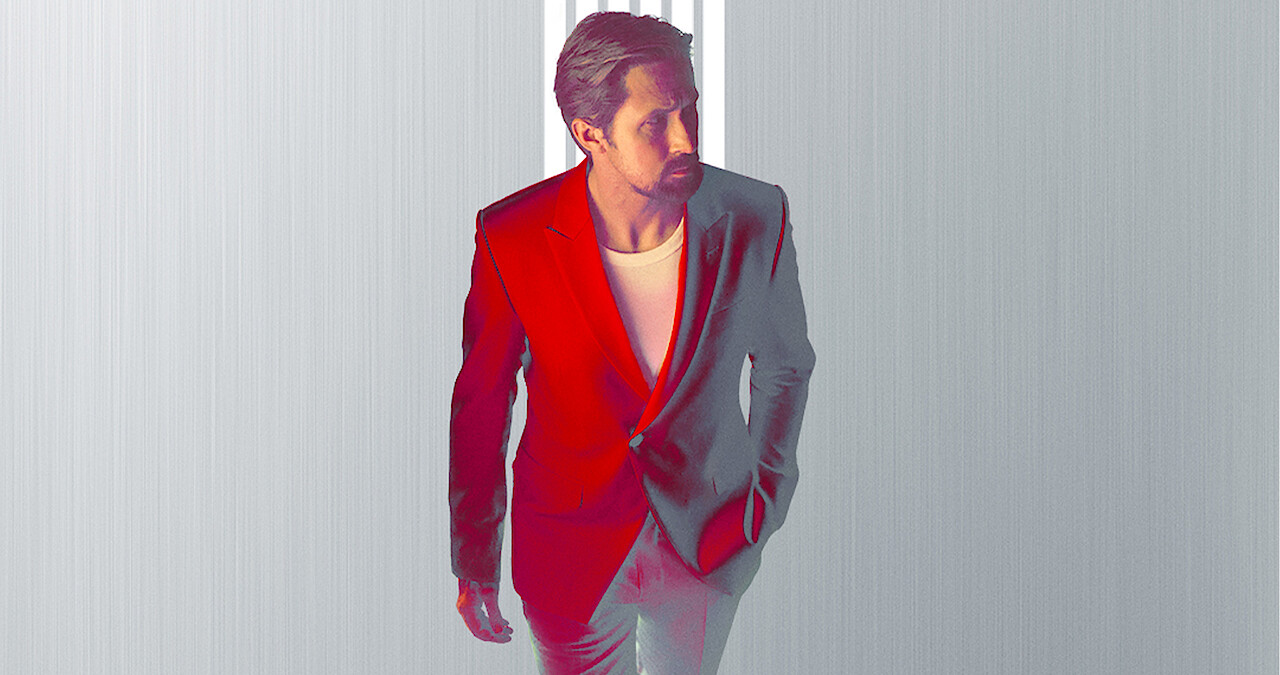
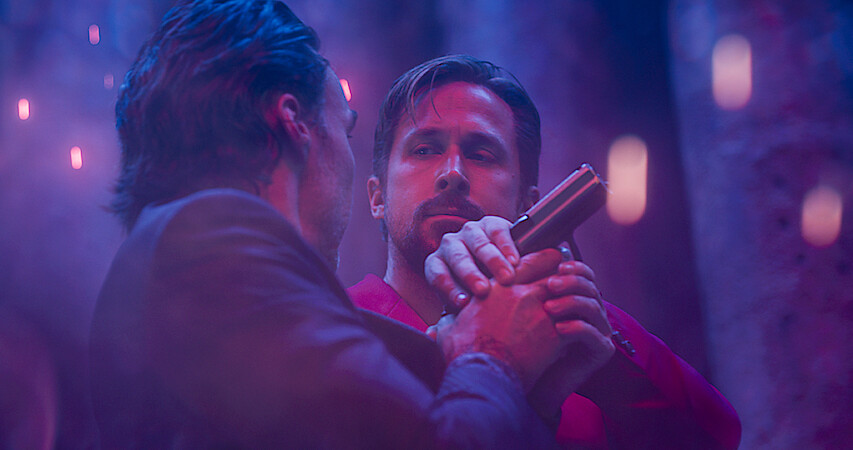
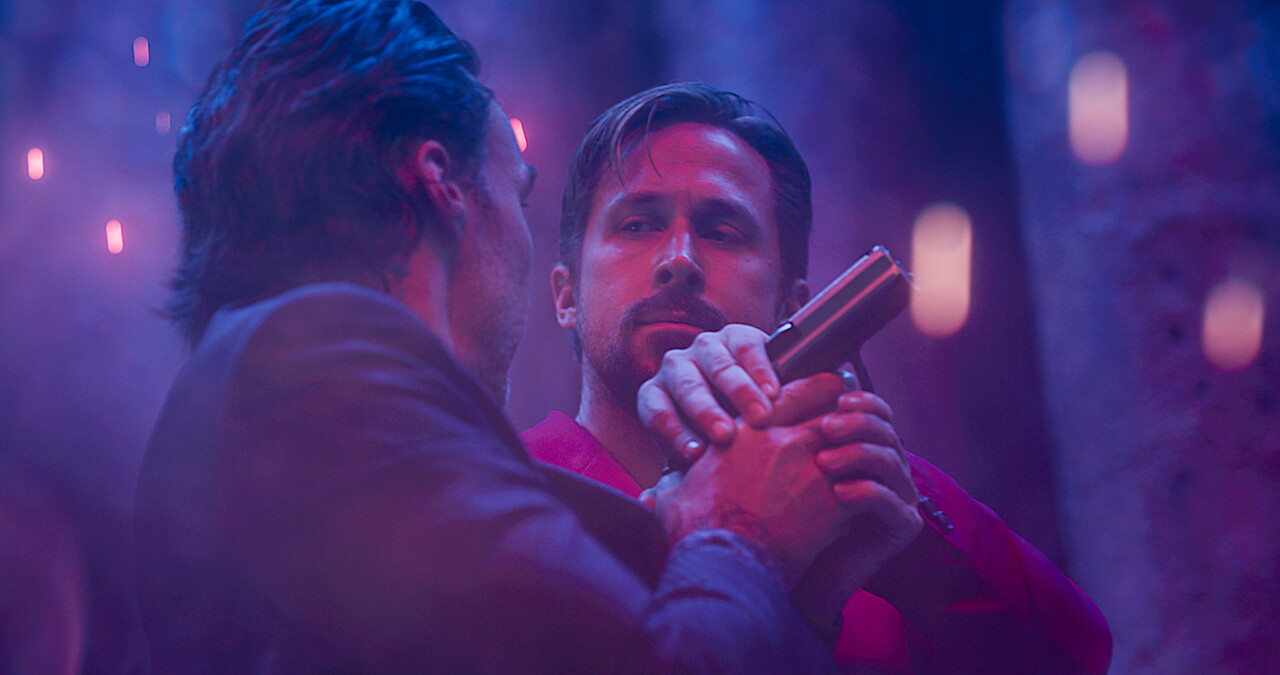
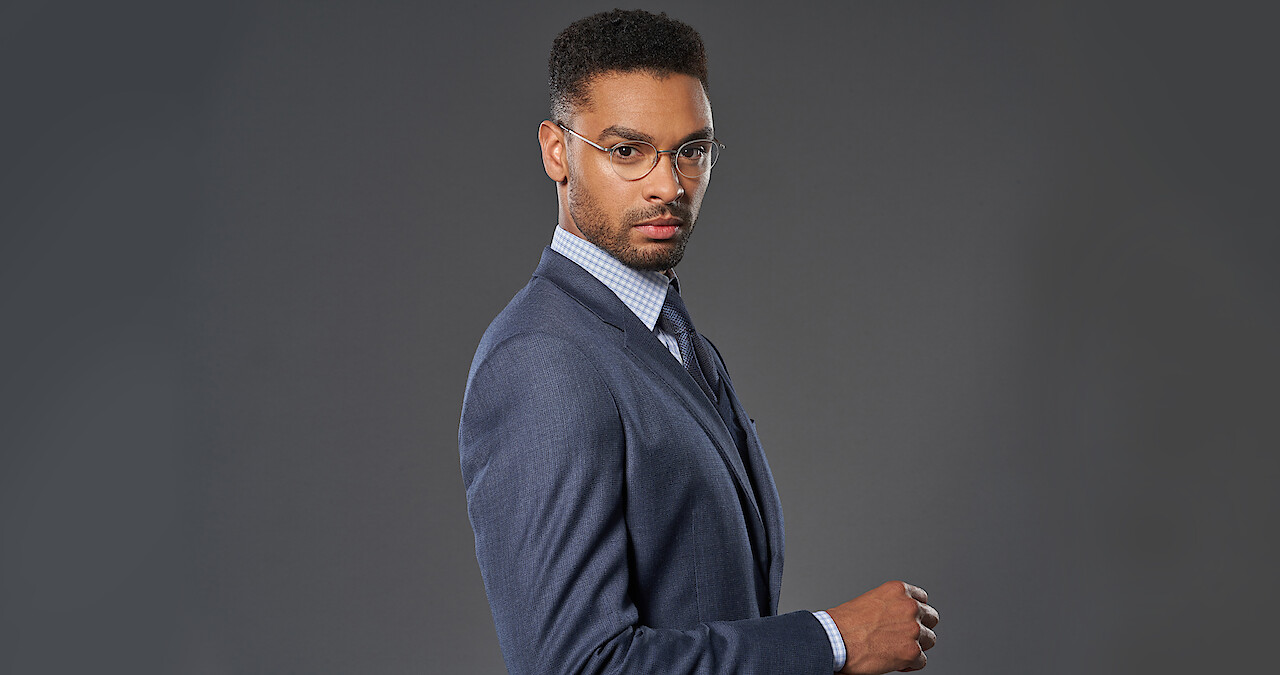
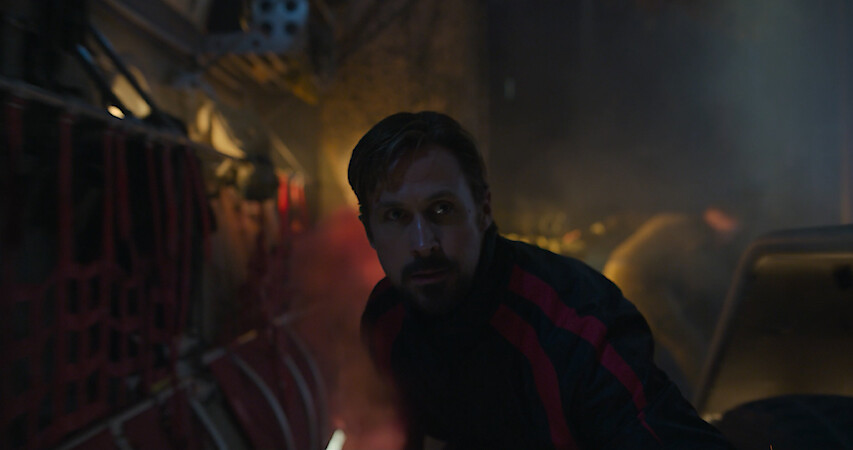
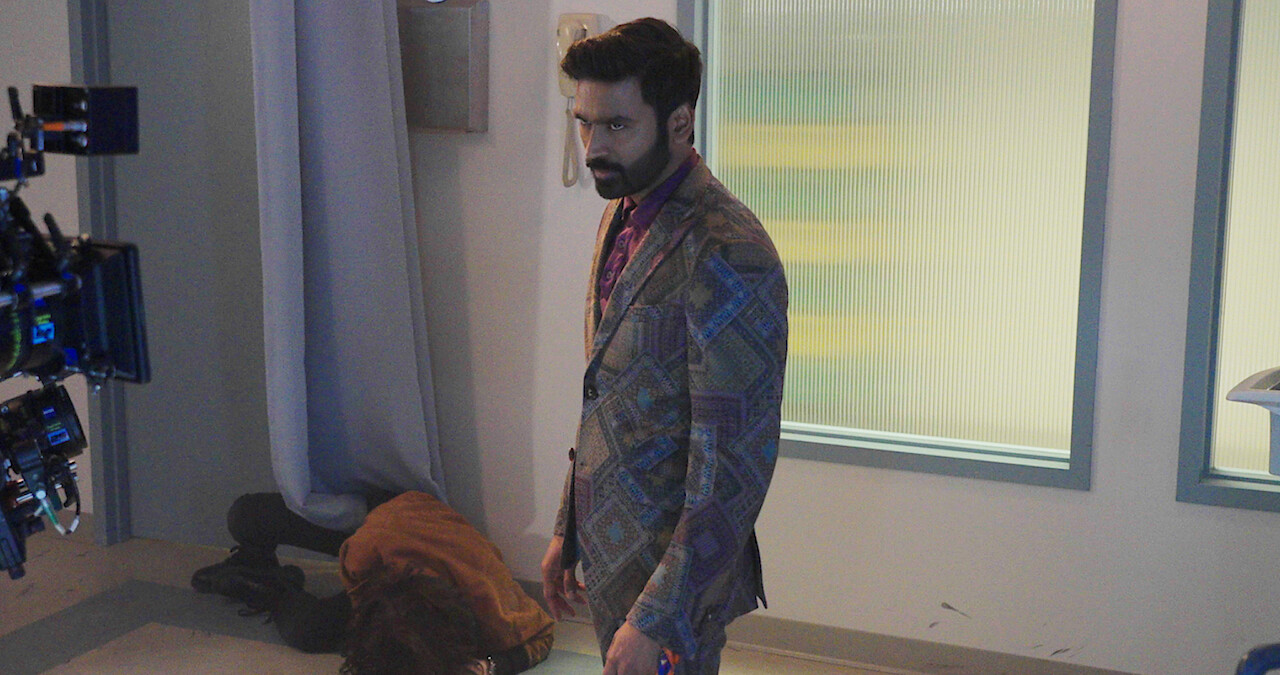
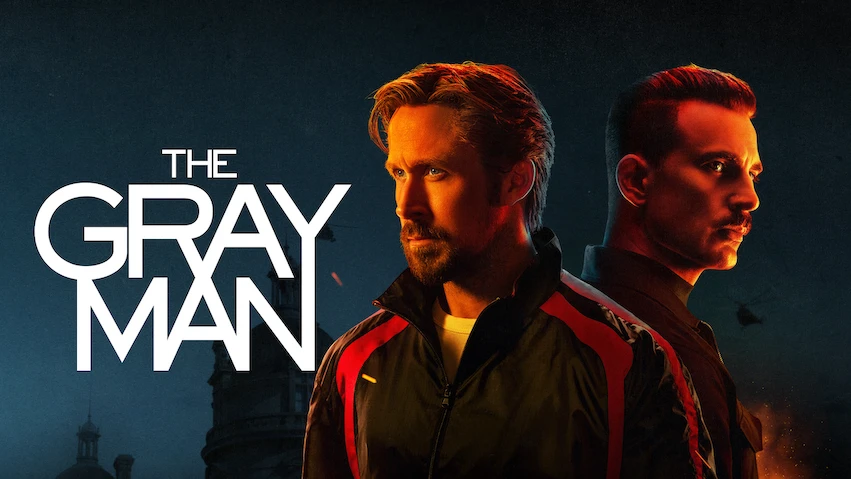
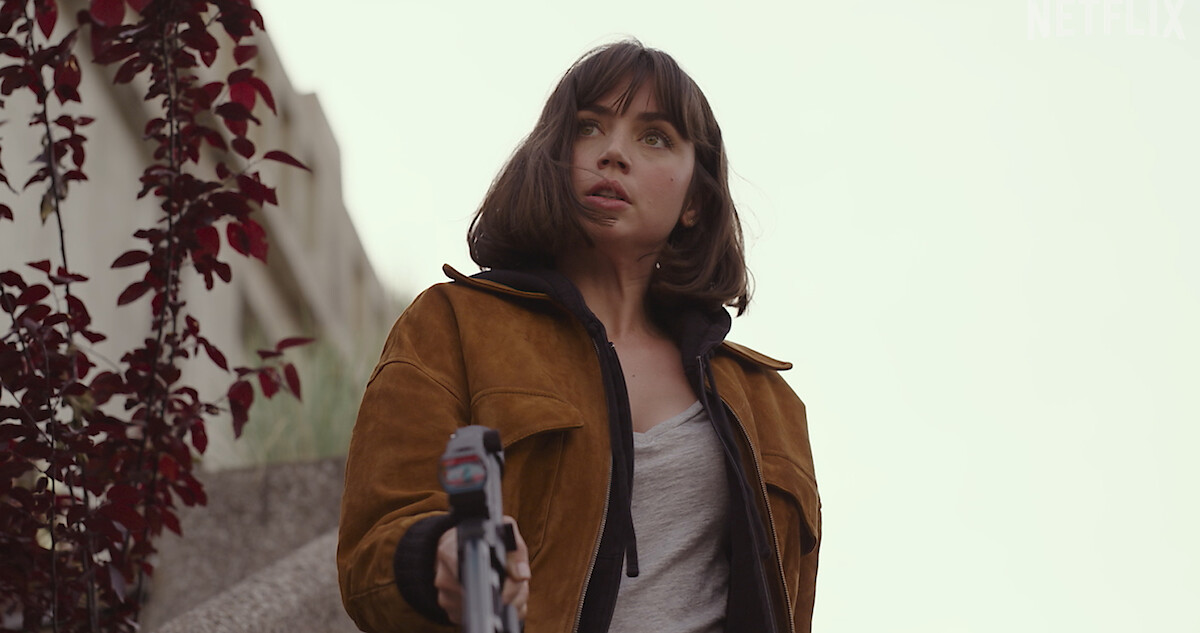
It’s not easy to catch the Gray Man. Just ask Lloyd Hansen and his team of bloodthirsty mercenaries. But Joe and Anthony Russo have done just that in their new action thriller. In the film, Ryan Gosling plays Sierra Six (aka Court Gentry, aka the Gray Man), an off-the-books government assassin who’s sent on an explosive race through Europe after he discovers information he shouldn’t have. Along the way, he crosses paths with a literal murderers’ row of enemies (Chris Evans, Dhanush, Regé-Jean Page), allies (Billy Bob Thornton, Alfre Woodard) and something in between (Ana de Armas, Jessica Henwick). All in a day’s work for the Gray Man — and for the directors putting him through his white-knuckle paces.
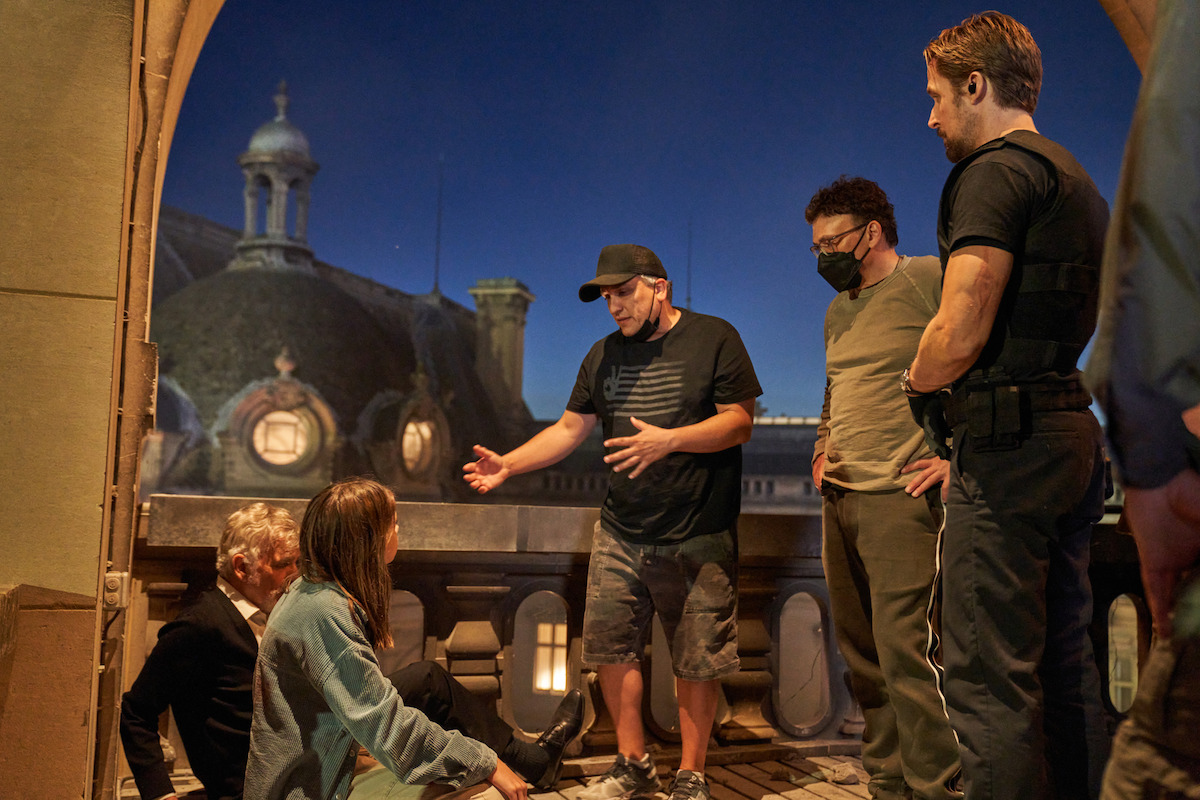
The Russos are no strangers to action on a massive canvas. Their work on Captain America: Civil War and Avengers: Endgame put them on the map as two of Hollywood’s most reliable blockbuster hitmakers. But the hero at the center of their new film is way more physically vulnerable than Captain America, and his archrival is, well, a much scummier version of Captain America himself. To tell this more life-sized spy story, the Russos had to work on a more realistic, human scale — while still making Netflix’s biggest movie yet. Oh, and did we mention that this was all during a global pandemic? It almost sounds like a job for Sierra Six.
In another installment of “Director’s Cut,” the Russo brothers break down The Gray Man’s deadly mission. Get ready for fireworks…
The Gray Man is based on a book. Were you fans of it?
Joe Russo: We loved the book. It was a really propulsive read, very exciting, highly entertaining, grounded. You could tell a lot of research was done. We loved the level of detail that Mark Greaney brought to his fictional portrayal of the CIA. It felt very modern and connected to what’s going on in the world today. And, you know, Bourne is 20 years old. And now Bond is, I think, 70 years old at this point. So it felt like this could potentially become a character that really connects to today’s audiences and really reflects what’s going on in the room today. So it felt like a great story to tell.
What did the adaptation process look like?
Joe Russo: We never stuck directly to the source of material, even though we were inspired by it and there were story points that were compelling to us. It’s hard to take a novel and convert it to a film in its entirety. They’re very different mediums, and usually, you need a little less story on film than you do in a book. So when I sat down to adapt it originally, I had to look at how it should function as a film, as a visual story. And it forced me to make some choices and add a few new characters here and there to help move the story along. But we tried to remain as faithful as possible.
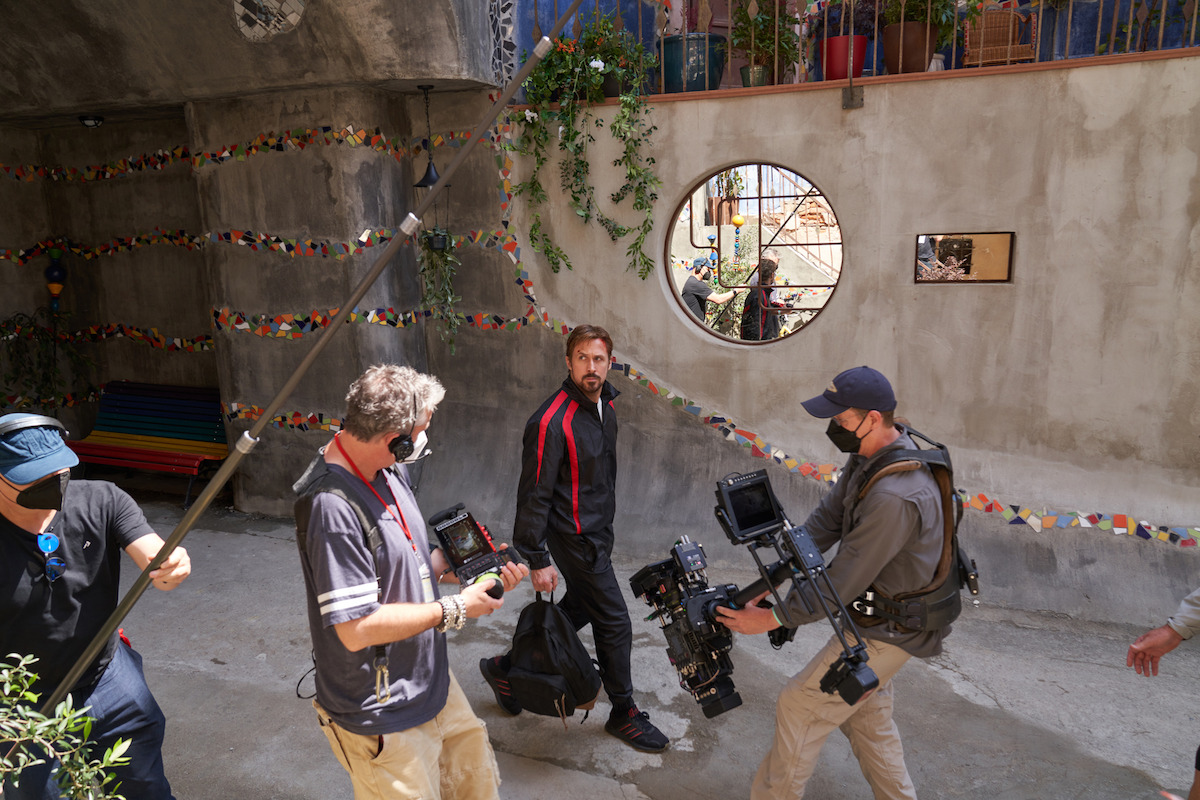
Obviously, you two have made action movies before, but there are no superpowers in this one. Ryan Gosling really takes a beating by the end of it. How did that element change your approach here?
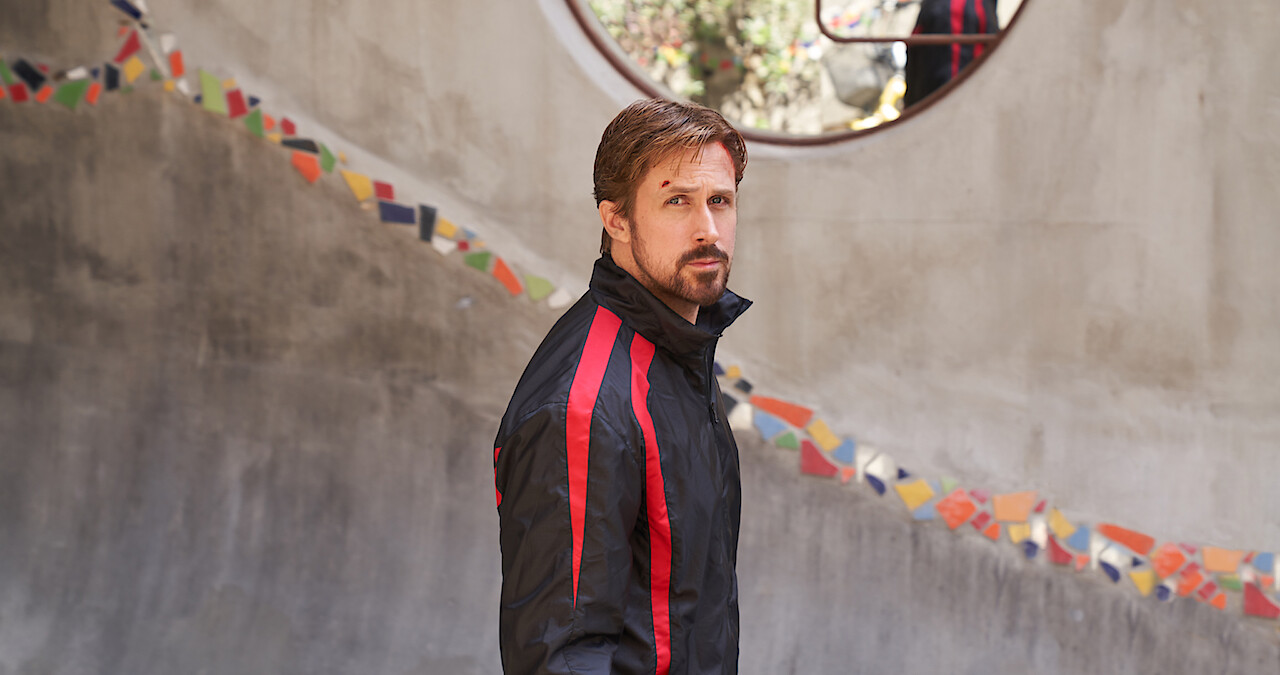
Joe Russo: [Anthony] and I really like characters that take a lot of punishment throughout the film and, in fact, may die by the time the movie’s over. It increases the stakes for the audience, and it gives you a real sense of jeopardy. So it’s really important to us that the Gray Man collects damage as the movie progresses. It also illustrates how noble his goal is and how noble a character he is because he’s willing to endure so much punishment to save someone he cares about. So it’s really illustrative of who he is as a character as well.
When you were making Captain America: The Winter Soldier, you talked about Three Days of the Condor as an influence. Were there any spy-movie inspirations on this one?
Anthony Russo: Because this genre has been popular for so long and is so well loved by audiences, really the challenge for us with this movie was bringing something to the table that was new to the party. So we designed the DNA of the movie to try to be unique and different from a lot of the things that we love in the genre. But there’s certainly movies that were touchstones for us in terms of films like Ronin or Die Hard or The French Connection. This is kind of your classic movie where the hero has to run a gauntlet through the film and hopefully survive it. We wanted to make a movie that was just relentless action beginning to end, where a character just didn’t have time to breathe and the audience didn’t have time to eat their popcorn.
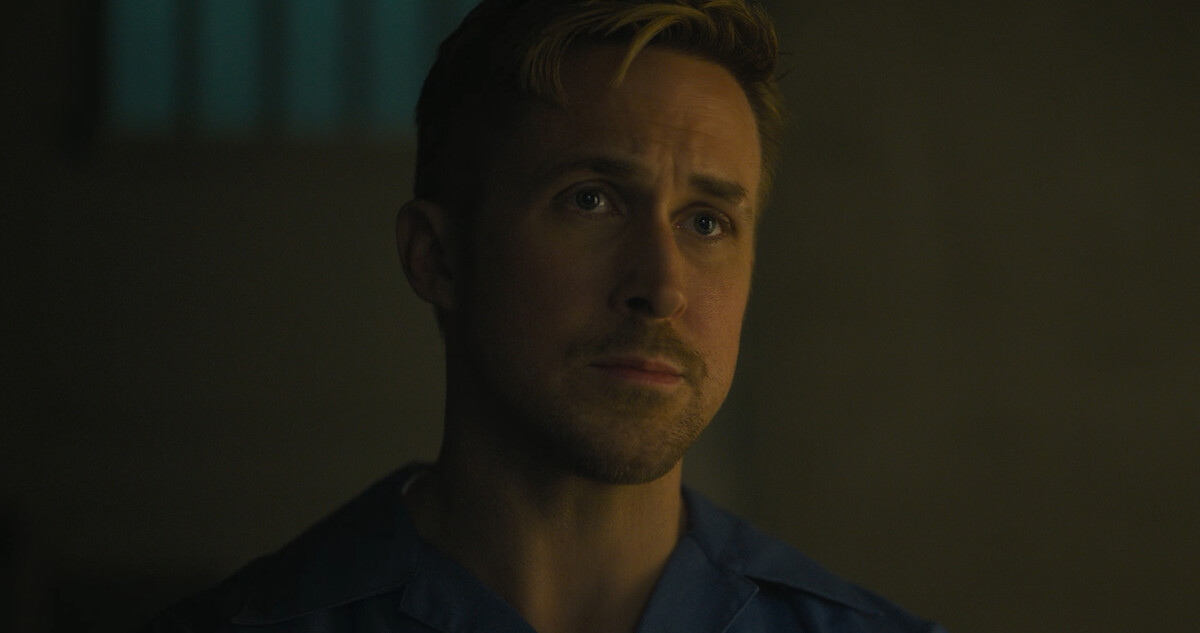
Ryan Gosling has not appeared in a movie in a few years. How did you go about luring him back to join your all-star cast?
Anthony Russo: I think the fact that Ryan hasn’t done something like this before was probably the thing that lured him the most. Ryan is a really amazing artist. He’s constantly looking to push himself and challenge himself and grow. And I think the opportunity to do something so different from what he’s done before was very exciting to him. I think we’re all at our best when there’s a little bit of nervousness or a little bit of fear in terms of what we’re trying to attempt. And I think we all had that approaching this movie, including Ryan. It has a high degree of difficulty, and it’s very challenging. But you know, to your point, it was really a poignant moment for me during production. At some point just a couple weeks before [we started], we were spending more and more time on the sets. And one day, Ryan looked over at me while we were looking at one of the sets, and he said, “You know, it’s been almost four years since I’ve stood on a movie set.” And I was like, “Oh my God.” That blew my mind. We were really grateful that he stepped back out on a movie set for this.

One of the things about his performance that struck me was that obviously he’s very grim and he’s got a mission, but he also has that relationship with Claire [Julia Butters]. How did you choose the song that their relationship pivots around, Mark Lindsay’s “Silver Bird”?
Anthony Russo: We love music and we tried a lot of music. Joe and I are big experimentalists. We like to try things on set, we like to try things in the edit room. And we go through a process where we look at the movie in a million different ways and kind of tear it up and put it back together in different ways. So it takes a long time with music, because sometimes you have something in your head going in, which we often do. But oftentimes, when we get into post production, things change for some reason, and the movie starts to come together in different ways, and the movie’s kind of asking for different things. There’s this adage that we’ve always loved: You make a movie three times over — when you write it, when you shoot it and when you edit it. And it really is true. I think with music, for us, we go through a big process of discovery about what feels right in the film.
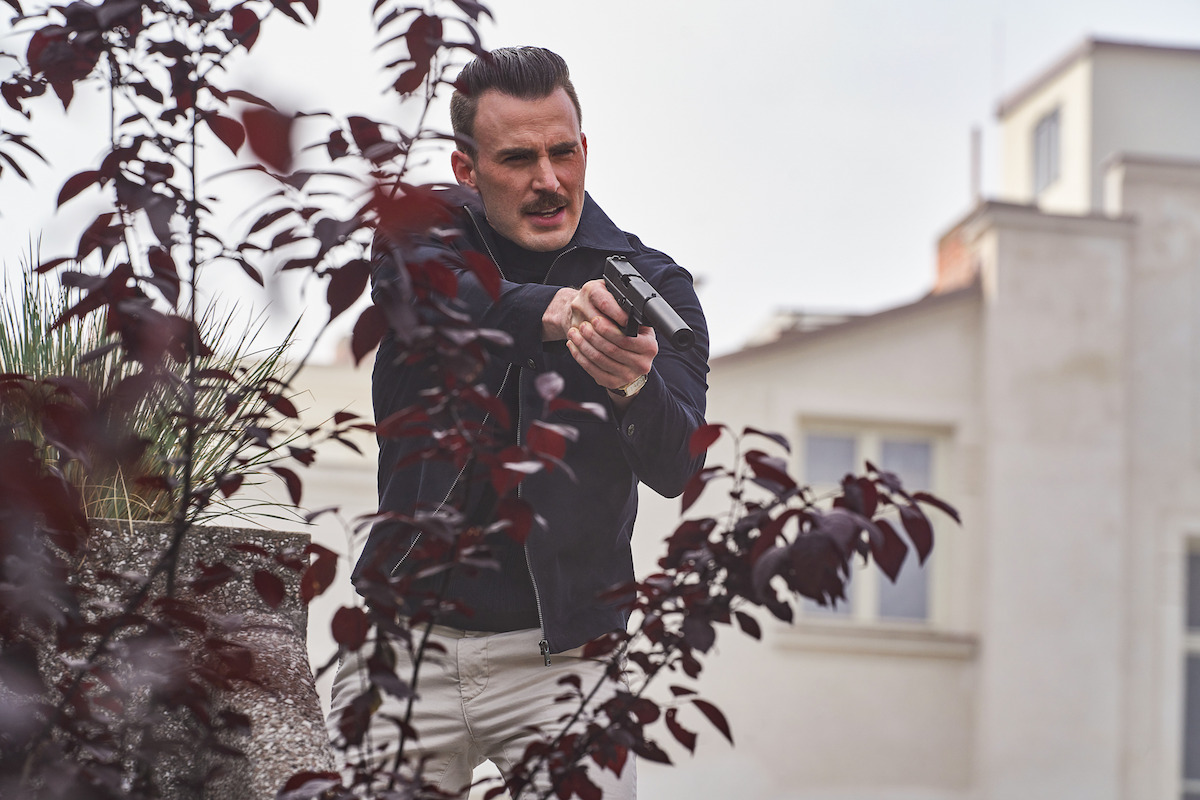
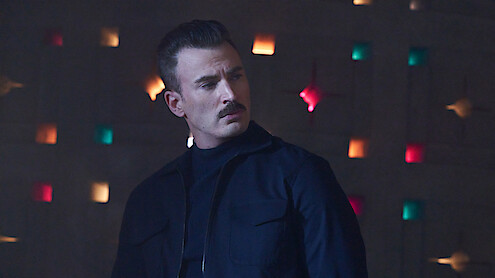
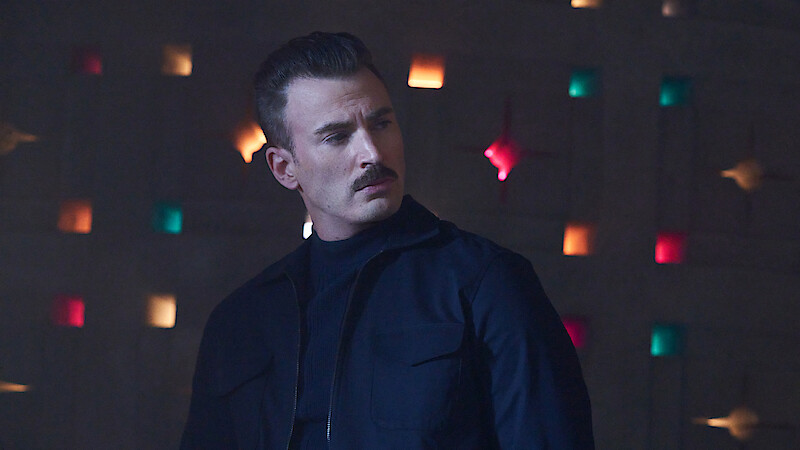
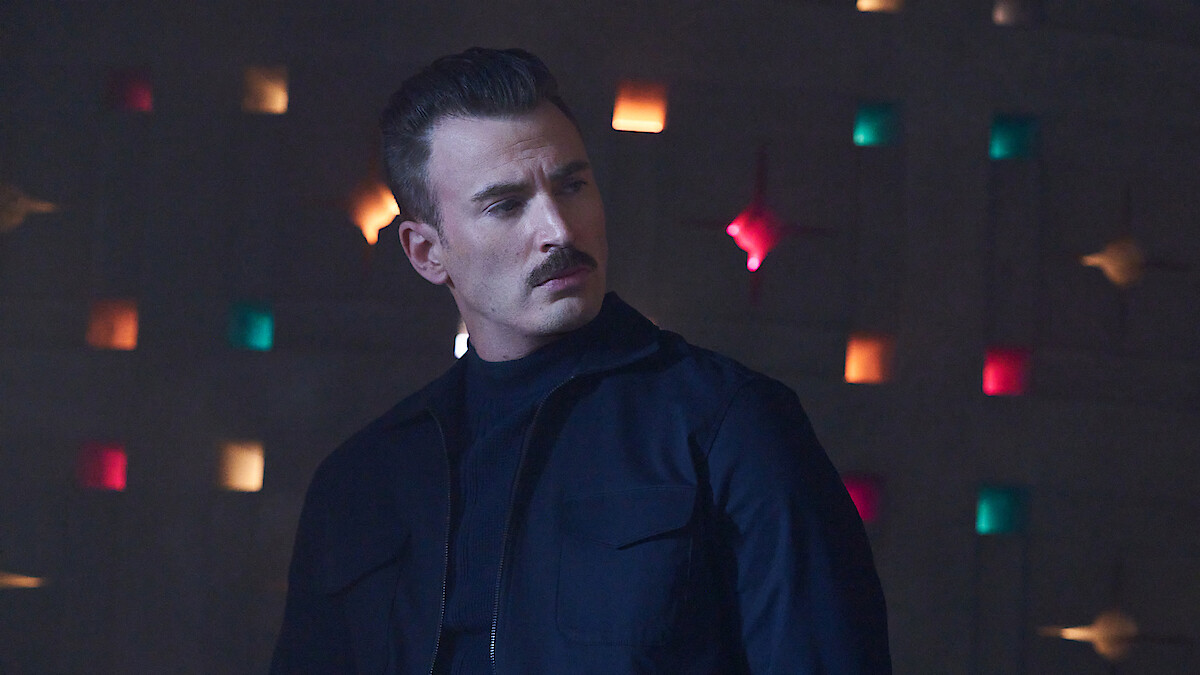
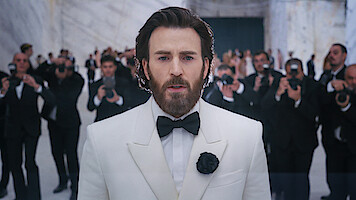
People are really going to be talking about Chris Evans in this movie. Obviously, you’ve worked with him before. How did you know he could make the transition from Captain America to this much, I think we can say “douchier,” villain?
Anthony Russo: We got to work with Chris on four different movies with that Captain America character. And that was over many years. And we got to know one another very well in that period. So even though Chris was so brilliant at doing that very specific thing, we knew he had a whole range of colors inside him and he’s a very talented, very smart actor. We knew he was capable of going to very different places, and it just seemed fun to us all to try to come up with a character that was about as far away as you could possibly get from Captain America. And I think Lloyd Hansen is pretty much it. So it was great fun for us to sort of attempt that on a conceptual level, and then all the way through the execution.
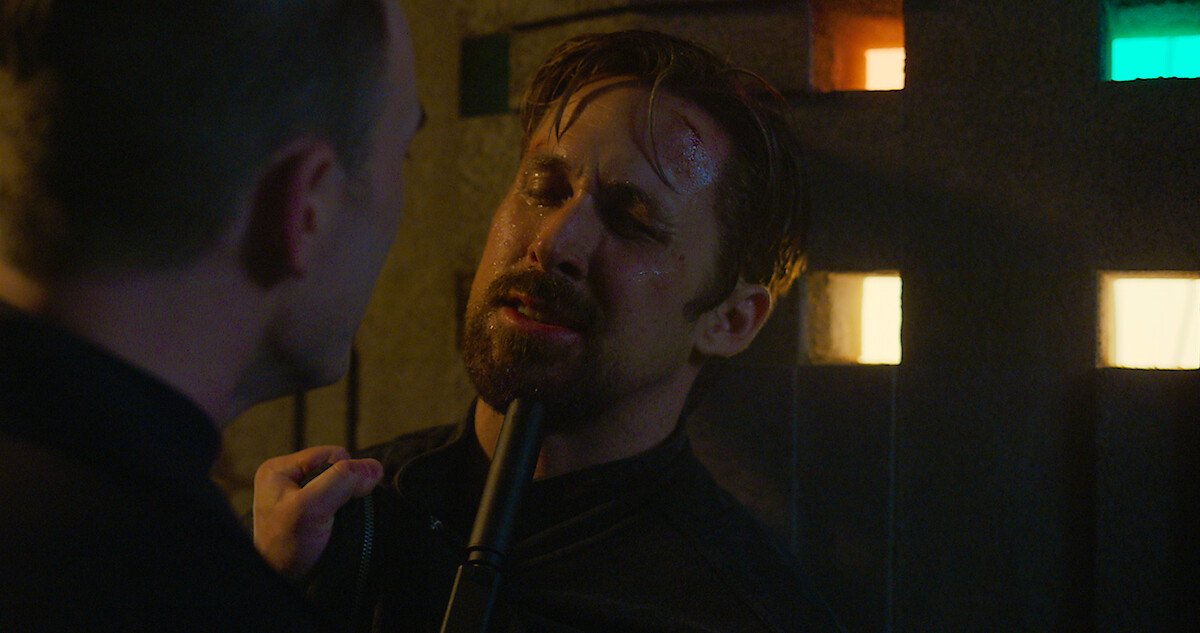
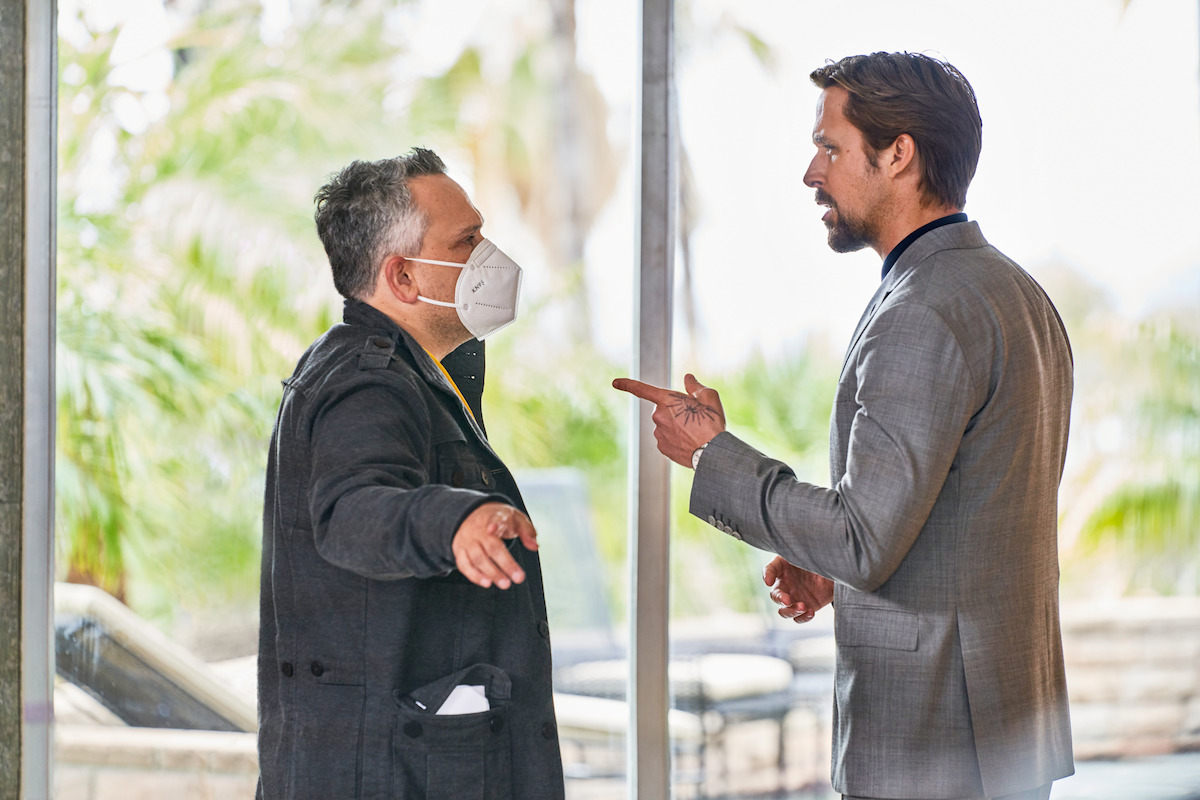
This is one of the biggest movies that Netflix has ever made, and you worked on it during a pandemic. What was that process like?
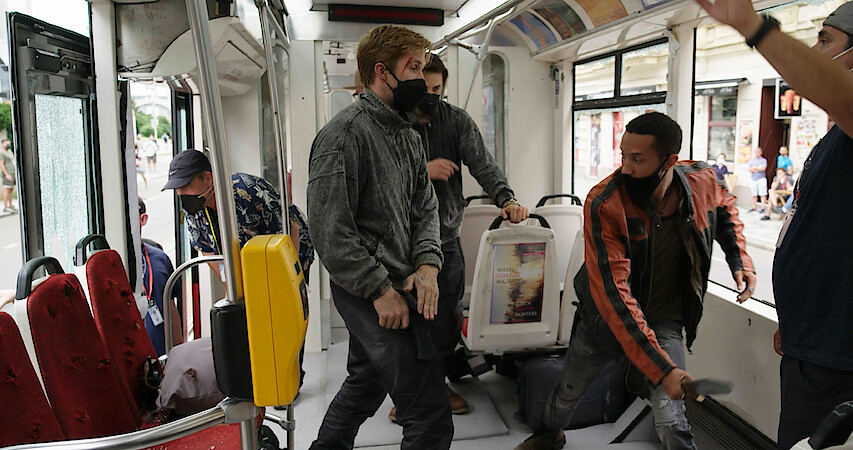
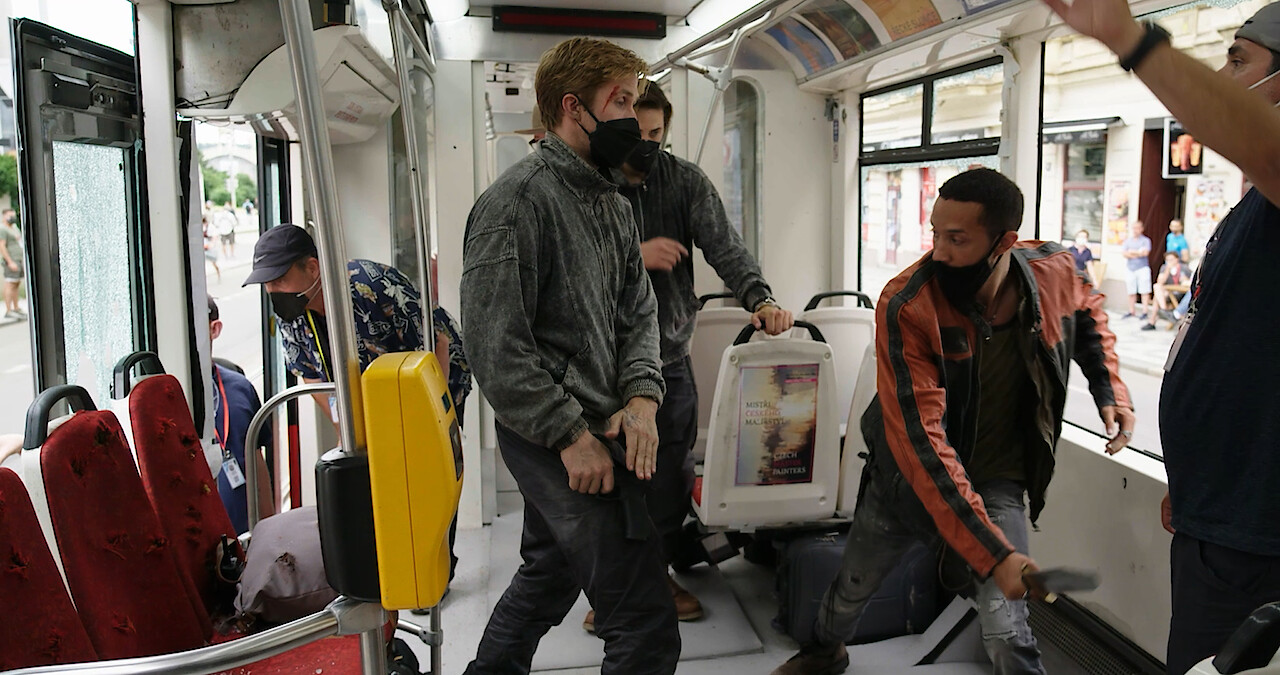
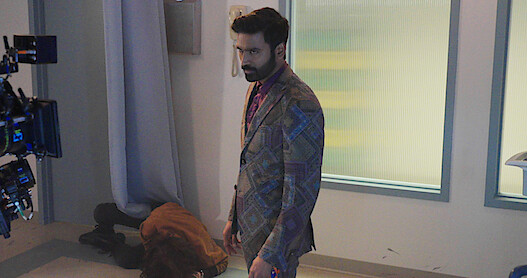
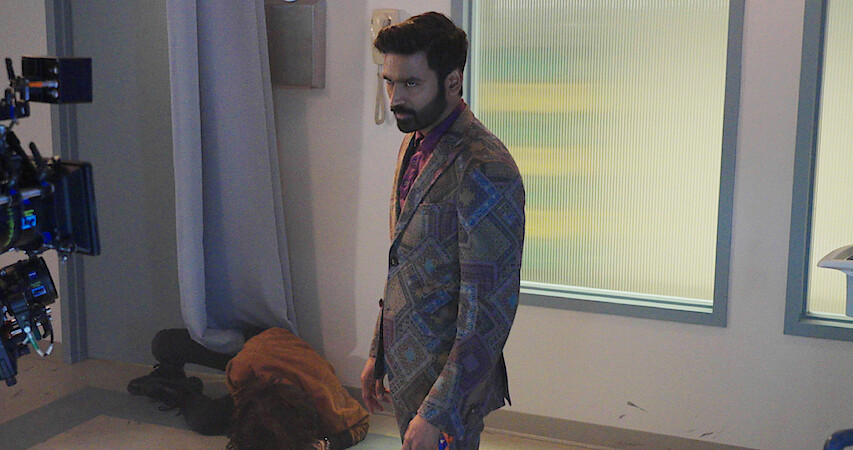
Anthony Russo: It was extremely challenging in some ways. Movies are all about communication. You have hundreds of people there, and it’s critical that there’s a very efficient, effective and clear flow of communication so that people can collaborate with one another, ideas can get passed back and forth, things can evolve and everybody knows exactly what we’re doing at any given moment. So that was very challenging. It took you twice or three times as long to communicate anything when you’re in masks and separated. And we had days, to be honest with you, where portions of the crew would go down because of a COVID exposure. Thank God we had no serious illnesses where people suffered from it too terribly, but it caused a lot of production complications.
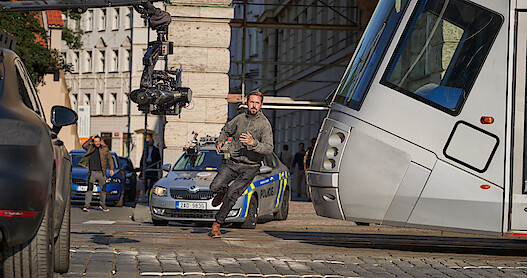
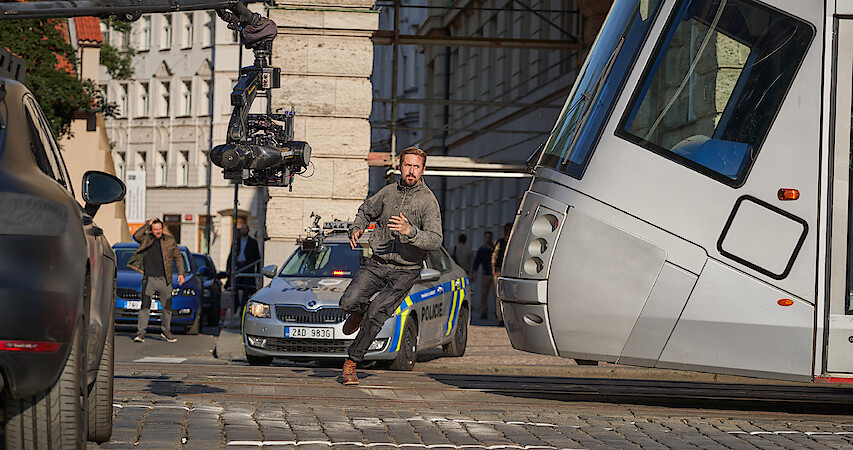
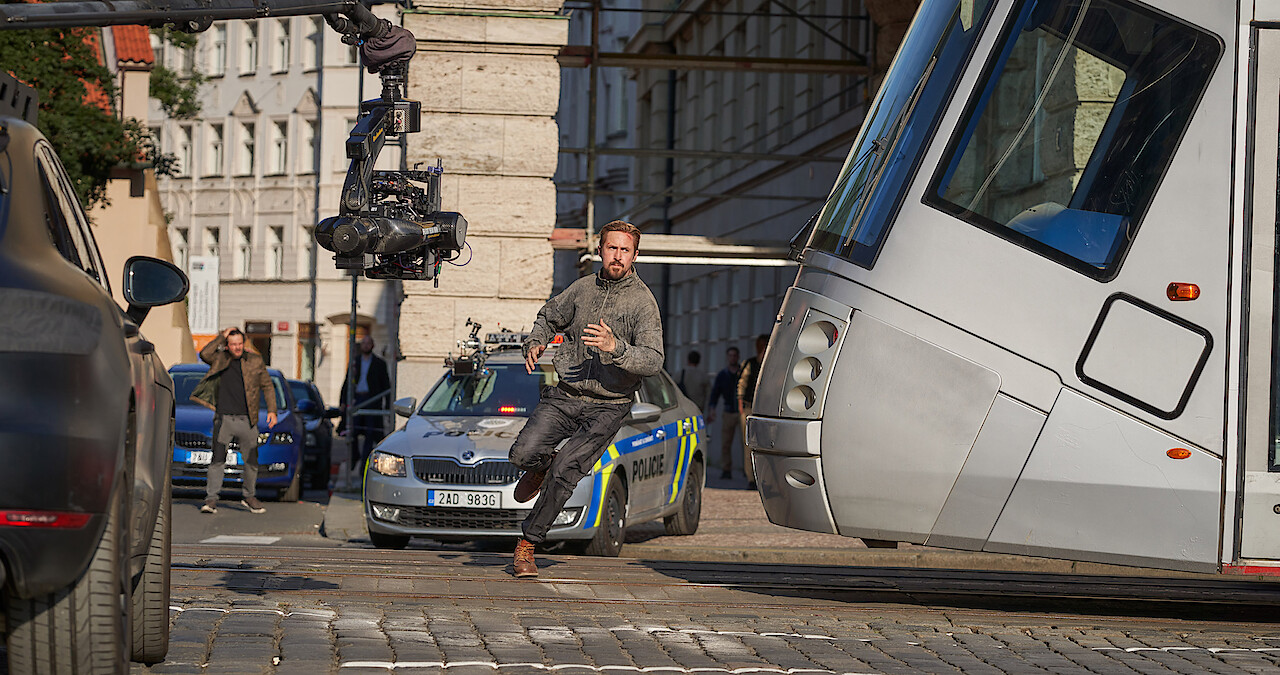
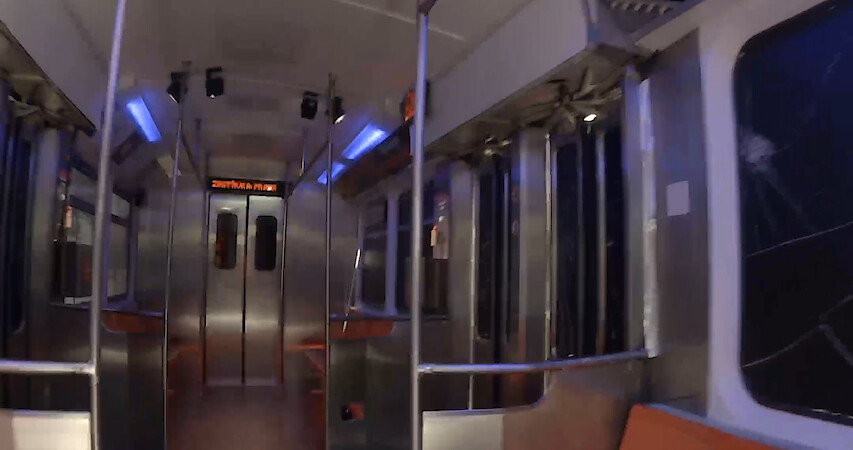
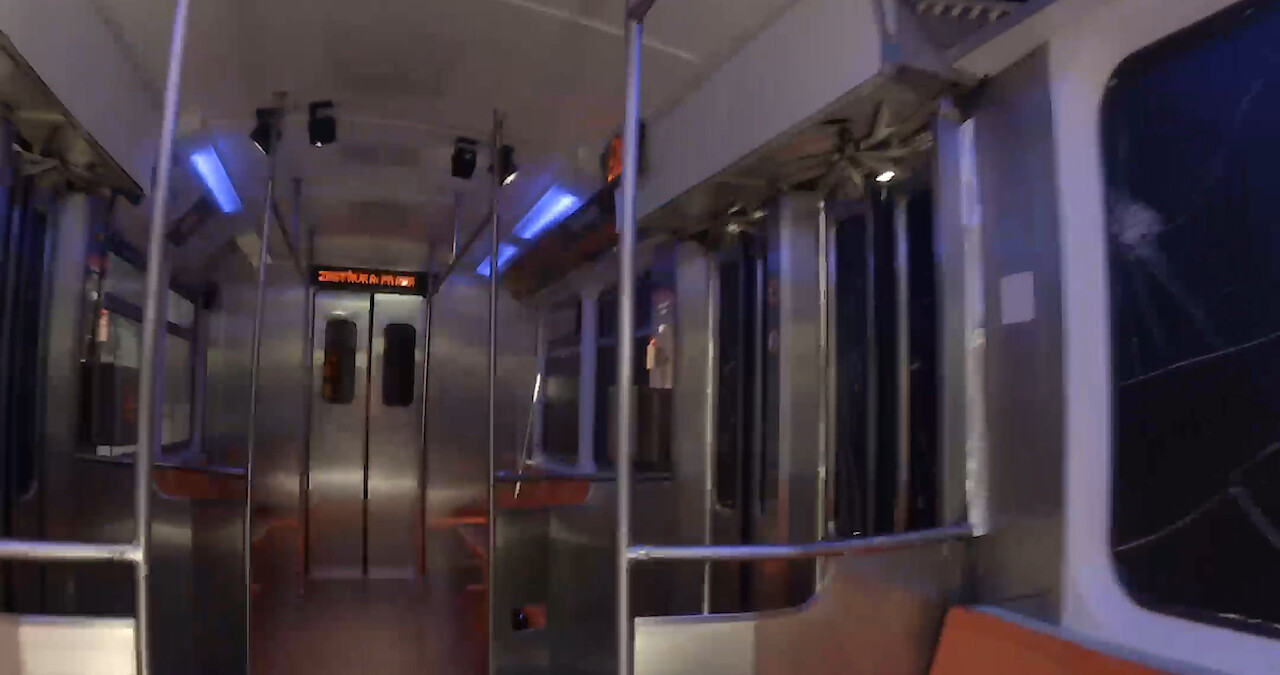
We had days where we would show up on set and find out that morning that six stunt performers had been exposed and we were short six stunt performers that day. That’s a very hard thing to adjust to on the fly. But I will say we benefited in some ways too. It’s hard to say that there’s a silver lining to the pandemic, but when we were shooting in Prague, in order to stage these action sequences, you need a lot of real estate. They’re big. We need to sort of control whole city blocks and sometimes a series of city blocks, and Prague was uncharacteristically empty because of the pandemic. So we had this amazing, beautiful city that’s usually thriving and mobbed with tourists kind of to ourselves in some respects.
The last two movies you made were pretty enormous. This one is enormous too, but its action is a little bit closer to the Winter Soldier scale of things. I’m not going to say you’re getting back to your roots here because you’re not making You, Me and Dupree, but what was that like?
Anthony Russo: That was thrilling. Joe and I, we’ve done a lot of different things as filmmakers. We started off as very micro-budgeted indie filmmakers, and then that segued into sort of a decade in television doing mostly comedy, and that segued into the MCU. We shoot commercials, we’ve shot drama, comedy, all over the map. So we love challenging ourselves by finding new ways of communicating in movies and working in different genres and tones and styles. But that being said, we love action. We’ve loved action our entire lives.
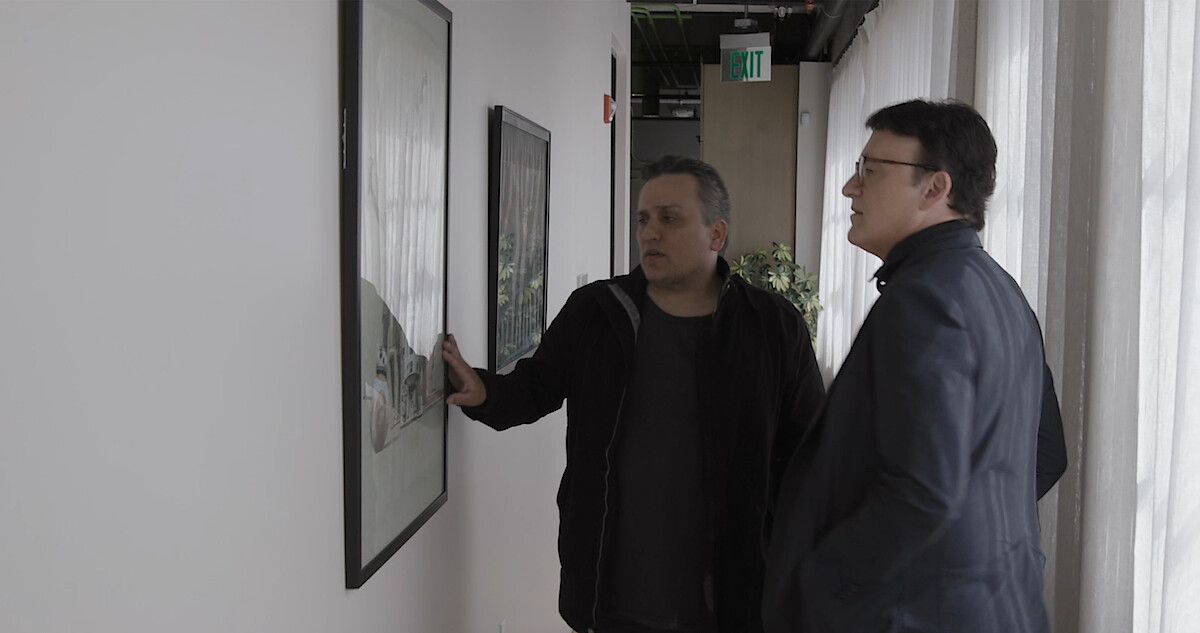
In fact, during that decade of comedy television we were doing, toward the end of it, we started thinking about segueing back into movies. Our thoughts were very specifically to do an action movie. It was just kind of a coincidence that The Winter Soldier showed up at that time for us. By the way, most of our team on this movie has been with us since The Winter Soldier. So it’s amazing to be able to work together for so many years, sort of figuring out how to continue to challenge ourselves and surprise audiences. And the nice thing about it is, it’s like working with Chris Evans over the years, you just start to develop a very sophisticated understanding of who one another are as performers, as creatives. We could do things with one another now that we couldn’t do when we first met, and that’s really exciting and thrilling.
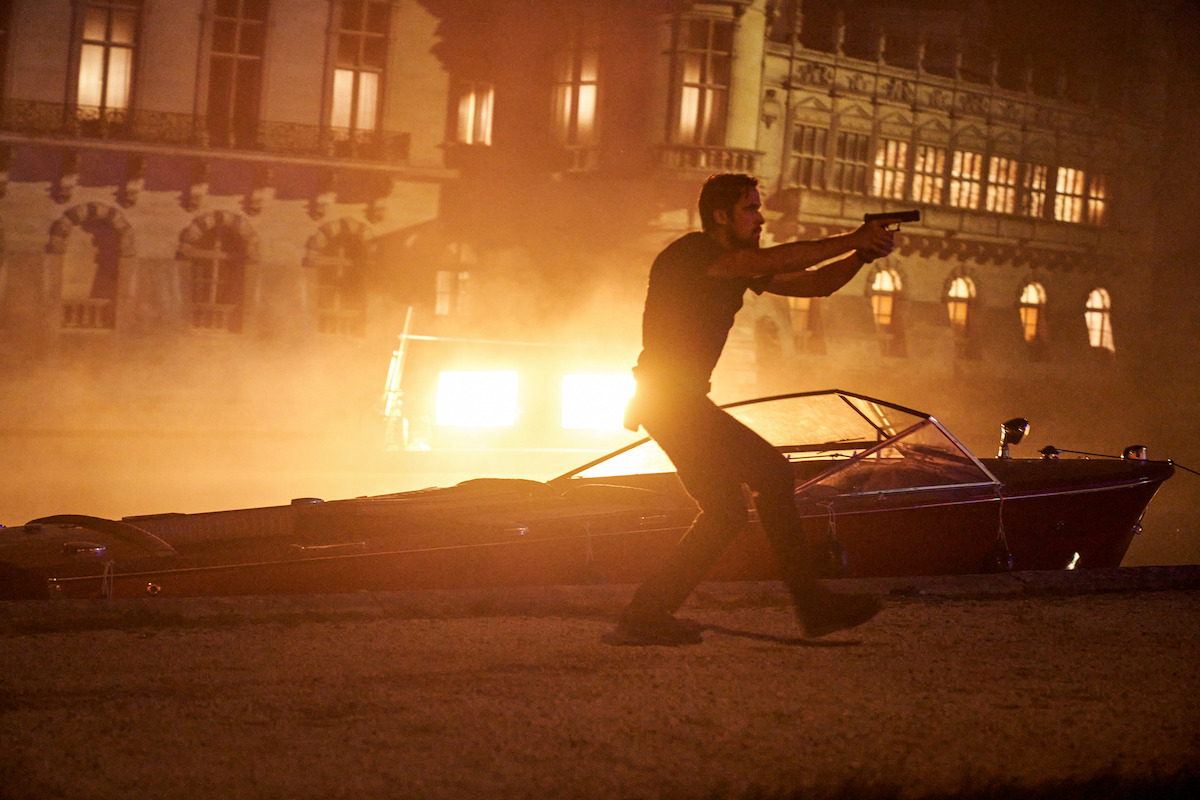
You’ve both been pretty clear that you’d love to make more of these films. Where do you see the Gray Man story going? I know there’s a lot of source material, but in your ideal world, what’s the next step for this character?
Anthony Russo: Mark Greaney has written a whole series of wonderful books for us to draw from. I can’t get too specific about where we see the character going on the next movie because it’s so early days, but we designed a big ensemble in this film because we love ensemble storytelling. Having a bunch of interesting characters creates a lot of possibilities in terms of where you’re gonna go in future storytelling, because there’s so many compelling characters played by so many compelling actors and they’re all worth further exploration. So I will say that we definitely conceive this as a narrative universe, and we’re very much looking forward to the various iterations of that.
This interview has been edited for length and clarity.