This article contains major character or plot details.
All interviews included in this article were conducted in spring 2022.
Carla Gugino wasn’t always interested in horror. “That’s never been a genre that I’ve gravitated to specifically,” she told Netflix during production. This statement might come as a surprise, given that Gugino’s become a familiar face in Mike Flanagan’s ensembles, including Gerald’s Game, The Haunting of Hill House, The Haunting of Bly Manor, Midnight Mass, and now his latest series, The Fall of the House of Usher.
What eventually won her over was the creator and director’s nuanced exploration of horror. “Some of the stories that he tells are the most profound stories, but they happen to be within a genre so you can disguise them in some way with [horror] elements,” said Gugino.
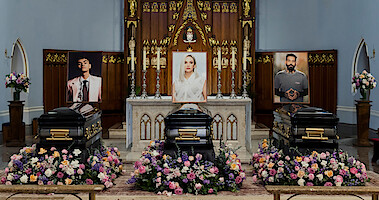
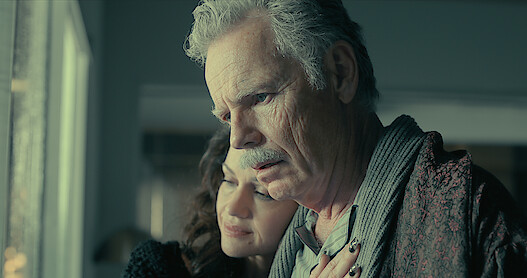
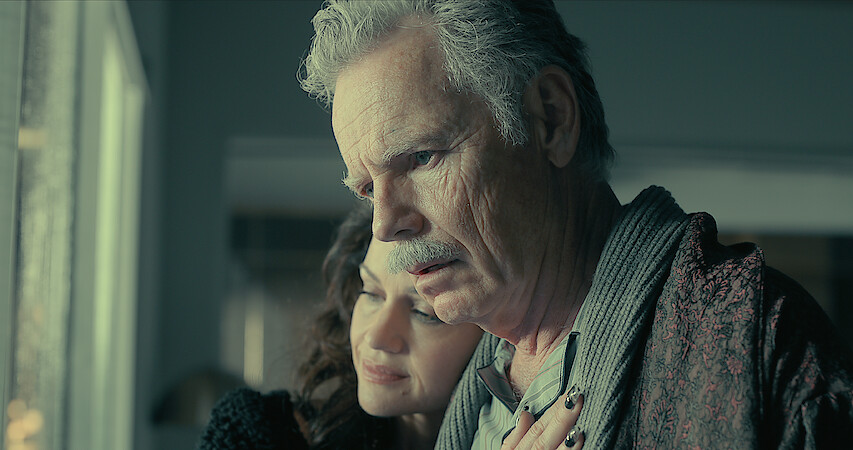
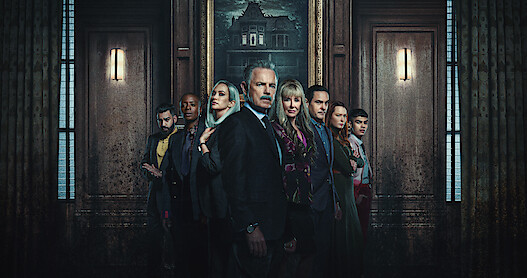
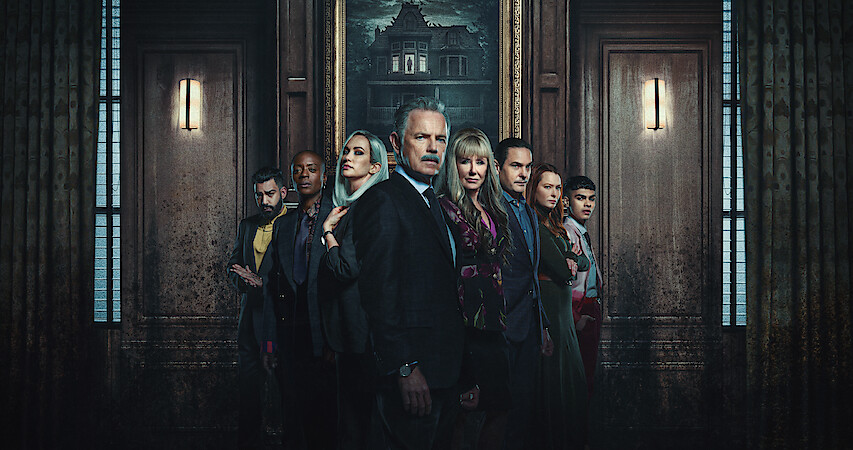
Based on the works of Edgar Allan Poe, The Fall of the House of Usher examines what privilege, wealth, and greed can do to a person. The series follows twin siblings Roderick (Bruce Greenwood) and Madeline (Mary McDonnell) Usher, who’ve built a pharmaceutical empire called Fortunato, which sells painkillers. But now, amid their immense financial success, Roderick’s children are dying brutal deaths one by one. For Gugino, the Ushers represent a larger story about the opioid epidemic. “It’s just a really insidious situation, and it has been dealt with with a lot of recklessness,” she said. “But in a way, what’s interesting is to be able to deal with extremely topical subjects, and then also have these fantastical elements.”
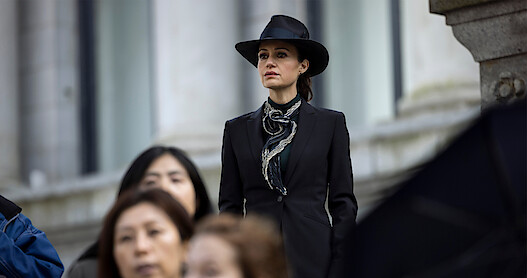
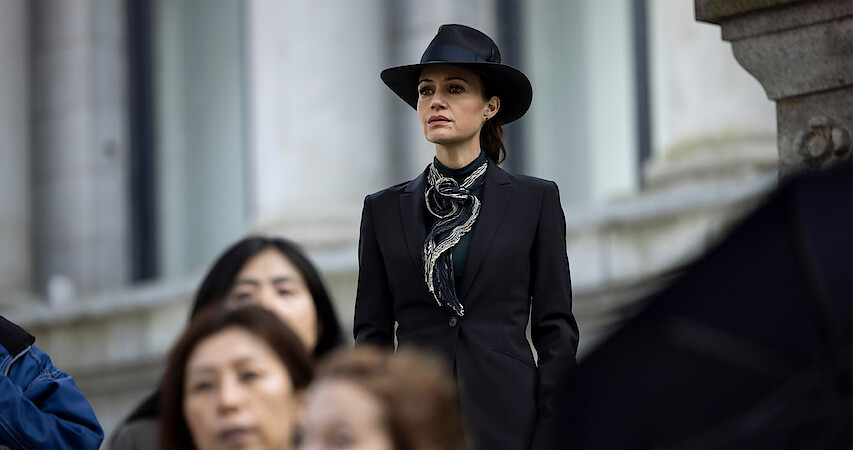
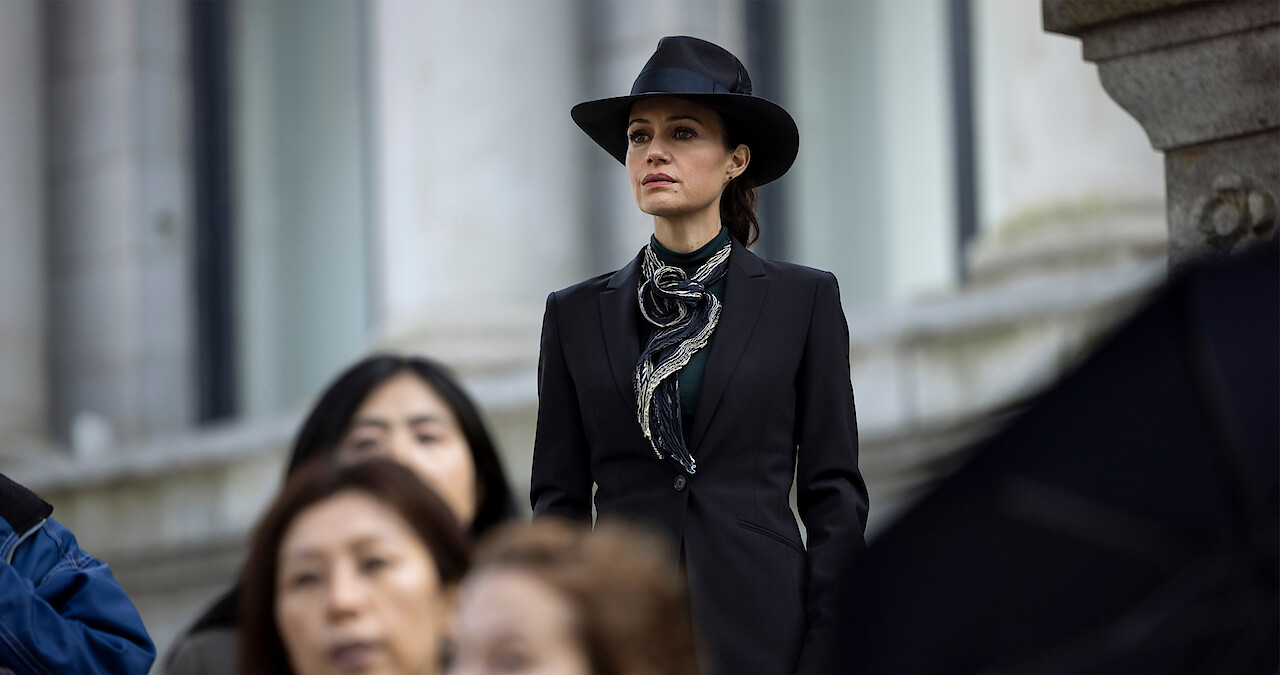
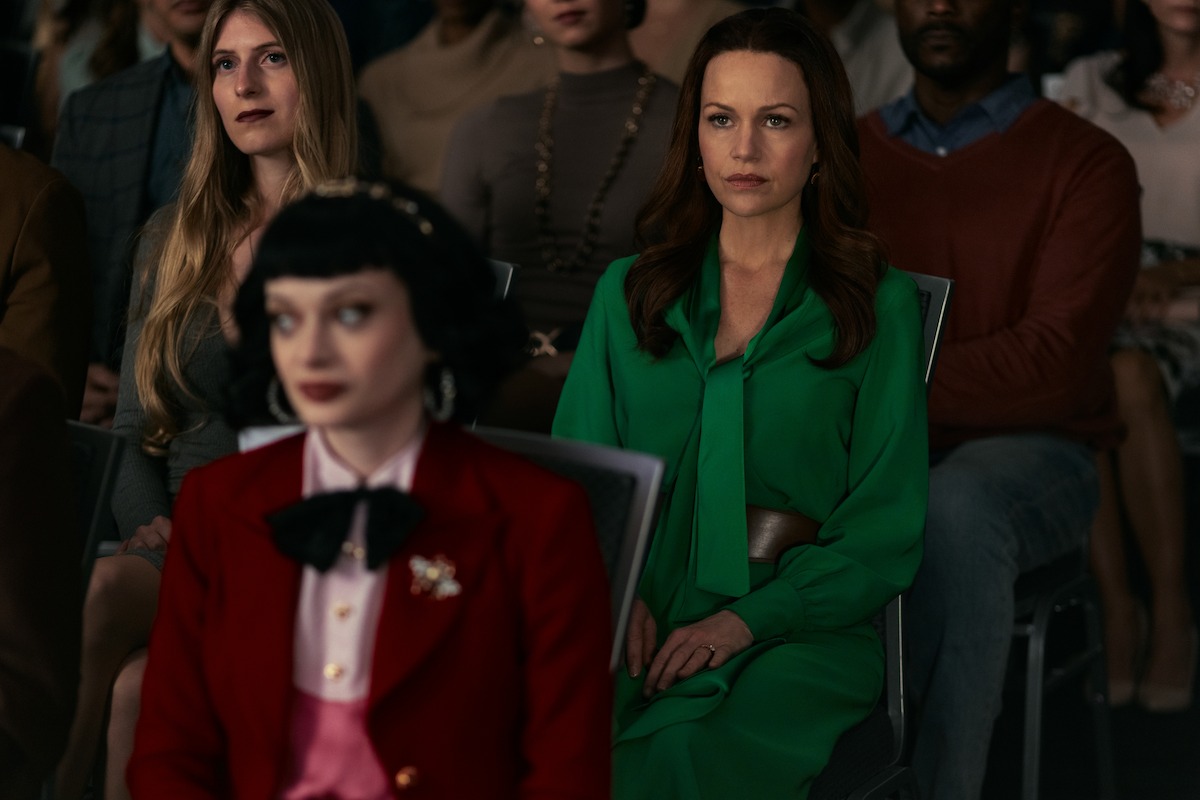
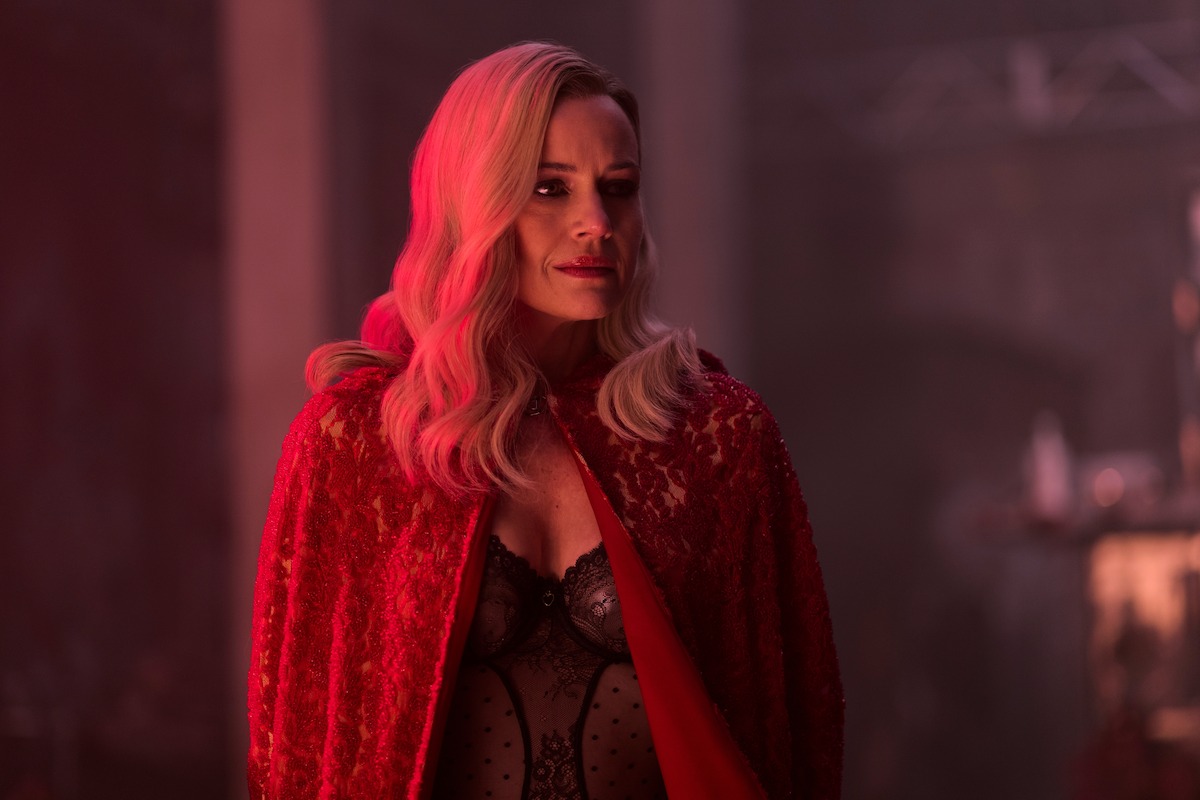
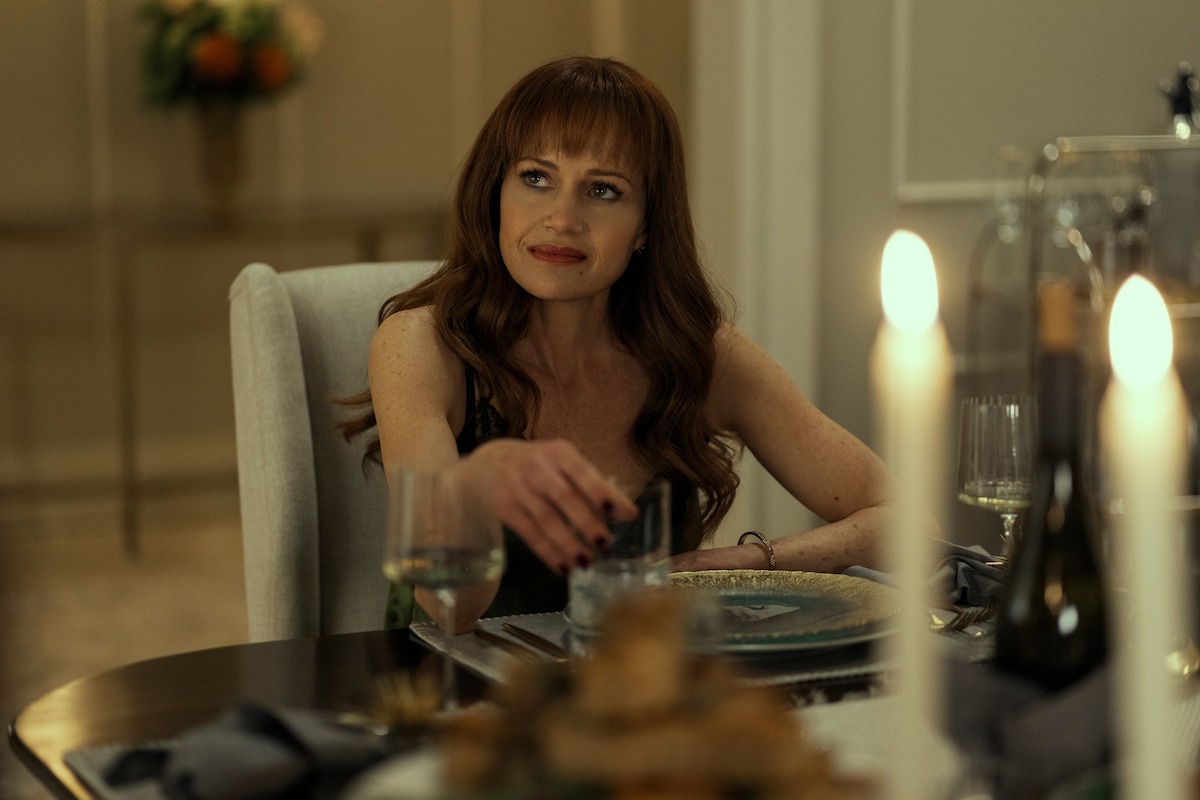
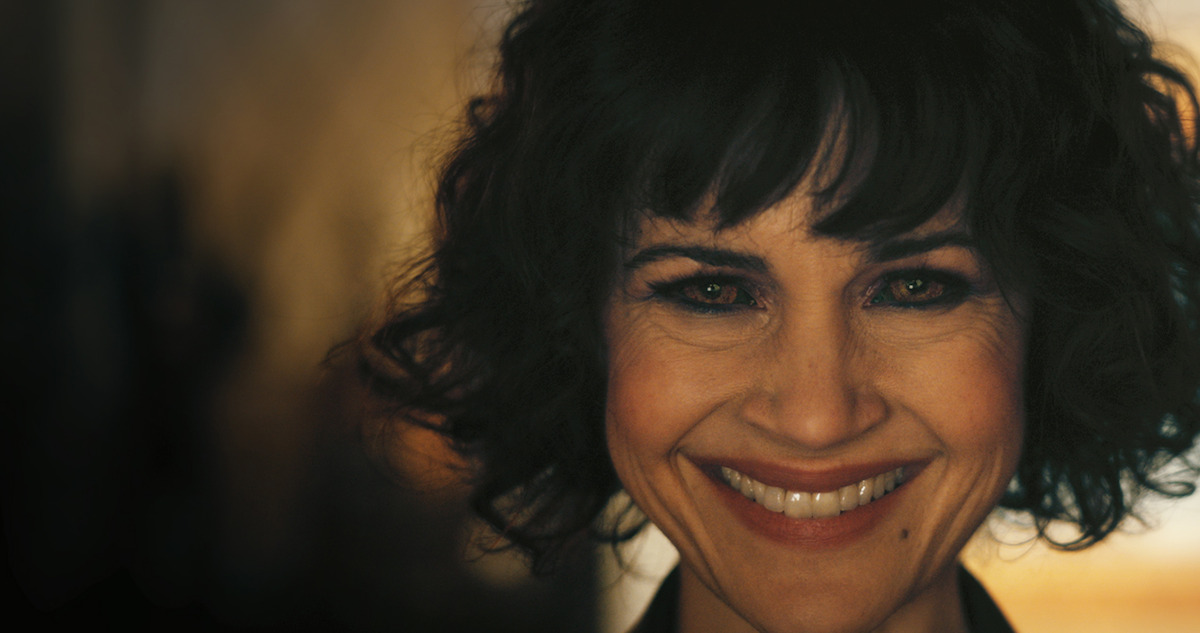
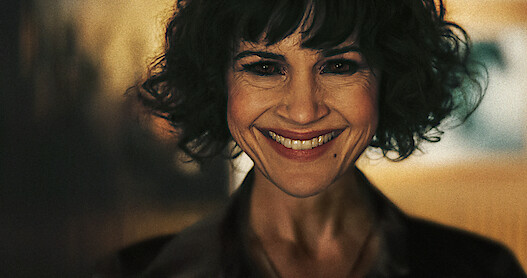
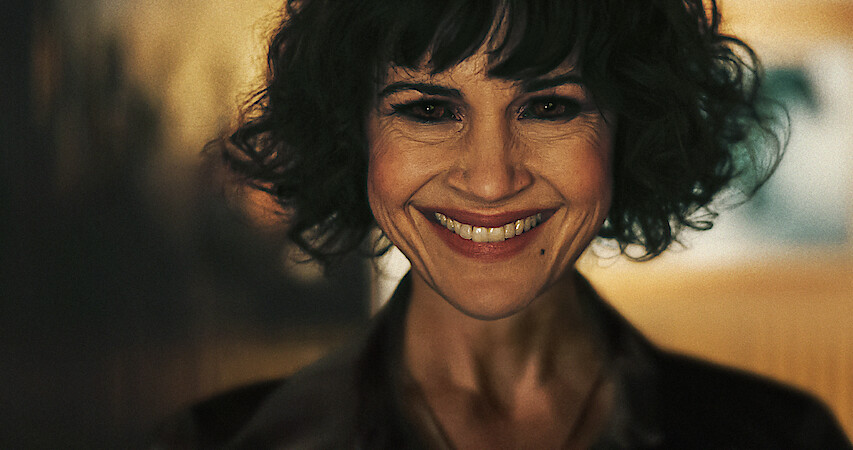
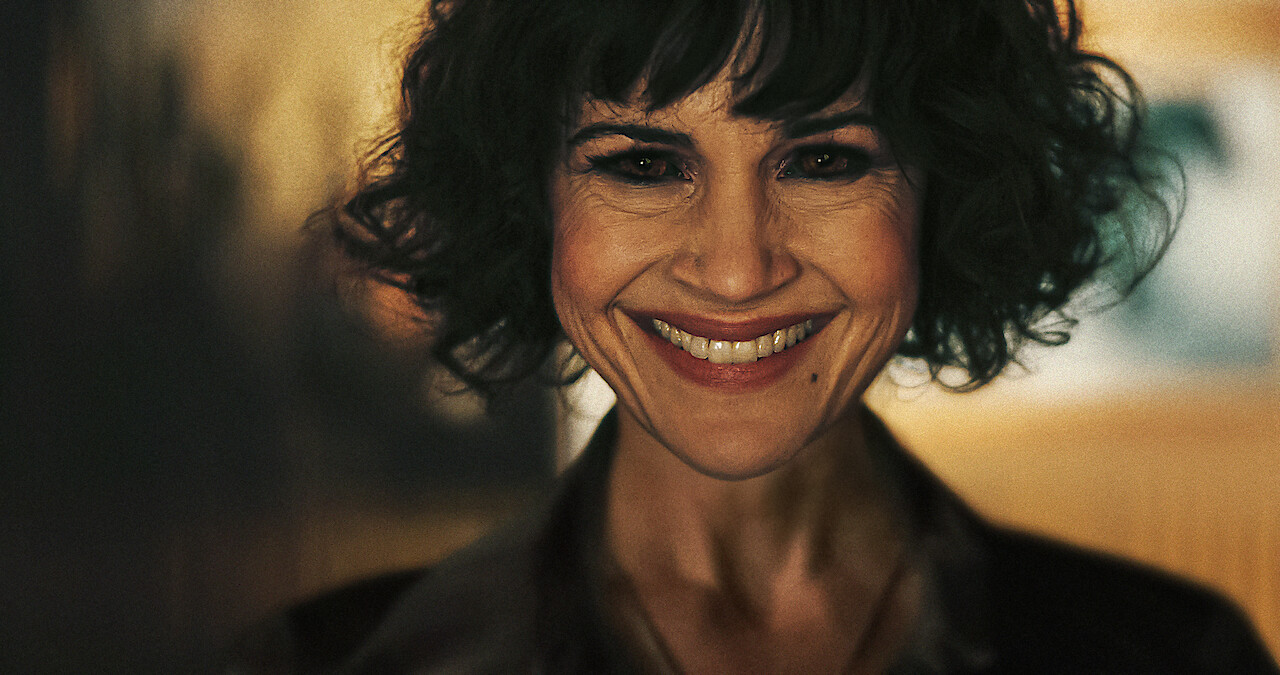
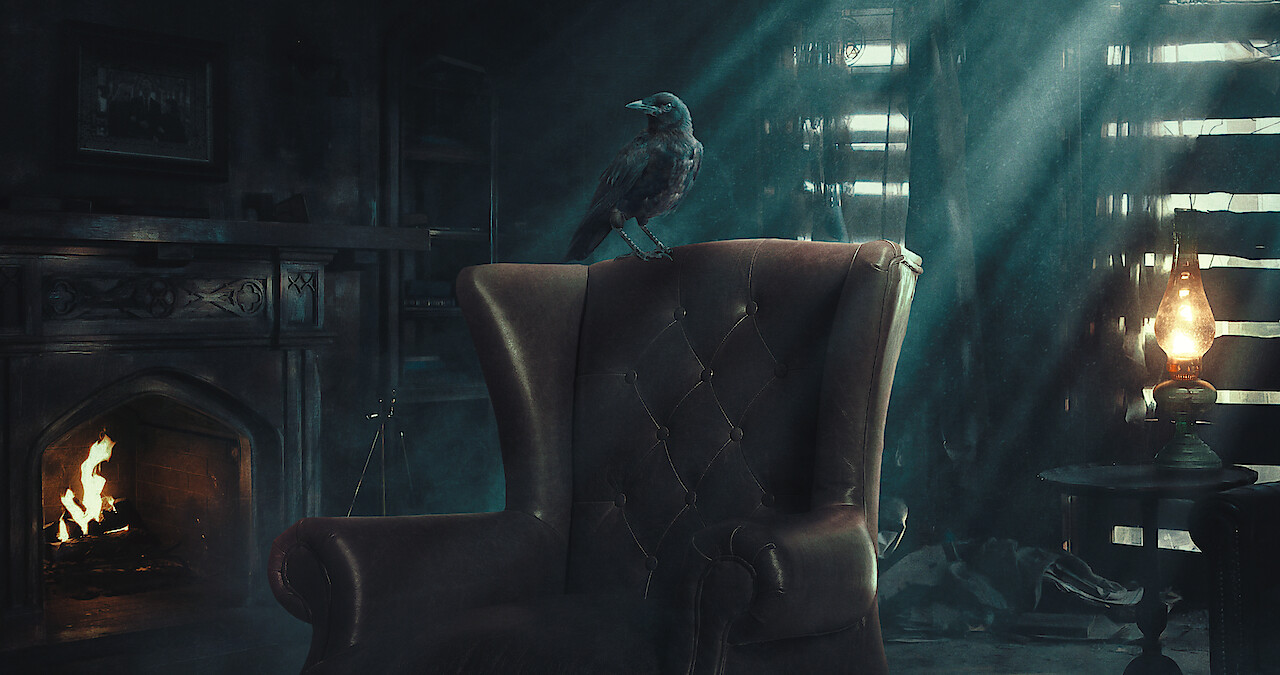
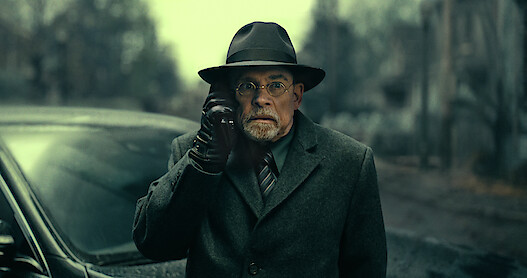
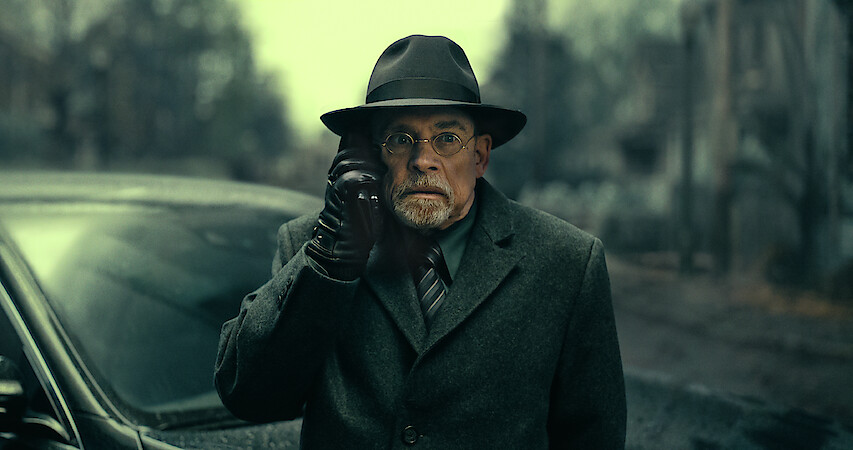
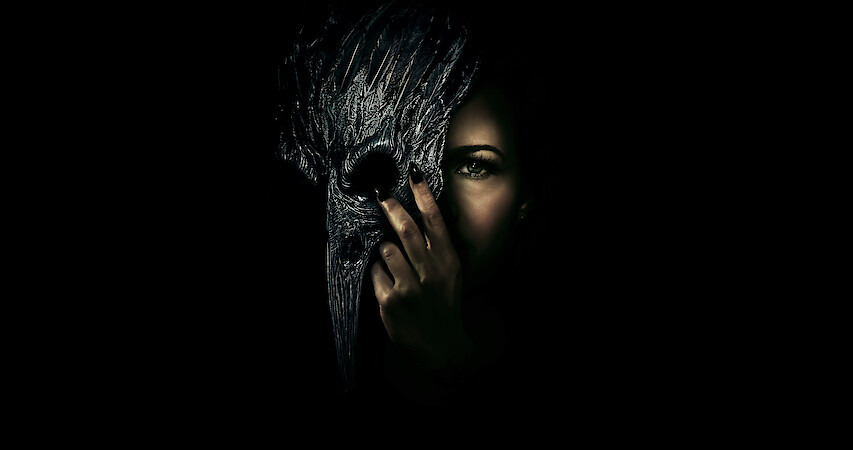
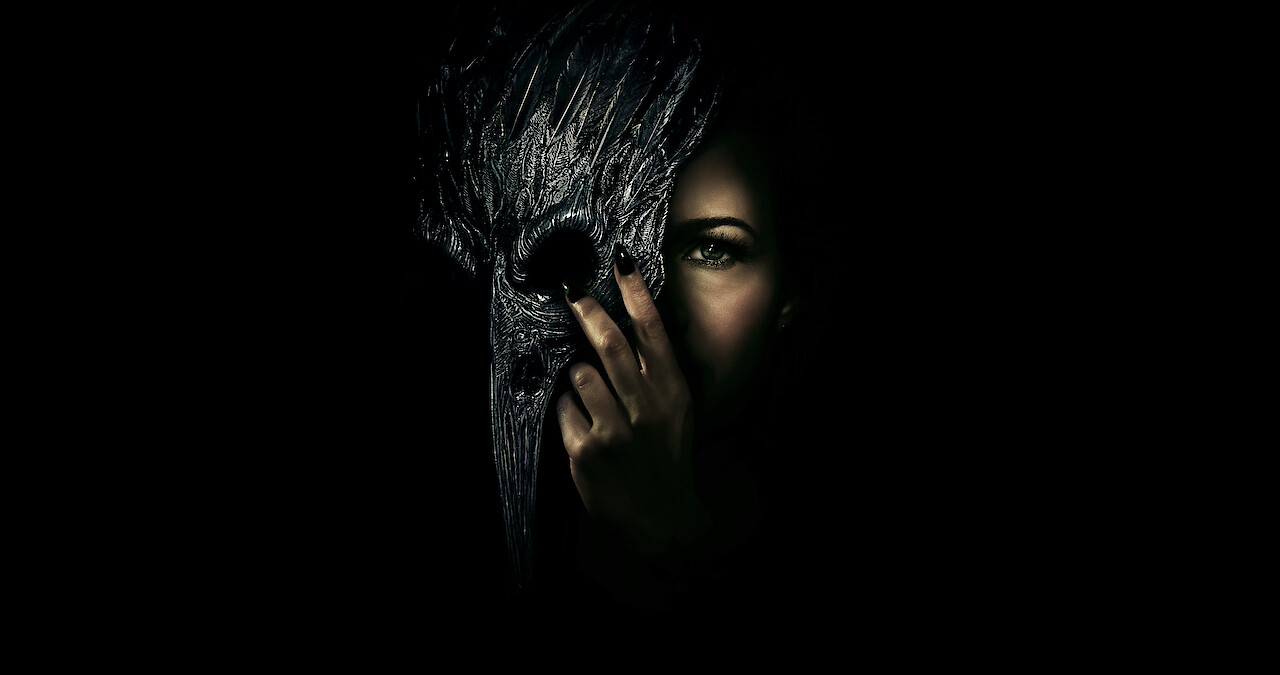
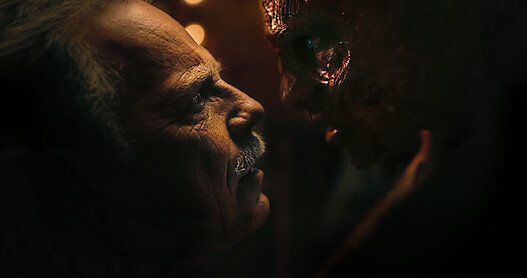
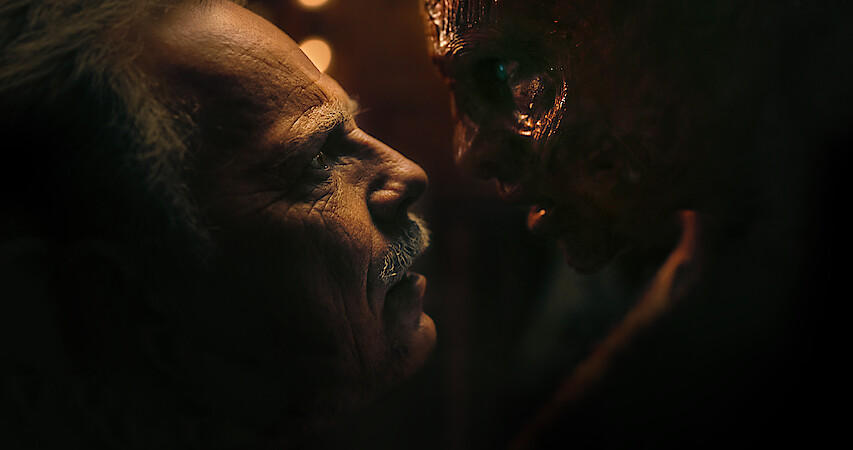
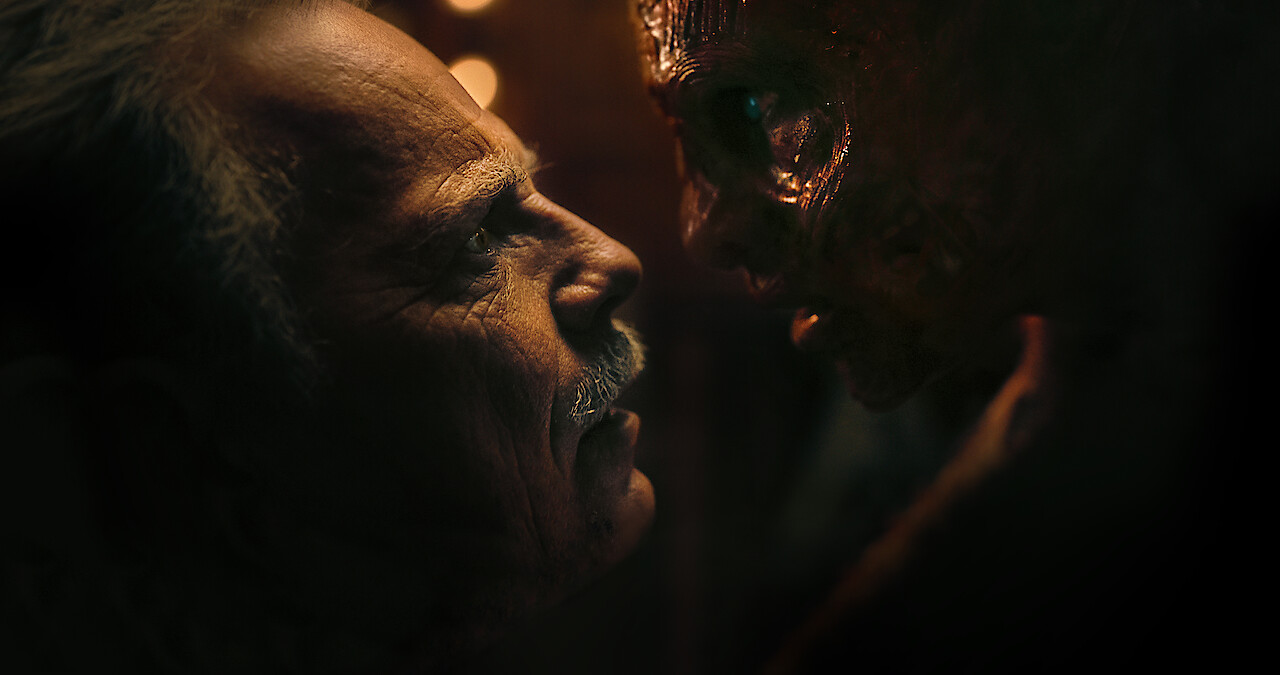
One supernatural element of the story comes from Gugino’s character, Verna, which is an anagram for raven. She’s neither a bird nor is she human. Instead, she’s a shape-shifter who moves “in and out like smoke,” as Gugino described, and appears to each of the Usher heirs right before their gruesome deaths. Verna morphs into different characters in each episode, whether it’s a security guard or a homeless woman — or even an ape.
“It was such a surreal experience. I doubt I will ever get that opportunity again,” Gugino said. “Gerald's Game was one of the most incredible opportunities I’ve ever had, and I never thought [Mike] could come up with something possibly even cooler than that.” About a year and a half before filming began, Flanagan approached Gugino about a series based on Poe. He asked her to play a character inspired by “The Raven,” and she instantly agreed. “I think [it’s] perhaps the most daunting project that I’ve ever had, in regards to just figuring out how to whittle it down to something manageable,” she said.
The first challenge for Gugino was differentiating each of her characters from one another, but weaving a common thread through all of them. “What was really important to me was that there was a through line, so it wasn’t Carla Gugino doing a bunch of roles,” she said of her process. “What I was really interested in is a character who isn’t of this world, but is able to seamlessly be in this world.” Just like the raven that Poe writes about, Verna is always looking at things from a different vantage point.
In order to achieve that perspective, Gugino studied her own body language from the inside out. From eye movements to neck turns, she tapped into different parts of her body where each incarnation of her characters would live. “Once I found their voice and where they sit in my body, I was able to quickly change on set and be able to jump back and forth,” she said.
Part of her preparation involved working with movement coach and stunt double Terry Notary, known for designing the ape sequences in the Planet of the Apes films. Notary actually plays the apes that we see at the end of Episode 3. Gugino described transforming into a primate as “not a subtle experience,” especially since her ape goes “through so much pain.” Thanks to Notary’s help and her scene partner Kate Siegel, who plays Roderick’s stone-cold daughter Camille, Gugino was able to fully let go. “Seeing how [Kate] was responding to the behavior allowed me to know that we were getting to where we needed to go with it,” said Gugino.
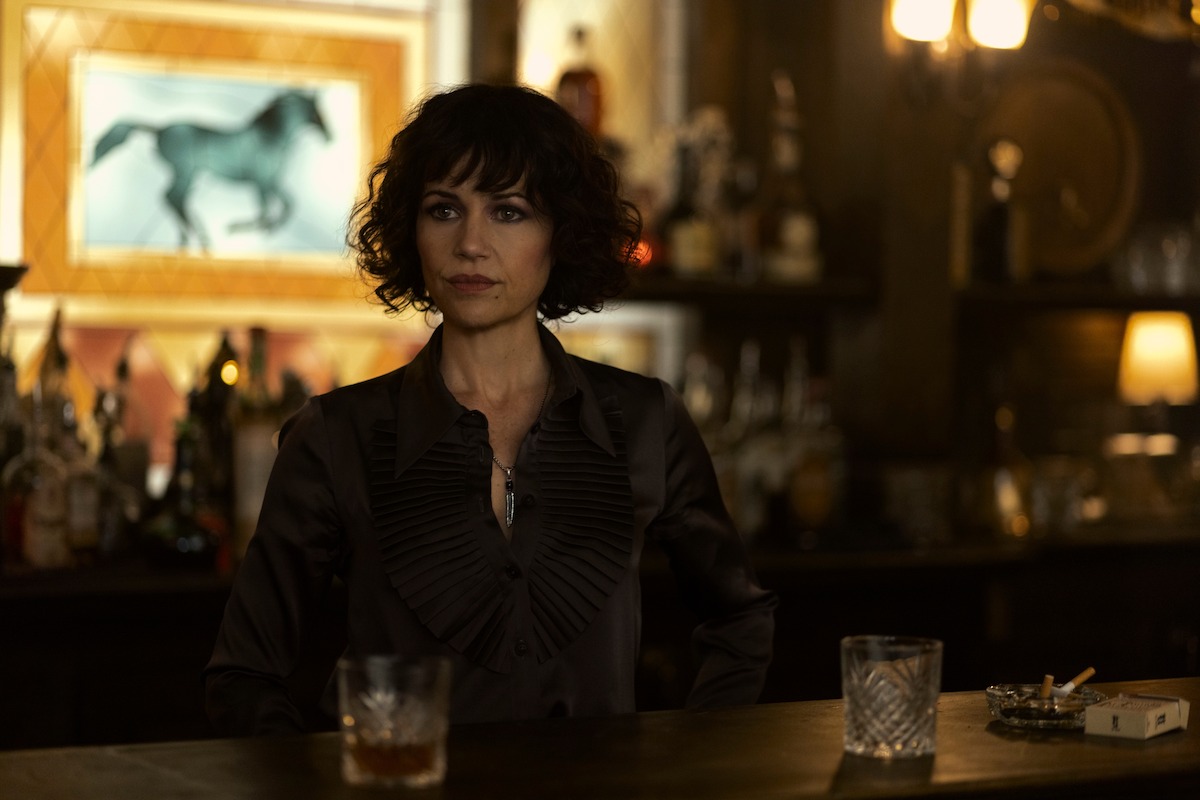
Despite her ominous presence, Verna isn’t haunting the Usher children for sport. As we come to find out in the finale, she first appears to a young Roderick (Zach Gilford) and Madeline (Willa Fitzgerald) on New Year’s Eve 1979 as a bartender. Struggling to find their footing, the siblings broker a deal with Verna: They can achieve all the success in the world, but their entire bloodline will die in their lifetime. “Often, people with a lot of privilege and a lot of power have an opportunity to do good things or to do bad things,” said Gugino. In the Ushers’ case, they choose the latter and seal the deal with a toast. According to Gugino, however, they’re not making a deal with the devil. “Poe never really believed in God and the devil per se. She’s not even evil,” she clarified. To her, Verna is simply just an executor of fate and karma.
Because of that, it was crucial to portray Verna as a neutral character. “Verna is offering each of these people the most honest conversation they will ever have in their lives. She doesn’t really care if they’re good, they’re bad, they’re this, they’re that,” she said. In order to intently engage with her character with no attachment, Gugino reflected on her past experiences working with Brazilian shamans. “The amazing thing when you see that kind of shape-shifting is that there’s an embodiment of something that can seem super radical or super intense, but what it comes back to always is this neutrality,” she explained.
It’s clear that Verna is good at what she does, but remaining neutral also has an emotional toll. In the finale, she pays Roderick’s granddaughter, Lenore (Kyliegh Curran), a visit. Unlike the other Ushers, Lenore knows right from wrong and urges her grandfather to dissolve Fortunato. Despite her pure intentions, she’s still an Usher — and a deal is a deal. “There’s a lot about my job that I love, but there are moments like these that bring me no joy,” Verna tells Lenore. She praises the young girl for defying her family, and because of her decision, she’ll go on to save millions of lives. While all the other Ushers died in freak accidents, Verna places her finger on Lenore’s head and the girl passes away painlessly.
“When I started acting, I wanted to do it to give empathy, to gain empathy, to see the world through different people’s eyes,” Gugino said. Through Verna and her previous collaborations with Flanagan, Gugino’s been able to do all of that and more. “[Mike] said each of the Usher family members are a different instrument, and it’s really true. But Verna? Verna is like a symphony.”
The Fall of the House of Usher is now streaming on Netflix.