When HBO’s fantasy series Game of Thrones first took hold of audiences around the globe, many noticed that, despite having a large Black fanbase (remember the #DemThrones hashtag?), the show offered a world in which it seemed people of color didn’t exist. And what’s more, the few non-white characters “who are named and have speaking roles,” as Self put it, “are freed slaves or ‘portrayed as noble savages,’ like the Dothraki.” Other fans, as well as writer George R.R. Martin, defended the show’s whitewashed cast, arguing that the show was historically accurate, as the books were based on Europe’s Medieval period. Sorry, but if Game of Thrones can have dragons and killer ice zombies, it can certainly have people of color.
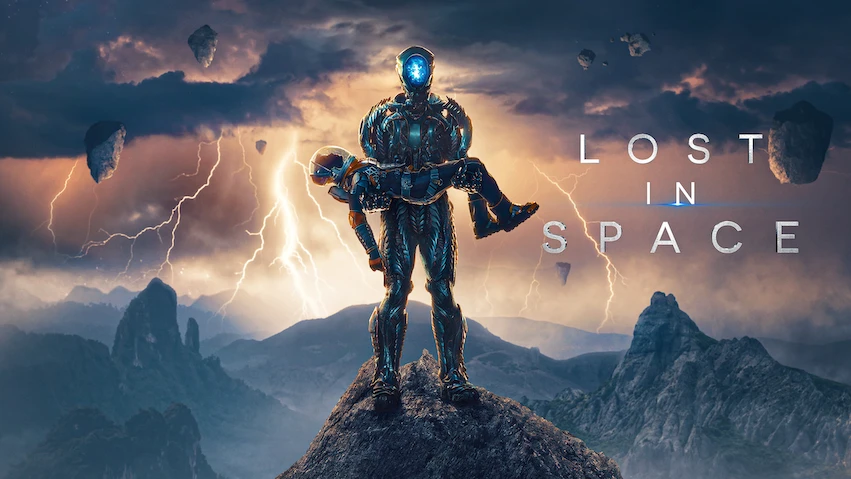
Even as Black and POC representation has slowly but surely increased on screen, it continues to noticeably lag in the sci-fi and fantasy genres. But, thankfully, there are some markers of progress. Take Lost in Space.
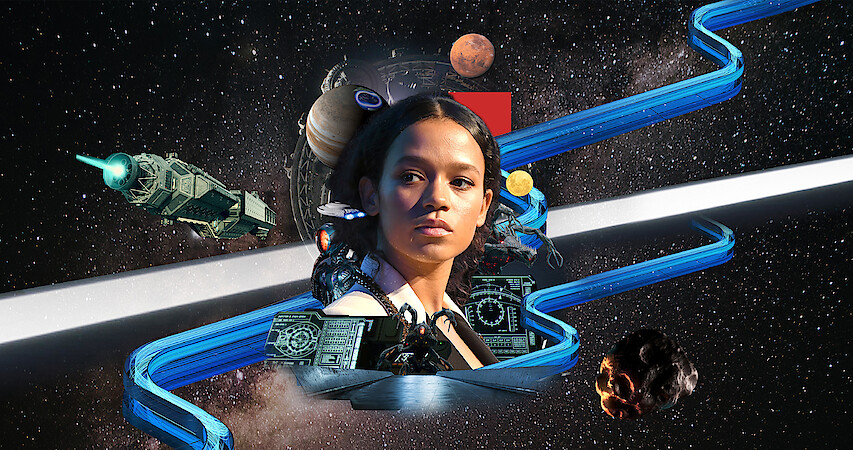
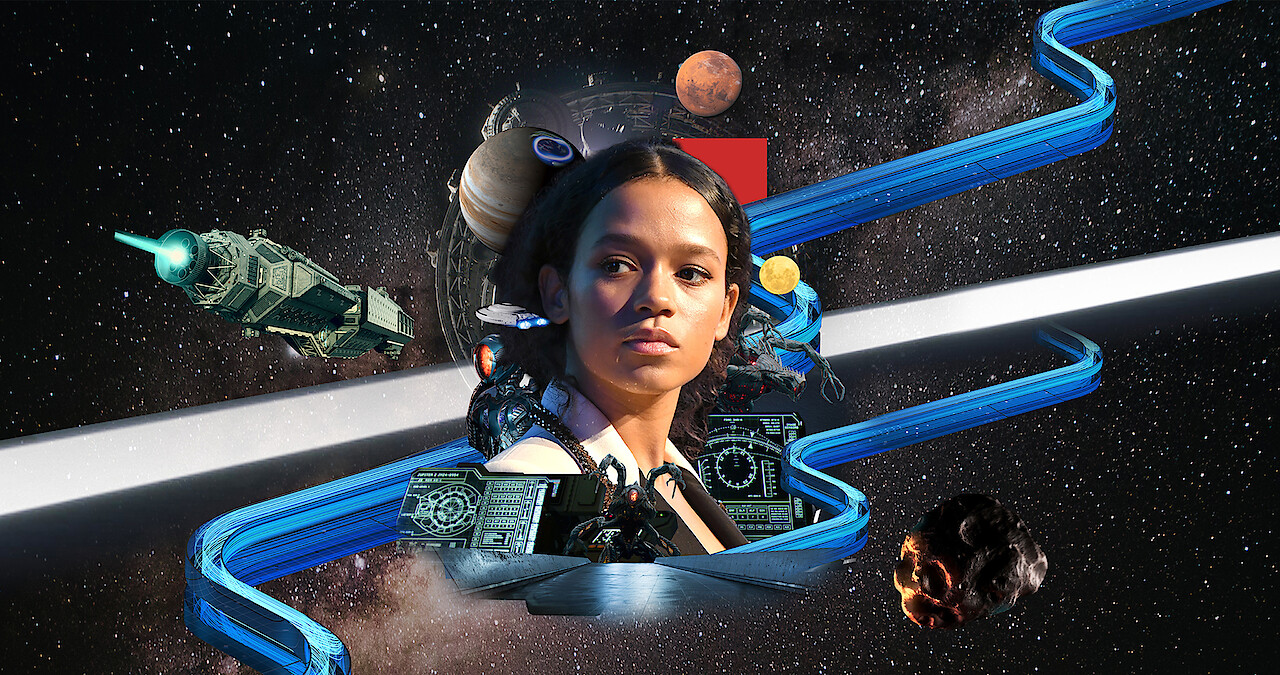
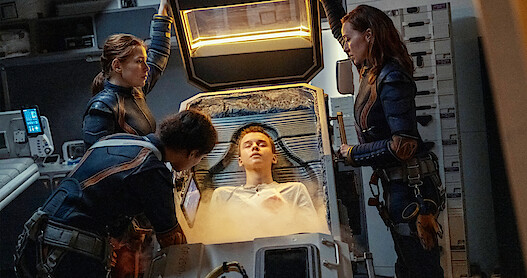
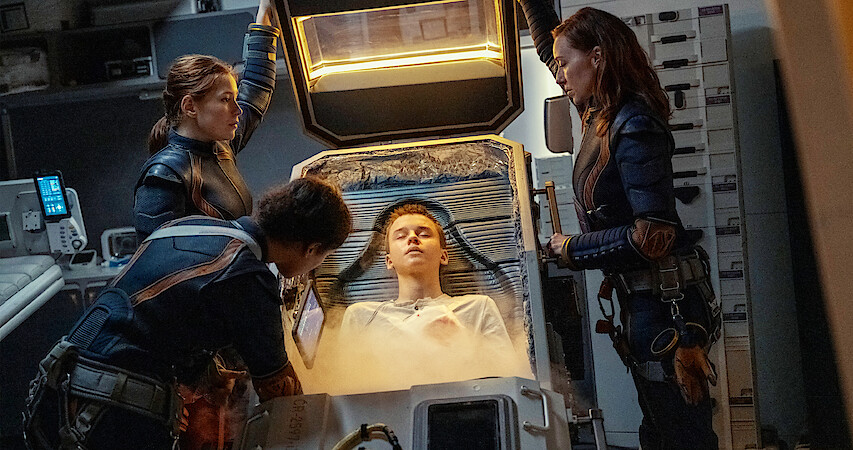
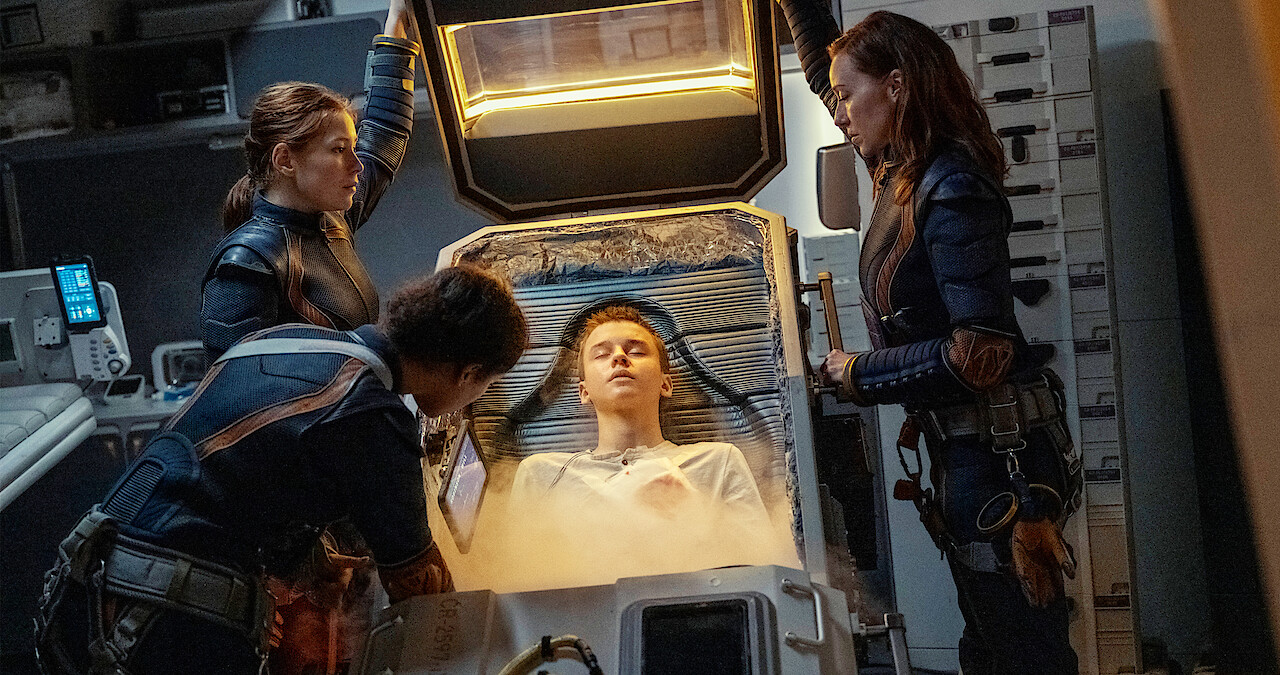
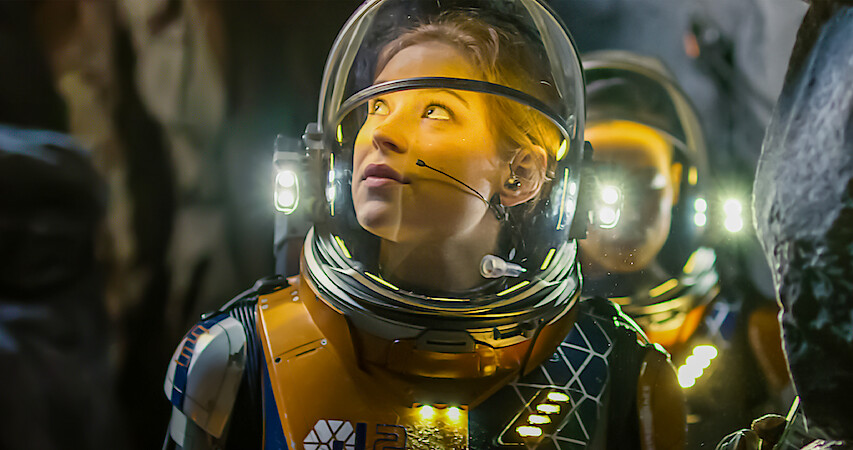
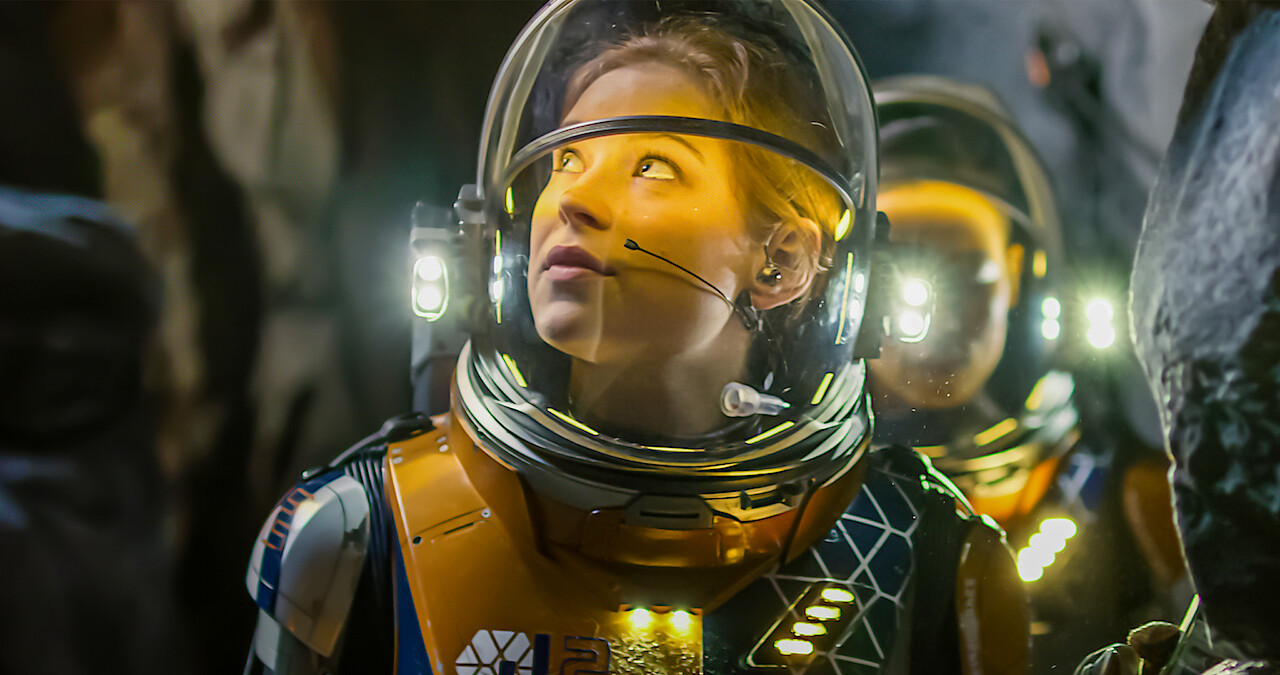
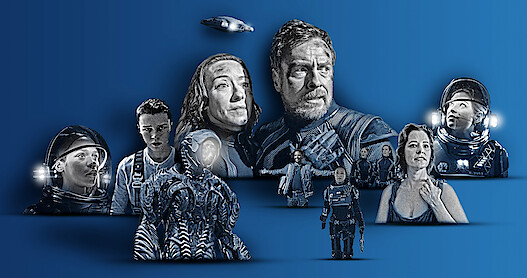
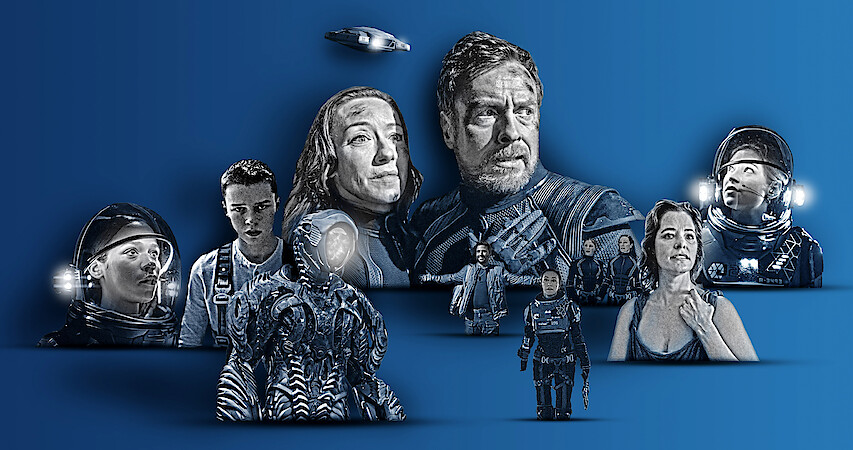
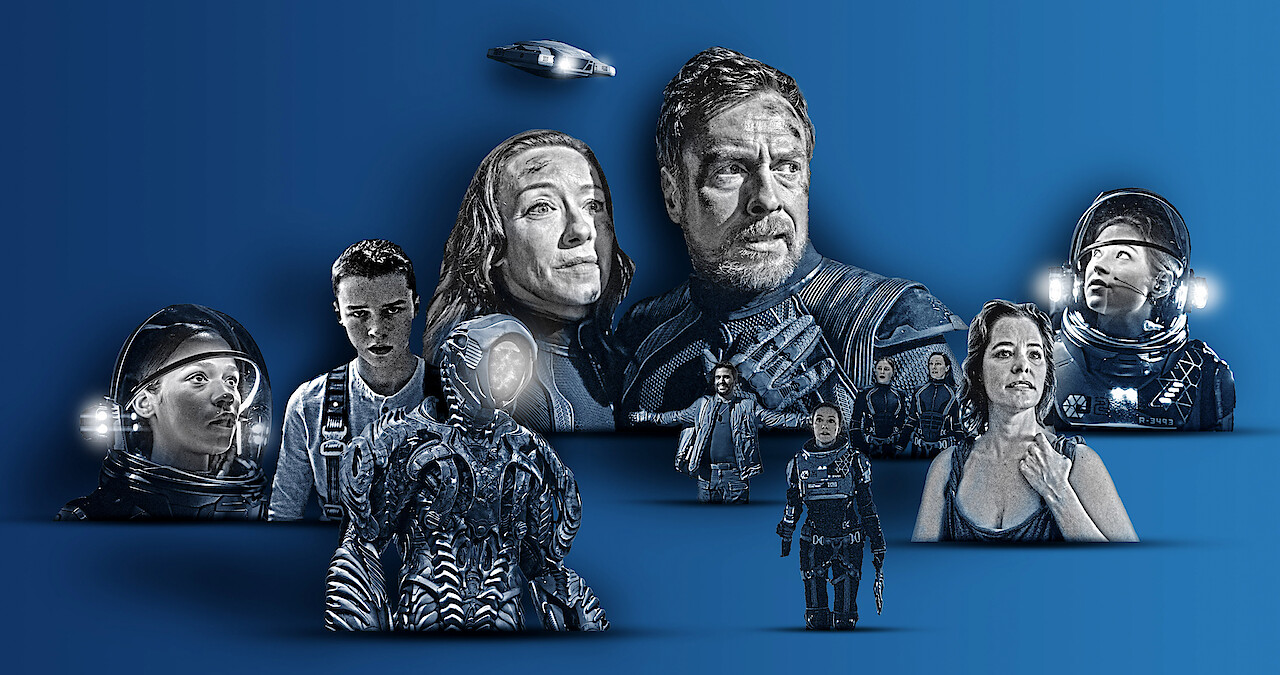
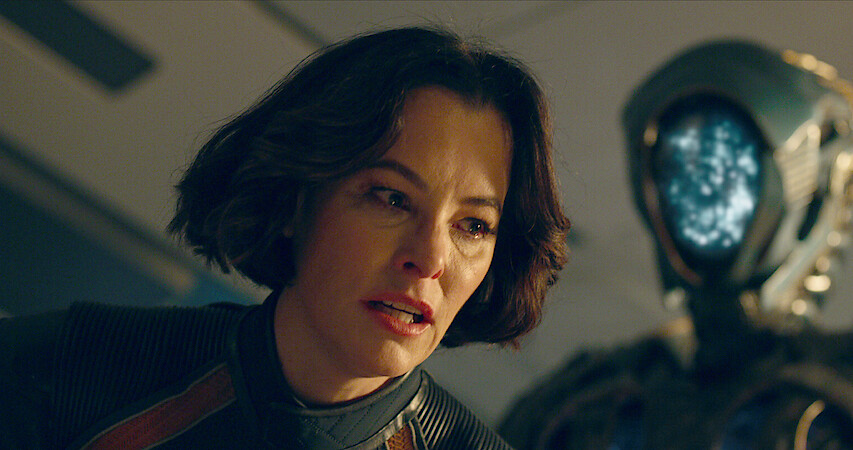
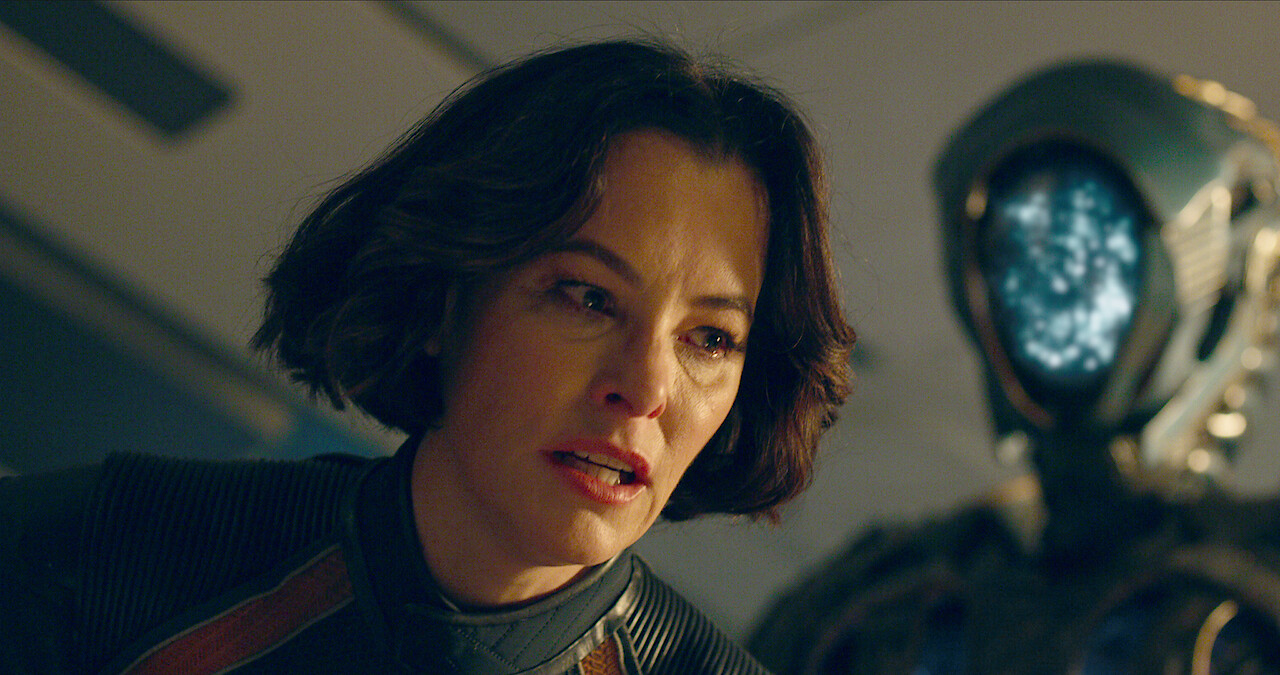
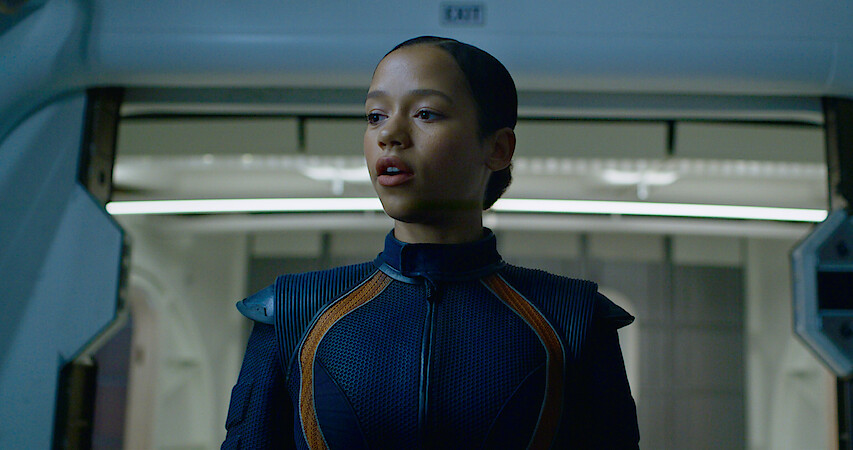
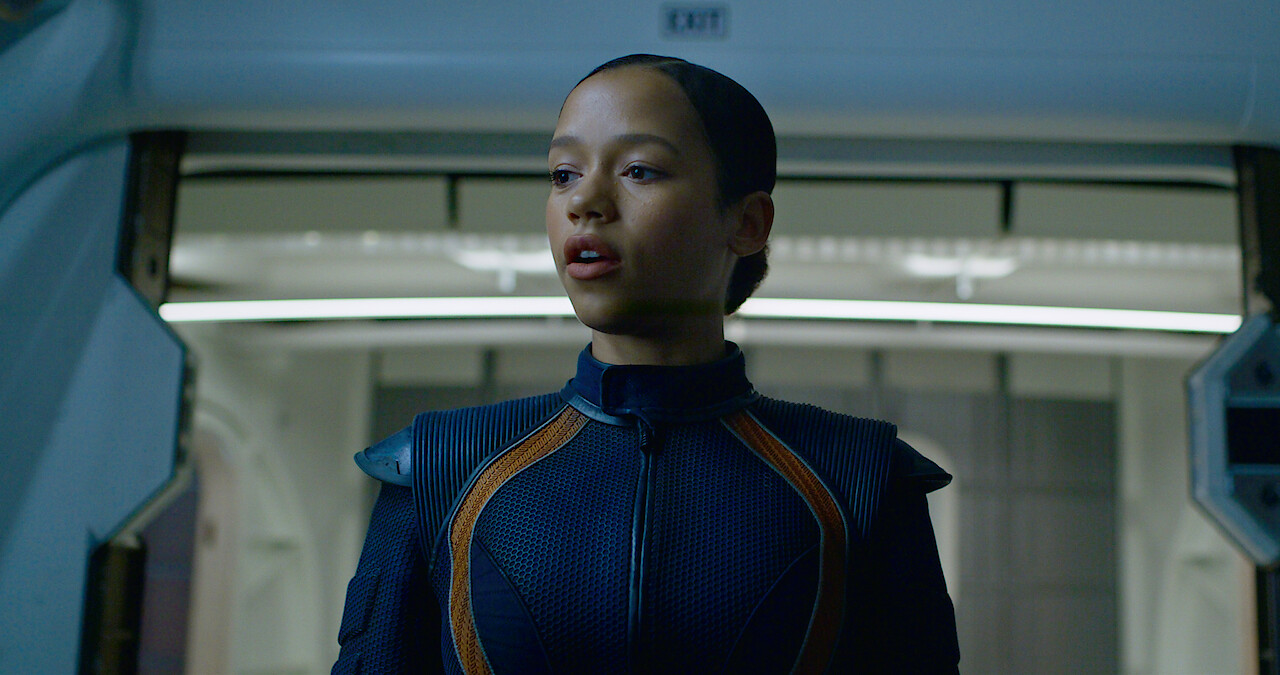
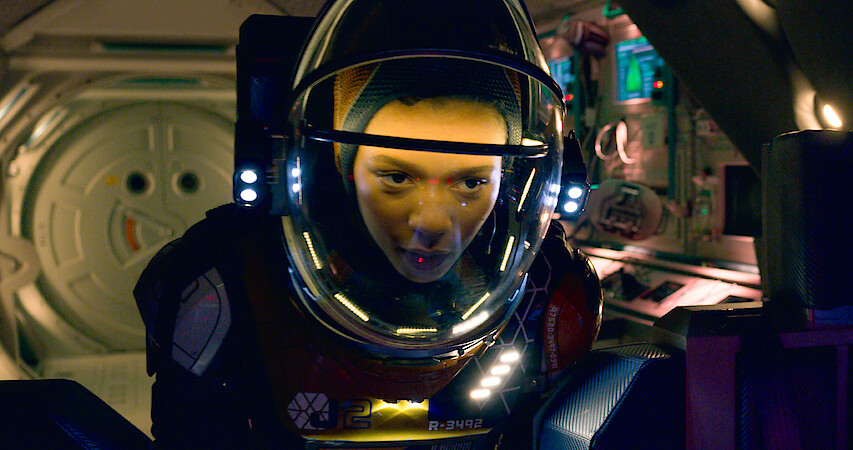
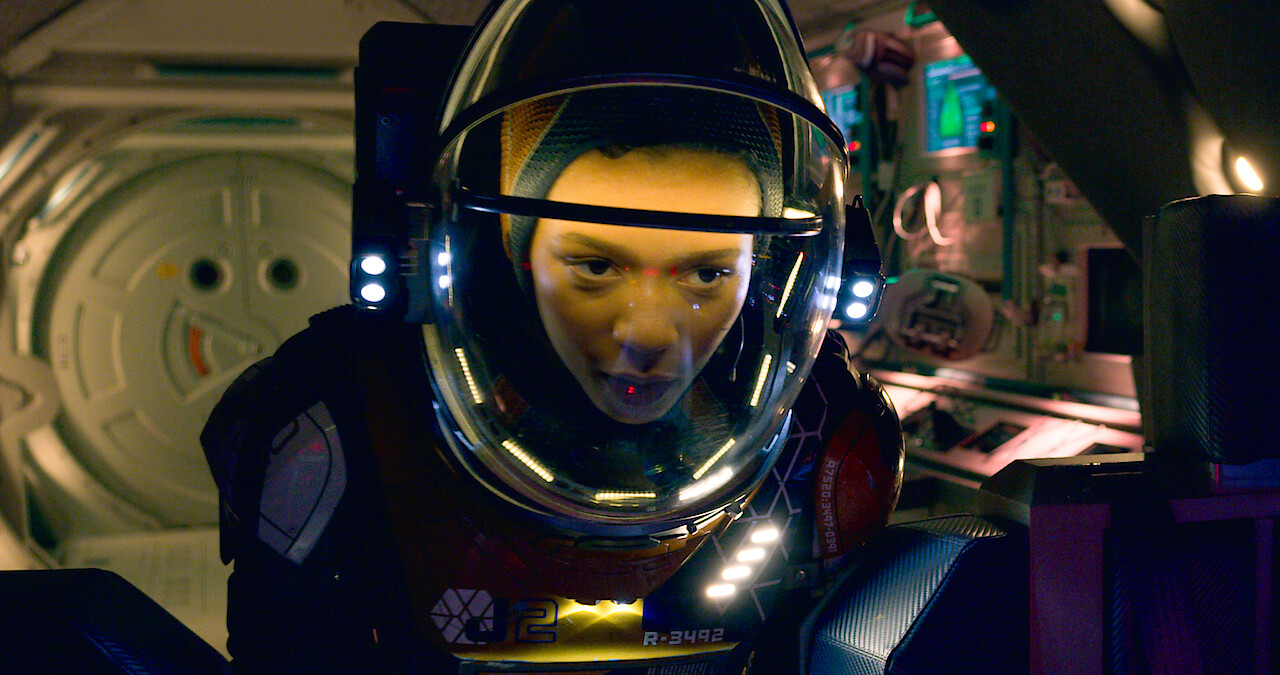
The cast is still mostly white, but there are some important characters of color, including Judy Robinson, the eldest daughter of the series’ central family, portrayed by Taylor Russell.
As a character, Judy represents several different experiences. She represents Black girls who dream of embarking on thrilling and daring adventures beyond Earth’s borders. She also represents viewers who are adopted; Judy is adopted into the Robinson family after her father, Grant Kelly, dies before her birth. This character could also serve as inspiration to Black viewers who rarely see examples of Black people in STEM professions, as Judy takes on the role of flight surgeon, the onboard doctor for an astronaut crew.
Judy’s presence amid sci-fi’s still prevalent focus on whiteness urges viewers of color to keep their dream of having a career in space science alive. Whereas other sci-fi projects might inadvertently tell viewers of color that they can’t see themselves excelling in space (e.g., Star Wars’ hesitance to showcase Black women in its films, unless they are hidden behind CGI or prosthetics, like Lupita Nyong’o as Maz Kanata), Russell’s portrayal of Judy tells viewers the opposite: They can and will make their marks on the universe.
Russell has said she is proud to play a character with so many different facets and meanings for underrepresented audiences.
“I thought I wasn't going to get this part because it was gonna be a family of Caucasian people, but that doesn't mean there can't be somebody that doesn't look like me because families now are blended in so many different ways,” she said to Strong Black Lead. “Nobody is one thing, and so, to have representation, I think it's extremely important, and, hopefully, there will be girls that can see themselves in me and see a strong character and can relate to that. It means a lot... A strong Black lead is anything that [we] want to be because we don't have to fit into boxes.”
Russell belongs to a small (hopefully not for long) but mighty group of Black girls in sci-fi, and says that she’s inspired by her peers like Letitia Wright and Storm Reid who’ve dared to subvert stereotypes of “what Black girls should and shouldn’t be.”
"The great thing about Meg in A Wrinkle In Time [played by Storm Reid] and Shuri in Black Panther [played by Letitia Wright] is that none of them are stereotypes of what a Black girl supposedly is because we're in space and in sci-fi and in worlds where there aren't labels of what Black girls should and shouldn't be," she told The Grio. "Because there are no stereotypes of being 'sassy' or whatever box society puts us in now, we have this beautiful space where we're able to be anything. I love seeing girls who are funny and strong and smart being celebrated. I love seeing more girls like that represented on TV and in movies. It's a huge honor for me, and I don't take it lightly. It holds a really big place in my heart."
It’s important to note that this tide shift in Hollywood doesn’t exist in a vacuum — actors of color have been laying the groundwork for decades, leading to the acceleration we’re seeing now. Before Judy in Lost in Space, there was Gina Torres (as Firefly’s Zoë Washburne), Danai Gurira (as The Walking Dead’s Michonne), and Thandiwe Newton (as Westworld’s Maeve Millay). And perhaps most notably, back in the 1960’s, there was Nichelle Nichols, whose portrayal of Star Trek: The Original Series officer Nyota Uhura showed just how representation on screen can truly have a real-world impact: Nichols used her celebrity to create a foundation that recruited more than 8,000 people of color to NASA. Just as Nichols inspired generations of Black girl Trekkies to enter STEM professions, Russell and her character have the potential to inspire a new generation to reach for the stars — literally and figuratively — by forging a path that ventures beyond the limits of the imagination.