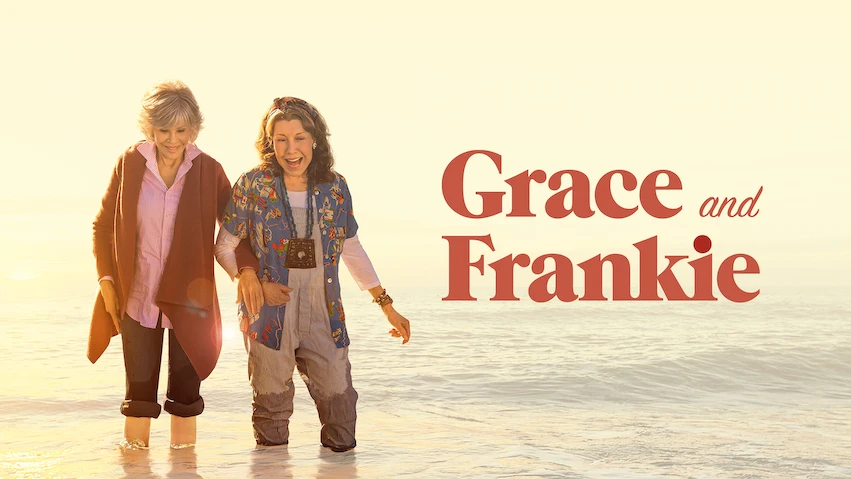
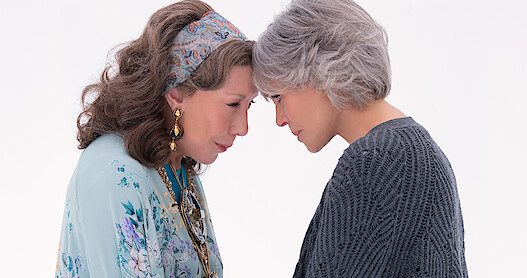
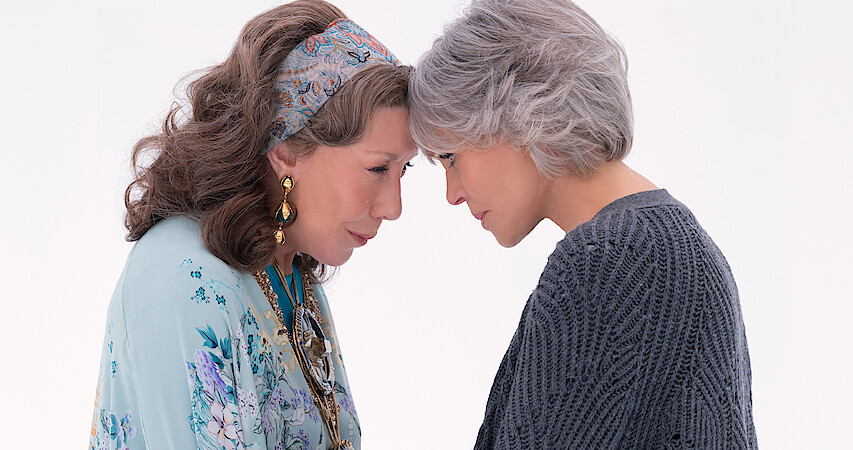
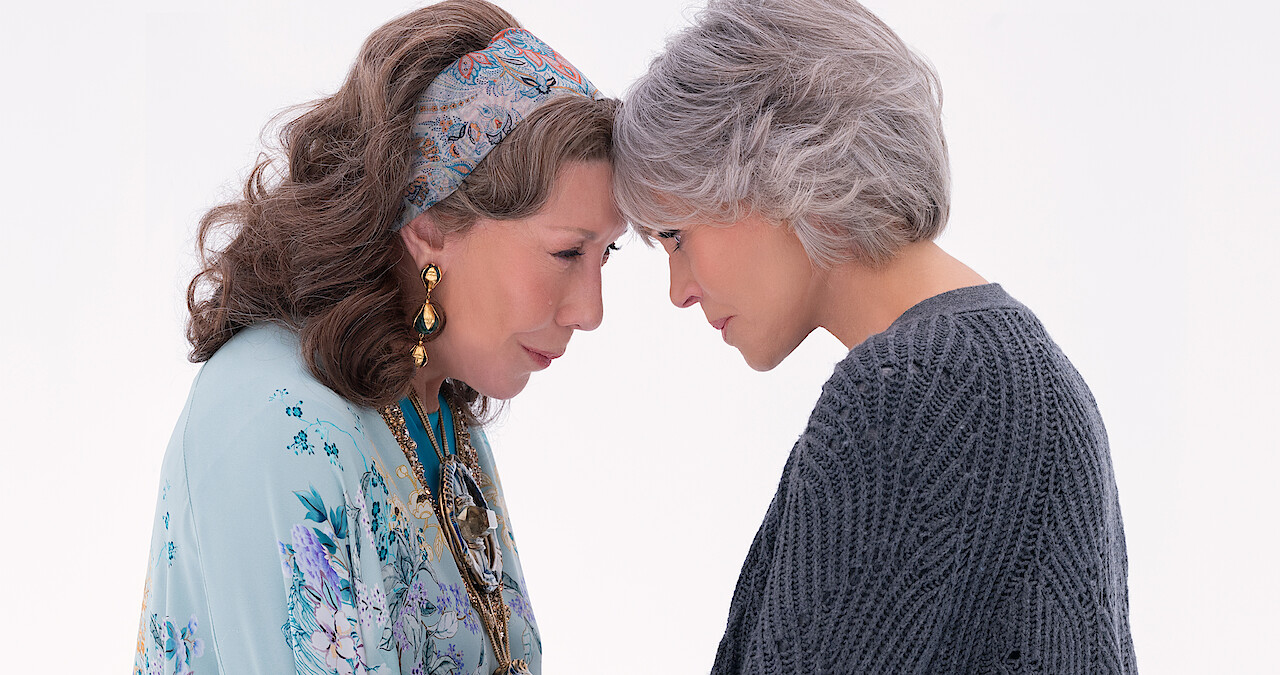
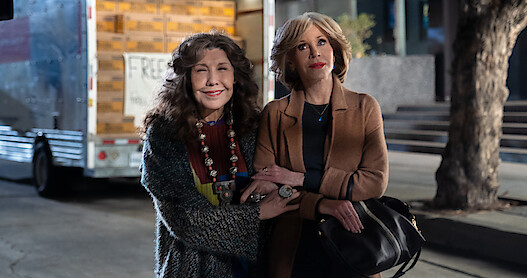
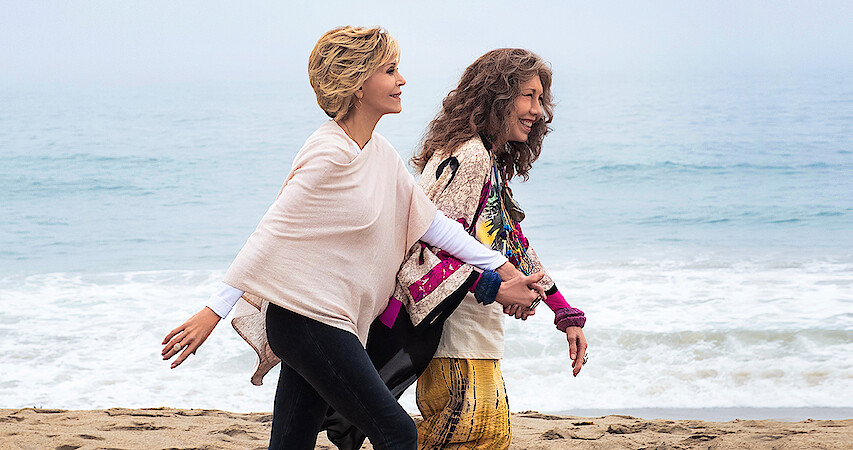
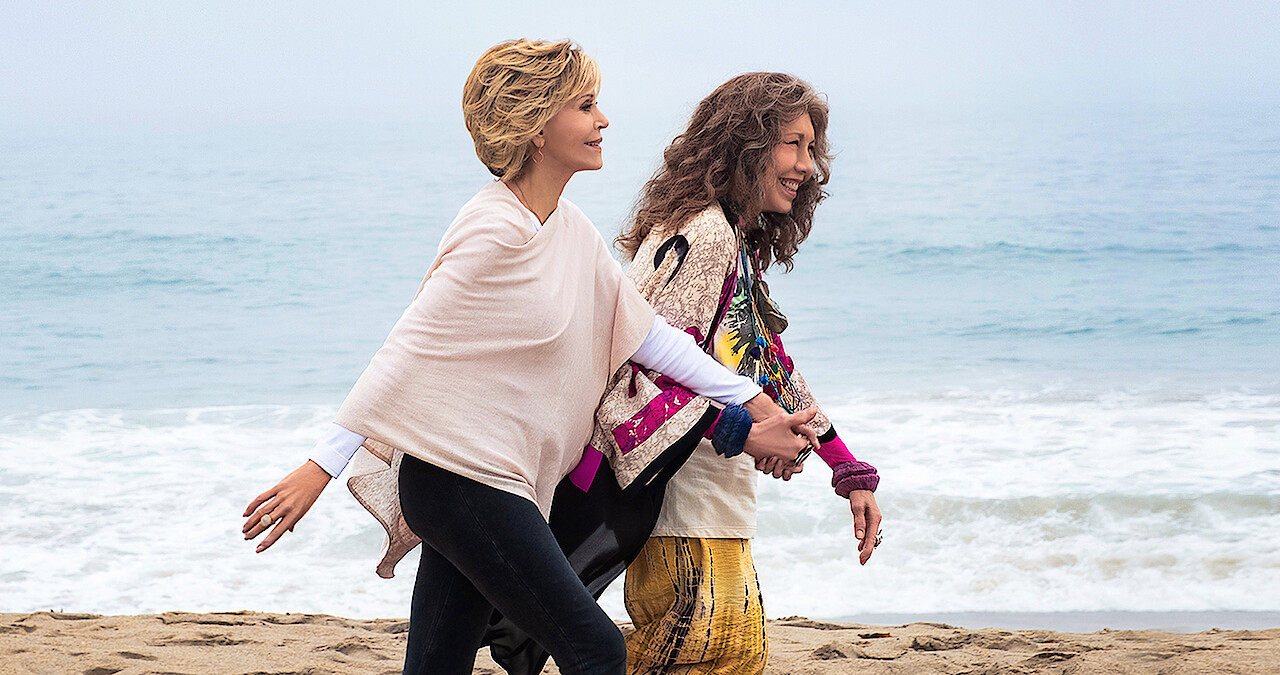
It’s hard to believe, but Grace and Frankie is ending after seven long and fruitful seasons full of love, laughter and senior moments. Over the years, the Jane Fonda–Lily Tomlin comedy pushed boundaries in terms of its subject matter and the breadth of its cast, reminding the world that, despite what other shows and movies might want us to believe, senior citizens are vivacious, capable and even... sexy.
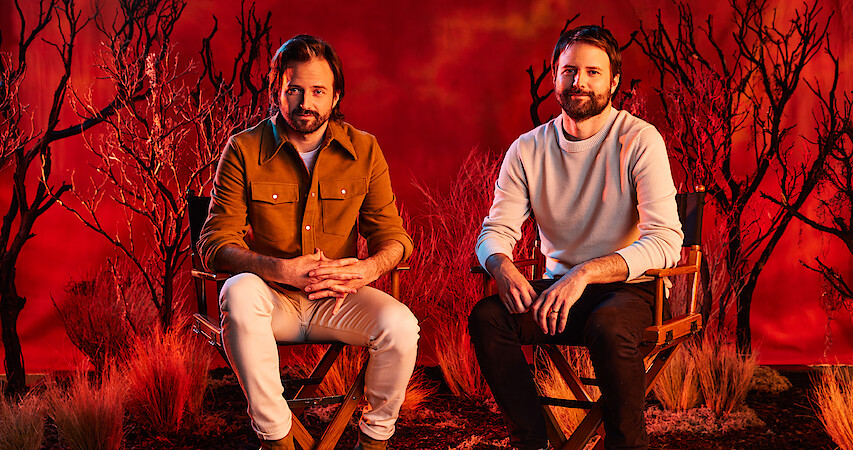
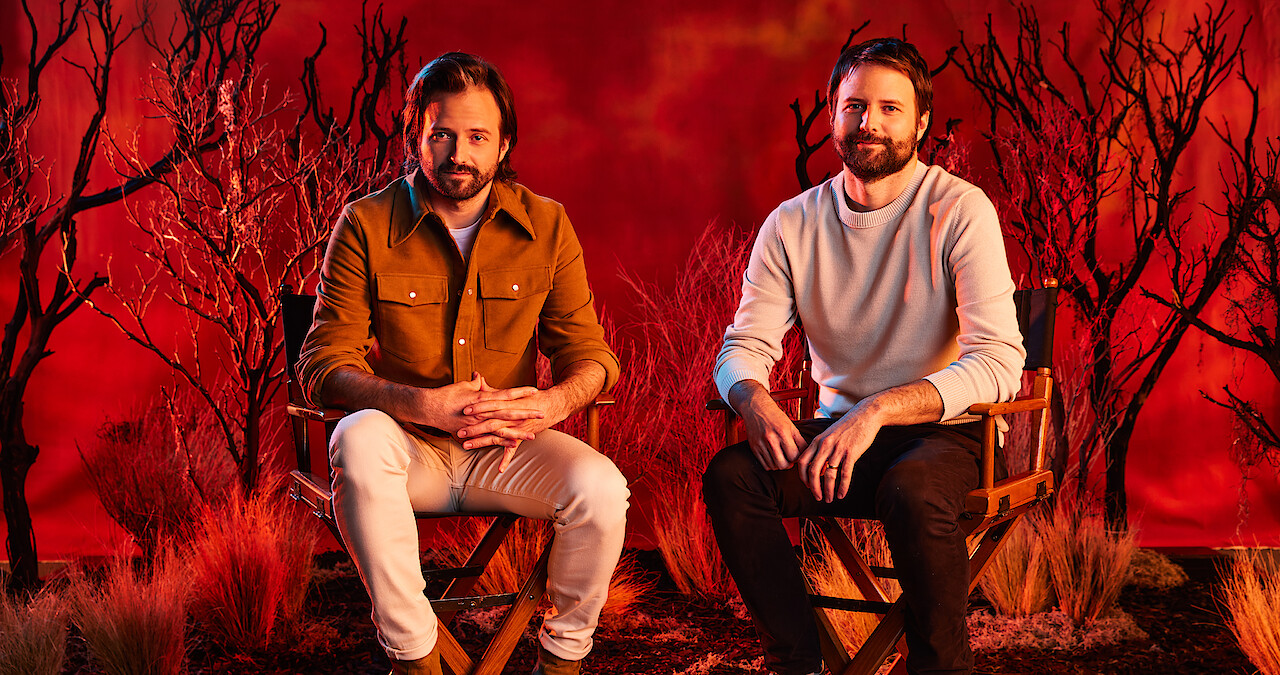
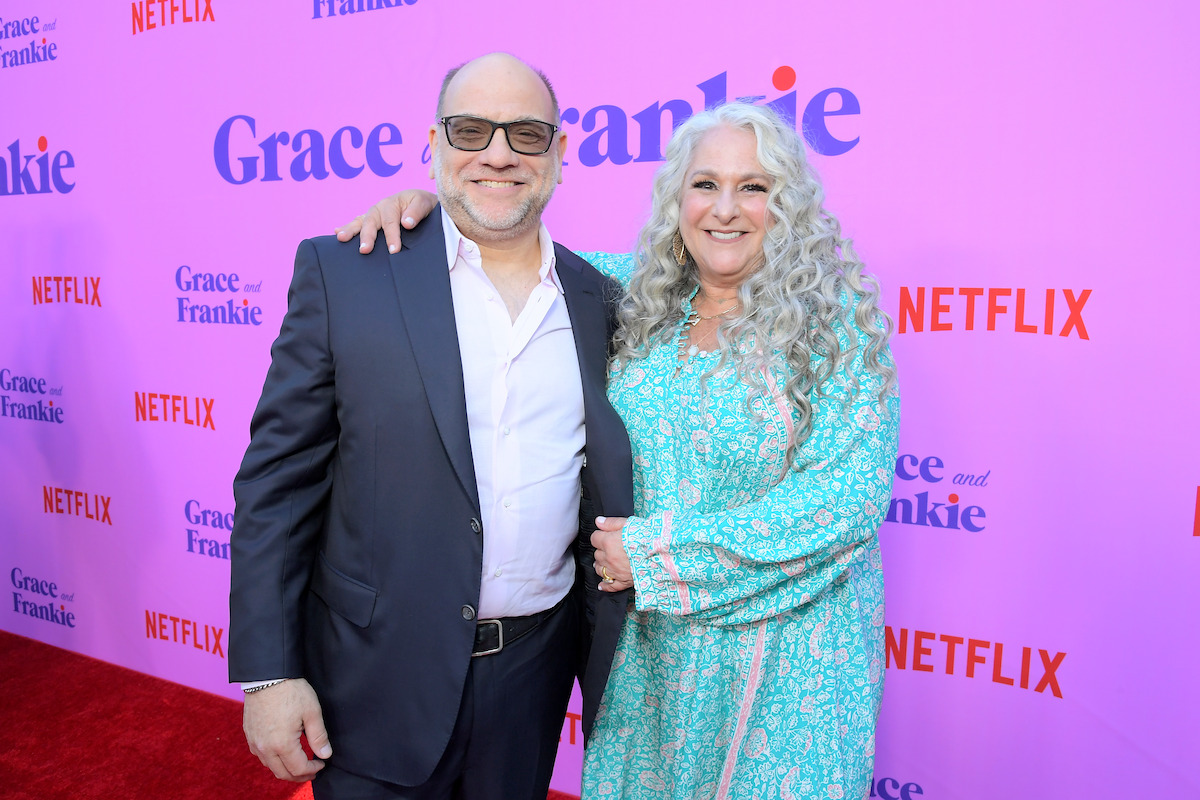
As the show’s co-creators, Marta Kauffman and Howard J. Morris have spent the entirety of Grace and Frankie’s run figuring out how to tackle issues like prescription drug costs, assisted suicide and what it means to come out late in life, all while adding a heavy helping of comedic high jinks to the proceedings. Tudum corralled the pair for a look back at their proudest moments, the hardest nuts the writers’ room had to crack and the legacy they want the show to leave behind.
Looking back on Grace and Frankie after seven seasons, what are you happiest about, and what would you like the show’s legacy to be?
Marta Kauffman: One of the things I’m happiest about is that we had a vision for the show from the beginning; we were able to stick to that vision, and people watched. As for the legacy, my hope is that, for the people who watched, we reminded them that there’s always hope.
Howard J. Morris: I don’t think I could have said that better. It’s the idea of having hope and the idea that you can start your life over at any point. That resonates through the whole series. That’s always been the legacy that’s most important to us: that people feel that or take that away, or that they feel less alone. When things are hard, there’s a light at the end of the tunnel and it’s not always a train.
How do you think that hope manifested itself across the characters? At the beginning for Grace and Frankie, it was certainly about the hope that they could get through the dissolution of their marriages, but how did the idea of hope evolve over the run of the series?
Morris: In a lot of ways, [Grace and Frankie] became the best versions of themselves together. They thrived, and they created these products for women like them. They really became who they were supposed to be when they were together. So, the hope resonated as they changed as people. Frankie learned how to live without Sol, and Grace learned about humanity. It was really about all the ways you can change, not just that you can recover from a marriage ending.
Kauffman: I also think these are women who, at their age, started two businesses. They weren’t letting what other people were saying about them get in the way of what they wanted to do. That gives people hope that you can do things or make change in the world at any age.
The show talked about a number of issues that are of particular concern to older adults, whether it’s being told what you can and can’t do, prescription drug costs, assisted living or even assisted suicide. Why were those important topics for you to cover? They’re not often discussed in the entertainment landscape.
Kauffman: You’re right; they’re not discussed in the entertainment landscape. When we were trying to do a show about women of a certain age, we wanted to make sure that it was always real and that they are dealing with real things in their lives. Assisted suicide is a real thing, not just for people their age, but it’s something that people their age may be dealing with. Even the episode with the gun was a big thing for me. It dealt with the difference between our two characters and how they can come together.
Morris: Even with a difference they couldn’t ever really conquer! They never came out on the same side, but they could still see the other side. What made the show specific was that it always had to have the angle of what these two — and people like them — are going through. You can have a farcical episode, but if it’s connected to something...
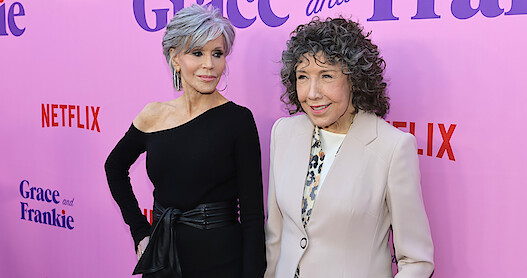
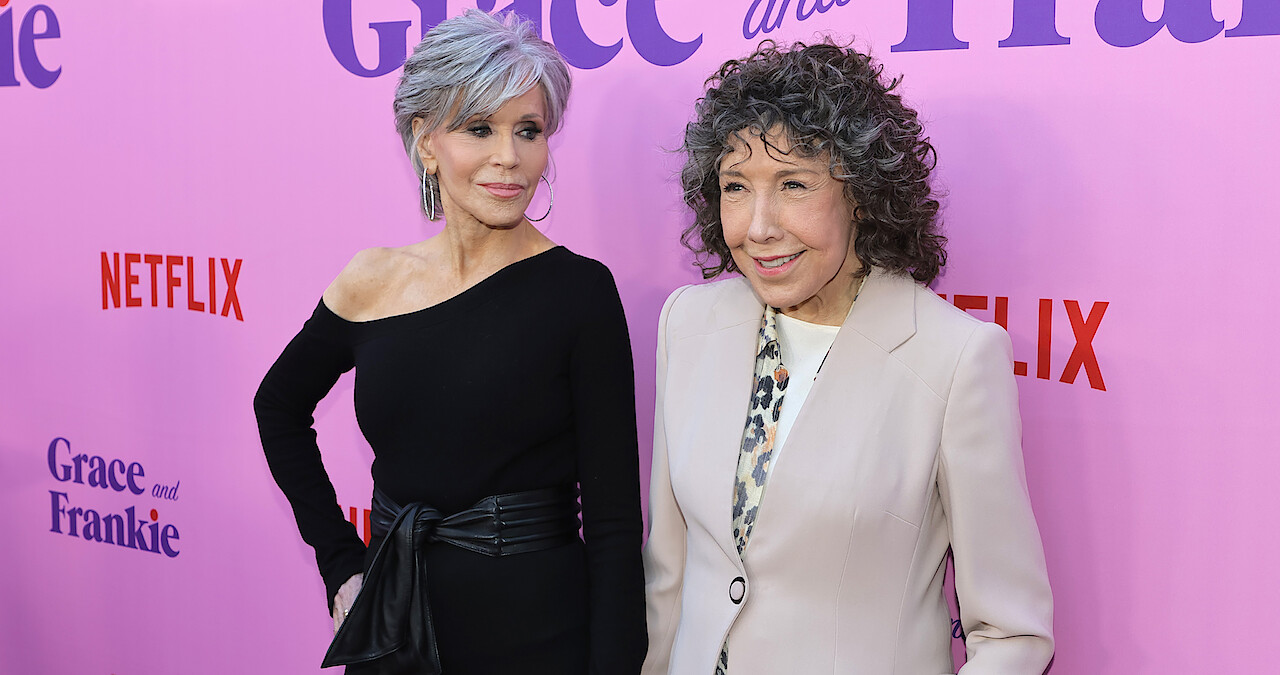
Charley Gallay/Getty Images for Netflix
Kauffman: ... like the crosswalk!
Morris: Yeah, exactly. You can make it crazy, but it’s a real thing. People start to panic with those crosswalks. They’re not made for older people. Or take the idea of them getting drugs out of Mexico. Well, you know, prescription drug prices are a problem. So these are all real things, but we found a way to hopefully make them entertaining and fun.
Sam Waterston’s Sol and Martin Sheen’s Robert are important because we don’t often see older gay male characters in entertainment, nor do we see older gay men in long-term relationships. How do you think the show contributed to the spectrum of gay representation on television?
Kauffman: I think you’re right. There aren’t a lot of older gay couples who’ve just come out. I mean, that was part of it. They just came out seven seasons ago. They’ve lived their whole lives acting as if they were heterosexual. So I think that was one difference between our couple and other couples, and we got to see them navigating the world. But, you know, honestly, what I hoped was that viewers wouldn’t think of them just as a gay couple, but that they could stop with the gay stuff and just look at them as a partnership and a married couple. It’s about the way they support each other and get mad at each other, and you can just stop thinking about how it relates to being gay.
You definitely achieved that. In the last episodes, specifically, you see Sol dealing with Robert’s memory issues, and all I could think as a viewer was how horrible it would be for literally anyone to have to face that.
Morris: They went through a lot of real stuff! Sol had cancer. Robert has memory issues. So, you do realize that, yes, they’re gay and certain things are specific to their sexuality, but other things aren’t.
When the assisted suicide episode first aired back in Season 2, it really got people talking. How did you wrap your heads around that topic in the writers’ room, and why was it so important that you tackle it?
Morris: It was the second season, so it was a lot of years ago now, but with everything, we talk and talk and talk and talk and eventually just figure out how to make it accessible and entertaining, but not sell out the seriousness of the subject. This was a particular one that was very tricky, but it went through the process like everything else. You find the balance between how funny you can go and when it’s time to stop all the jokes, and you just keep trying. We did the same process with everything.
Kauffman: The scripts go through so many rewrites that you do have time to discover. There’s the writer’s first draft, and there’s the drafts we rewrite as a group. Then after the table read, we do another draft. And then sometimes you’re rewriting on the set, or the actors bring something fresh to it, and then sometimes you’re sort of rewriting in the editing room. So it is a long process, building the story.
Were there storylines that the actors were particularly passionate about or that they really identified with or loved?
Kauffman: Well, Lily and Martin loved being stoned together.
Morris: What’s really funny is we have these readings, like all sitcoms, but what was interesting was, often the actors are so busy filming the current episodes, and we have to read it during their lunchtime. So, often, they haven’t had a chance to read the script. So we were always struck watching their reactions to what they were saying and to what the other characters were saying. I can tell you that Sam Waterston found this show to be very funny. Lily would get very emotional sometimes and would surprise us.
Kauffman: Jane and Lily are so game, as are Martin and Sam. They’re game to do whatever it is that we wrote. There were moments where there would be a line here or a line there that they didn’t love that we would rewrite, but really they were game to try anything.
Do you two have favorite days from working on the show that you’ll always remember or scripts that you wrote that you particularly love?
Morris: We have a lot. It’s tough to ask us this question because we get so emotionally invested in every episode, so it’s hard. Every season there were one or two episodes, I think, that we were exceedingly proud of. But ultimately, because you said ‘favorite day,’ for me it was almost every day. We were just talking about this today, but the amount of laughter that we had in the writers’ room or that we had during the readings or that we had onstage... I mean, I was often told to stop laughing because I was ruining the take. That’s what I’ll take away from this, just so much joy.