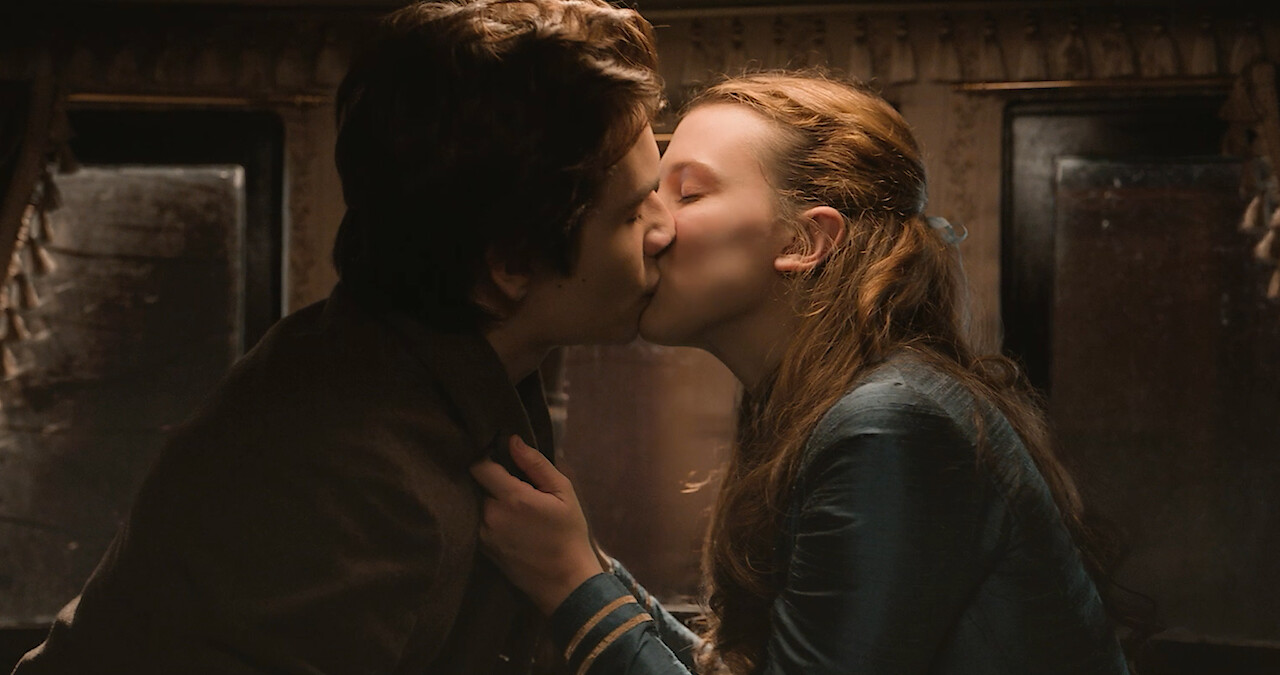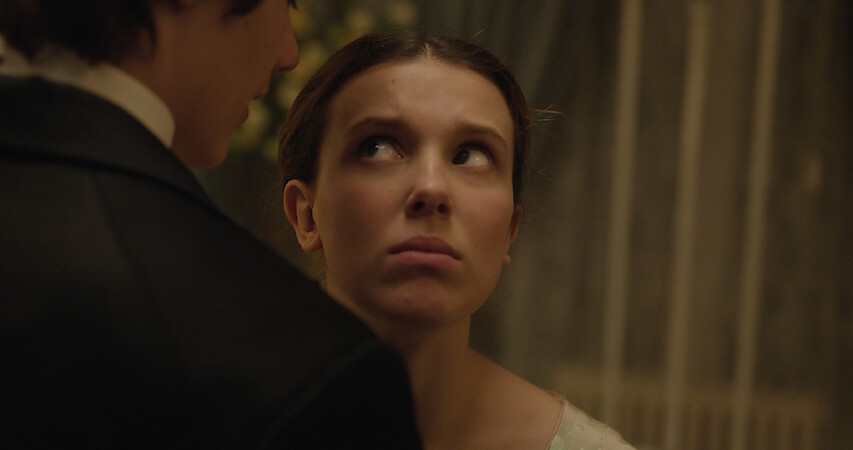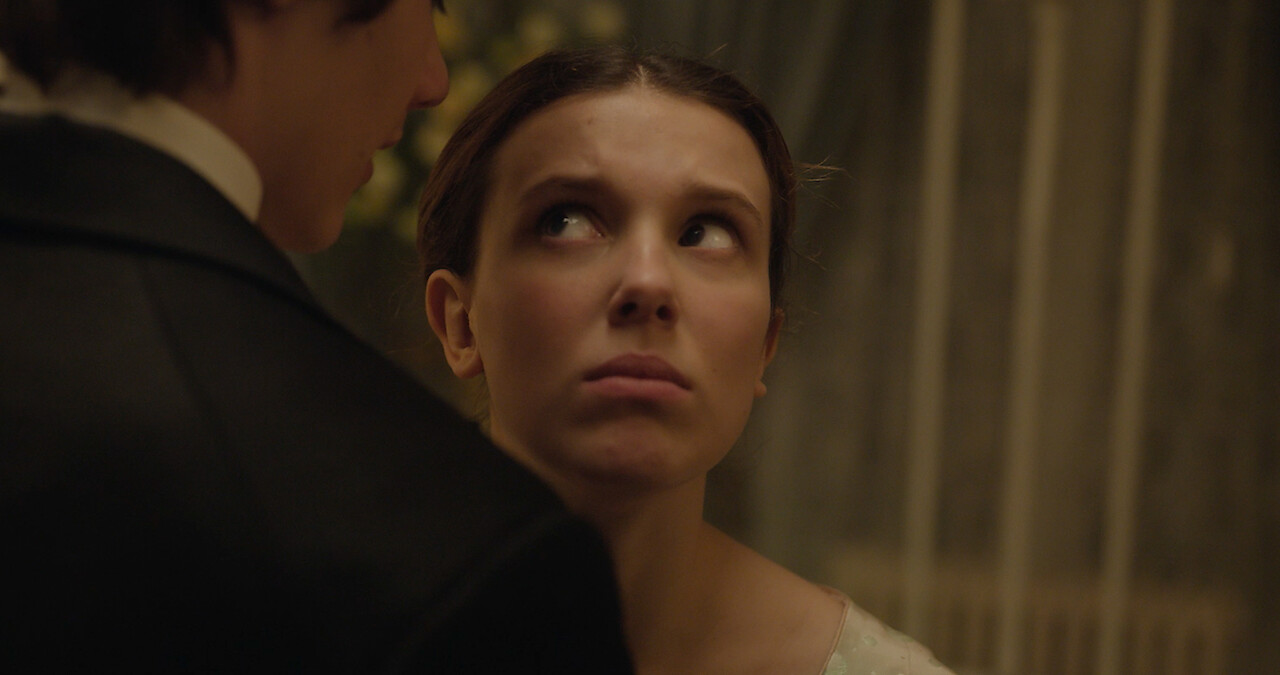
Alex Bailey/Netflix
Up Close
Enola and Sherlock Team Up in ‘Enola Holmes 2’
Two Holmes are better than one.
Nov. 4, 2022
🤐 SPOILER ALERT 🤐
Watch Enola Holmes 2 Now on Netflix
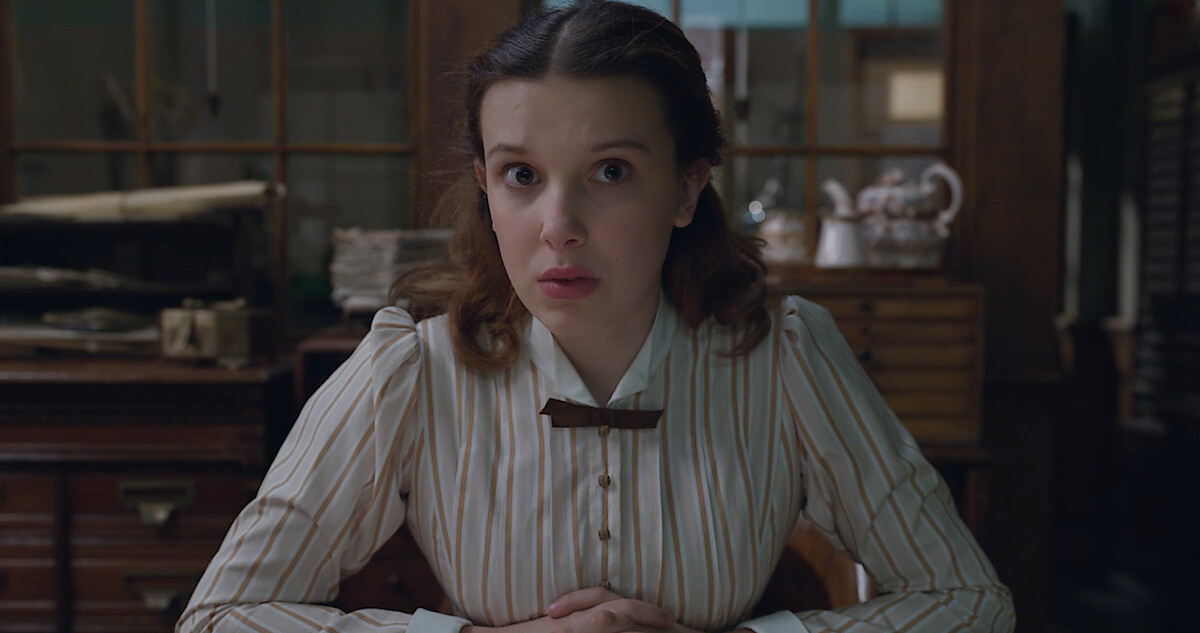
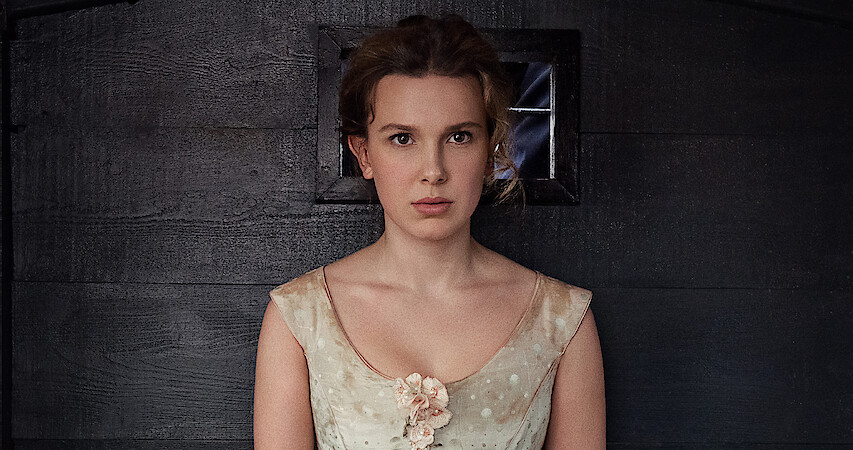
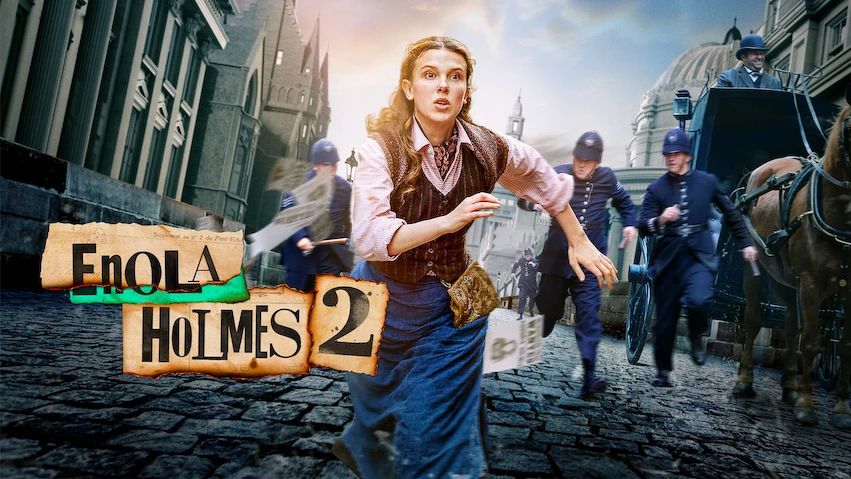
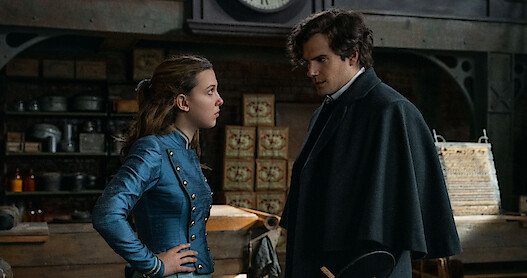
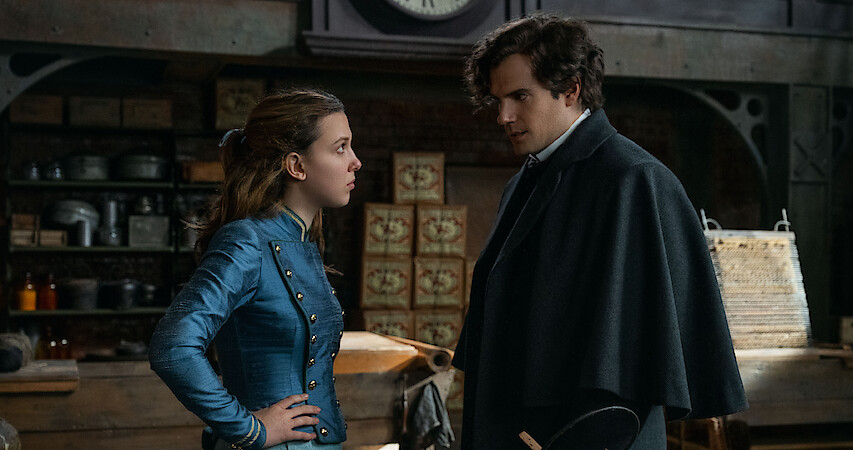
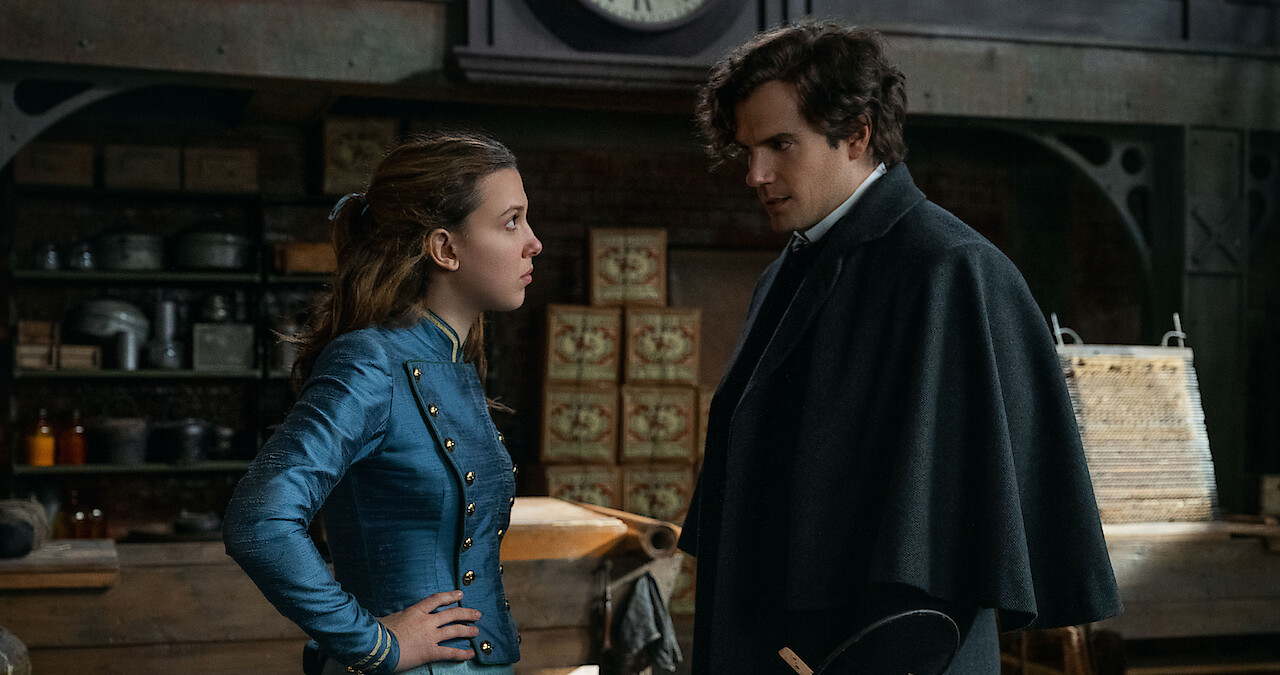
If there was one thing every Enola Holmes fan was asking for after the film debuted in 2020, it was for a team-up between Enola (Millie Bobby Brown) and her older, infamous brother Sherlock (Henry Cavill) in a sequel. (Sorry, Mycroft.)
“There was sort of a clamor for it after the first film,” director Harry Bradbeer tells Tudum. “One of the things [the audience] wanted more than anything else was that Sherlock and Enola could solve a crime together. So we took that to heart and set about a plot.”
Brown will be the first to note, however, that Enola and Sherlock do not exactly “team up” in Enola Holmes 2. “Enola led her own case, and he helped along the way, occasionally.”
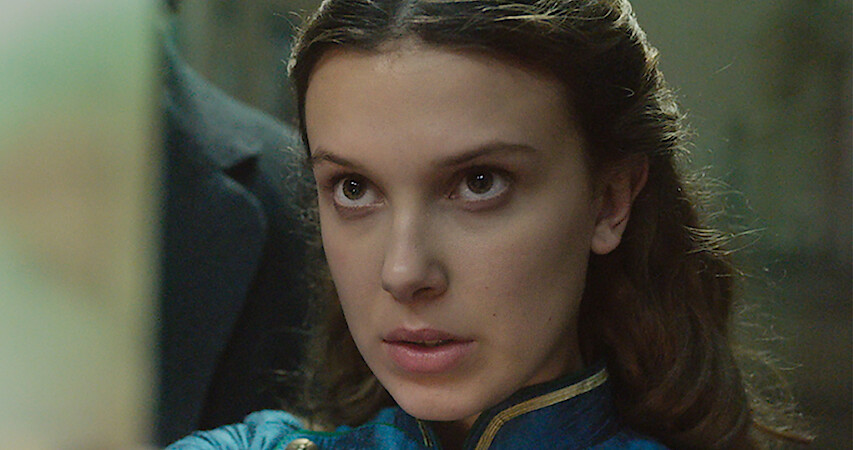
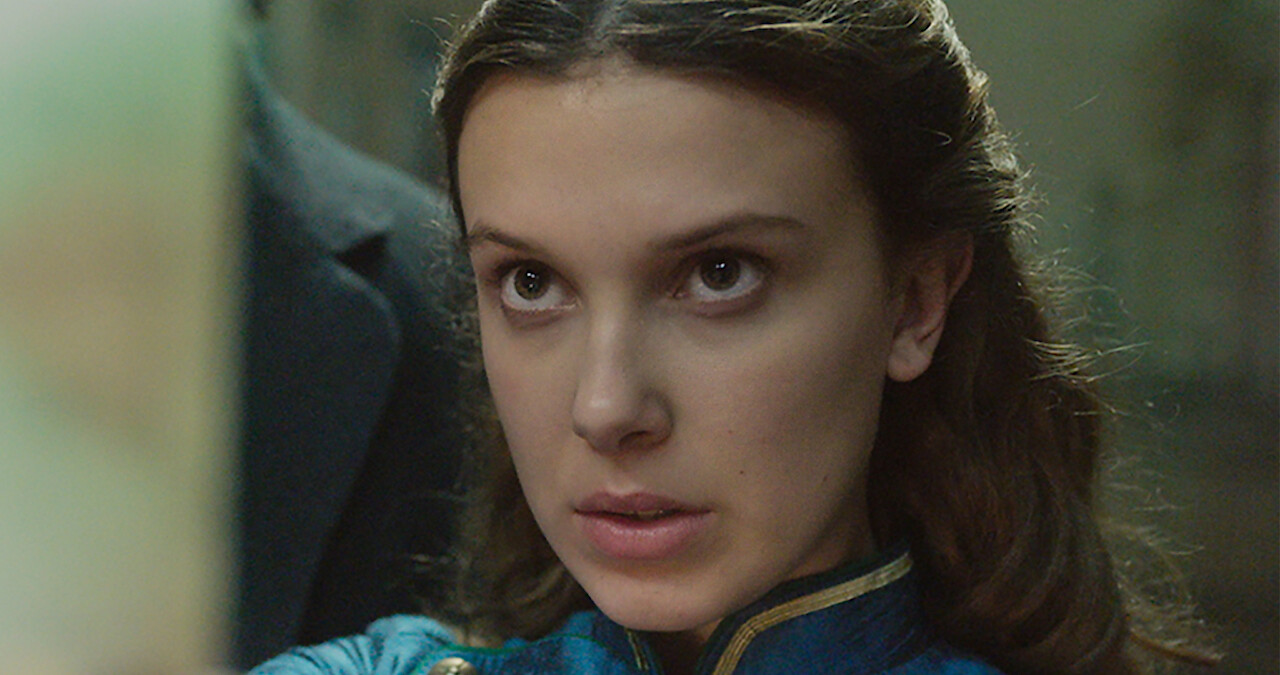
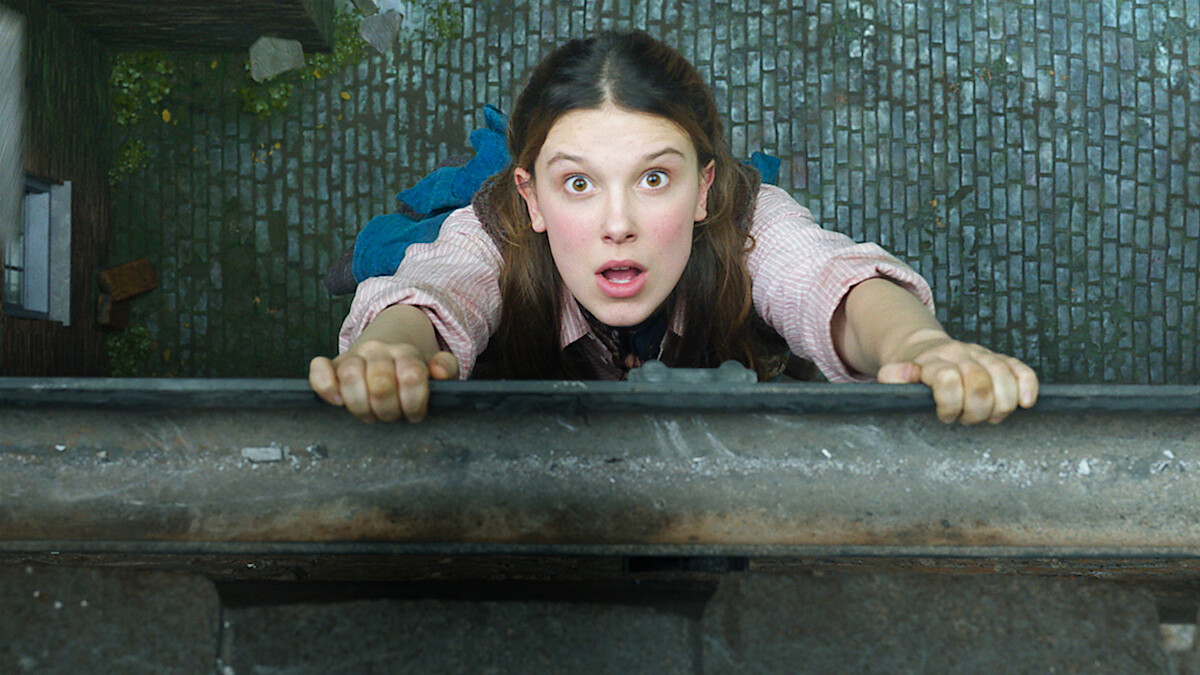
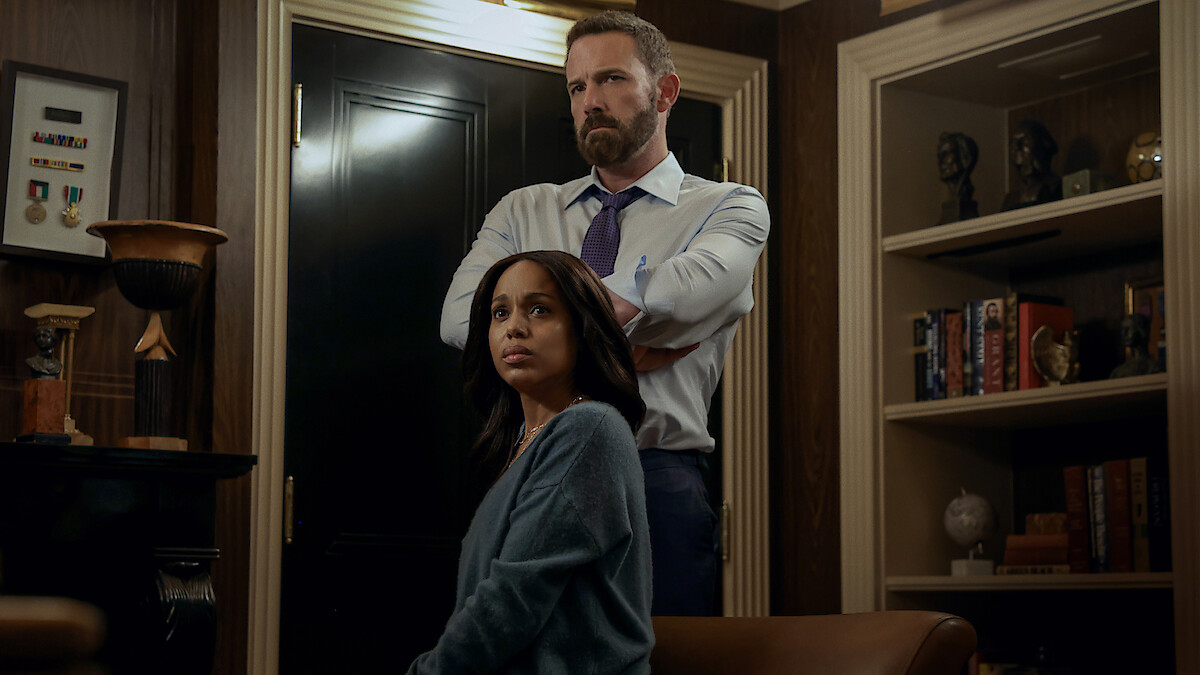
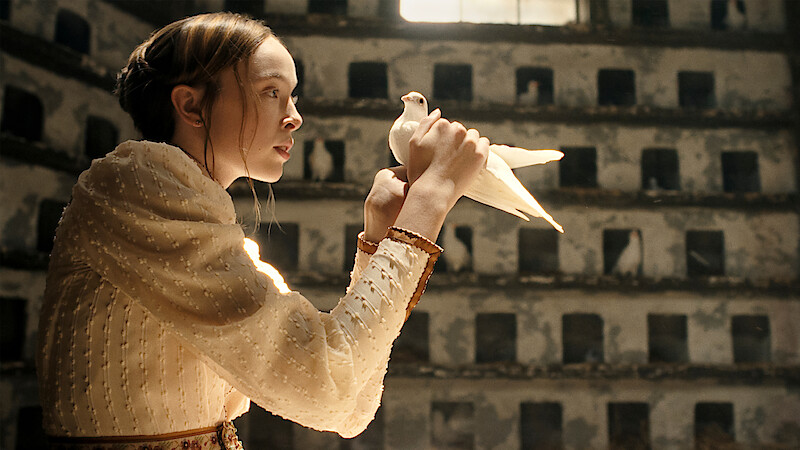
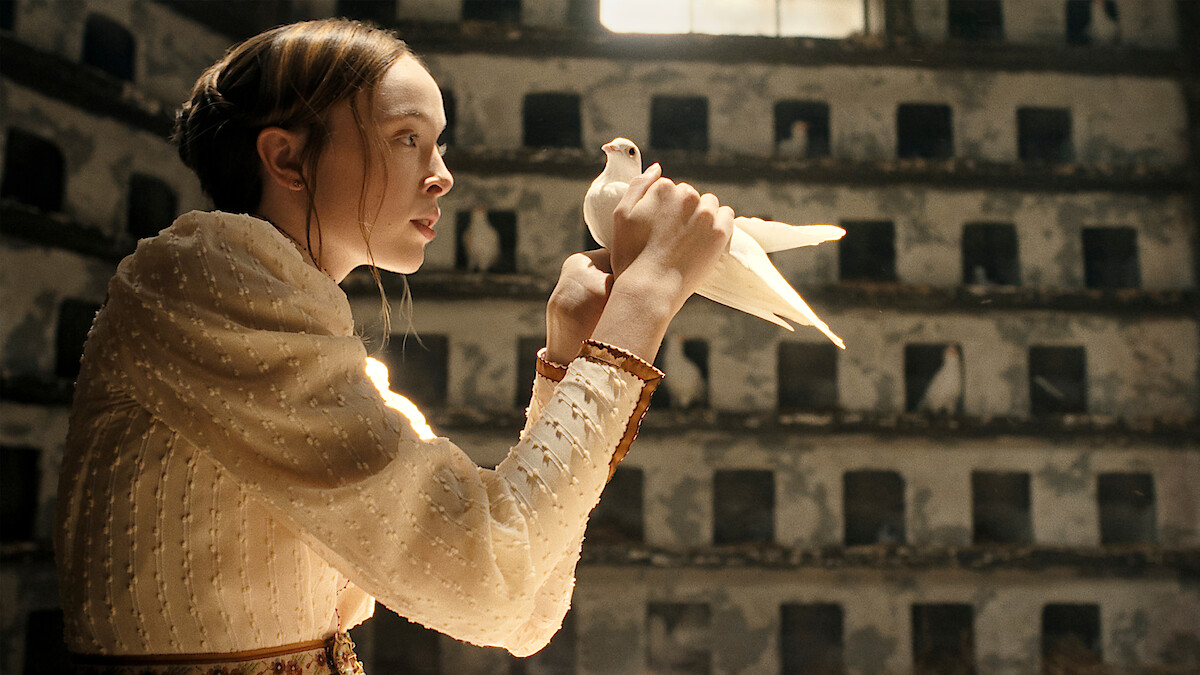
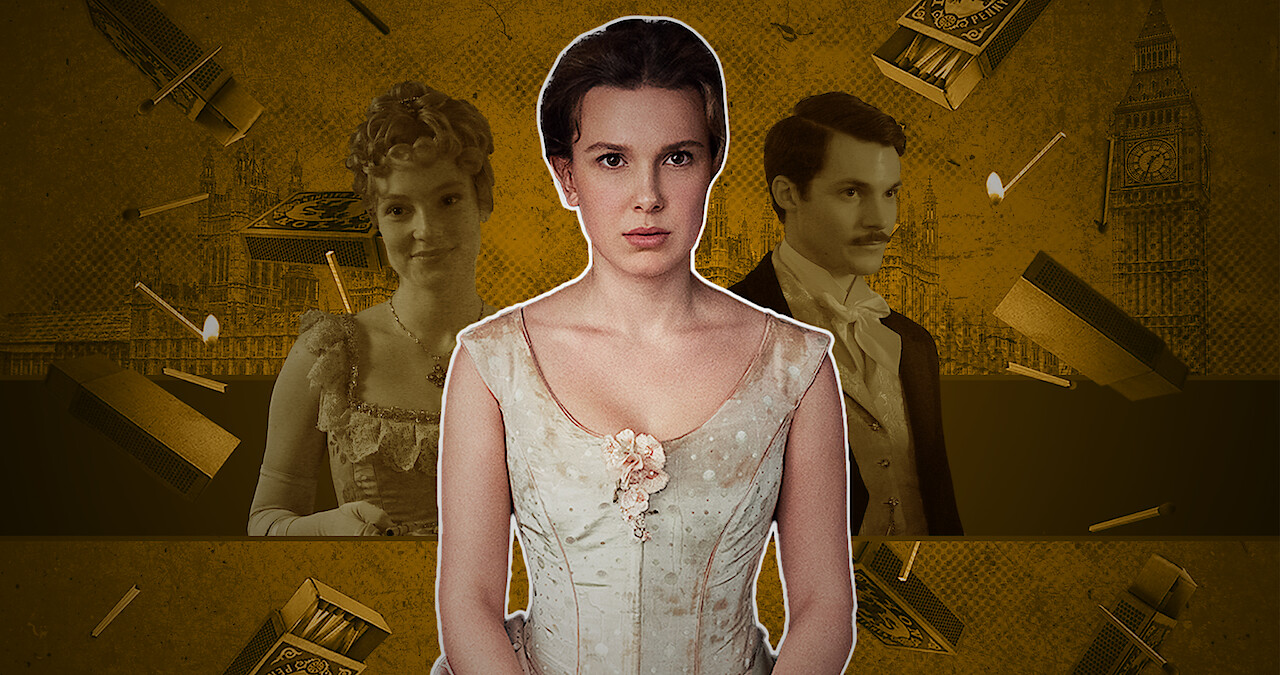
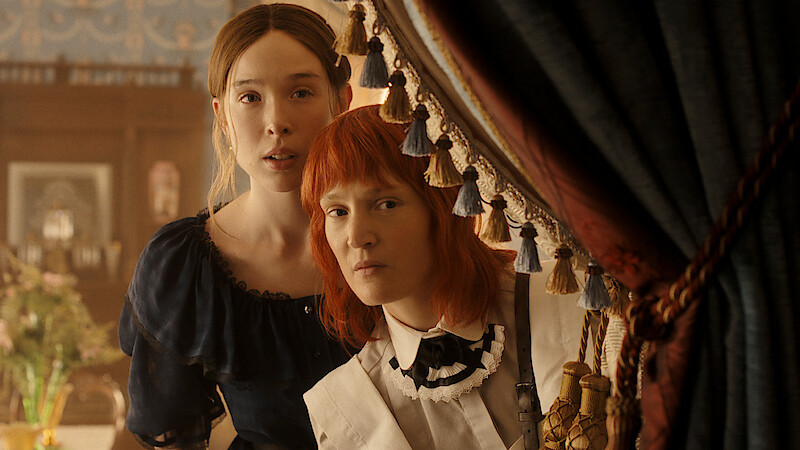
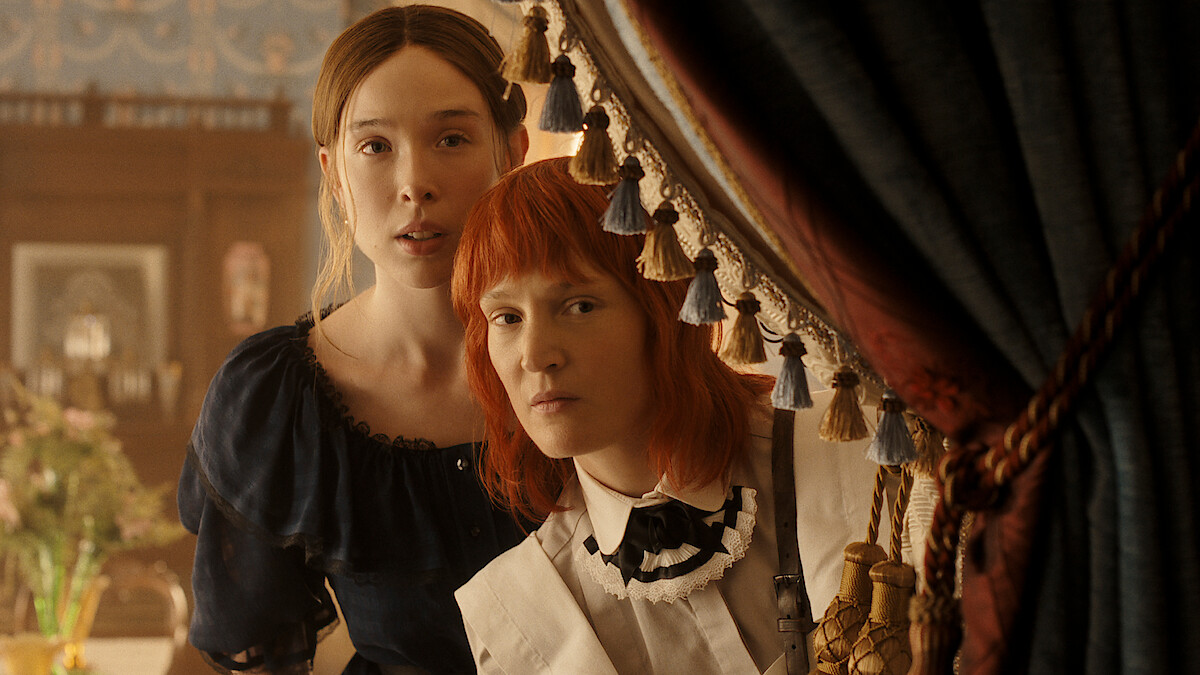
A fair point, indeed, as in Enola Holmes 2, Enola starts her own detective agency, taking on the hunt for a missing match girl from the Lyon Match Factory as her first case. Meanwhile, Sherlock is feeling flummoxed in his search for a bank thief — and then the clever siblings’ cases just so happen to intertwine.
But Brown recognizes that “people really liked seeing Henry and I come together and actually solve the case together,” which is a departure from the first film, where Enola is mainly investigating on her own and embracing the meaning of the reverse spelling of her name: “alone.”
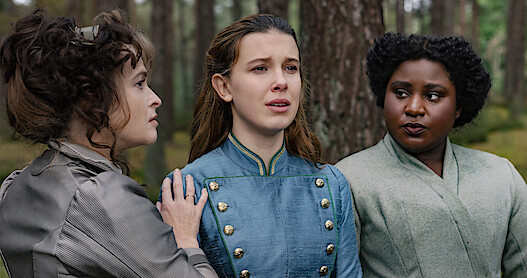
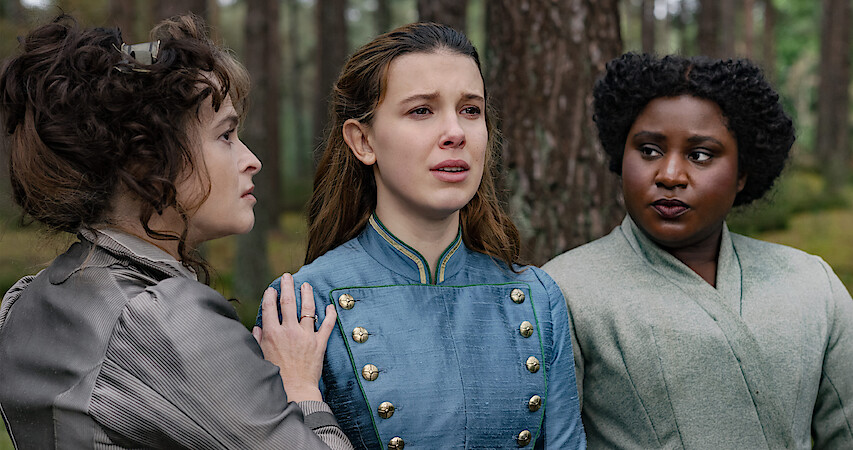
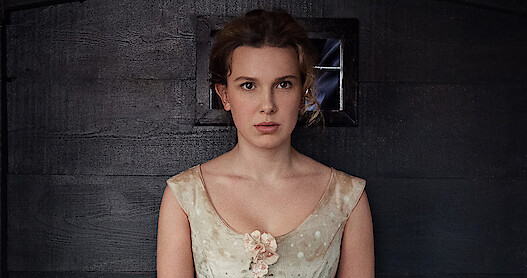
In the original Enola Holmes, we see how Enola didn’t really grow up with her older brothers, so they only start to get to know each other once their mother Eudoria (Helena Bonham Carter) goes missing. As Enola and Sherlock embark on their own separate searches for her, Sherlock realizes that he’s spent his life apart from his brilliant 16-year-old sister, something he regrets as he begins to warm to her — so much so that he takes her on as his ward.
Cavill explains how in the first film, Sherlock acts as a catalyst for Enola’s growth and in turn, she helps him gain some of that perspective. “In the first movie, you have an Enola who is bombastic and eccentric and raised by such a mischievous, wicked mother. But she’s still cloistered. She has no world experience. And so, Sherlock turns up, and he’s the guy with the wisdom,” he says.
But with Enola living and working on her own nearby in Victorian London, the second film offers a role reversal for the duo, which intrigued Cavill. “In this movie, we have Enola being the wise one, Enola being the one who teaches him all the lessons. And she is the catalyst for his growth,” he tells Tudum. “I think that’s a wonderful message to impart, especially to people out there, that it’s not always the older sibling who’s the wise one. It’s not always the older sibling who’s giving me advice. And I’m both. I’m both an older sibling and a younger sibling. It’s so true to life that wisdom comes from all places, and it’s really important to keep your ears and your heart open.”
That spark of chemistry (and contrast) between Brown and Cavill in the first film presented “such a fun opportunity” to Bradbeer and screenwriter Jack Thorne (who together came up with the idea for the team-up in the sequel) to create a challenging plot that really put the characters under pressure but respects their individual natures. “And that’s why they only really start to work together once they meet again in the factory. But again, they’re all working in their own way. We don’t compromise Enola’s spirit. Sherlock doesn’t sit on it. He admires it and uses it as she uses him.”
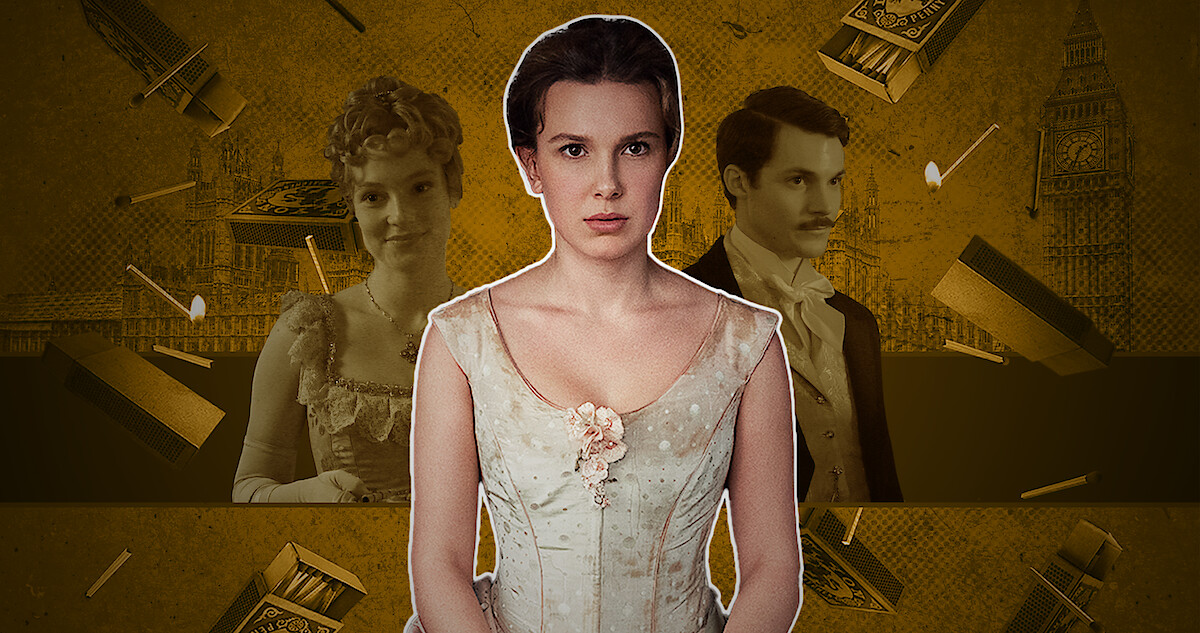
To that end, Bradbeer and Thorne were eager to see Enola be able to mine a whole world buried within Sherlock. She’s driven by the desire to help people, whereas he is more cerebral. “She opened up a door in him emotionally,” Bradbeer says of the pairing.
“Sherlock can ground Enola and make her more of an introvert and just stay inward and keep her thoughts to herself on occasion,” Brown explains. “And Enola does the opposite for Sherlock and brings him out of his shell, which is what he needs.”
Cavill echoes that this more vulnerable iteration of Sherlock called to him when he read the first film’s script, in which it’s revealed that within Sherlock there was a very painful place that had been locked away by logic and reason. “We found these extraordinary parallels between Sherlock’s upbringing and Enola’s upbringing, and how it was different from Mycroft’s and why, therefore, they had a connection.”
And the one person he chooses to share that locked-away place with, “or at least open a crack of a window to it every now and again,” is with Enola, which goes to show just how much they value each other, find comfort in each other and, in a way, see themselves reflected in each other. It’s the reason Sherlock fears she’ll grow up to be like him: ingenious, but lonely.
Brown adds that Enola and Sherlock’s connection does come from how their mother raised them similarly, and is glad they both help each other to fulfill their mother’s wish for them to find allies — in each other and their community — rather than remain closed off. “I think she definitely takes the note on board, which is a good note, and a really good message is to say that you can pave your own path on your own and have your own autonomy, but you can ask others to join that journey with you.”
Still, as Bradbeer notes, in all great stories of change, “You never go willingly to the thing you need. You never go willingly to the thing that cures you or helps you. You don’t realize you’ve got a problem. You think you’re probably fine on your own.”
This growing pain reaches a make-or-break moment for both the siblings when Sherlock asks Enola to be his partner in detective sleuthing, a major move on the part of someone who fears vulnerability and a major offer for someone who has idolized him all her life. But in her rejection lies a very important lesson.
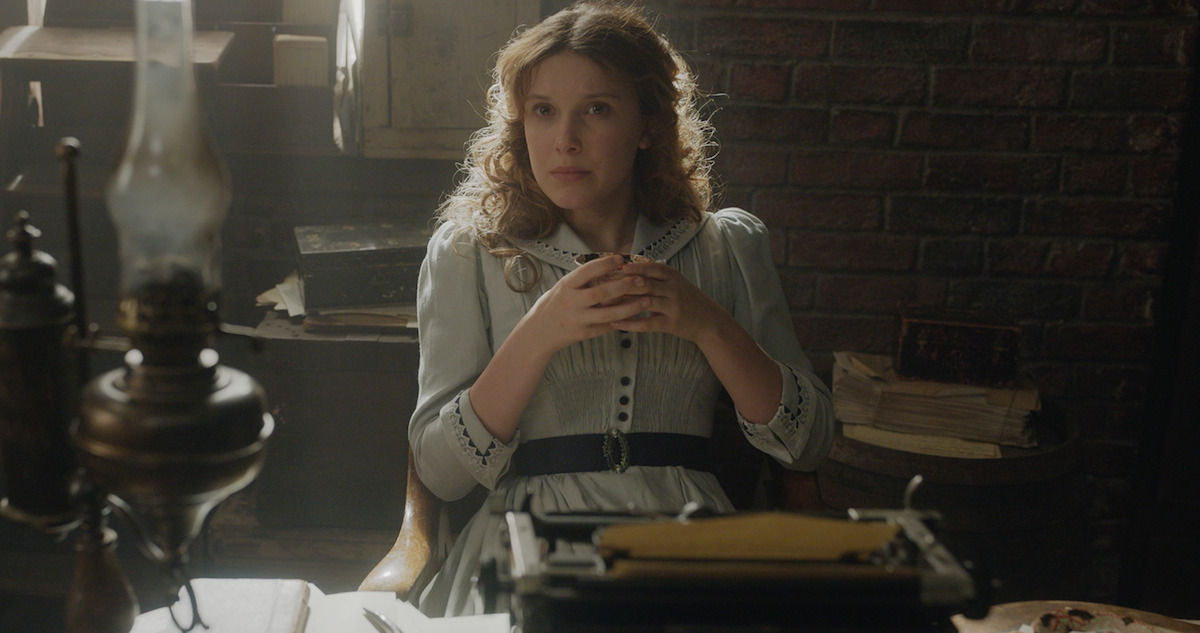
“It’s not just about her being independent and ‘Yeah, girls rule,’” Cavill says. “It’s also about him realizing that there’s more than just how he may be feeling and how vulnerable he may be in that spot. It’s actually about what she may need. And that it’s okay that ‘no’ was the answer. Just because ‘no’ came, [it] doesn’t mean that it’s the end of the world. It’s like, ‘Okay, cool. Well, I’ve learned some stuff. And it’s time to build that into my repertoire and move on.’”
Where will that moving on lead to for both Sherlock and Enola, separately and together? Not even Enola Holmes herself can tell you. All Brown can say is that “I want [Enola] to grow more. I think there are so [many] more stories to tell and I want to explore more cases with her.” Until the game finds its feet again…