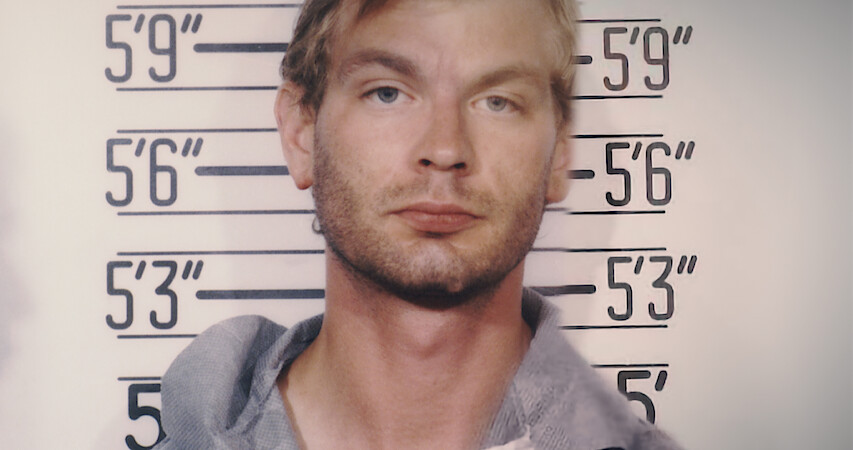
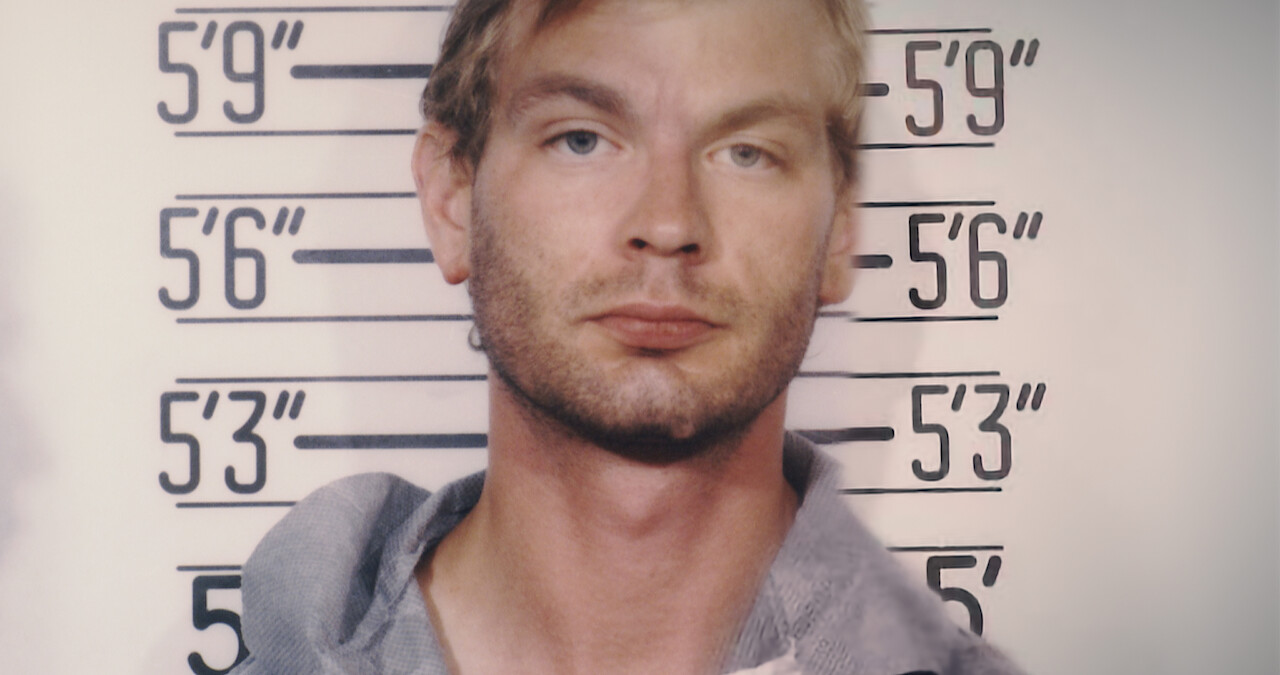
When the story broke in July 1991 that a Milwaukee man had been taken into custody for unspeakably gruesome crimes, it sent shockwaves across the nation. The Milwaukee Sentinel printed a front-page article that the suspect, 31-year-old Jeffrey Dahmer, had confessed to each and every one. Eleven skulls had been found in his apartment, and over a dozen people were feared dead.
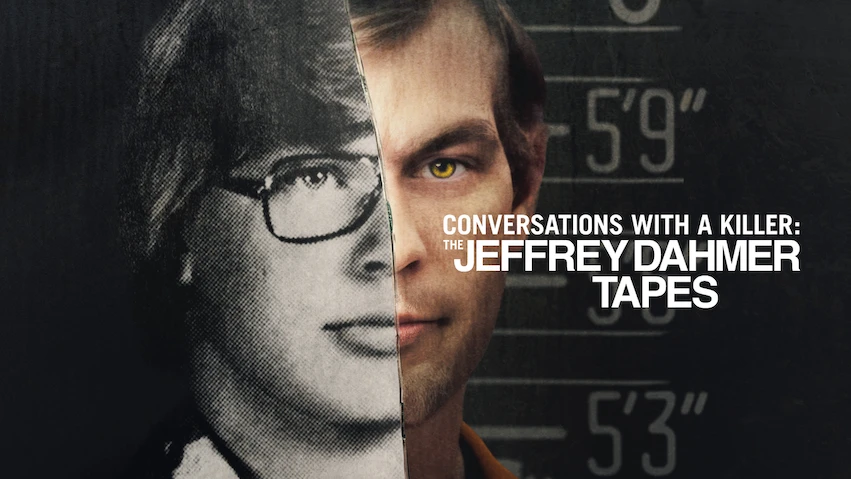
In the latest installment of Joe Berlinger’s true-crime anthology, Conversations with a Killer: The Jeffrey Dahmer Story, never-before-released audio footage provides an alarming look inside the mind of the serial killer who took the lives of 17 boys and young men across a span of 13 years. Through exhaustive interviews, detectives and defense attorneys learned everything about Dahmer and his unspeakable crimes. The docuseries premieres on Netflix Oct. 7.
Jeffrey Dahmer
Born and raised in Milwaukee, Dahmer was a lonely kid with an unstable family life who struggled to come to terms with his sexuality. As he grew up, he became increasingly violent — eventually committing his first murder at age 18. Sadistic and sexually violent, Dahmer often solicited his victims at gay clubs, offering to take nude photographs of them for money. Despite 911 calls from concerned citizens over the years, the police didn’t arrest Dahmer — an attractive white man who frequently targeted young minorities — until it was too late.
Gerald Boyle
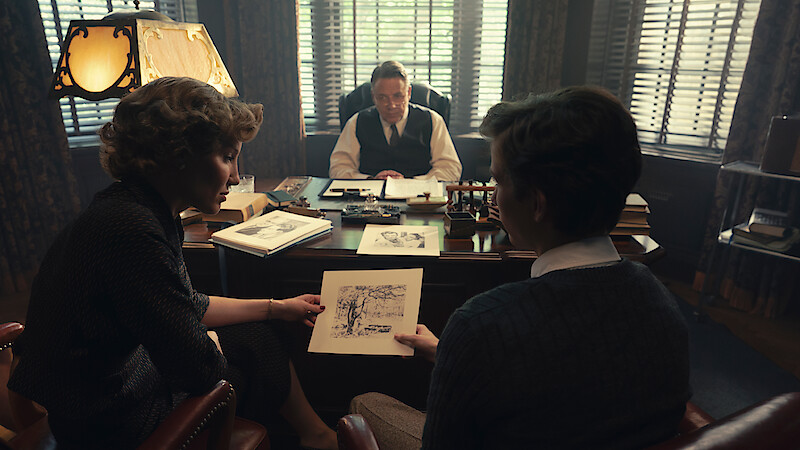
When the arrest happened, defense attorney Gerard Boyle received a call from a TV station asking about a client of his, Jeffrey Dahmer, who he represented in 1988 for a sex crime. The reporters told Boyle his client might be a homicidal maniac. After Dahmer confessed to what he did, Boyle asked him how he wanted to proceed. His client responded, “I want to understand why I am what I am.”
Wendy Patrickus
At the time of Dahmer’s arrest, defense attorney Wendy Patrickus was a young lawyer in her 20s who’d recently moved to Milwaukee. One day, she got a call from her boss, Gerald Boyle, that she’d be working on a big case involving a man she didn’t know much about. Before Patrickus sat down with Dahmer for the first time, Boyle assured her their client was a nice guy. “Don’t worry, he won’t bite your head off,” she remembers him saying. From July to October 1991, Patrickus recorded over 32 hours of conversations to prepare for Dahmer’s defense.
Dr. Park Dietz
Forensic psychiatrist for the prosecution Park Dietz was approached by the Milwaukee DA’s office to evaluate Dahmer, whom he met with for several days before later testifying. Dietz, who’s seen about 20 serial killers across his career — the majority of whom had a sexual element to their crimes, like Dahmer — says the extraordinary thing about Dahmer compared to the others is that he completely lacked defensiveness about it. He wasn’t trying to hide anything, Dietz recalls.
Dr. Kenneth Smail
Forensic psychologist Kenneth Smail interviewed Dahmer at the request of his defense team, who were at the time seeking a plea of insanity. During Smail’s 30-year career, he’d never seen a case like Dahmer’s before or since. “He took his fantasy world to a degree and in places most of us would never even conceive of,” Smail says.
Dennis Murphy
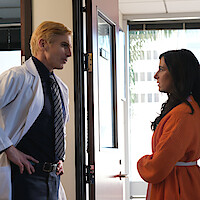
A detective for the Milwaukee Police Department, Dennis Murphy was the primary investigator on the Dahmer case. Upon their first meeting, the confessed murderer told Murphy, “Why don’t you just shoot me now for what I did?”
Lt. Kenneth Meuler
Kenneth Meuler worked in the homicide division of the Milwaukee PD. In their conversations, he remembers being disturbed that Dahmer could recall every horrifying detail of the many homicides he’d committed over the years.