This post contains major spoilers from Pieces of Her.
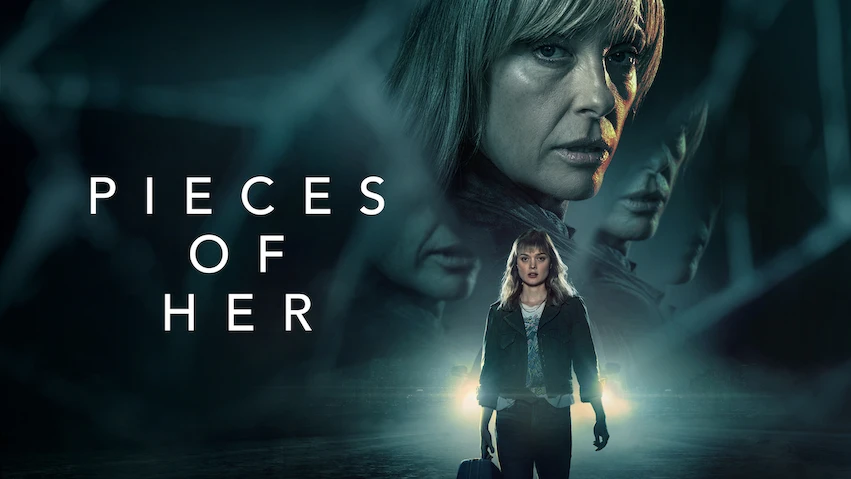
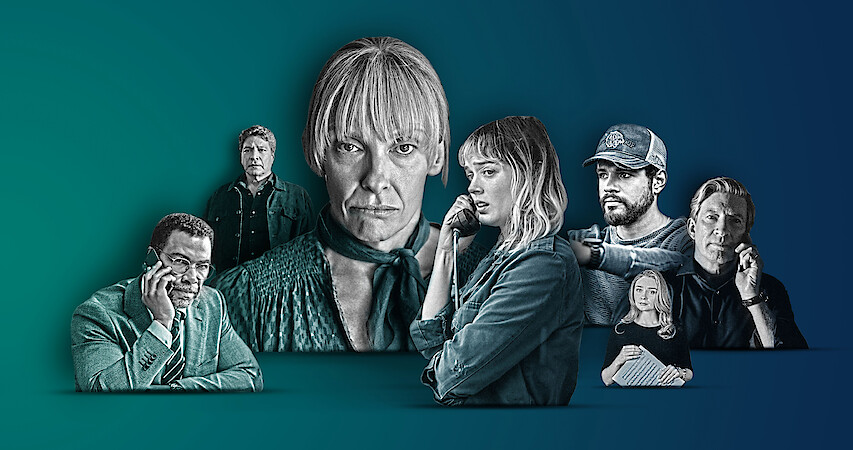
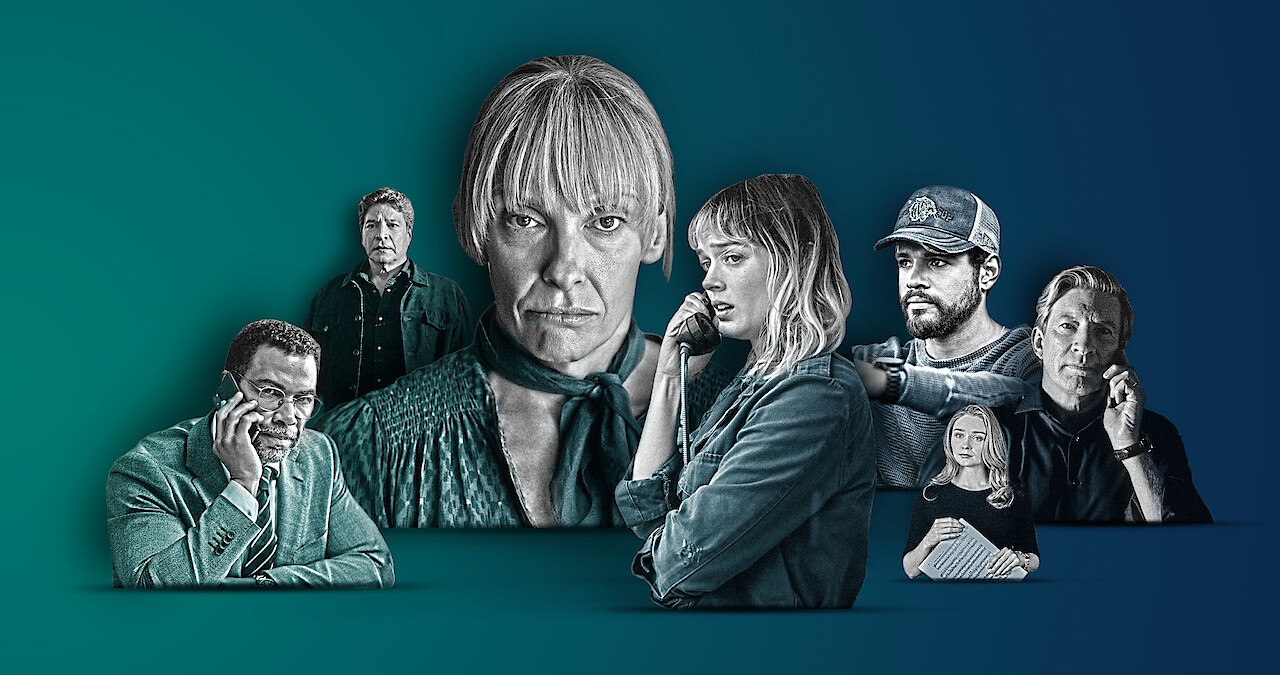
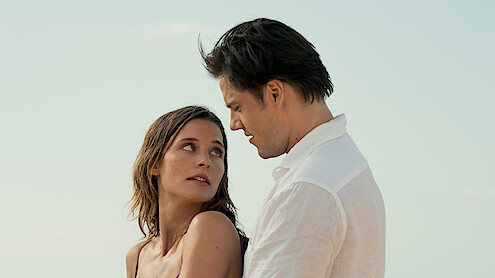
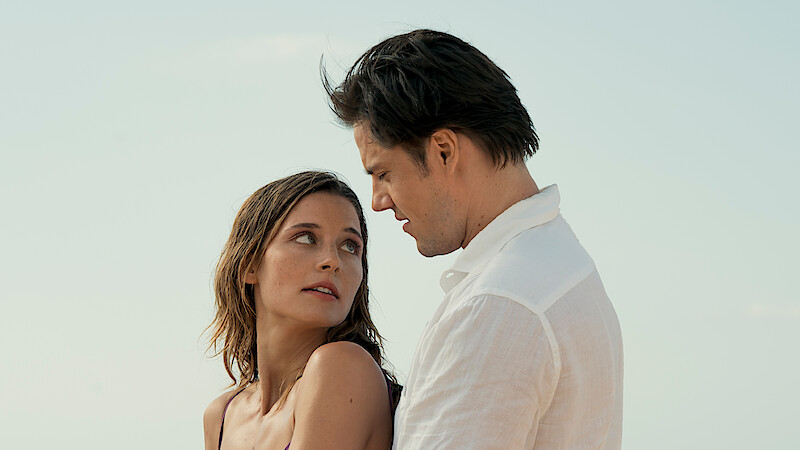
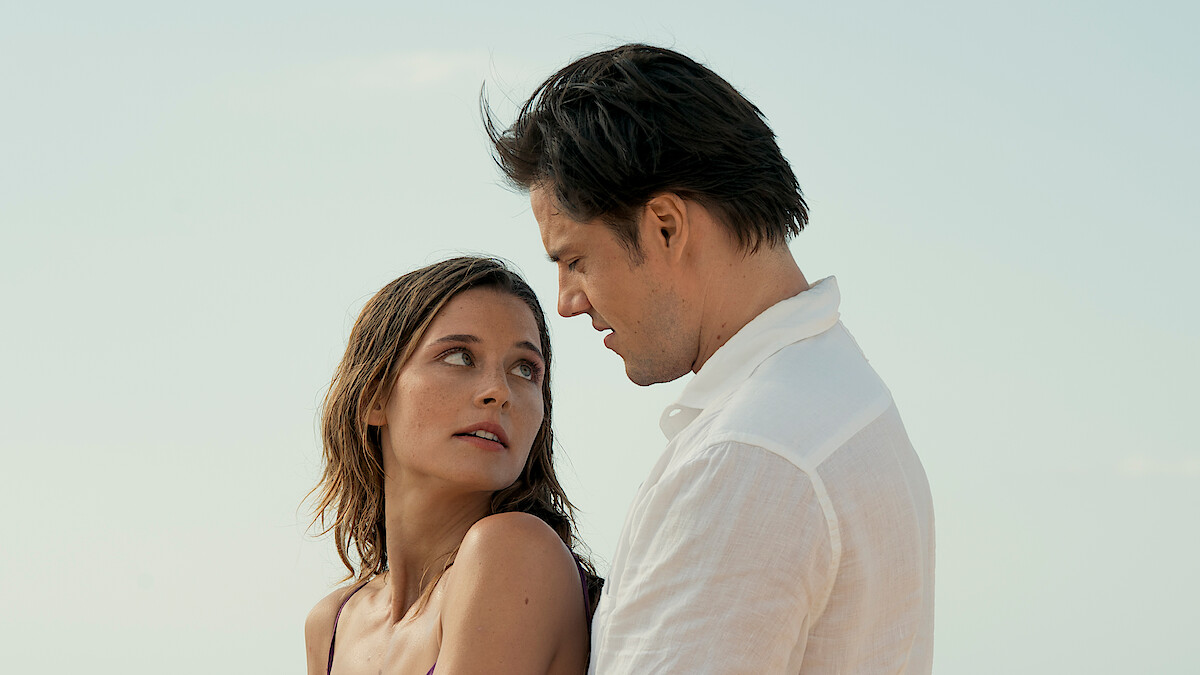
Jane Queller is a teenage piano prodigy and heir to a corrupt millionaire whose life is turned upside down after she meets and falls in love with the leader of the Army of the Changing World (and budding domestic terrorist), Nick Harp. Laura Oliver is a middle-aged single mother whose quiet life gets interrupted when she stops a gunman at a local restaurant, making her famous overnight. The women could not be more different, and yet, they are the same.
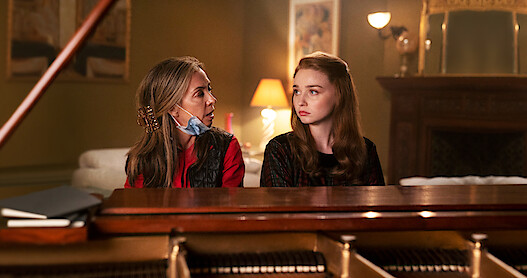
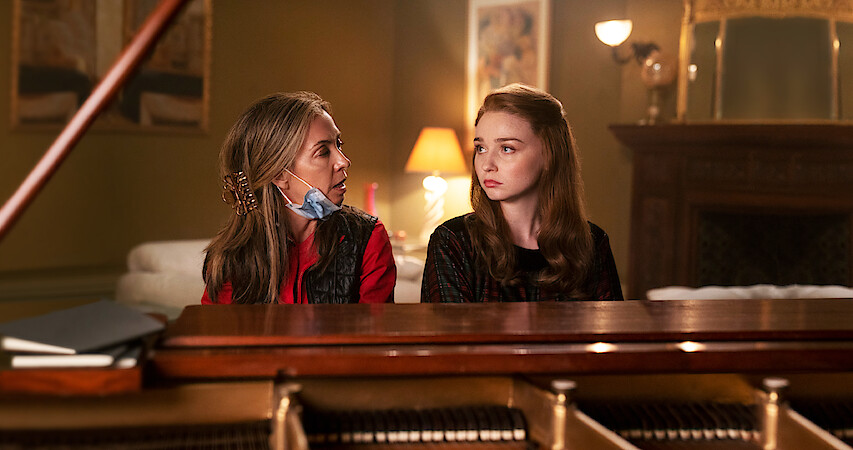
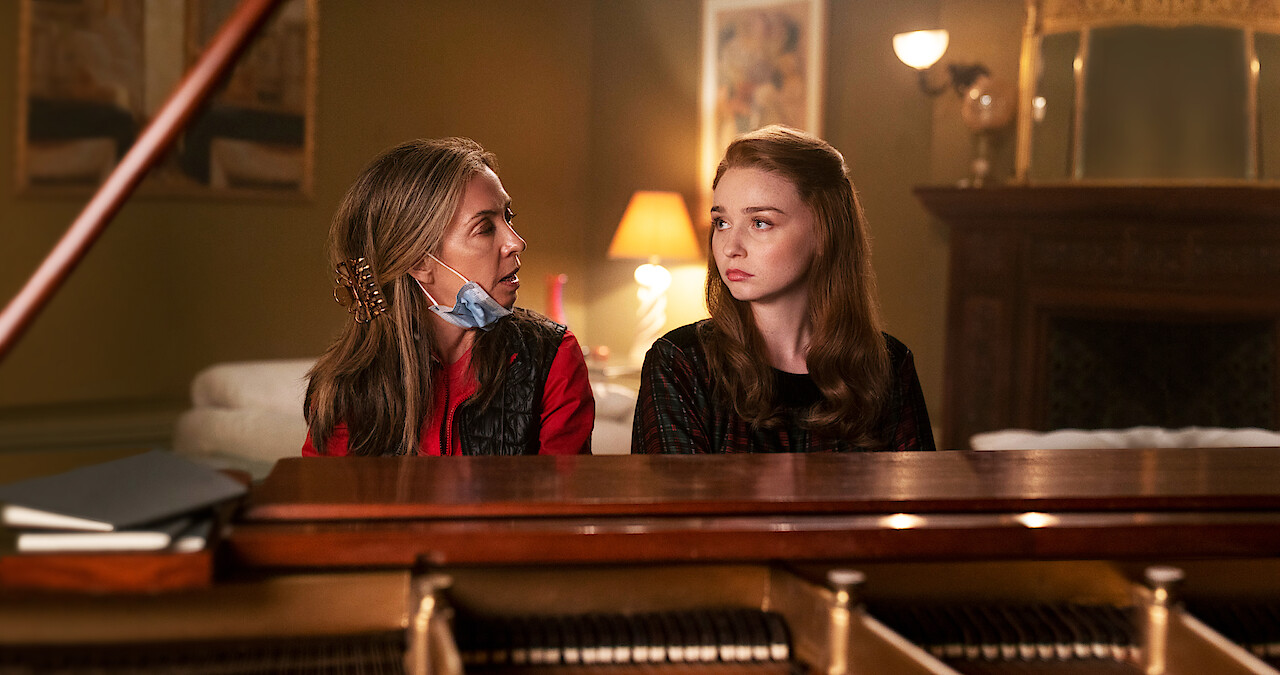
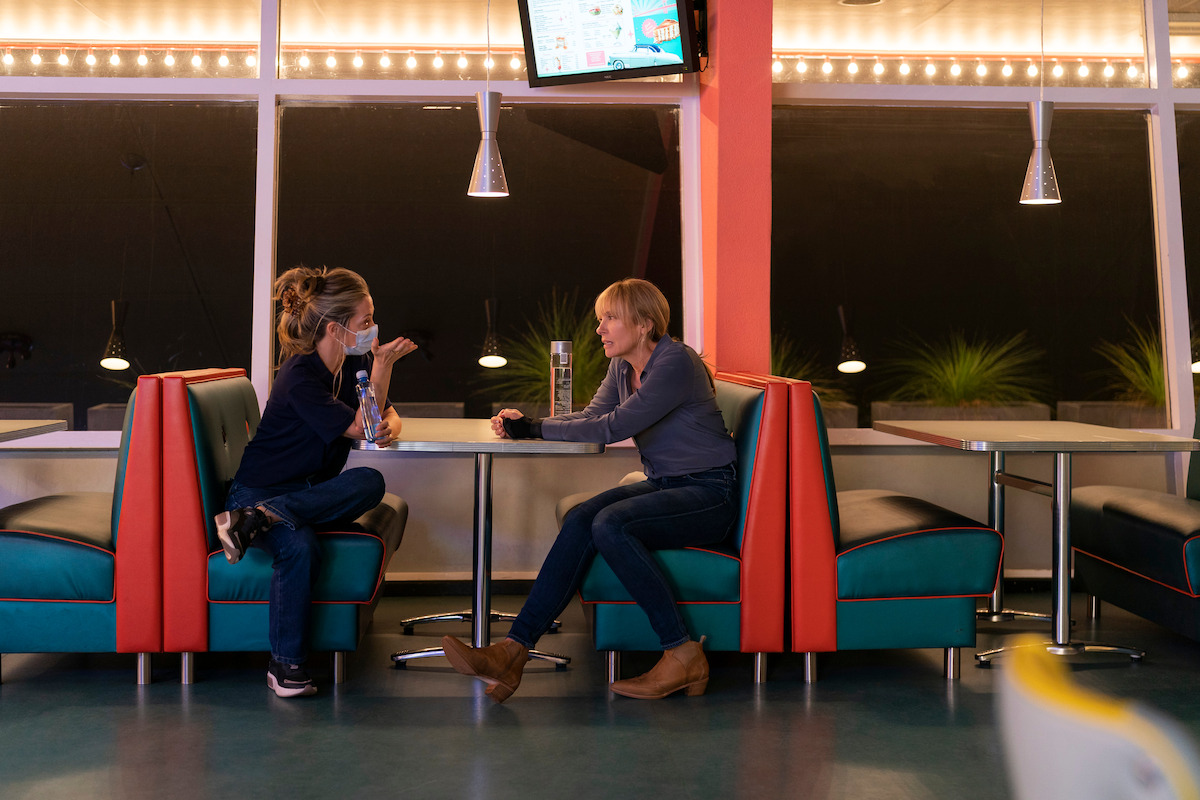
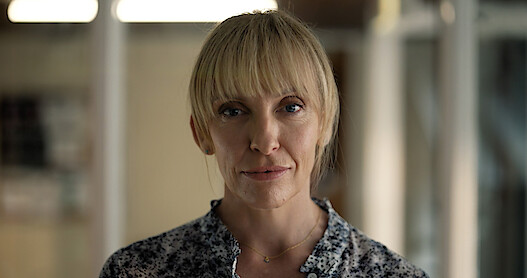
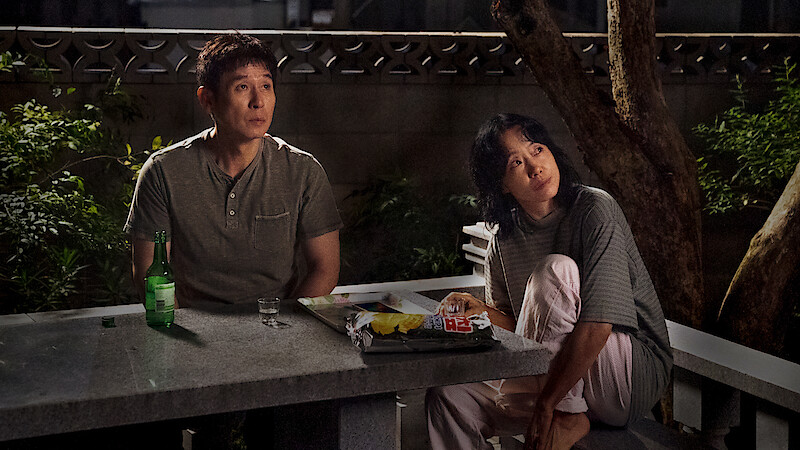
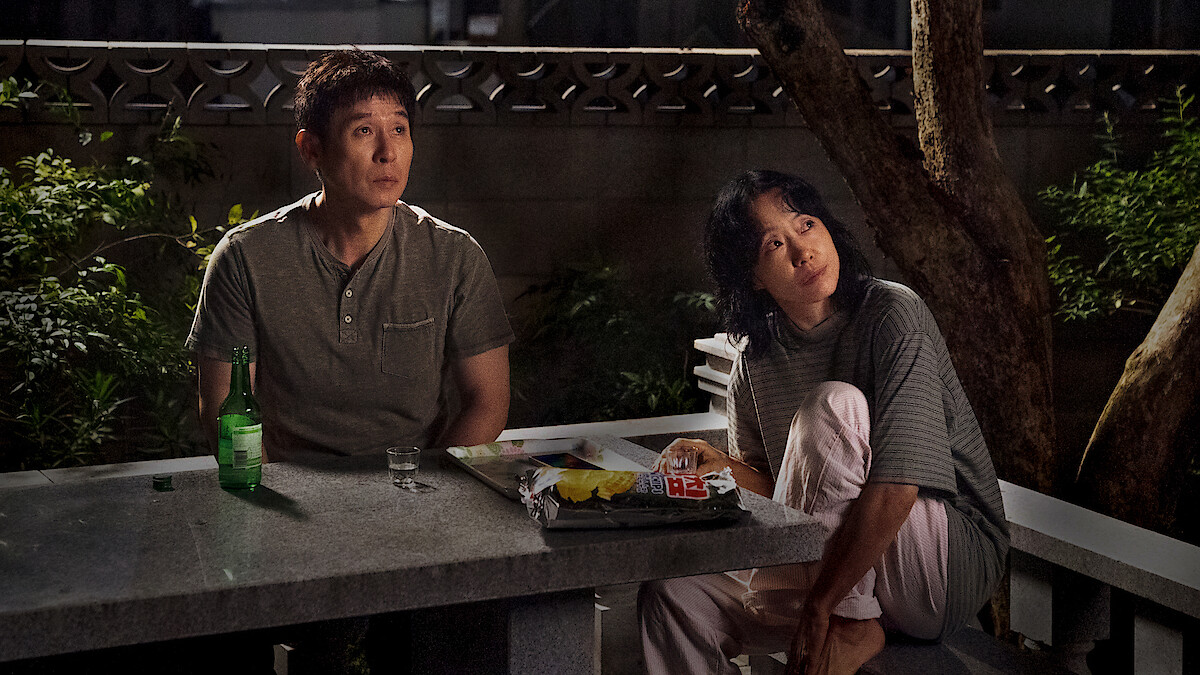
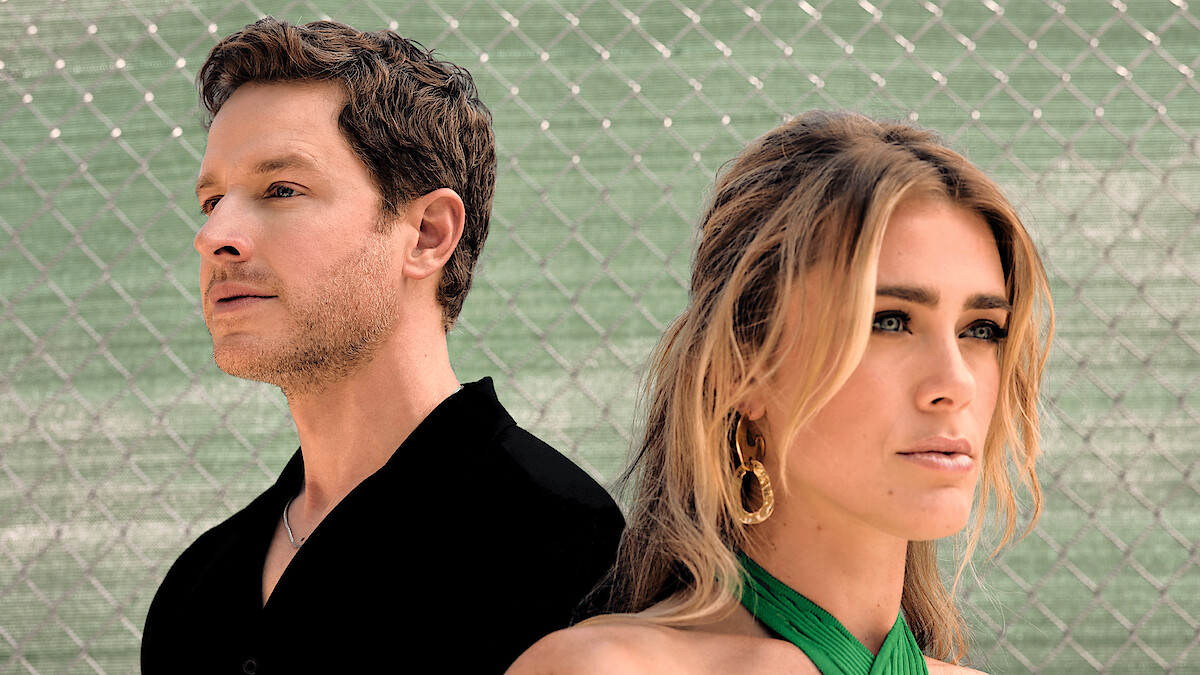
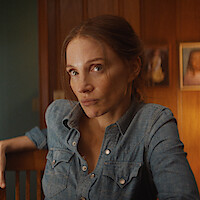
Pieces of Her follows Laura, played by Toni Collette, as she is forced to exit witness protection and confront her past life as Jane, played by Jessica Barden. Jane’s upbringing, including the pivotal moments that land her in government protection, unfolds via flashbacks teased throughout the season, takes shape in the second half. Minkie Spiro directed all eight episodes and was tasked with tracing the evolution of Jane’s trauma over multiple decades, two identities and two performers. “Trauma as a subject really fascinates me,” Spiro says. “I was interested in dealing with present trauma, but also how trauma rears its ugly head years later.”
A lot of Jane’s trauma unfolds on-screen — her relationship with her father, Nick’s violent and obsessive love for her and, eventually, the murder that leads to her becoming Laura Oliver. But there are multiple points in her past that remain a mystery, like her childhood and the death of her mother. Despite these unknowns in the story, and despite the fact that Collette and Barden are playing the same woman with the same childhood baggage, the actors didn’t actually discuss anything about Jane at all. They never even met on set.
“I, as you say in America, ‘reached out,’ to Jess, I sent her an email. And she basically said, ‘I'm going to do my own thing,’” Collette tells Tudum. Instead of connecting about the character, Barden says they exchanged emails about what the set was like in Australia (Collette shot her sequences first, and Barden came in later) and the difficulties of learning to play the piano for the role. “But we both had Minkie, and Minkie was the bridge,” Colette says. The actors may have been playing younger and older versions of the same person, but, as Barden notes, “We were not playing the same character.”
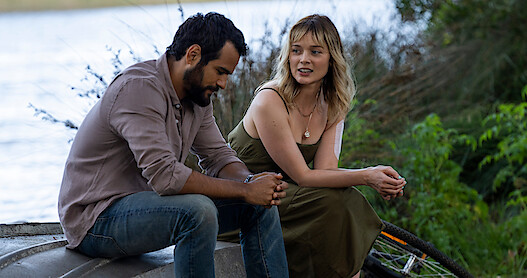
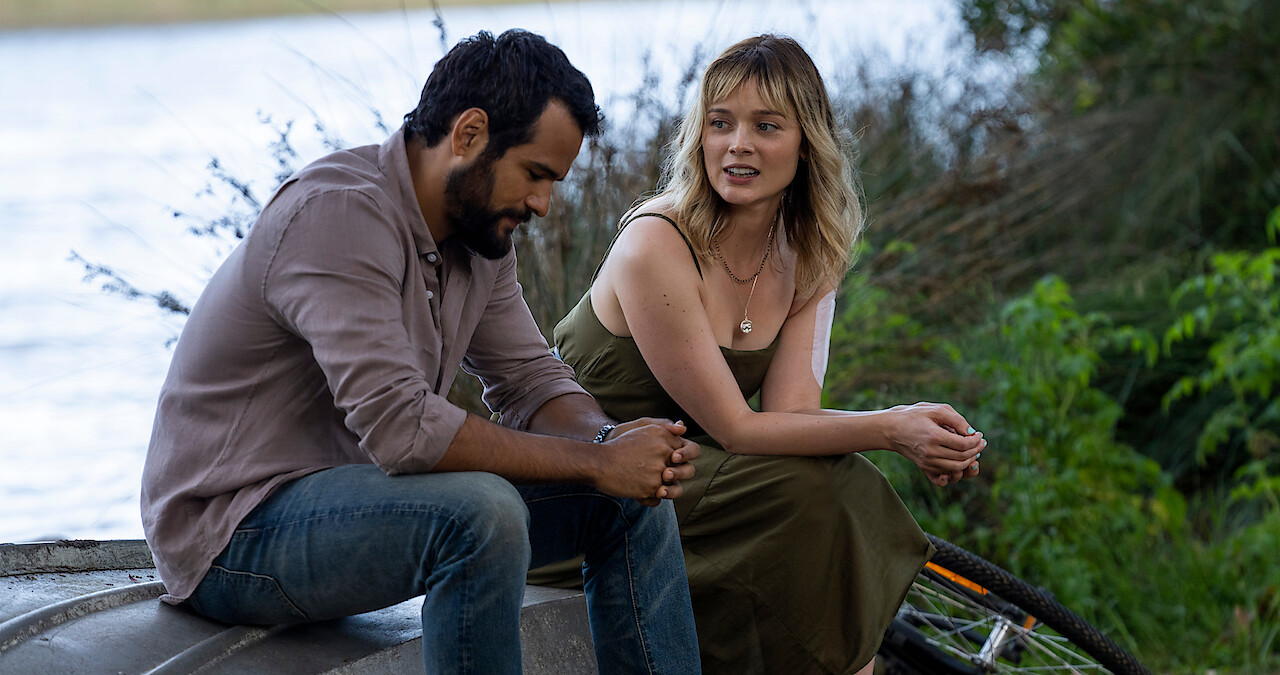
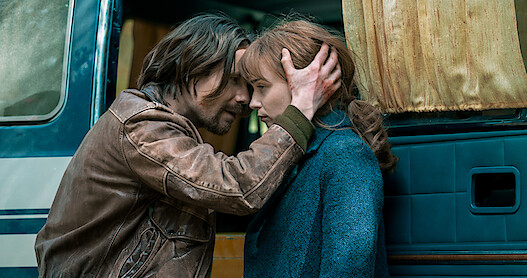
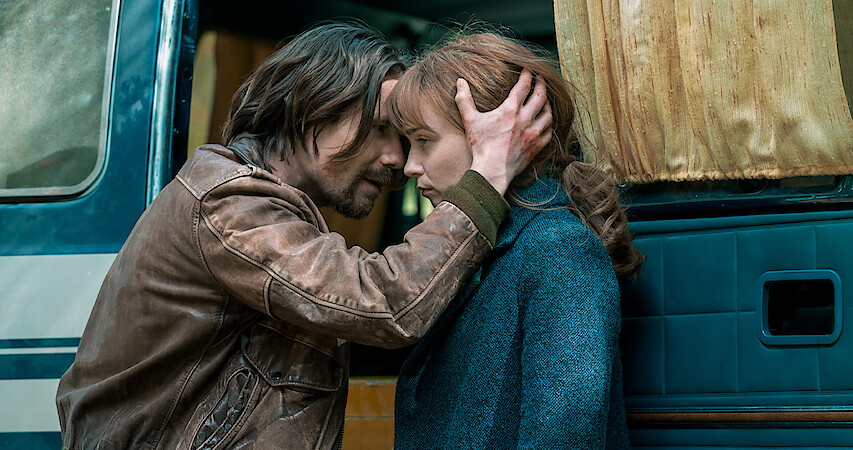
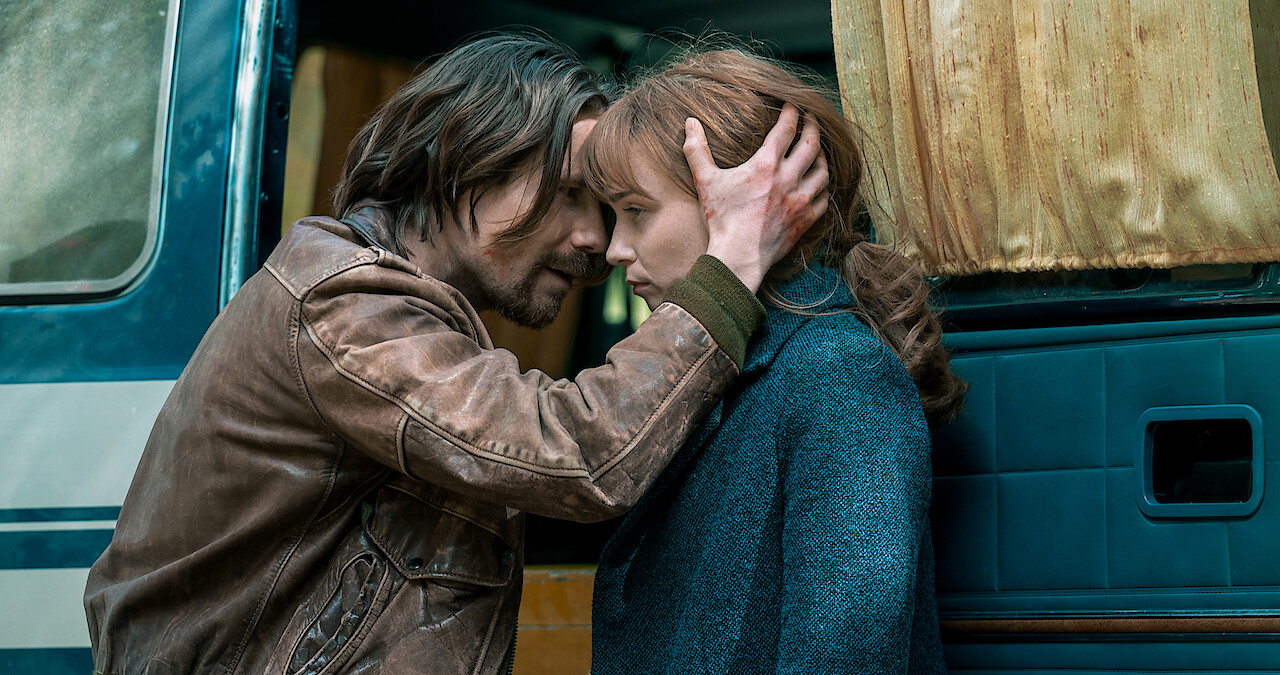
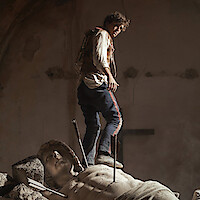
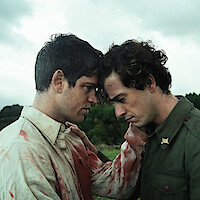
“We just wanted to see what happened by itself,” Barden says, noting that she especially didn’t want to copy Collette’s mannerisms for fear of it being too “overwrought.” Spiro also took care not to tell Barden too much about Collette’s interpretation of the character, even though this marked a major divergence for her as a director. Spiro usually likes to put actors together in rehearsal before shooting, especially when they’re playing the same character. She even did it on Pieces of Her with Joe Dempsie and Aaron Jeffery, who play younger and older versions of Nick, respectively. “I got them to spend time together to look at their mannerisms and what we could pick up and follow through,” Spiro says, adding, “Joe Dempsie played a lot with his goatee beard. So, Aaron picked up on that and used that as part of his character.” But for Barden and Collette, Spiro took a different approach “because [their characters] are actually two very different people.”
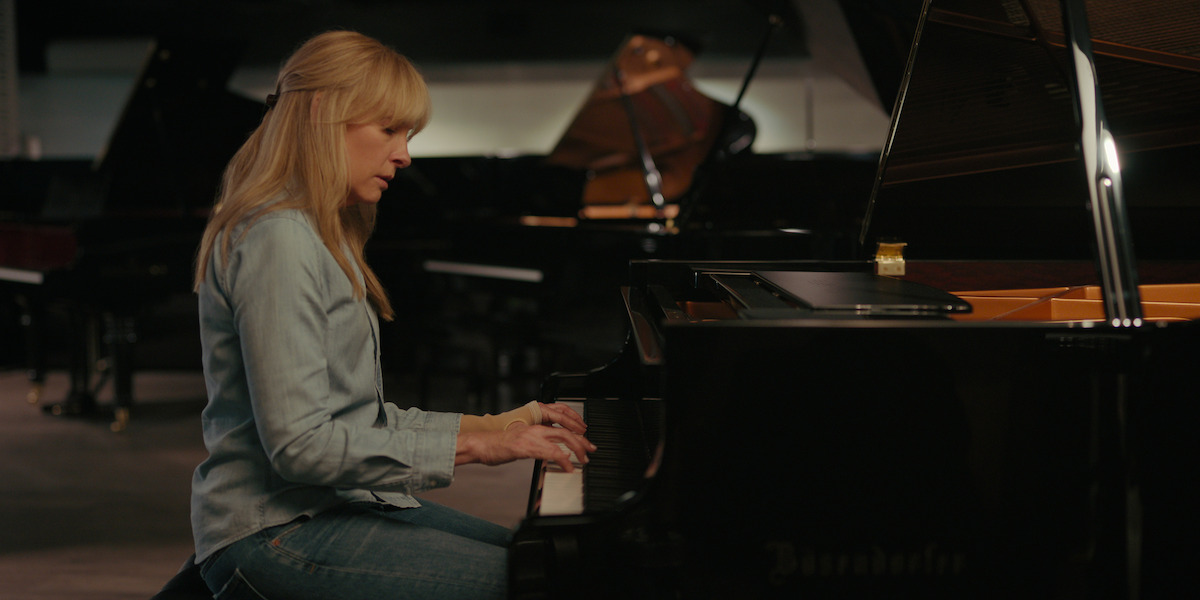
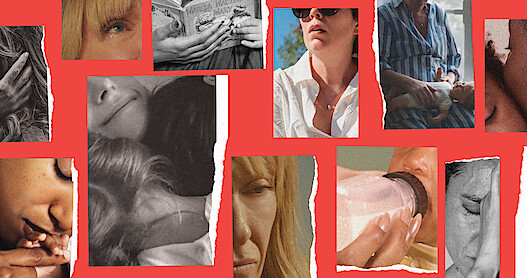
Jane and Laura are connected through their trauma, but, visually, the only connection they have is through their hands. In the few occasions where the timelines do overlap in blink-and-you’ll-miss-it overlapping shots, it’s always focused on Jane and Laura’s hands, which are critical to the character. Not only do they represent her identity as a pianist, they also represent her moving from one identity to another. Jane’s first step towards leaving her father is when she injures her hand on purpose, hurting the thing he uses to control her. On the flip side, Laura’s life begins to fall apart when she uses her hand to stop a gunman from stabbing her, slitting his throat with the knife still lodged in her hand. In Episode 3, those two stories are brought together as Laura examines her injured hand, piano begins to play in the background and flashes of Jane’s hands appear. “To me, what’s a really fascinating way to straddle timelines is to do it through an emotion,” Spiro explains. “And the piano, or the injury, were two places where the hand played a part. So that then became a visual motif for me to think about ways in and out.”
Choosing the hands as a way to connect Jane and Laura’s arcs also prioritizes her trauma, which both Collette and Barden tied closely to the character’s past as a concert pianist. As a young woman, Jane is emotionally abused by her father who uses her talent as a pianist as a means of controlling her. “Her gift was externalized through the hands,” Colette says. “And that’s what she ruined, to be able to escape.” Jane’s hand injury allowed her to leave one life, but Laura’s hand injury in the future is what brought her back to the past — to her abusive ex. “So, they just represent so much about her ability to live her own life,” Collette continues.
Because the hands were so critical to Jane and Laura’s survival, they were also a great point of entry into the character, specifically for Barden, who studied piano for months to prepare for the part. “I drove myself insane with it,” Barden recalls. “It felt so important to her character.” Spiro looked at the piano as a kind of throughline from Jane to Laura, both emotionally and visually. “Jane had a very controlled upbringing. She was also this prodigy who spent her entire childhood at a piano,” she says. “This ability to have that kind of focus and blinkered approach to life is what held Laura in good stead for her life in witness protection. But it also was something that allowed her to compartmentalize that trauma.”
Keeping Jane and Laura — and Barden and Collette — apart reflects Laura’s own disassociation from her past life. Thematically, it works, but behind-the-scenes, the decision for the actors not to discuss their character at all meant there was a risk that audiences wouldn’t connect Jane with Laura. “It was a brave decision of ours to do it that way,” Spiro says. “But I think it paid off.”