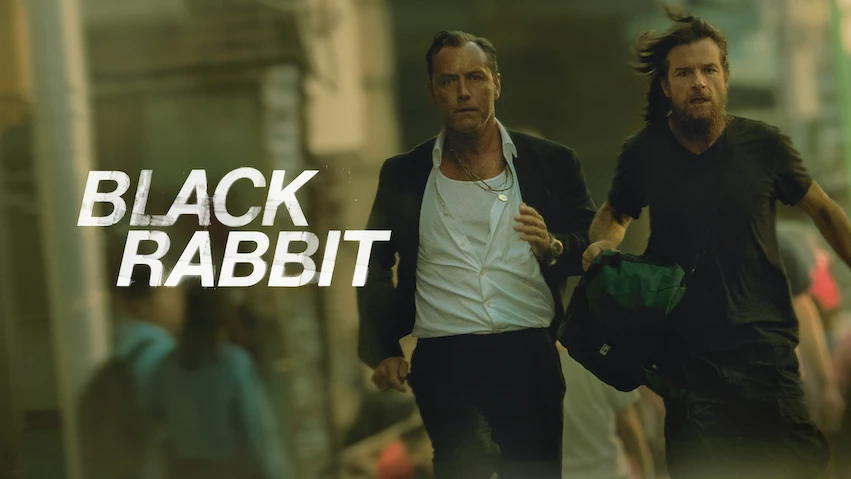
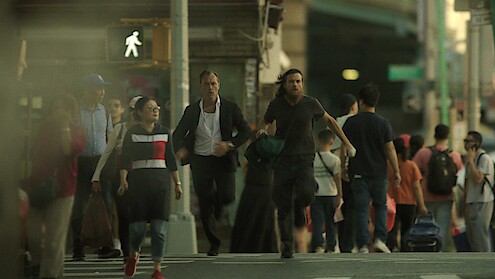
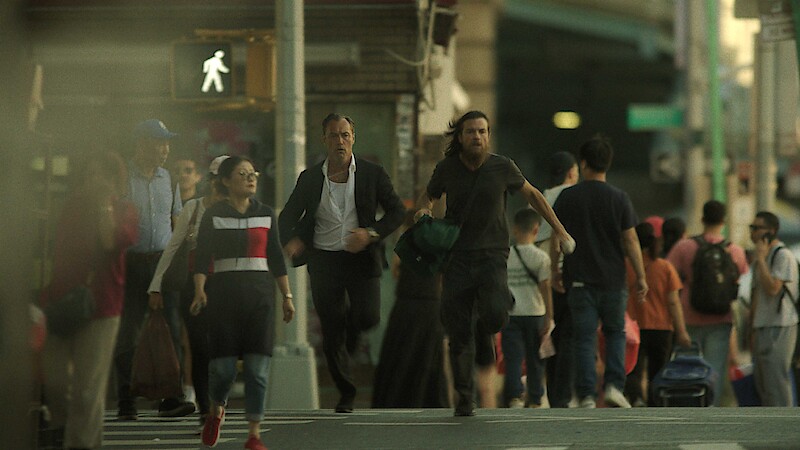
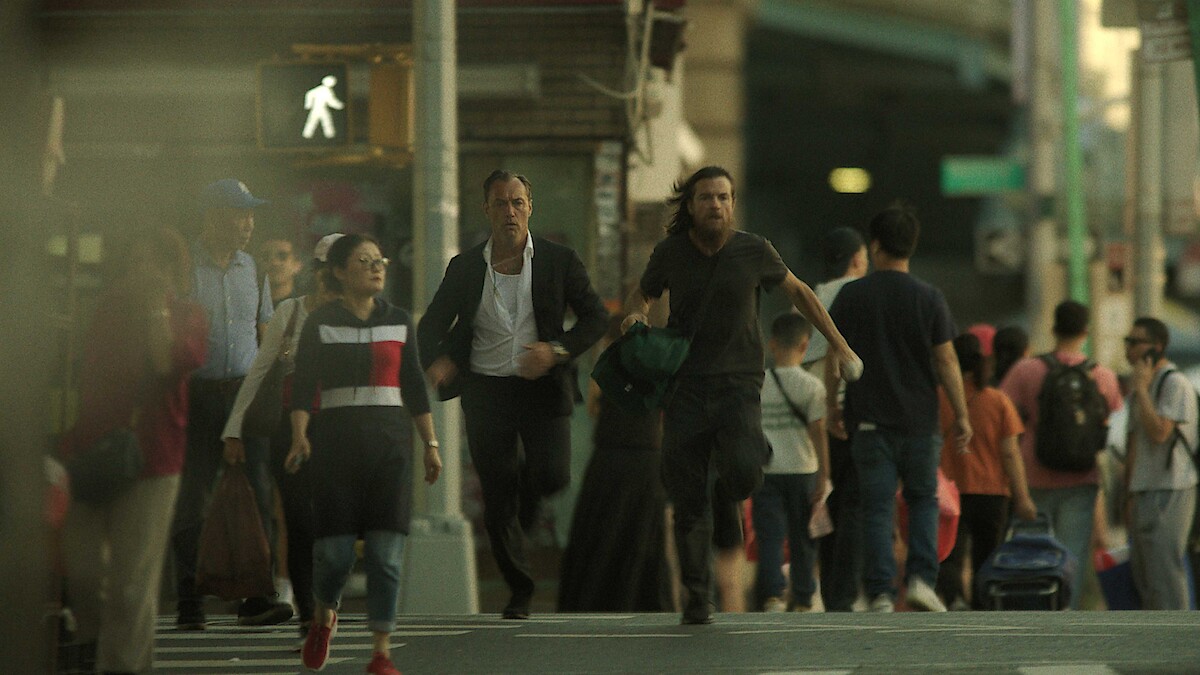
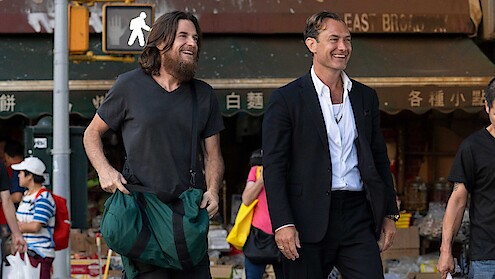
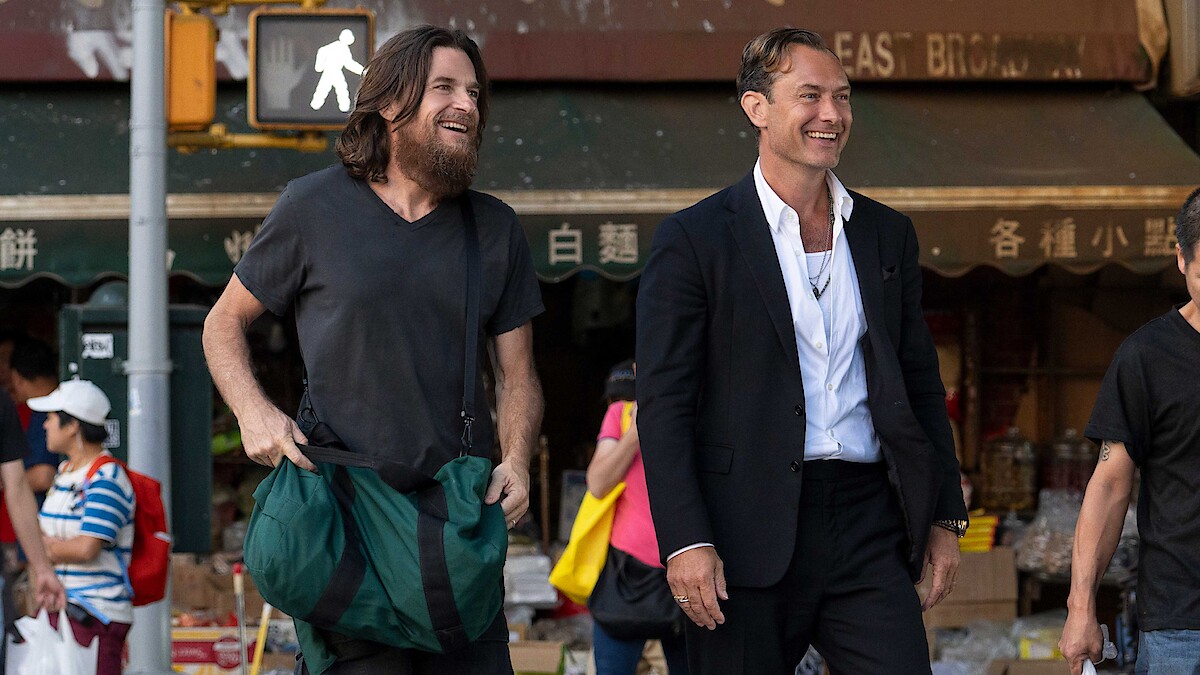
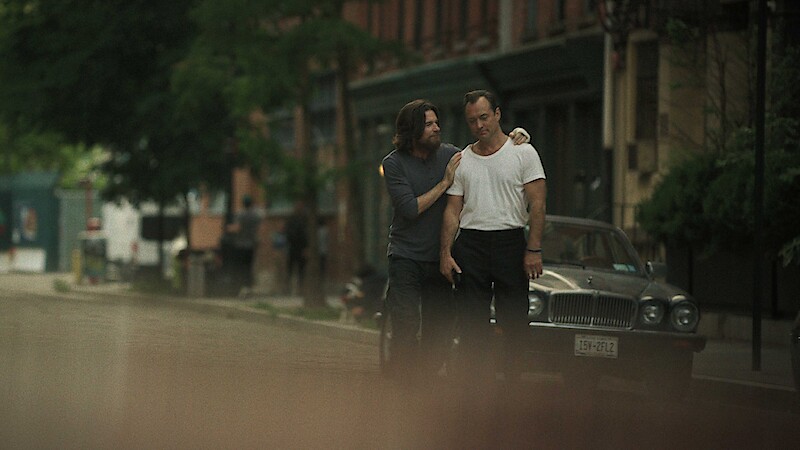
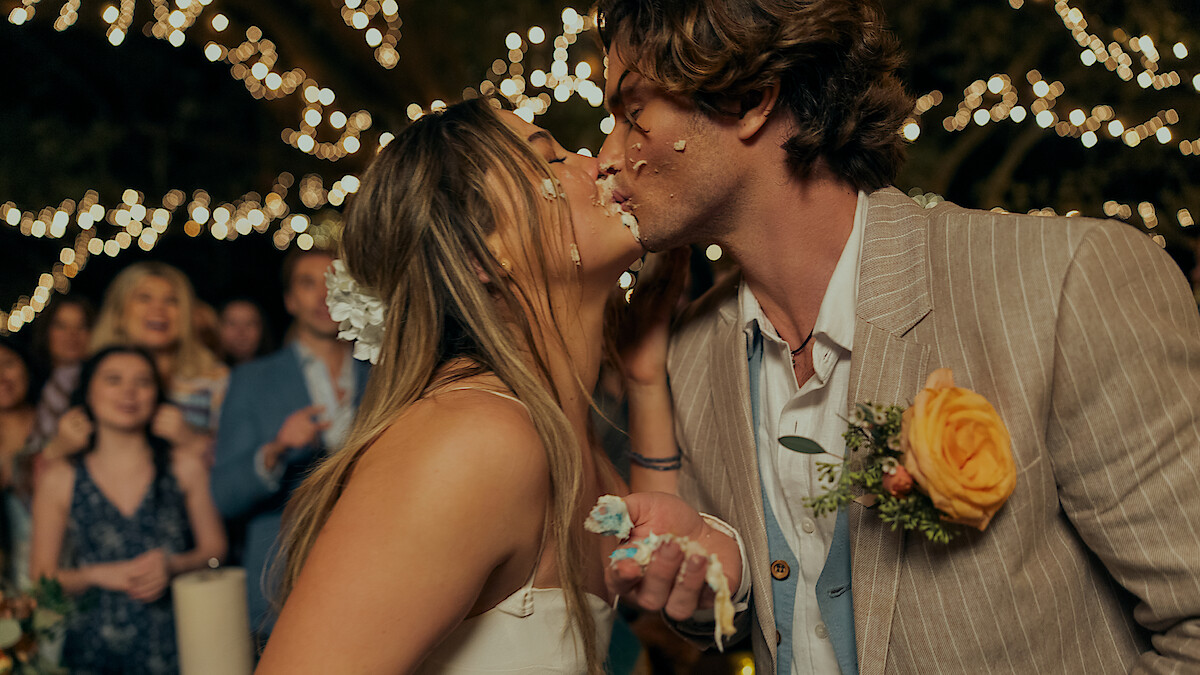
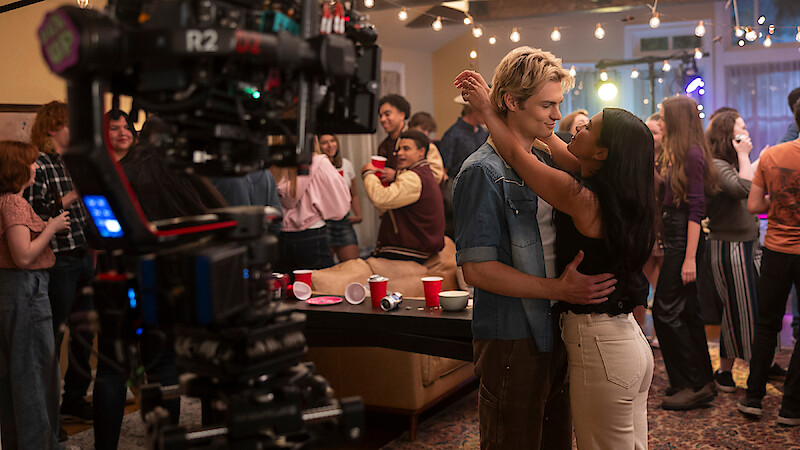
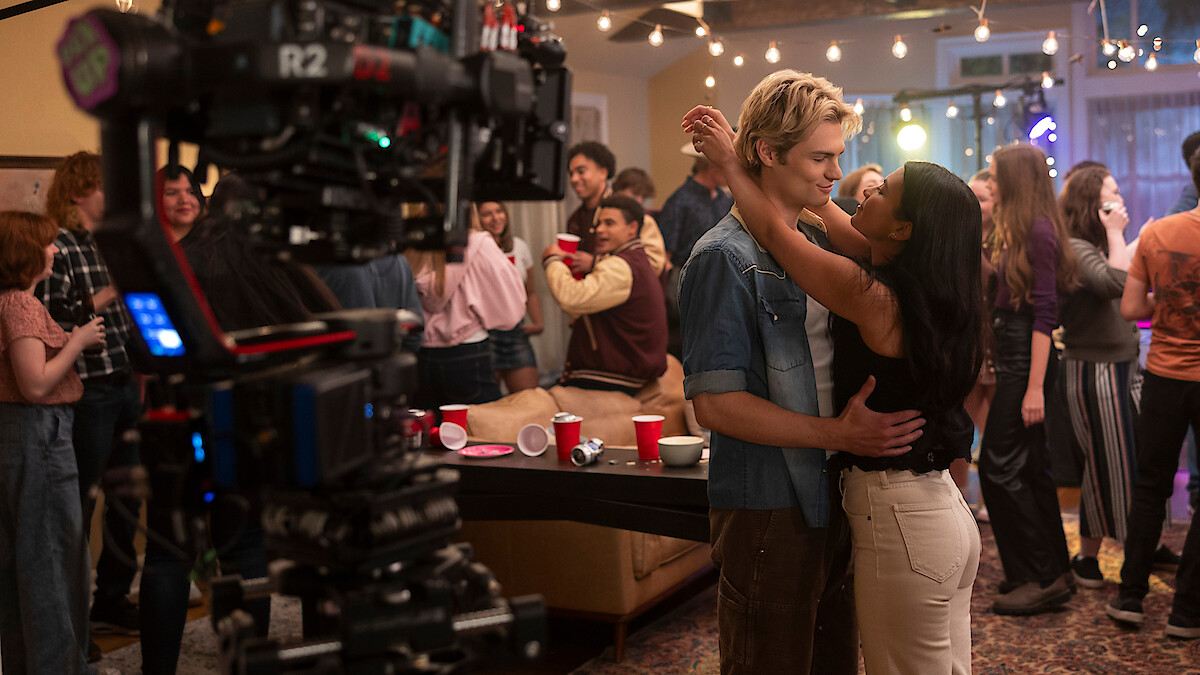
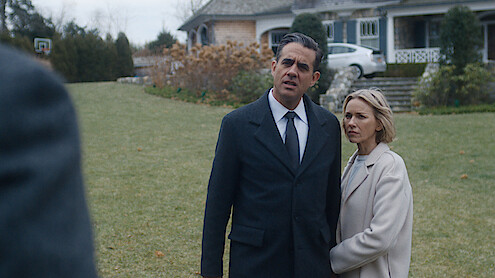
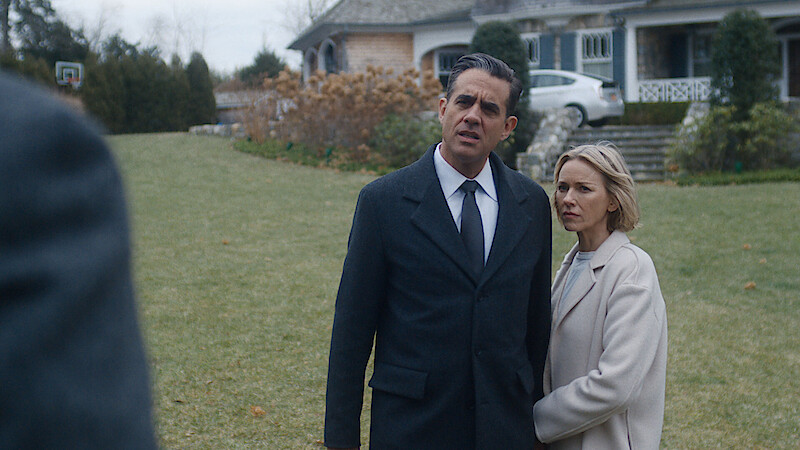
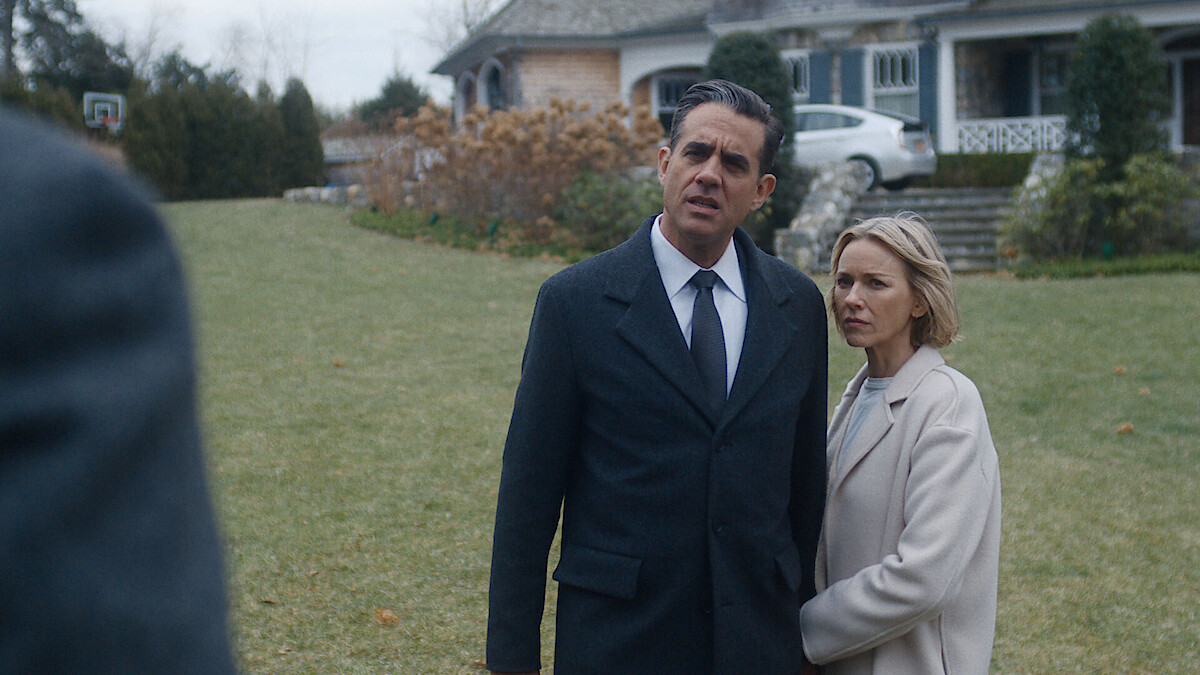
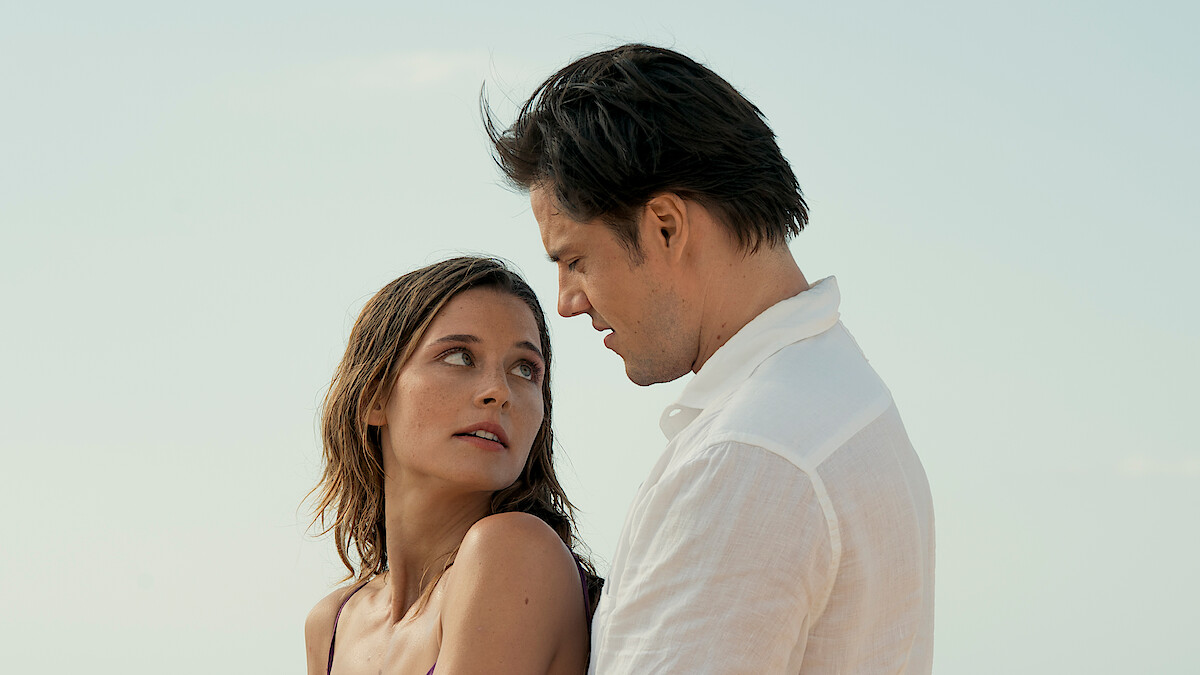
In bringing the limited series Black Rabbit to life, creators Zach Baylin and Kate Susman knew that getting the vibe right — the insatiable frenzy that surrounds the hectic world of dining and nightlife in New York City — was as important as anything. “One of the things that was great about working on the show is just how specific it is to the city,” Susman says. “We wanted it to feel very lived-in.” The plot centers on two brothers, played by Jude Law and Jason Bateman — both of whom also served as executive producers — and the shepherding of the cool, chaotic downtown tavern that gives the show its name. “There was an evergreen relatability to the story, even though we’re in this grimy subset of society you don’t get to see often,” says Bateman. “It’s really about two brothers who love each other but don’t match — one’s a screwup, and the other is better at hiding his dysfunction.”
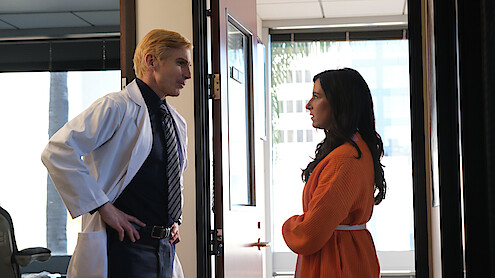
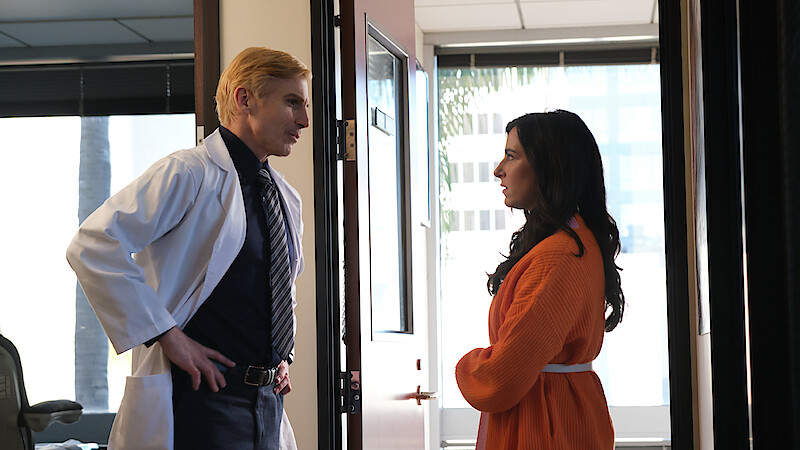
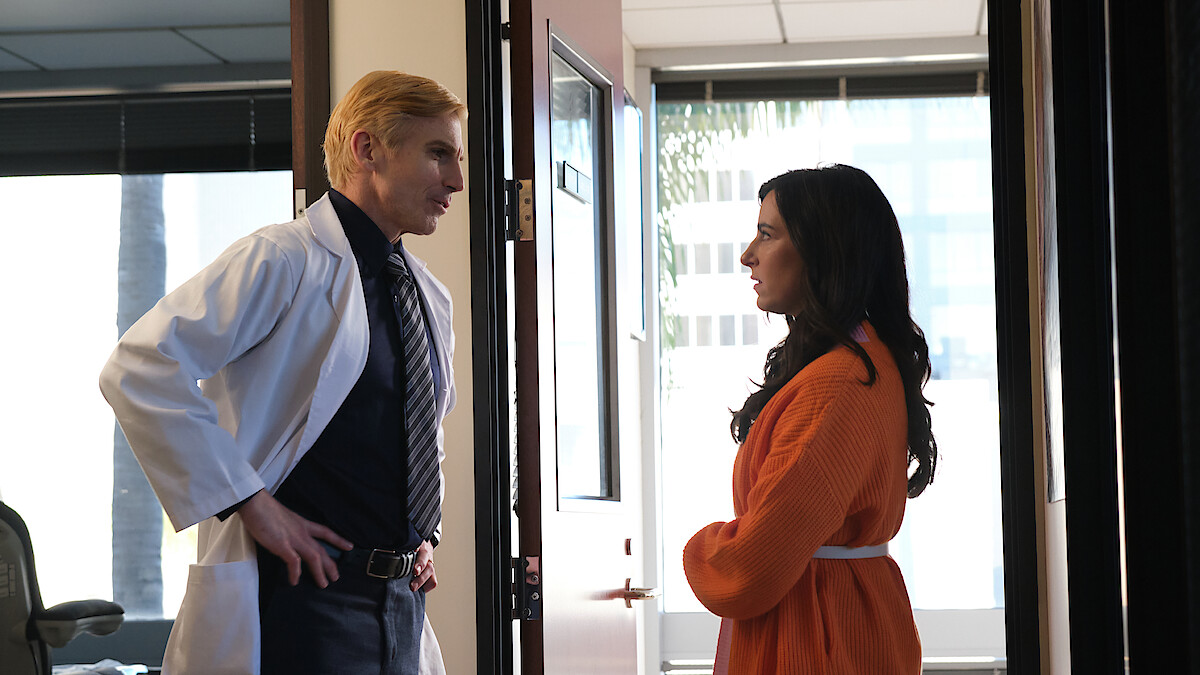
True to the up-all-night energy of the setting, music plays a central role. In flashbacks, we see that the two brothers once fronted a raucous ’90s punk band — scenes that, thanks to costume designer Amy Westcott, are packed with spot-on stylistic details, including Law’s irreverent blond wig. To get the band’s sound right, they enlisted Albert Hammond Jr. of the legendary New York rock band the Strokes to write two original songs for the band to perform. “I just kept sending them bits and bits, and they just kept giving me information. The best one was from Jason, where he was like, ‘I need a big drum fill before the chorus,’ ” Hammond Jr. says. “The back-and-forth was fun.” Law, who handled vocals, relished the opportunity to work with a rock legend. “I was told early on in my career, if you’re asked to suggest ideas for something, start at the top. Albert was at the top of the list, and we couldn’t believe he said yes,” Law says. “Albert worked miracles. He actually made me sound like I could sing. He was so generous in the recording studio, putting up with me screaming away and trying to sound like a rock star.”
Michelle K. Short/Netflix
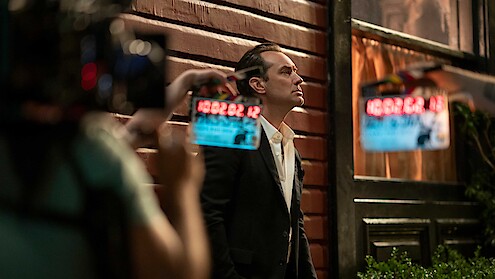
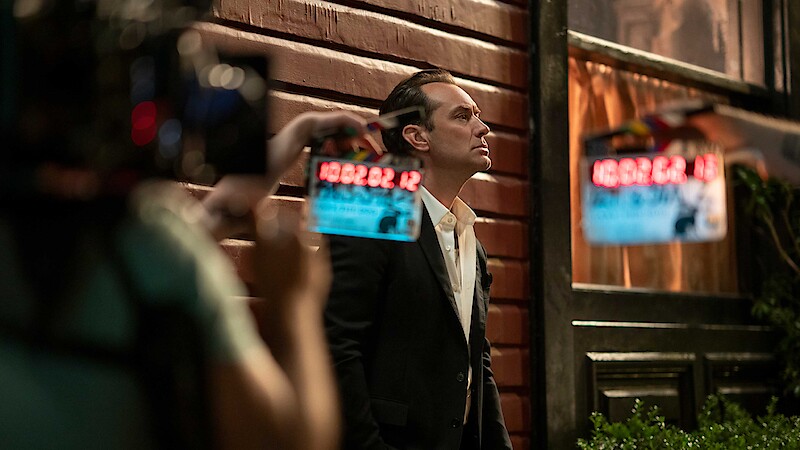
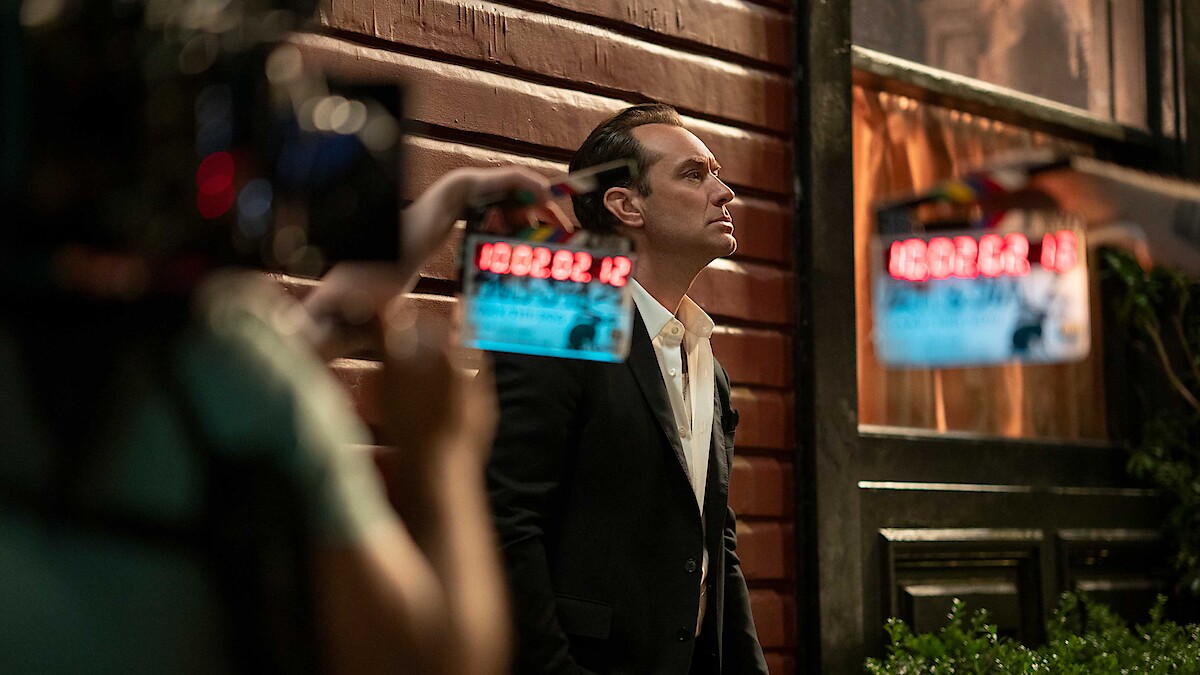
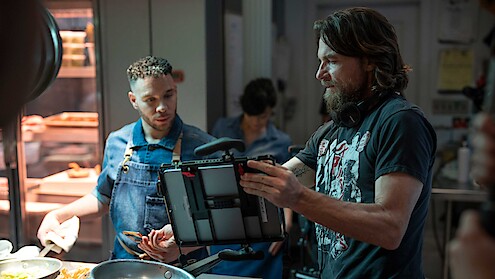
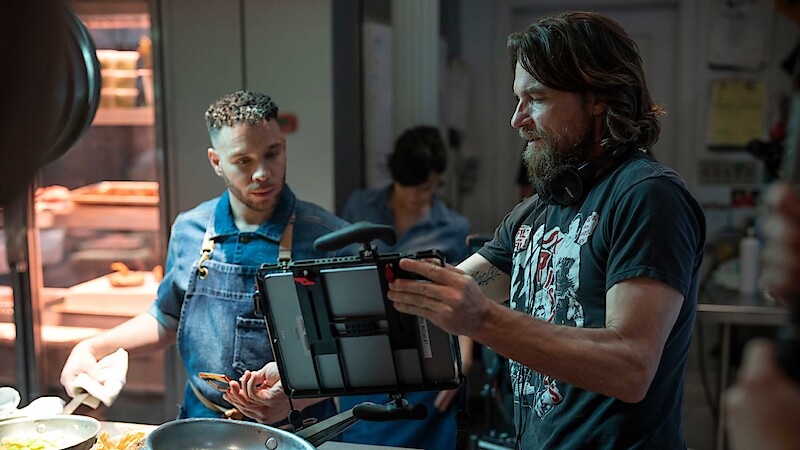
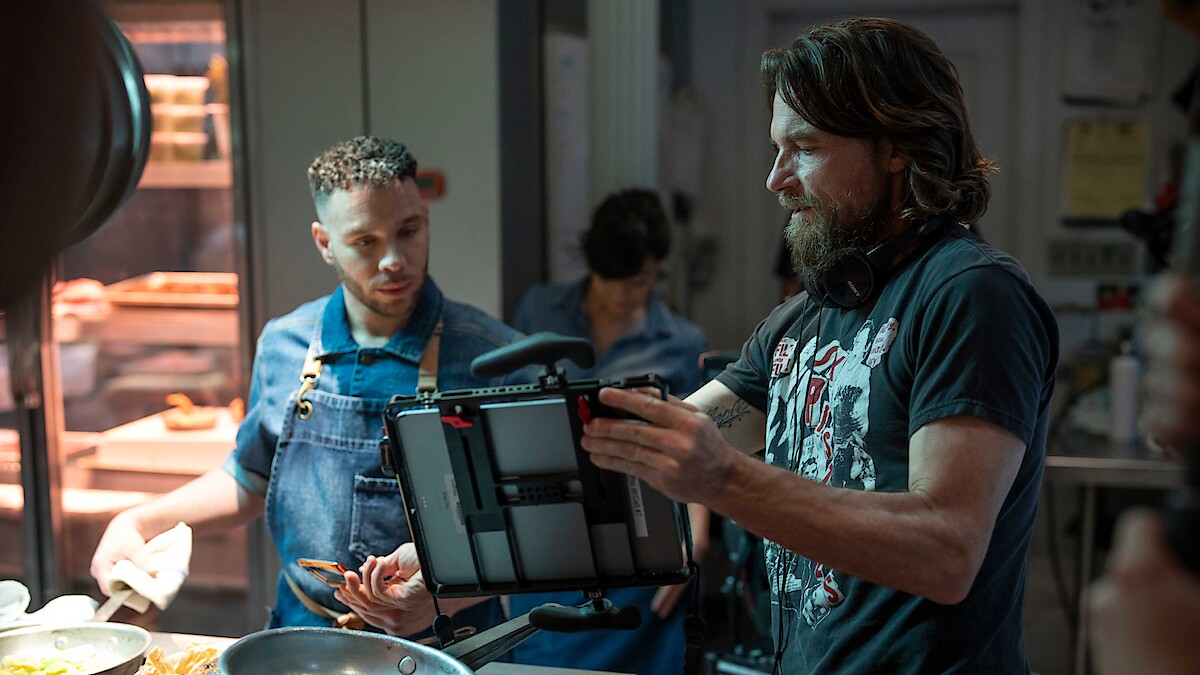
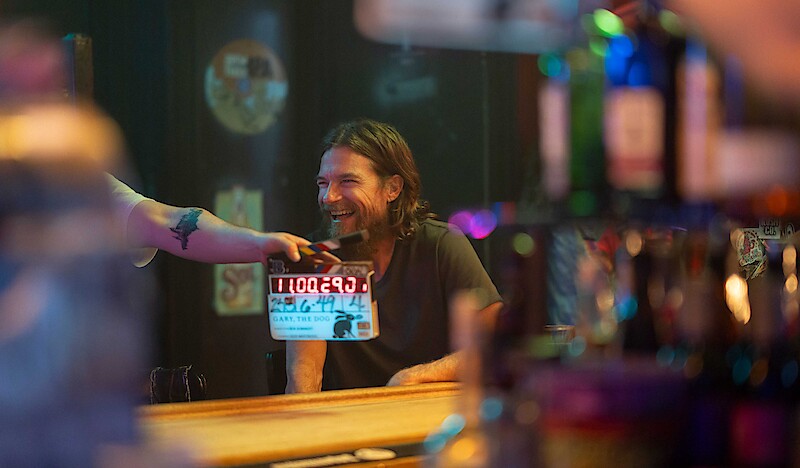
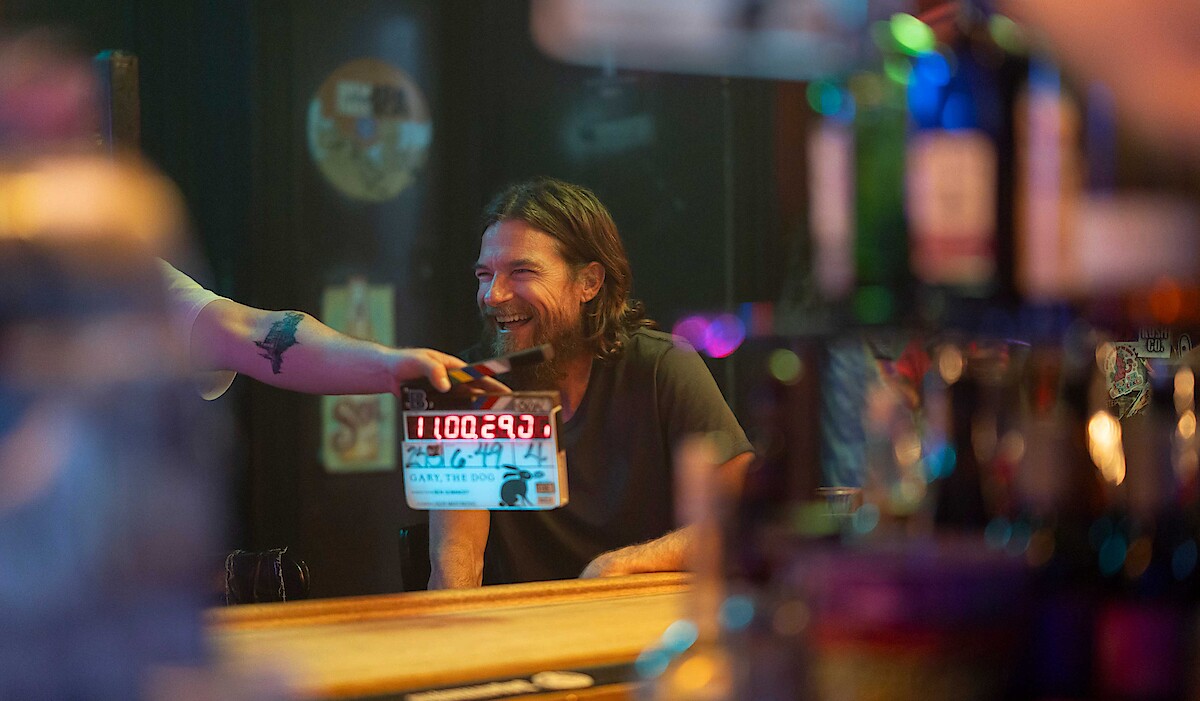
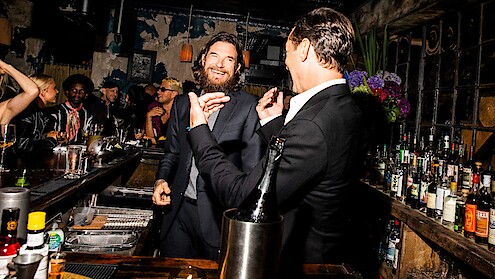
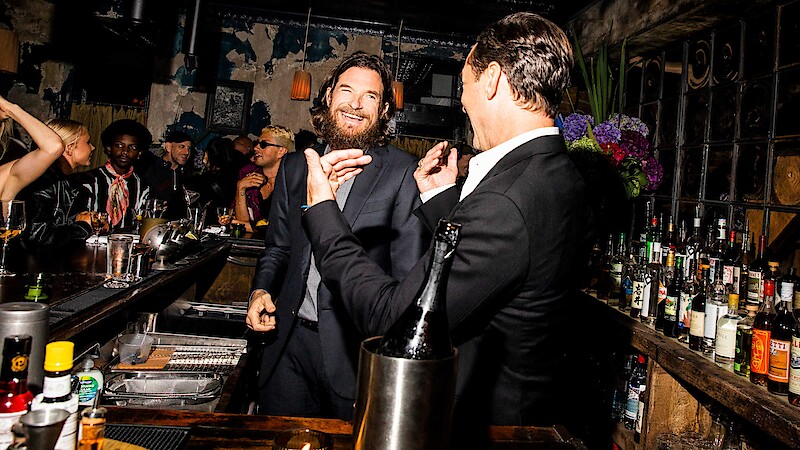
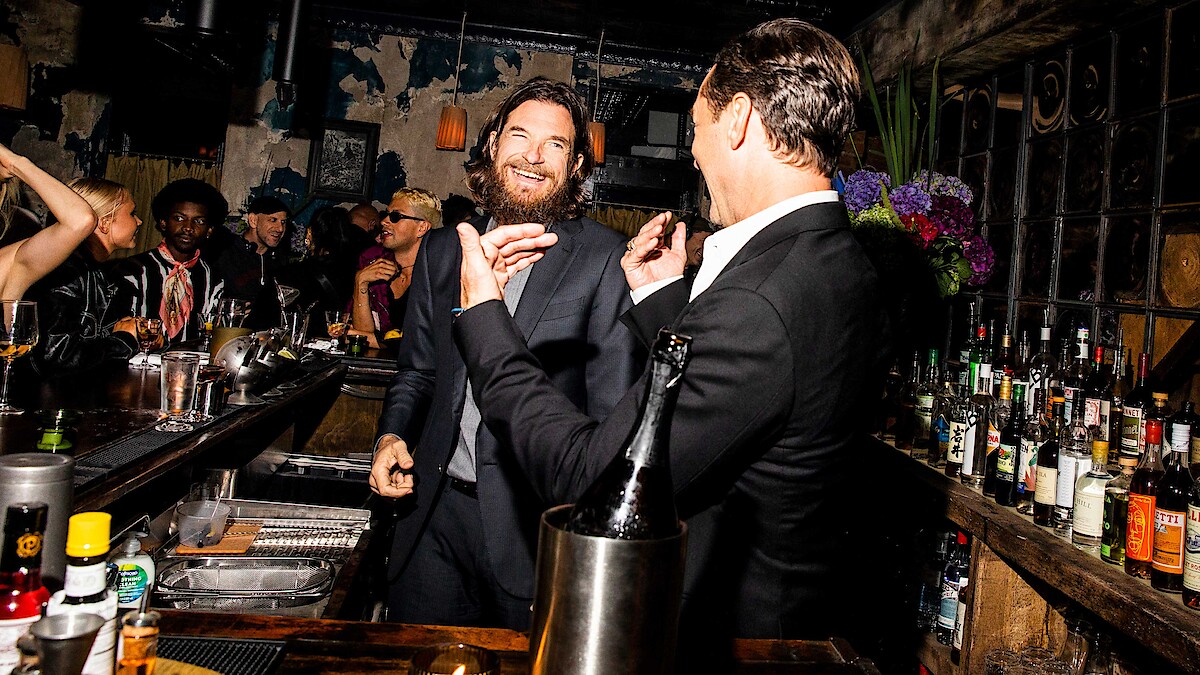
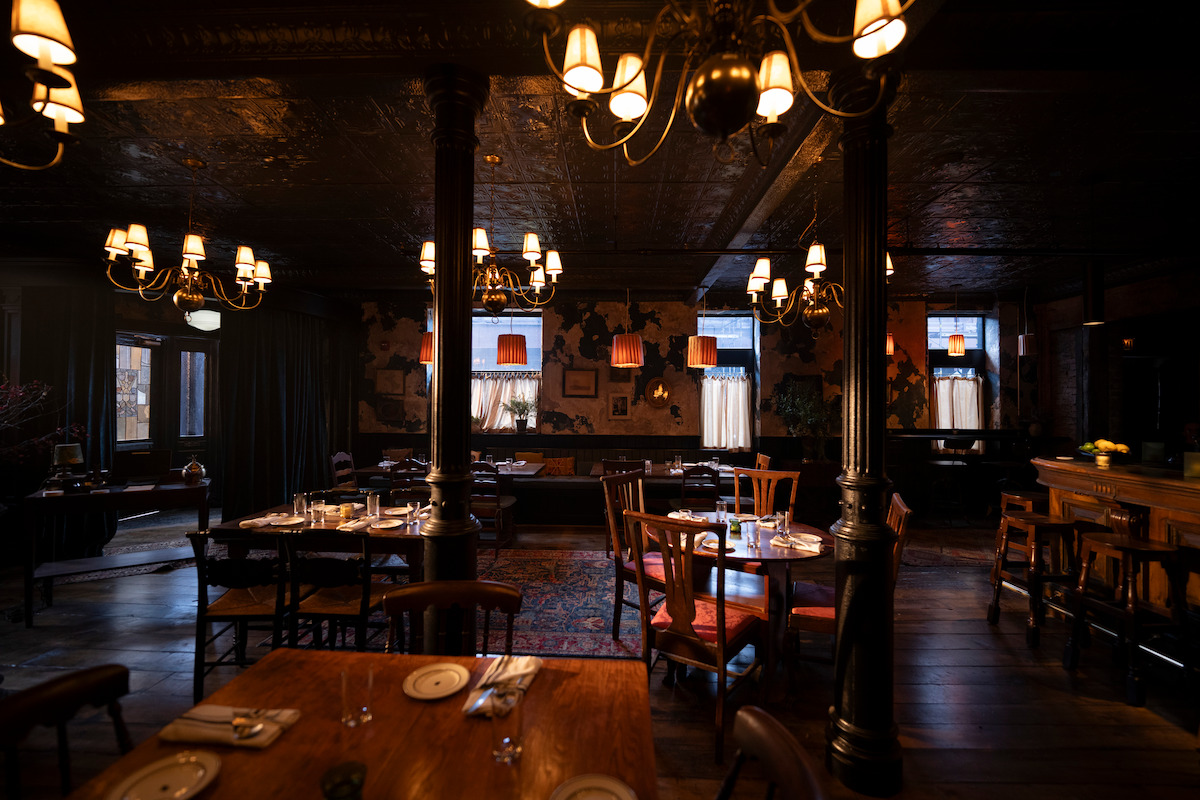
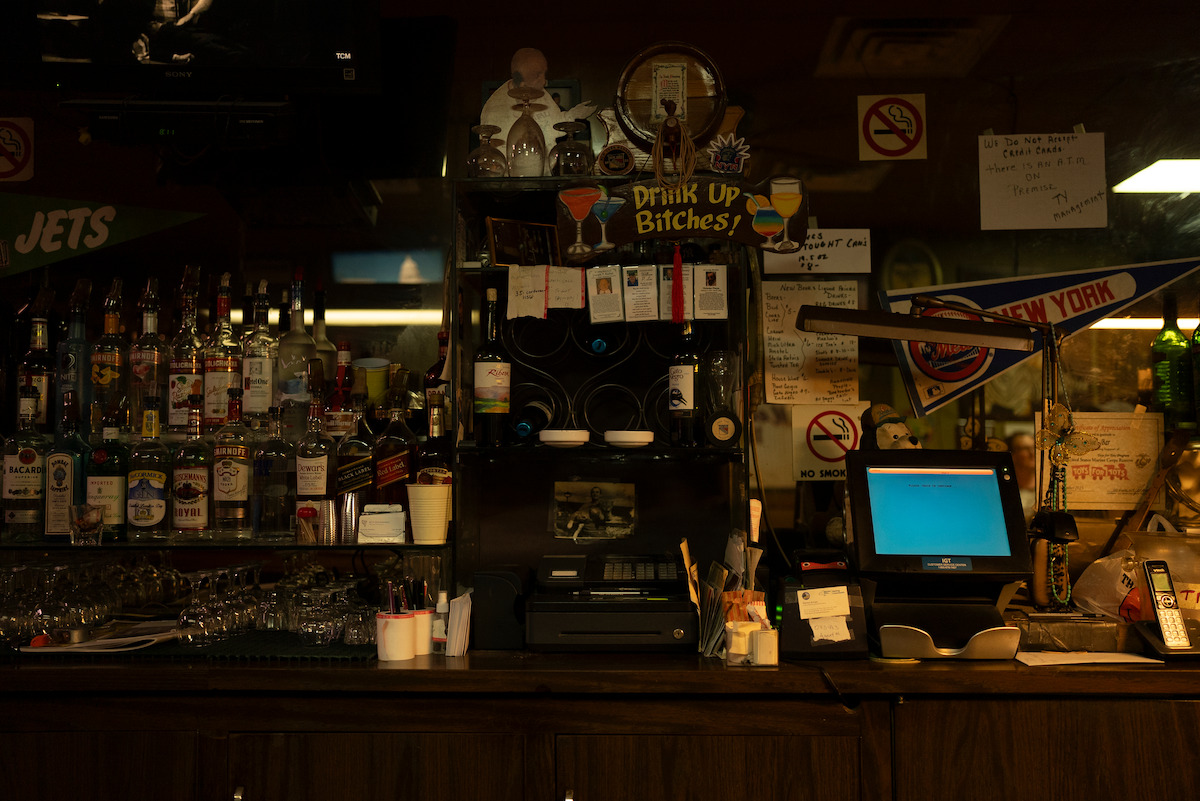
Of course, the Black Rabbit’s physical backdrop had to be just so, and production designer Alex DiGerlando pulled references from real-life New York haunts like Chumley’s, One if by Land, Two if by Sea, Fraunces Tavern, and Freemans Restaurant. “But the real eureka moment was unlocked when we stumbled upon the Water Street location,” DiGerlando says of the existing locale they used for the restaurant. “The second we got out of the van under the Brooklyn Bridge overpass and we saw this old wooden building on a corner with all these great irregularities and character, we were like, ‘This has got to be it.’” For the interiors, DiGerlando was tasked with building out full sets that would look, feel, and even function like they’re authentic. “Our interiors are such that I found it very hard to believe that this place doesn’t really exist,” says Law. “The fact that you can walk through the ground floor and go straight into the kitchen with a full functional walk-in fridge, burners, that our people then can use to cook — that’s just an indulgence as a filmmaker that you don’t normally get.” For cinematographers Igor Martinović and Pete Konczal, the latter of whom won the American Society of Cinematographers award for the finale episode of the series, the intricacy of the set offered seemingly endless interesting shot opportunities. “There are lots of layers of depth in these spaces, which makes for interesting reveals as you turn around the corners,” says DiGerlando.
Michelle K. Short/Netflix
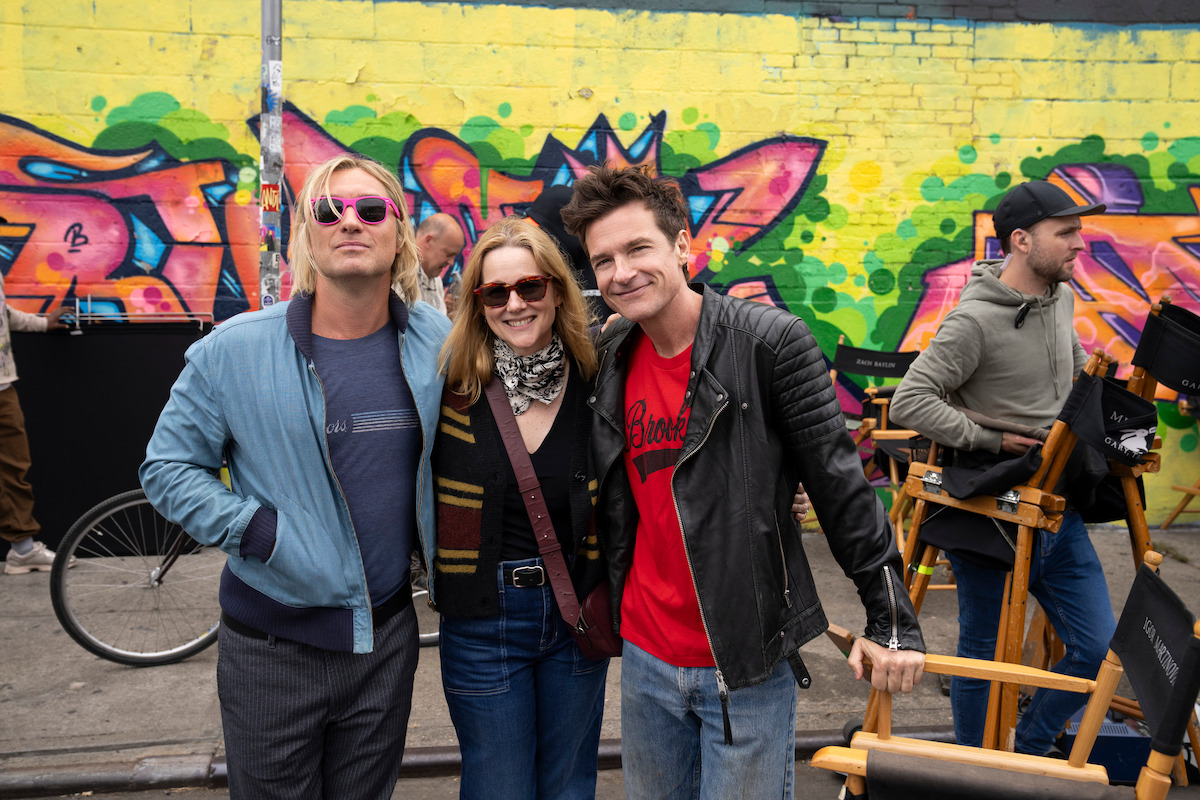
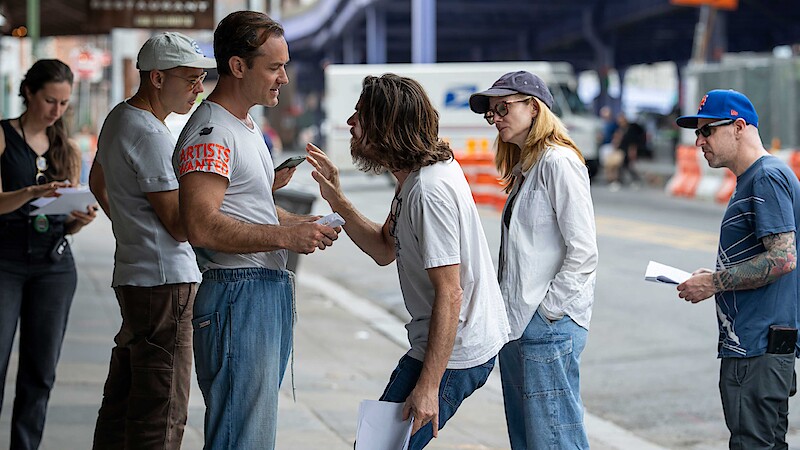
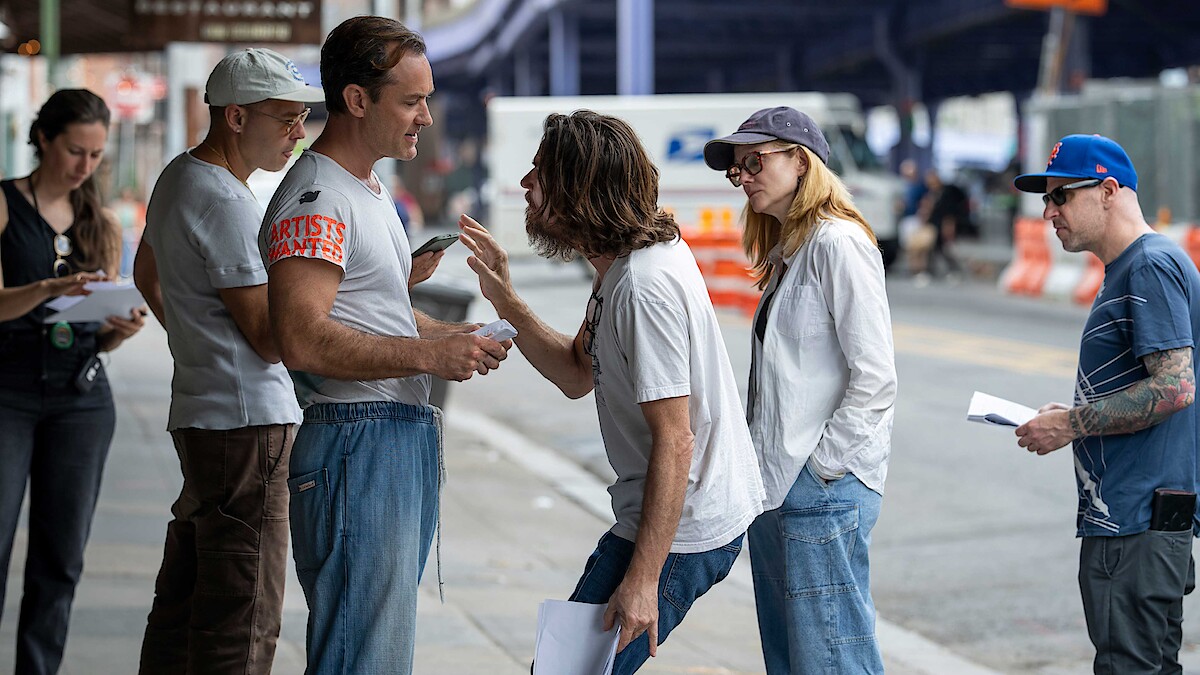
The series was helmed variously by different directors, including Ben Semanoff, Justin Kurzel, Bateman himself — who took on the first two episodes — plus Bateman’s Ozark co-star Laura Linney. “I had a ringer up my sleeve who lives very close by, named Laura Linney, who directed one of the best episodes ever on Ozark. Until Black Rabbit, it was the only thing she’d ever directed,” Bateman says. “When the opportunity came up, I took her out to dinner, and I said, ‘I don’t want to ambush you, but think about it,’ and I’m really, really proud that she said yes. She put her stamp on the show. She came in and just fucking killed it. She’s just so good at directing.” Meanwhile, Bateman and Law developed an immediate and affectionate bond as the series leads. “Jude actually reached out to Jason and said, ‘If I did this, would you play my brother?’ ” says Baylin. “Jude gets a lot of credit for getting Jason on board in that way.”
Michelle K. Short/Netflix
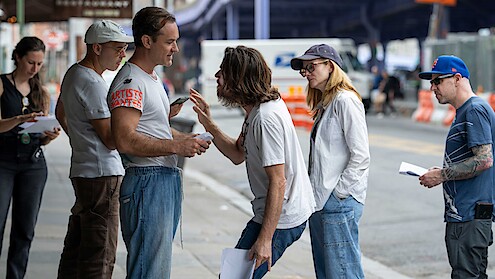
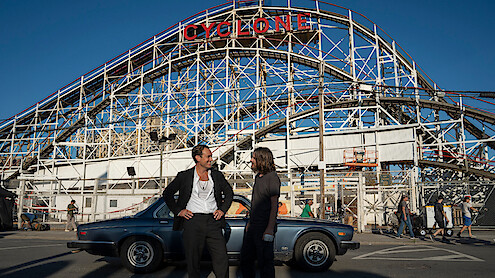
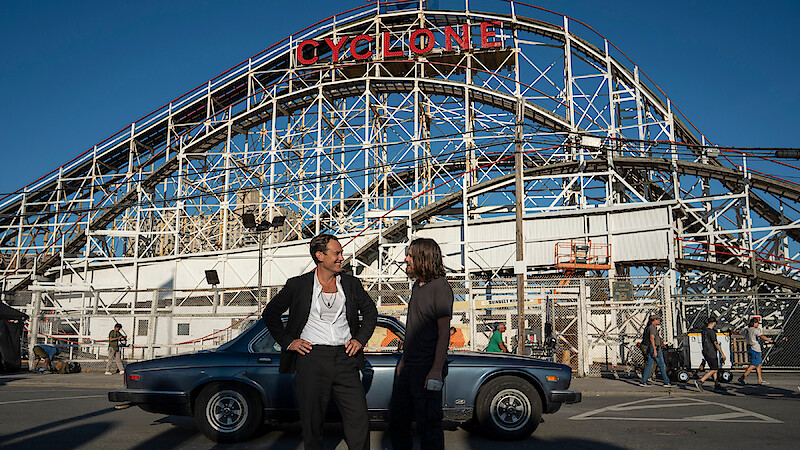
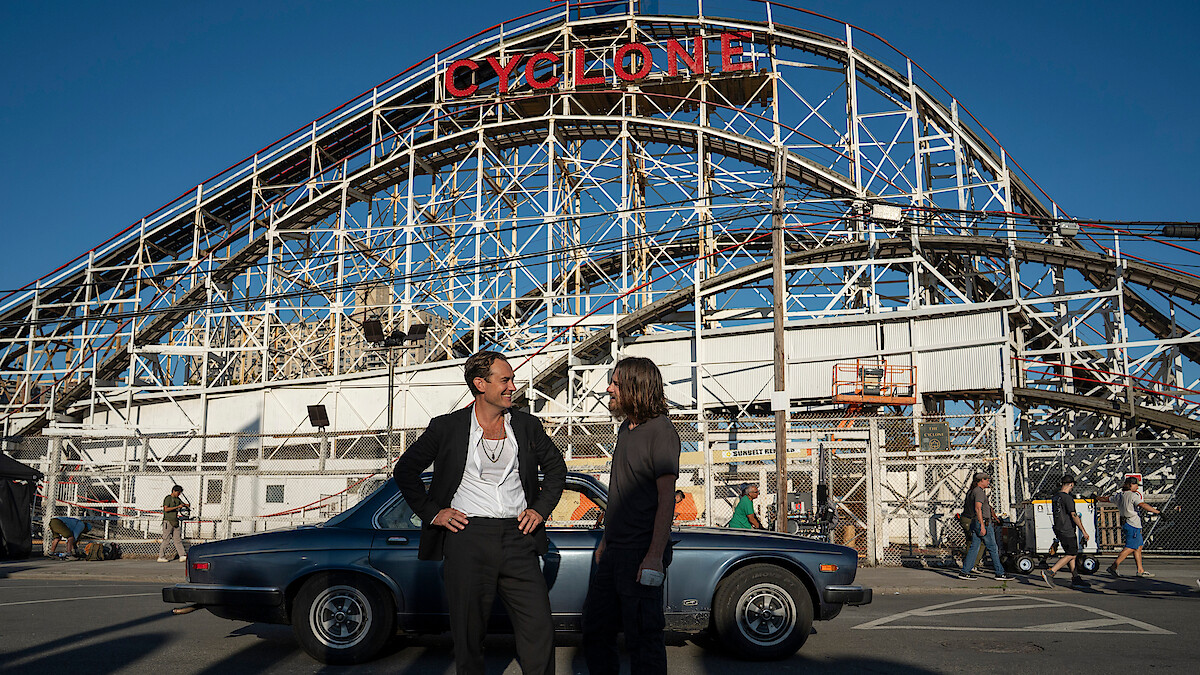
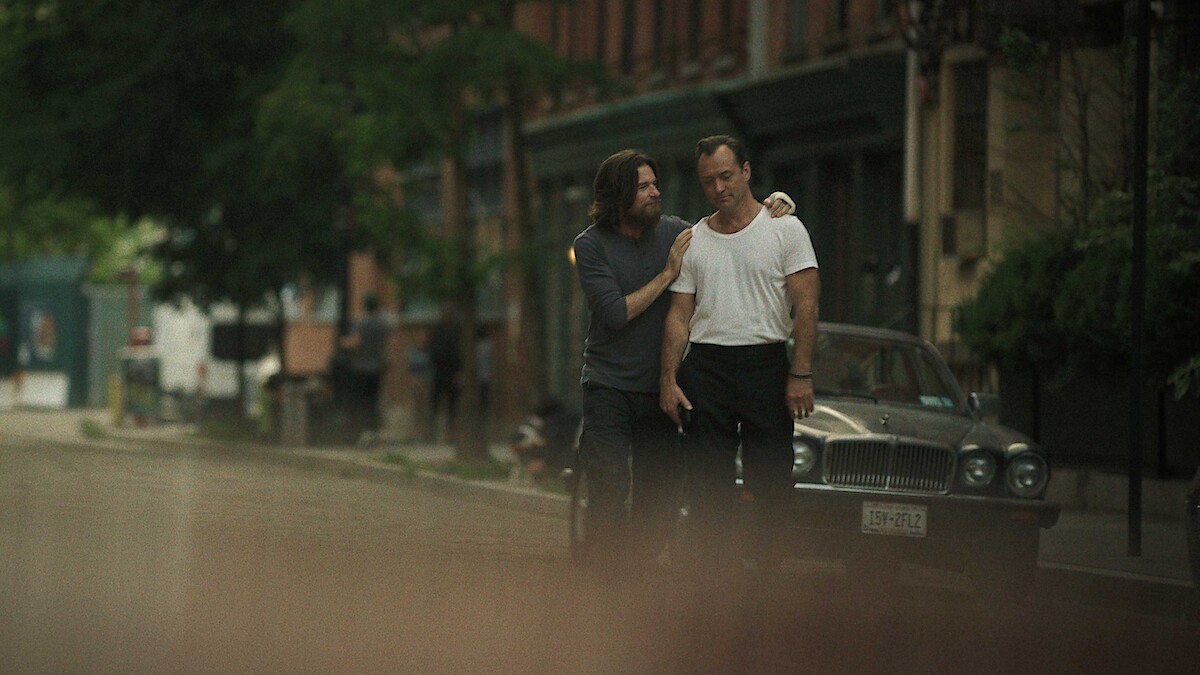
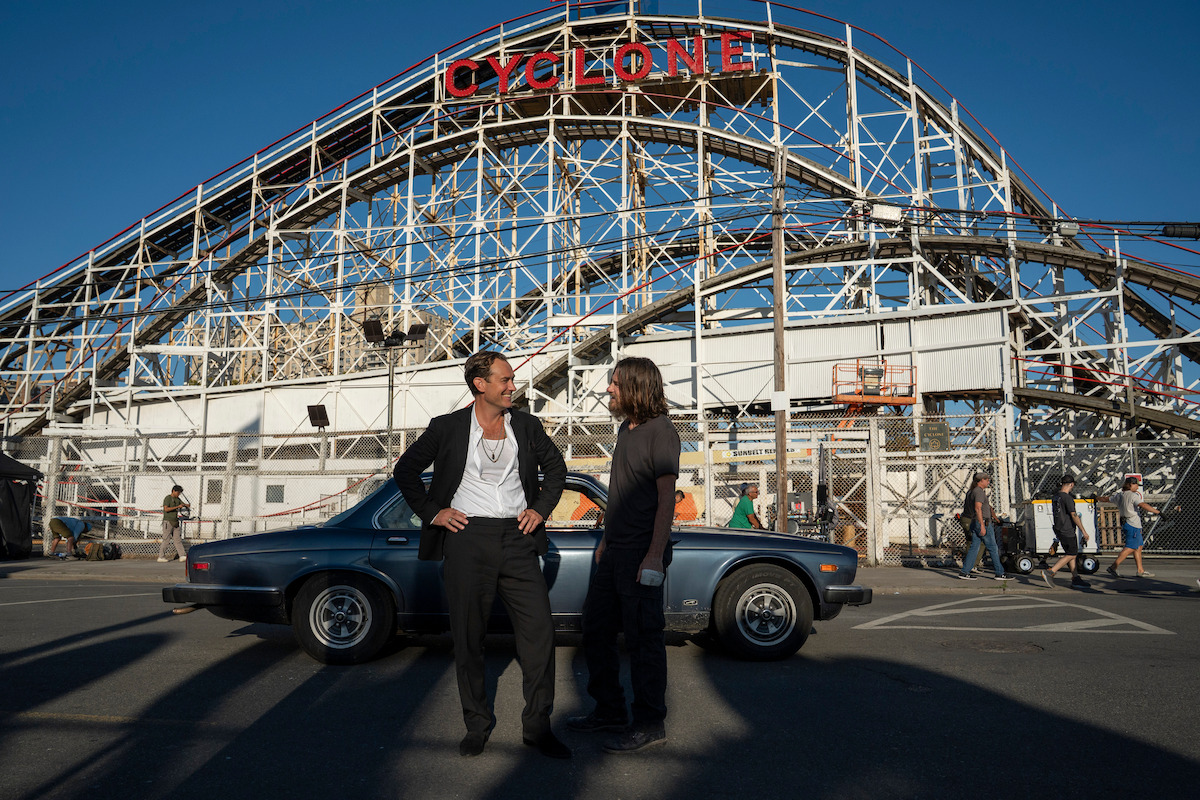
In order to give the show a sense of on-the-street authenticity, the team filmed around the city at iconic locales like the West Village, Coney Island, and the vaunted old school schvitz, the 10th Street Russian and Turkish Baths, which has been open since 1892. Still, it’s that original Water Street location that gives Black Rabbit an almost spectral sense of both history and edge. “It was built in 1794, and to put that into context, the building was 75 years old at the start of the construction of the Brooklyn Bridge,” DiGerlando says. “Originally, it was a little grocery that was right on the water’s edge. In the late 1800s, it became a very nefarious saloon called The Hole in the Wall that was famous for grisly killings and notoriously violent fights that culminated with fingers being cut off and displayed in a pickle jar on the bar counter.” It’s that sense of downtown danger that pulses through every frame, and with its breakneck pacing and jittery tension, Black Rabbit carries an unmistakable energy — one that anyone who’s ever set foot in a dark Manhattan hotspot will recognize right away. “We wanted it to feel like,” says Baylin, “we had dropped the audience into New York.”